Bank Alfalah and bSecure collaborate to provide Digital Payments Infrastructure to online businesses in Pakistan

Lahore (Muhammad Yasir) Bank Alfalah, one of the largest private banks in Pakistan and one of the pioneers in the digital banking realm has partnered with bSecure, a 1-Click Checkout Solution. The two innovative organizations have collaborated to facilitate digital payments for e-commerce businesses. bSecure enables organizations to sell products globally through an integration with Alfa Payment Gateway. This platform will enable a robust digital payments collection mechanism.

The Alfa Payment Gateway is a unique e-commerce payment gateway, allowing businesses aiming to go online through a comprehensive e-commerce payments infrastructure. The platforms provides distinct opportunities for businesses that are moving with times and adopting digital payments for facilitation of customers. The partnership between Bank Alfalah and bSecure is designed to provide solutions that enable online retailers to collect payments in real time and in a simple and secure manner from their customers via multiple payment modes e.g. Credit and Debit cards, Bank Alfalah Wallets and Alfa Bank Accounts.

Key features

Group Head Digital Banking Group – Yahya Khan was pleased to commemorate this business expansion partnership and stated “This partnership is another step towards our objective to offer seamless digital banking and payment services to customers in an efficient manner. It highlights our passion to work with Fintechs and Technology companies and invest in profitable business expansion partnerships to help Pakistani merchants access the ecommerce marketplace.” Some of the key features of Alfa Payment Gateway include:

  • Instant and Digital Merchant Onboarding
  • No setup/Annual/Maintenance fee
  • Powerful Merchant Portal
  • Merchant Financing and BNPL
  • Pay by Link (Ideal for merchants without a website)

The CEO of bSecure – Adam Dawood stated, “Bank Alfalah and bSecure have been working together since November 2020 and in that time we have enabled hundreds of Builders to offer prepayments solutions to their customers. This new partnership we have signed will further help us grow as the ecommerce market continues to expand”.

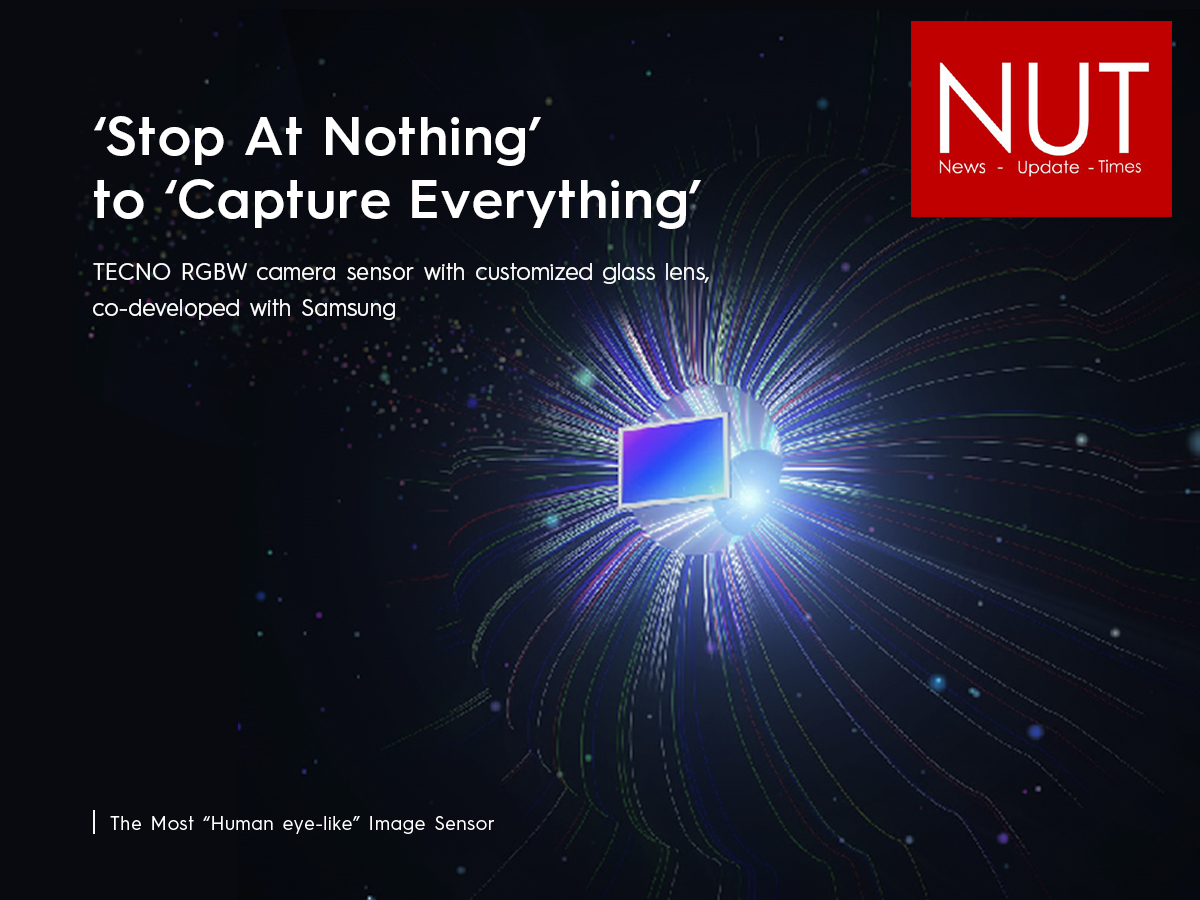
Samsung x TECNO Collab for RGBW Technology for Camon 19

Lahore (Muhammad Yasir) TECNO keeps its promise to bring the latest technology for its consumers. TECNO Mobile collaborates with Samsung to bring the latest RGBW Camera Sensor technology for its upcoming Camon 19 series phones.

The phone will be launching in Pakistan in the second quarter.As Camon is TECNO’s renowned Camera series, the latest device will be equipped with a special RGBW sensor that adds a white sub-pixel to the current RGB array. This will improve light sensitivity, especially in low-light situations. In a webinar last month, TECNO’s Global team announced to be working with Samsung to bring this latest RGWB Camera Sensor in their phones.

This means the phones will be featuring a new Samsung image sensor that uses an RGBW pixel array for better quality images. It will be using Samsung’s Isocell GWB – an upcoming mobile imaging sensor that adds a white pixel to red, green, and blue pixels. The addition of the white pixel will improve the sensor’s overall sensitivity to light which will help produce better low light photographs. It claims lesser background glare in lit environments and more balanced contrast levels in darker backgrounds.

Kelvin Zeng, CEO of TECNO Mobile Pakistan said,

“TECNO shall be bringing some of the greatest technological devices from its Camon and Phantom series in Pakistan this year. After our first Borderless AMOLED – Phantom X and the Gimbal Technology Camon 18 Premier, we are looking to expand the mobile technology horizon for our Pakistani consumers. The fans will not have to wait too long as we shall be launching the RGWB Technology phones in the country pretty soon.”

This will mark the beginning of a new era in Pakistan. Stay tuned and follow TECNO’s official social media pages for more updates.


MMBL’s Commercial Vehicle Loan: Enabling Journeys to Sustainable Sustenance

With the world undergoing rapid digitalization post-pandemic, social and economic barriers to be dealt with are rampant. Moreover, alleviating poverty is the need of the hour and microfinance plays a dynamic role in doing so. It is an apparatus that allows the financial gap to be filled and facilitates low-income families to participate in economic activity.

Without a doubt, the omnipresence of poverty across the country has decreased with the introduction of microfinance. Despite some prevailing challenges and a general lack of financial knowledge amongst the masses, Pakistan’s microfinance ecosystem has paved the way to promote financial inclusion and empower unbanked and underbanked segments of our society. In this regard, microfinance institutions like Mobilink Microfinance Bank Ltd (MMBL) are effectively striving to uplift low-income individuals by meeting their basic financial needs and offering seamless, easy-to-use loan offerings. 

The Bank is dedicated to strengthening the digital banking ecosystem by developing customized products and services that are specifically designed to financially empower low-income individuals in the country.

The story of Shakeel is a testimony that MMBL’s microfinance initiatives have not only helped thousands of families living on the edge of poverty but also improved their living conditions as well. “The ongoing pandemic has aggravated income inequality in Pakistan. Thousands of individuals including myself experienced job and income losses amid COVID-19 and rising inflation, as well as pandemic-related disruptions, and it further added to our list of problems,” explained Shakeel.

Shakeel owned a commercial vehicle, which he used to transport fish from Ibrahim Hyderi, Karachi to restaurants, markets, and other businesses. The shockwaves of the global pandemic COVID-19 ravaged Pakistan’s economy forcing small businesses, restaurants, and companies to close down and Shakeel’s case was no different. Restriction on economic activity due to the lockdown directly impacted individuals like him.

“COVID-19 has changed all of our lives, but more so the families and individuals who are not financially strong. Daily wagers were hit the hardest due to the lockdown. I came to a point where it got hard for me to even make ends meet. Ultimately, I had to sell my vehicle,” shared Shakeel. When the lockdown was lifted, Shakeel was determined to find a practical solution and so, he rented a vehicle for PKR 25,000 monthly.

Even though Shakeel was working hard to earn a sustainable income, he could not manage to meet his expenses and ended up borrowing money from his friends and family. Now, Shakeel was tied into a cycle of debt, and a lack of working capital to purchase a new vehicle made matters worse for him. 

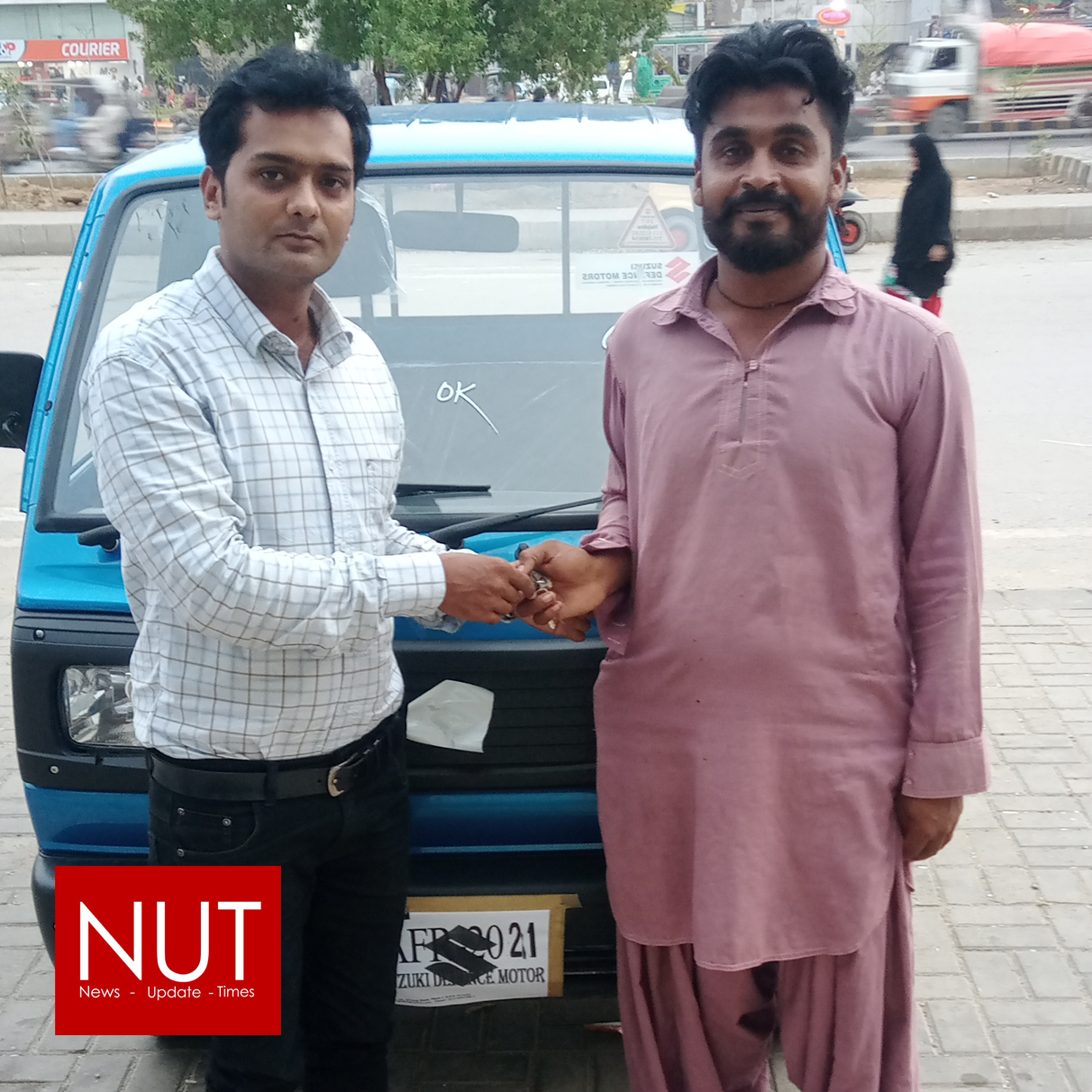
He then learned about MMBL and was convinced that a microloan would help sort his financial problems. “After talking to a few people, I approached MMBL for a Commerical Vehicle Loan and was exhilarated when I was informed that the loan request was accepted. I received a loan for PKR 827,200 and with that, I was able to purchase a new Suzuki Ravi,” shared Shakeel.

The vehicle purchased allowed Shakeel to work full-time and enabled him to earn up to PKR 8,000 daily, which also helped him to return his installments of PKR 22,000 per month in time. “With the help of MMBL, many individuals like me began turning a profit, and today, I am a proud owner of my own vehicle once again. Nothing feels better than that. The financial assistance from MMBL allowed me to gain profit, get rid of my debt, and pay off the microloan quickly”, shared Shakeel.

MMBL’s microfinance loans combine innovations and technology by leveraging Pakistan’s digital banking sector to deliver tailored products and services. The Bank has been a key driver for financial inclusion and women empowerment because it recognizes the fact that financial inclusion yields unequivocal returns.

Pakistan’s first Multimodal Logistics Conference kicks off today

•    President Arif Alvi to inaugurate the one-day conference


Islamabad (Muhammad Yasir) To initiate a public policy debate on multimodal logistics and freight services focusing their pivotal role in national trade growth, President of Pakistan H. E. Dr. Arif Alvi will be inaugurating Pakistan’s first-ever multimodal logistics conference “Trade Growth of Pakistan through Multimodal Logistics” here at Serena Hotel tomorrow. One-day conference will be featuring interactive sessions and insightful debates on a diverse range of topics focusing national industry of multimodal and freight network.

The conference would be attended by federal ministers, federal secretaries of different ministries/divisions, senior government officials, representatives of renowned logistics organizations along with stakeholders and members of business community. Representatives of the institutions will be shedding light on the institutional role in different relevant sectors. The conference is being organized by Manzil Pakistan, a Karachi based think tank in collaboration with All Pakistan Shipping Association (APSA) while U.S. Agency for International Development (USAID), Pakistan International Bulk Terminal (PIBT), JS Bank and Faysal Bank Ltd are the event partners.

The initiative to organize the first Multimodal Logistics Conference is led by Mr. Aasim A. Siddiqui, Vice Chairman of Manzil Pakistan. Over the last 25 years, Mr. Aasim Siddiqui has developed and financed various transport and logistics projects in Pakistan with a diverse portfolio in the shipping, logistics and cargo handling industry. About this initiative,Mr. Siddiqui highlighted that Pakistan eagerly needs a thematic change and complete remodeling to integrate the multimodal logistics scenario in its stepping forward economy. Though, trade and multimodal logistics are two different sectors, but taken as lifeline for each one’. He further emphasized that despite having a National Freight and Logistics Policy (NFLP) in place, the sector is still fragmented and policies in relation to its integration requires considerable deliberation by public authorities, therefore, Manzil Pakistan has taken the lead to organize this conference to bring all stakeholders both from the private sector and public authorities to initiate a public policy debate to benefit the country.

Through specialized sessions, the conference program will comprehensively cover different sectors of the trade transport industry. The technical sessions will kick off with “Public-Private Sector Institutional Harmony for Integrated Multimodal logistics in Pakistan”. The session will be chair by Dr. Ishrat Hussain Former Advisor to the Prime Minister on institutional Reforms & Austerity and Ex-Governor State Bank of Pakistan. This is followed by an exclusive session chaired by Mr. Mahmood Baqi Moulvi, Special Assistant to Prime Minister on Maritime Affairs titled “Optimizing Blue Economy: Issues and Challenges” will be presenting an overview of Pakistan’s Maritime and shipping industry. To discuss the importance of Highways in logistics industry, participants would be sharing their viewpoints in a session Chaired by Chairman Board of Investment Muhammad Azfar Ahsan on the theme of “Connecting Highways with Smart Hinterland Transport Network”. A special session will be chaired by Secretary Railways on Railway Freight services and their valuable part in national logistics network will be discussed in a specified session “Business Enabling Environment: Empowering Private Sector in Rail-Freight Business”.

Keeping in view the importance of China Pakistan Economic Corridor (CPEC), an exclusive session “CPEC, Regional Connectivity for Trade & Domestic Commerce” has been scheduled which would be addressed by Special Assistant to Prime Minister on CPEC Authority Khalid Mansoor. This session would not only be encompassing the importance of regional connectivity but the future of domestic commerce and foreign investments in Pakistan would also be discussed.

The conference will be concluded by Ameena Saiyid OBE, Member, Board of Trustees, Manzil along with other dignitaries. According to organizers, this conference would be opening new doors for insightful discussions on modernization of multimodal logistics services across the country to bring positive impact on national trade growth.

Getz Pharma, BIDE & SZABIST join hands

Getz Pharma, BIDE & SZABIST join hands to foster a culture of collaboration to improve healthcare indicators in Pakistan

Lahore (Muhammad Yasir) Pakistan is facing a steep rise in the prevalence of non-communicable diseases (NCD). Recent figures from IDF Atlas are staggering depicting a sharp increase in diabetes. Pakistan ranked 3rd in number of people living with diabetes in the world only after China and India, the countries with highest number of populations.

In Pakistan, 1 in 4 adults (26.7%) are living with diabetes accounting for 33 million people, the burden of the disease is expected to increase as about 10.5 million people suffer from intermittent hyperglycemia and this disease is responsible for 400,000 premature deaths annually. If no community-based campaigns are initiated to intervene, the number is expected to increase.

This major public health challenge requires immediate plan of action. These actions include standardization of care at public and private sectors, development and implementation of nationwide diabetes registry and integrated approach to diabetes and NCD care. Continuing education in management, cultural competence and leadership developmental programs are also responsibilities of public health. Hence, training and capacity building for NCD managers at all levels is the key for initiation of successful prevention plans in future. Moreover, utilization of electronic, social and print media for propagation of the right message is of utmost importance. Producing advocates of health for policy development, education and other relevant stakeholders for community-orientated prevention strategies will lead to better and integrated programs leading to better service provision for community.  

As a research-driven pharmaceutical company, Getz Pharma has always taken an active role in supporting advanced scientific studies that can help patients and healthcare professionals in dealing with life-threatening diseases. This time, Getz Pharma is proud to enter into an agreement with BIDE (Baqai Institute of Diabetes and Endocrinology) and SZABIST to promote academic and research activities across the country, particularly in the area of non-communicable diseases such as Diabetes Mellitus.

Getz Pharma, BIDE, and SZABIST aim to form a unique collaborative platform which will allow experienced physicians and researchers at BIDE in engaging the academically advanced graduate students at SZABIST in scientific research to generate valuable insights into areas of NDCs, particularly Diabetes. The three patrons will also engage in activities centered on capacity building of healthcare providers.

“SZABIST Life Sciences department is engaged in qualitative research in different areas to provide solutions to prevailing problems. Graduate students are very strong assets that can be utilized to carry out innovative research to solve public health challenges. An alliance between hospitals, educational institutes and industry leaders can just be the key we need to address severe public health challenges like non communicable diseases” – Shahnaz Wazir Ali – President SZABIST.

Speaking on the occasion Khalid Mahmood – Managing Director and CEO of Getz Pharma highlighted that “The main objective behind this initiative was to bring the three organizations under a single platform and formulate a strategy for collaborative research activities, capacity building of healthcare professionals, increasing awareness of communities and sensitizing policymakers to take immediate actions”. Specific insights generated by the data can be utilized for making strategies for effective management of diseases.

By bringing all the stakeholders in the industry on a single platform, Getz Pharma has taken the first step in establishing meaningful partnerships that will address the needs of local population. Appreciating Getz Pharma’s efforts, Dr. Abdul Basit – Director of BIDE says, “Getz Pharma has always come up with creative solutions to address the healthcare challenges. By initiating this partnership, they are helping us in standardization of diabetes care across the country and developing preventive strategies for the people who are at high risk of developing non-communicable diseases and striving to develop a healthy nation.

Bringing TVET Reforms through Skills for Gender Mainstreaming

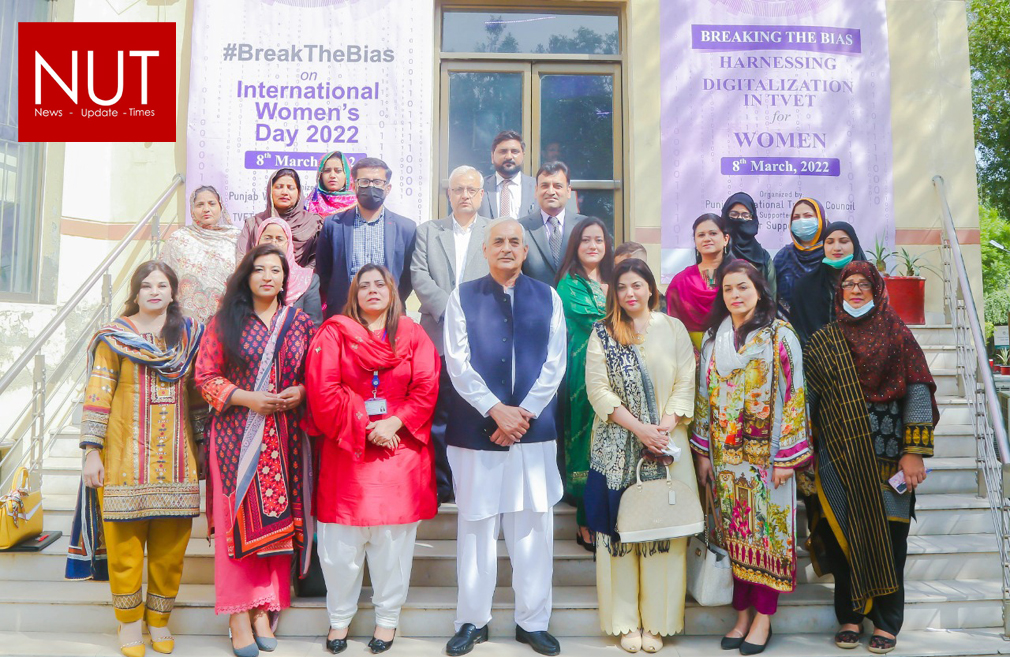
Lahore (Muhammad Yasir) The Punjab Vocational Training Council (PVTC) in collaboration with the European Union (EU), German and Norwegian government funded Technical and Vocational Education and Training (TVET) Sector Support Programme organized a seminar on “Breaking the Bias; Harnessing Digitalization in TVET for Women” on the occasion of Internal Women’s Day at its head office in Lahore.

The session was also streamed online from the social media accounts of PVTC and TVET Reforms to connect with larger audience and widespread the message. Speaking at the occasion, Chairman PVTC Major Shahnawaz Badar initiated the session with opening remarks on the role played by PVTC for promoting technical skills learning among women in Punjab. He added that technical education and vocational training have brought tremendous opportunities for women in Punjab to initiate their own small businesses as-well-as join the mainstream employment opportunities.

Women encouragement in leadership roles, bridging the gap in digital skills, role of women as entrepreneurs, making the workplace safe and harassment free, encouraging more women in digitalized TVET sector remain the key areas of the seminar and webinar. Ms. Sam Ali Dada President WCCI, Lahore graced the occasion as chief guest. She mentioned that, “implementation of the gender strategies in its true spirits can ensure women socio economic development in Pakistan. Women through her role can play the role of change agent for socio-economic uplift”.

During the session, Senior Technical Advisor Mr. Qazi Farid highlighted the role of Role of TVET SSP in women empowerment and gender mainstreaming. He added the importance of strategic interventions for engaging more women in the TVET sector for their economic participation. “Women are the 51% population in Pakistan. Their education and skills learning can not only help in supporting their families but a big share to the country’s economy”, he said.

This awareness measure was organized with the support of TVET Sector Support Programme which is funded by the European Union, the Federal Republic of Germany and the Royal Norwegian Embassy. The Programme has been commissioned by the German Federal Ministry for Economic Cooperation and Development (BMZ) and is being implemented by the Deutsche Gesellschaft für Internationale Zusammenarbeit (GIZ) GmbH in close collaboration with NAVTTC, TEVTA, PVTC, TVET bodies and private sector.

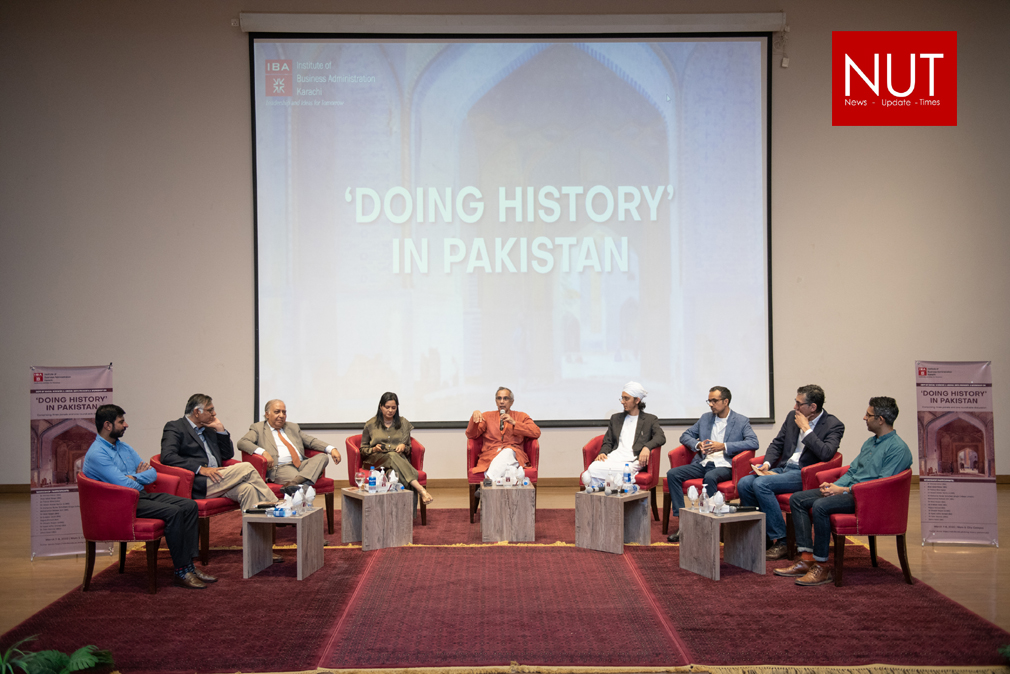
IBA Karachi hosts a 2-day workshop on ‘Doing History’ in Pakistan

March 9, 2022: The Department of Social Sciences and Liberal Arts, School of Economics and Social Sciences (SESS) at the Institute of Business Administration (IBA) Karachi organized a two-day workshop titled, ‘Doing History’ in Pakistan, on March 7-8 to offer a platform for historians who are working in Pakistan as well as ‘on’ Pakistan and broader South Asia, to discuss issues related to their discipline and think about how they can adopt a more innovative approach towards the themes and topics they teach and the modes in which they teach them to students at local universities.

The keynote address was delivered by Dr. Katherine Butler Schofield, Senior Lecturer in South Asian Music and History, King’s College London, UK whereas four scholars from Quaid-i-Azam University (QAU), Beaconhouse National University (BNU), Lahore University of Management Sciences (LUMS), and IBA Karachi, graced the event as speakers and discussants.

Explaining the rationale behind the selection of speakers for the panels, Ms. Zahra Sabri, chief organiser of the workshop, and a Lecturer in Indo-Islamic History and Literatures at the SESS, IBA Karachi shared that she had tried to bring together scholars doing diverse kinds of History in Pakistan, to educate the audience about the discipline and what kind of History should or should not be done in Pakistan, but also to get a solid and specific taste of the diverse branches of History that prominent scholars in Pakistan are presently working on.

The Executive Director, IBA Karachi, Dr. S. Akbar Zaidi in his opening remarks said, “Where are the trained food historians, labour historians, historians of culture, or even institutions, in Pakistan, leave alone Pakistani historians teaching Latin American or African History? Or, for that matter, historians addressing questions of theory, and themes of a global or interconnected history?” He expressed that the event being organised at the IBA would address such vital questions and welcomed the students and teachers at the event.

The first panel, ‘Knowledge and Identity in the Persianate Ecumene’, featured presentations dealing with the History of Science, Literary/Cultural History, and Architectural History. Dr. Moiz Hasan from IBA, talked about the Iranian polymath theologian Sayyid al-Sharif al-Jurjani and his vision of the mathematical sciences; Ms. Zahra Sabri from IBA, discussed the famous Indian poet Amir Khusrau’s sense of pride in the linguistic and literary accomplishments of residents of Delhi who wrote in Persian; and Dr. Shayan Rajani from LUMS, analysed South and Central Asia’s architectural heritage to highlight how places like Kandahar and Sindh were historically linked through ties of Mughal sovereignty.

The second panel, ‘National Narratives and Local Histories’, focused on Intellectual History and explored how local and regional histories interacted with (by either aligning with or departing from) mainstream or state-promoted versions of history. Dr. Tahir Kamran from BNU, spoke of how the arrival of an Arab Sufi pir Abdur Rahman in the Jhang district of Punjab over a thousand years ago is preserved in the collective memory of the local people through oral literary genres; Mohammad Nabeel Jafri from IBA, drew on ethnographic examples of political themes dealing with Iqbal and Jinnah in the oratorial practices of Shi‘a scholars to demonstrate how multiple nationalist and historiographical narratives exist and proliferate in the imaginations and practices of Urdu-speaking Shi‘a in Pakistan; and Dr. S Akbar Zaidi from IBA, presented evidence from late 19th century Urdu newspapers and other writings to demonstrate how a self-conscious feeling of having suffered ‘humiliation’ at the hands of British colonial rulers became a force for action of socio-religious reform and revival among Muslims in post-1857 north India.

The third and last panel of Day 1, ‘Historising Labour, Ecology, and Economy’, grappled with themes relating to Economic History. Dr. Ahmad Azhar of LUMS, drew on the concrete example of the railway workers’ movement of Lahore, to analyse core theoretical debates in the field of South Asian Labour History, and argue for understanding distinct working-class cultures on their own terms; Dr. Hasan Haider Karrar from LUMS, analysed the effect of salination and seawater incursion on the Indus delta and discussed how longer histories of development and state-building can be told through visible environmental transformations and oral histories; and Dr. Fakhar Bilal from QAU presented findings from his historical case-study of the madrasah Jami‘ah Khair ul-Madaris to analyse how the socio-economic circumstances of post-Partition land allocation and the surplus financial wealth generated by the Green Revolution in the Punjab contributed to the successful relocation of a Deobandi madrasah from Jalandhar, East Punjab (present-day India), after Partition, to a city like Multan which has long been associated with more traditional expressions of Islamic mysticism or Sufism.

Dr. Katherine Butler Schofield’s keynote address, ‘Archives Differing: Stereophonic Methods, Auditory History, and the Paracolonial Indian Ocean c. 1760-1860’ was focused on the History of Music and dealt with the challenges of writing the history of soundworlds in South Asia and the wider Indian Ocean region before the era of recorded music. Through rich visual illustrations and textual quotations, she demonstrated the value and importance of looking at diverse kinds of colonial and indigenous textual archives and paintings to form notions of past musical contexts via Persian, English, Urdu, Braj, and Hindi documents and musical treatises.

The last session of the workshop was a roundtable discussion bringing together many speakers to highlight the directions in which the study of History in Pakistan has been going in recent years, and the need to improve and diversify pedagogical and research practices in the field. Dr. Syed Jaffar Ahmed, Dr. S Akbar Zaidi and Dr. Tahir Kamran spoke of the damage that has been done to the discipline of History by limiting it merely to something called ‘Pakistan Studies’ and tying it to state-sponsored ideological projects of nation-building. They emphasised how even while teaching Pakistani History as a state-mandated obligatory subject at the college level, teachers can adopt creative solutions to bring more diverse and critical material into the classroom rather than a simple, dry recital of the legal and political steps involving the creation of Pakistan. Dr. Hasan Karrar made a case for encouraging the teaching of a wide variety of History courses for the benefit of students from all fields, and not just for History majors.

The workshop was attended by IBA students, staff, faculty, alumni, and participants from other universities. Gathering suggestions from the audience, speakers reached the conclusion that there was an overall desire for teaching History, of adopting more innovative approaches in the teaching of History such as introducing students to diverse kinds of textual and non-textual oral and material archives, of the need to do a better job in curating the historical archives that do exist in Pakistan, and of teaching the histories of less prominently discussed sectors of the population, such as common labourers , artisans, religious, sectarian, ethnic minorities, women and transgenders.
Wateen & Cisco collaborate with Beaconhouse for ManagedInternet Services across BSS campuses

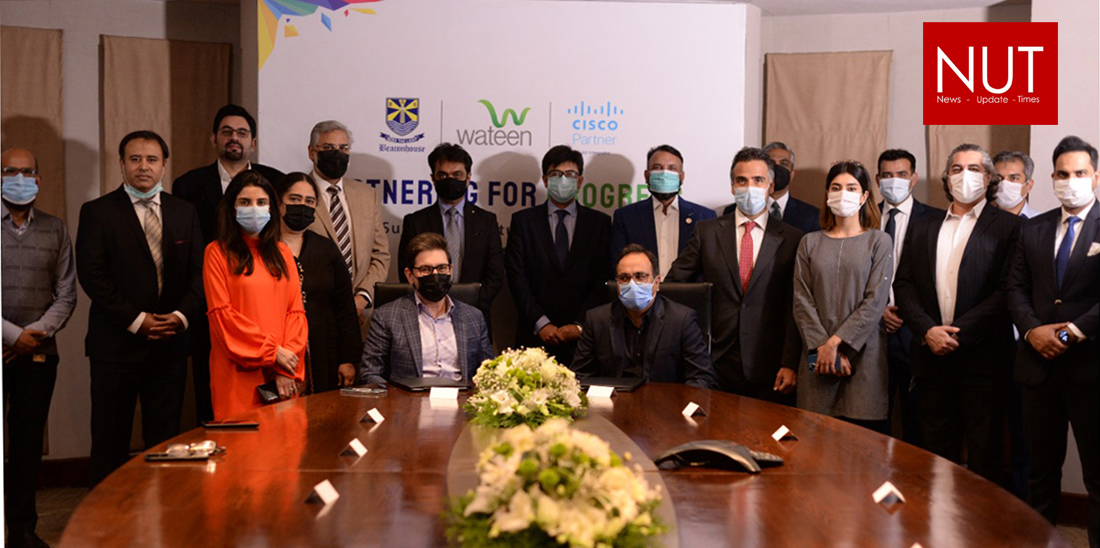
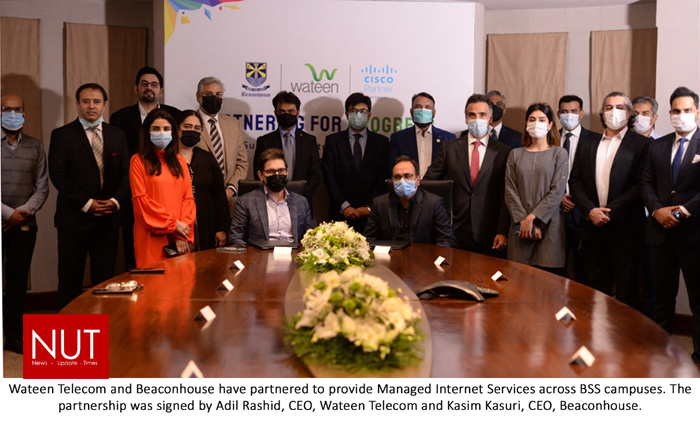
Lahore (Muhammad Yasir)  Wateen Telecom Limited, the leading ICT company in Pakistan, and Beaconhouse, the country’s largest network of private educational institutions, have partnered to provide managed internet services over SD-WAN across the school network. The partnership agreement was signed by KasimKasuri, CEO, Beaconhouse, and Adil Rashid, CEO, Wateen Telecom. Senior officials of both companies along with Kashif-ul-Haque, Country Manager  Cisco were also present at the occasion.

A major step in the digital transformation journey of the Beaconhouse network, this new partnership will enable the school organisation to transform its existing education technology (ed-tech) and online learning systems. Students who carry their own devices will be able to access learning materials in the classroom through a unified and secure network. This is made possible through Cisco’s Meraki, offering cloud-controlled WiFi, routing, and security, by Wateen.

KasimKasuri, CEO of Beaconhouse stated, “Ed-tech has been a key driver of change at Beaconhouse since the 1990s, with an exponential adoption of online learning over the last two years driven by the pandemic.  But ed-tech and online learning are fully dependent on the efficiency of our Internet connectivity, which is the basis of this new partnership with Wateen and Cisco.”

Under this partnership, two market leaders have come together, ushering in a new era of tech-based learning. Wateen is set to enable Beaconhouse School Systems with an end-to-end managed solution, along with managed internet services, SD-WAN and WiFi in all of its branches across the country.

Adil Rashid, CEO, Wateen Telecom, commented on the occasion, “We look forward to empowering young minds with connectivity that is designed to leave no one behind. With a mission to innovate and enable, we are excited to offer Beaconhouse School System personalised solutions geared for the future.” He further added, “Wateen is proud to be working towards the shared vision of a smart and digitalized Pakistan.”

Wateen has stood strong as a leading gold partner of Cisco in Pakistan. Under this agreement, the company will provide Beaconhouse a complete network design and its implementation with security plans for the proposed solution. The partnership also features a training programme and technology workshops for IT Teams across Beaconhouse branches along with Cisco Network Academy Labs for students too.

Wateen is a trusted ally to the country’s education sector, carving new paths for the leaders of tomorrow. Wateen strives to bring hassle-free tech solutions to Pakistan’s business ecosystem.

Beaconhouse traces its roots to the Les Anges Montessori Academy, founded in Lahore, Pakistan, in 1975. Now in its 47th year, the Beaconhouse network caters to the education and training needs of a large and diverse group of individuals of varying ages, backgrounds and nationalities, in Pakistan, the Middle East, and Southeast Asia. 

Meezan Bank launches ‘Meezan Mobile Tap & Go’

Meezan Bank launches ‘Meezan Mobile Tap & Go’ – Mobile-based Contactless Payments for its Customers

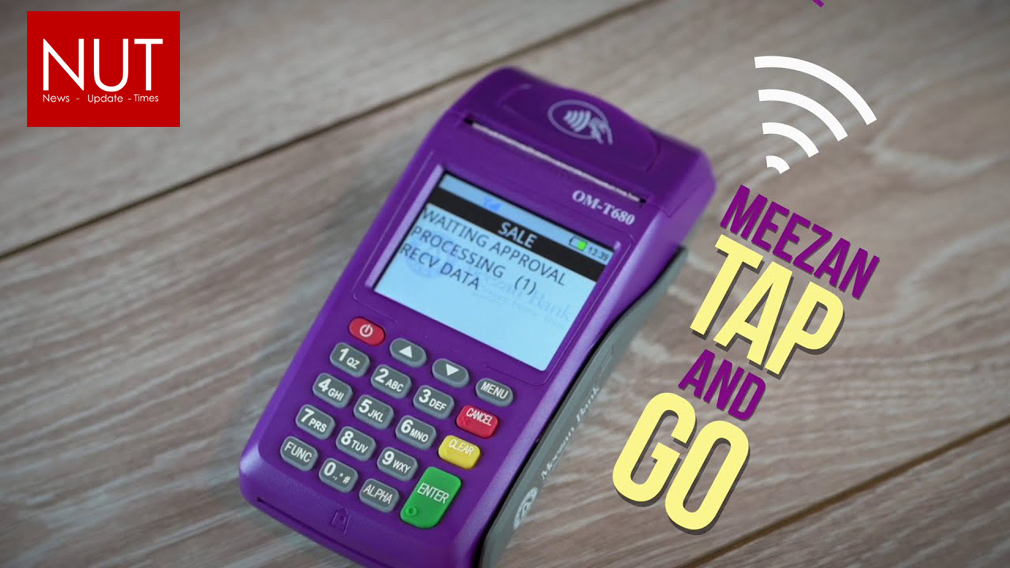
Karachi (Muhammad Yasir) Meezan Bank, Pakistan’s first and largest Islamic bank, has recently introduced mobile-based contactless payment service for its customers through its Mobile Banking App. Based on the Near Field Communications (NFC) technology, the service, named – ‘Meezan Mobile Tap & Go’ enables customers to pay by simply tapping their NFC enabled Android smartphones at POS (Point of Sale) machines of merchant outlets with NFC capability.

Mobile based contactless payments are among the most secure modes of payments available today since they use the tokenization technology because of which the Card number is not revealed at the time of making the payment. Additionally, the payment requires the phone to be unlocked at the POS machine (card payment machine), which is just like entering the PIN when paying through a physical card.

In addition to being completely secure, Mobile based contactless payments are also the fastest payment method compared to any other payment method available today. Customers can create digital versions of their physical debit cards via the Meezan Mobile App and then tap the phone to make payments using the NFC feature of their smartphone, without the need to carry their physical card for payments

“Meezan Bank is the pioneer in introducing contactless cards in Pakistan. With Meezan Tap & Go initiative, Meezan Bank has further strengthened its position as the dominant player in digital payments. We always bring the latest global innovations to our customers to improve their payments experience. Moreover, due to COVID-19, contactless payments have become all the more important and we encourage our customers to use payment methods that are safe and secure,” said Shariq Mubeen – Head Alternate Distribution Channels, Meezan Bank.