Finance professionals should take lead on public sector

Finance professionals should take lead on public sector risk management in era of great challenges.

Survey reveals public sector top risk challenges and failure to use finance professionals’ risk skills.

 Lahore (Muhammad Yasir) Top risks facing public sector organisations are financial challenges and an inability to meet changing demands and expectations of the public for services. A global survey of finance professionals and others working in the public sector showed a key part of the global economy wrestling with significant risks, while not always having the tools to cope.

The research, drawing on responses from those working in a range of roles across the public sector – finance, risk, audit and service delivery – found that, for their own organisations, they were worried about funding for public services and the ability to meet the evolving demands of delivering services, as well as finding the people with the right talent and skills.

In ACCA’s survey the following five risks were highlighted as the most significant risks facing respondents’ organisations (percentage figures represent the proportion of respondents identifying the risk as one of their ‘top three’).

  • Financial challenges – 49%
  • Meeting changing demands and expectations for services – 35%
  • Talent and skills deficit – 35%
  • Poor organisational culture – 28%
  • Ineffective leadership – 26%.

In response to the challenges facing the public sector, ACCA’s new guide Calculated Risk makes the case for finance professionals taking a leading role in the risk management process. Despite the skills finance professionals possess, the survey showed that many public sector organisations are not making effective use of their capabilities in risk management. For example, only just over half of respondents (55%) who work in the finance function said they were regularly involved in identifying and reviewing relevant operational risks.

Mark Johnson, ACCA senior subject manager for the public sector, said: ‘Some public sector organisations are neglecting the valuable insight of staff working on the frontline. Identifying risk is a two-way process: organisations need to be made aware of any risks that are not already formally identified and those working in services are often in the best place to identify such risks. Using the knowledge and expertise of staff working in each part of an organisation to build up a profile of risk is critical for a comprehensive understanding of risk.’

In an era where the outlook for public finances is challenging the public sector needs to move away from business as usual if it is to successfully negotiate the significant risks it faces. The finance function is well-placed to recognise risks across the organisation and support leaders in addressing these risks. Ultimately resilience in organisation is built by developing skills and capabilities.  Public sector finance professionals who understand the threats and opportunities posed by risk can help build more resilient public services.
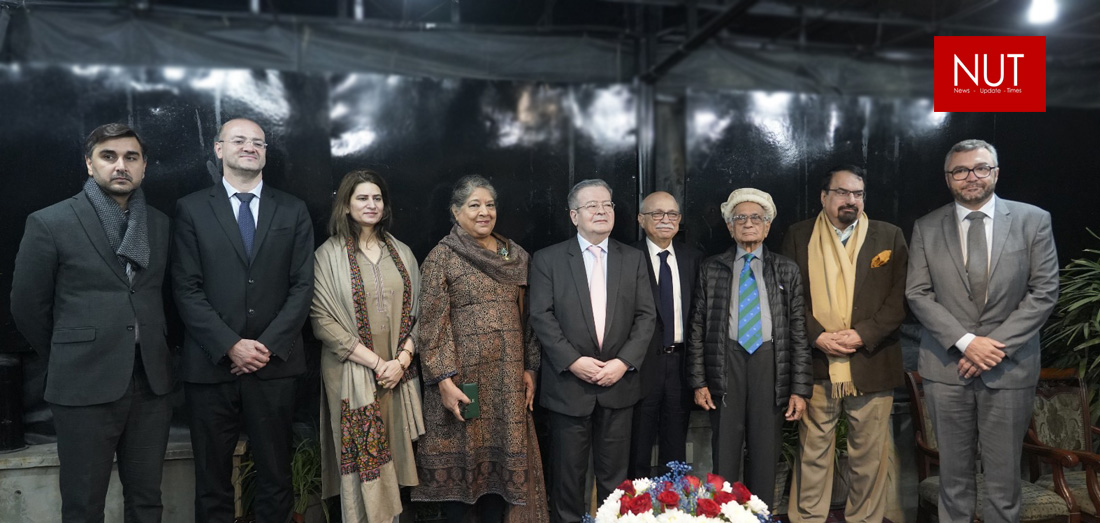
 

French Govt. honored Prof. Sajida Haider Vandal with another prestigious award.

Lahore (Qasim Ali)

Prof. Sajida Haider Vandal, former Vice Chancellor Institute for Art and Culture and Principal of National College of the Arts, currently CEO THAAP has been awarded with another prestigious medal “The Rank of Officer of the Order of Arts and Letters” by the French Government. This Award follows the earlier “Knight of Arts and Letters” which was conferred on Prof. Vandal in 2018. This decoration, which is one of the main distinctions of the ministerial orders of the French Republic, recognizes Prof. Vandal’s commitment to the Pakistani culture and bilateral cooperation between France and Pakistan.

The Ambassador of France to Pakistan His Excellency Mr. Nicolas Galey exclusively visited the THAAP secretariat to confer the coveted medal to Prof. Sajida Haider on Sunday evening. The ceremony was attended by prominent personalities from different walks of life. His Excellency the Ambassador Mr. Nicolas Galey states: Today, France wishes to pay tribute to your dedication as an architect, urbanist and educationist and to your contribution to the cultural life of the city of Lahore, as well as to your attachment to France and French culture.

Prof. Sajida Vandal was nominated by the French Embassy and Ambassador of France for this award. Established through the decree of May 2, 1957, the Order of Arts and Letters aims to recognize personalities who have distinguished themselves by their creation in the artistic or literary fields or by the contribution they have made to the influence of the Arts and Letters in France and around the world. Its purpose is the recognition of significant contributions to the arts, literature, or the propagation of these fields.

Prof. Sajida Vandal thanked the French government and ambassador H.E Mr. Nicolas Galey for the conferring the award. She vowed to continue her work for heritage preservation and to enhance bilateral cooperation between Pakistan and France.

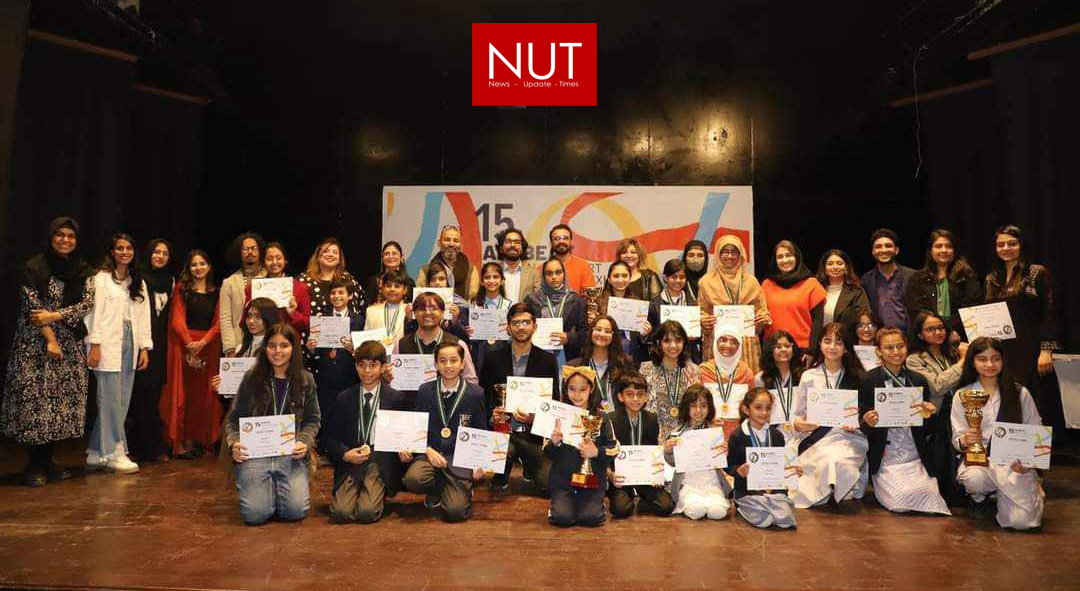
Celebrating Young Pakistani Artists 15th ArtBeat – National Child Art Exhibition and Awards Ceremony held in NCA.

Lahore (Qasim Ali)

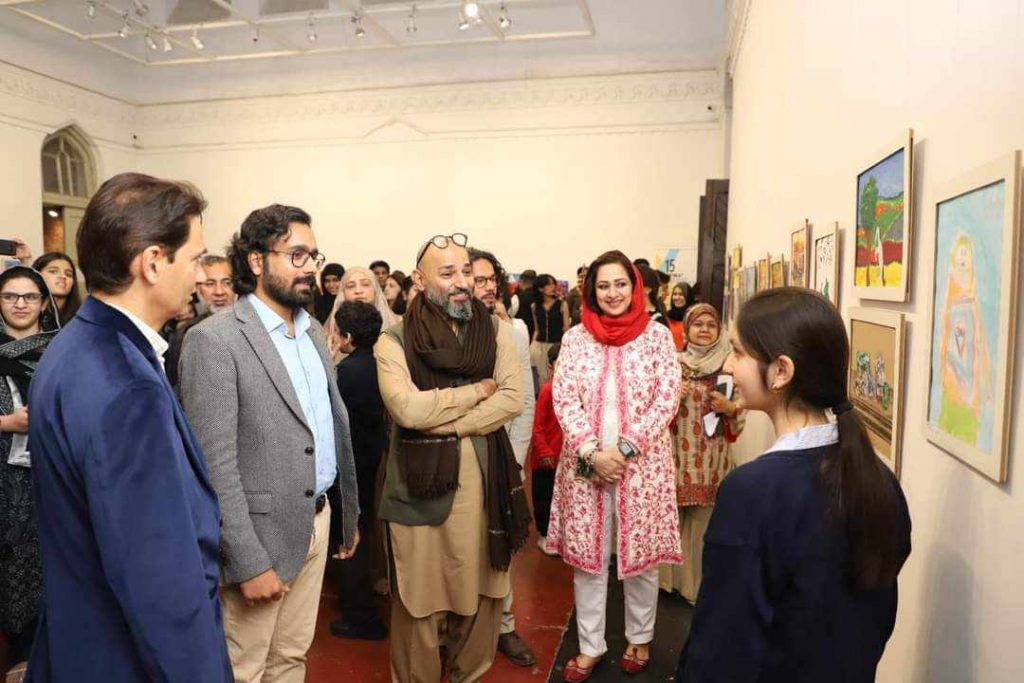
The National College of Arts (NCA) witnessed a jubilant celebration as the 15th ArtBeat Exhibition opened its doors, honoring the exceptional artistic achievements of children across Pakistan. The exhibition was opened by Prof. Sarwat Ali, Head of Studies, and Khalid Ibrahim, Head of Department of Architecture, National College of Arts (NCA) Lahore. Zamania Aslam Assistant professor Department of Art and Design, Comsats university, Mariam Hanif Visual Artist, Founder ArtSoch Gallery Lahore and Aun Raza Award winning french-pakistani photographer and visual story teller were guests of honor of award ceremony. A curated display of over 234 artworks on the themes of Autumn, Winter, Landscape, Colors and Abstract were showcased at the Zahoor Ul Akhlaq Gallery in NCA. This year, 234 schools and 45 community organizations from across Pakistan has participated in the 15th ArtBeat. This year themes were Autumn, Winter, Landscape, Colors and Abstract. The Jury of this year 15th ArtBeat consisted of Abdul Jabbar Gull (Sculptor and Artist, Karachi), Irfan Gul Dahri (Artist, Art Otaq/Numaish Gah, Lahore), Shireen Bano Rizvi (Department of Visual Arts, National College of Arts, Lahore), Ali Azmat (Artist, College of Art and Design, University of the Punjab), Sajjad Akram (Director, Nukta Studio, Islamabad; NCA Rawalpindi), Kiran Saleem (Visual Artist, Lahore; Department of Fine Arts, NCA Lahore), and Najia Azmat (Visual Artist, Lahore). Awards Distributed at the Ceremony; • 51 Cash Prize Winners across 5 age groups, showcasing their exceptional artistic prowess • Creative School Award and the Teacher’s Award of Excellence for Art Teachers, accompanied by Appreciation Certificates for Activity Coordinators • Embracing inclusivity by awarding 6 National Prizes to children with special needs, highlighting the platform’s dedication to honoring talent in diverse forms. • Tokens of encouragement included Gold, Silver, and Bronze Medals for young artists, each reflecting their dedication and unique expression. • The top three winners received Tablets alongside trophies, while other prizes encompassed cash rewards, medals, and trophies, commemorating outstanding achievements in the realm of art. Awais Shafique, Project Manager, added, ‘This project underscores the significance of cultivating artistry, allowing each stroke of a paintbrush or creative impulse to weave stories, evoke emotions, and ignite societal discourse.’ ArtBeat – National Child Art Competition and Exhibitions is in its 15th edition now. The project was initiated in 2012 with a vision to promote visual culture, understanding of issues among children and youth from their own perspective, celebrate children as artists and present children’s views as a point of discourse for adults and the community. In the past 12 years, nearly 120,000 children have participated as artists in ArtBeat. *The exhibition is a free event open to the public and there is no need for any passes.

AKU’s 12th International Conference Explores Transformative Nexus of Technology, Pedagogy, and Society

Karachi (Muhammad Yasir)

The Aga Khan University’s Institute for Educational Development (AKU-IED) concluded its 12th International Conference, unveiling a dynamic platform for dialogue on ‘Technology, Pedagogy, And Society: Critical Appreciation of The Present and Prospects for The Future.’

This 2 days milestone event coincided with the University’s 40th anniversary, symbolizing a longstanding commitment to academic excellence.

The conference, a melting pot of diverse perspectives, brings together thought leaders, policymakers, and practitioners to scrutinize the intersection of technology, pedagogy, and society.

Ms. Rana Hussain, Caretaker Minister for School Education, College Education, and Women Empowerment, Sindh, graced the Inaugural Session as the Chief Guest, emphasizing the imperative need to discuss technology’s societal impacts.

Keynote speakers, including Sean Michael Morris, Dr Asadul Islam and Dr. Shah Jamal Alam, illuminated the evolution of critical digital pedagogy and the essential role of formal reasoning in the age of AI dominance. The first day featured a vibrant panel discussion on ‘Implementing EdTech Reform,’ addressing evidence, policy, and delivery in education.

Day 2 unfolded at the Karimabad campus, witnessing more than 200 participants engaging in over 40 workshops on diverse topics such as Teaching in the Digital Era, Educational Robotics, and Fostering Equitable Learning Spaces. Dr. Nauman Naqvi’s Lightning Talk challenged conventional thinking, advocating for a transformative journey toward sustainable existence.

Dr. Maha Bali’s keynote on ‘Fostering Equitable Learning Spaces’ sparked crucial dialogue on reshaping educational practices for inclusivity. A dynamic panel discussion, ‘Practitioners’ Perspectives on Technology, Pedagogy, and Society,’ explored the pivotal role of pedagogies in leading EdTech reform, moderated by Azra Naseem.

The conference underscored the transformative potential in reshaping educational practices for inclusivity and empowerment. Discussions delved into revisiting traditional educational challenges, evaluating technology-supported instruction, addressing ethical concerns tied to emerging technologies, and assessing implications for workforce development.

The event highlighted the intricate connections between practice, research, and various implementation contexts, showcasing the importance of pedagogical leadership in navigating the complexities of technology in education.


AKU’s Climate Change, Health, and Environment: Opportunities for Change Conference Concludes on a High Note

Karachi (Muhammad Yasir)

The Aga Khan University, in partnership with the Institute for Global Health and Development at Aga Khan University (IGHD-AKU), Sustainable Solutions Development Network Pakistan (SDSN-PK), and the Aga Khan Development Network (AKDN), hosted an annual conference titled “Climate Change, Health, and Environment: Opportunities for Change”.

The event brought together visionaries and thought leaders from all over the world to serve as a shining example in the fields of environmental studies, health and climate change. Highlighting the significance of the conference, Dr Zulfiqar Bhutta, Director at IGHD-AKU said, “For young people in the world, particularly students, trainees, those who have decades to go still, this is probably the most important issue in global health as it relates to their future.”

Distinguished speakers and luminaries, including Dr Sanjay Wijesekera, Regional Director for UNICEF Regional Office for South Asia (ROSA), Dr Maureen Lichtveld, Dean, School of Public Health, University of Pittsburgh, USA, and Dr Jill Baumgartner from McGill University, Montreal, graced the event with their insights and expertise.

Dr Sanjay Wijesekera, in a thought-provoking keynote address, underscored the urgency of addressing climate change issues, stating, “By 2050, nearly 6 billion people are predicted to be directly affected by climate change, we must build a climate resilient and environmentally sustainable health system to protect children and their families against public health emergencies and health risks.”

Echoing his sentiments, Dr Jai Das, Assistant Director IGHD-AKU, said, “The impact of climate change on environmental degradation and human health is profound, and it has been recognized as an existential threat to humanity.” Participants engaged in insightful discussions, sharing innovative solutions and research findings that contribute to the evolving discourse on climate change, health, and environmental sustainability.

The exchange of knowledge and ideas promises to catalyze positive change and inform future initiatives in these crucial areas. Dr Sulaiman Shahubuddin, President of the Aga Khan University said, “Climate change is a problem like no other. It’s the proverbial problem that seems impossible to solve. This conference signifies our commitment to be at the forefront of addressing the pandemic of climate change. It underscores the pivotal role of academic and research institutions in forging sustainable solutions for our global community.

Together, we can pave the way for transformative solutions.” The conference at the Aga Khan University stands as a testament to the power of collective action and collaboration in confronting the most pressing issues of our time.

Beaconhouse Jubilee Campus holds event showcasing sustainable fashion talent of its students

Pakistan (Muhammad Yasir)

The Beanconhouse School System, Jubilee Campus in its pursuit to conserve the environment and promote a sustainable lifestyle held an event to showcase the creative fashion accomplishments of its students fully based on recyclable material. The event held at the Jubilee Campus of the Beaconhouse School System marked the launching of “The Green Raiment” the first-ever sustainable fashion brand launched by any school in Pakistan.

The event displayed 61 elegant dresses and over 100 chic accessories made of 100 per cent recyclable material. The recyclable products showcased the hard work of the Beaconhouse students that continued for almost a year.

All the products on display at the exhibition including souvenirs are made of recyclable material. “Our effort is aimed at making our students adopt a socially responsible and sustainable lifestyle as by producing all these products they have learnt that their fashion practices should be caring for the environment,” said the Beaconhouse Jubilee Campus Principal, Tabinda Raza on the occasion. “This activity would go a long way in helping our students learn about the importance of recycling and reuse of material for producing elegant fashion and lifestyle products for everyday use,” she said.

The event brought light to the harsh ramifications of fast fashion and helped perpetuate means to counter these hazardous consequences.

The prominent guests of the event included Uzma Munaf the CEO of Sana Safinaz, Huma Adnan the CEO of CraftStory FNKAsia, Amneh Sheikh the CEO and founder of Polly and Other Stories, Asiah Seemab the Head of the School of Fashion and Design at the Indus Valley of Arts and Architecture. They appreciated the keen interest shown by the Beaconhouse students in promoting sustainable fashion trends in the country. They said that students of other schools in the country should follow in the footsteps of Beaconhouse pupils who had practically demonstrated their creative and tailoring genius based on sustainable fashion.

The event officially commenced with an apt and well-narrated presentation which accentuated the harms of fast fashion and the crucial need for sustainable fashion’s growth and development. The whole event circled around the paramount magnitude of acquainting Pakistan with sustainable fashion.

The students who took part in the activity said that they had learnt from the event that sustainable fashion reduces environmental impact, improves social conditions, encourages mindful consumption, and supports local communities. “Beaconhouse Jubilee Campus believes that a change altruistic in nature, whether it is big or small is needed. It is needed to ameliorate the world. Sustainable Fashion is not a trend, it is a responsibility,” said the Principal.

The sustainable fashion products on display stood for conserving our environment, lives, and future, she added. This event was greatly successful in bringing attention towards sustainable fashion and in showing the world that sustainable clothes are equally stylish and sophisticated.

Harmony Amidst Disruption: Habib University hosts PHEC 2023

Pakistan (Muhammad Yasir)

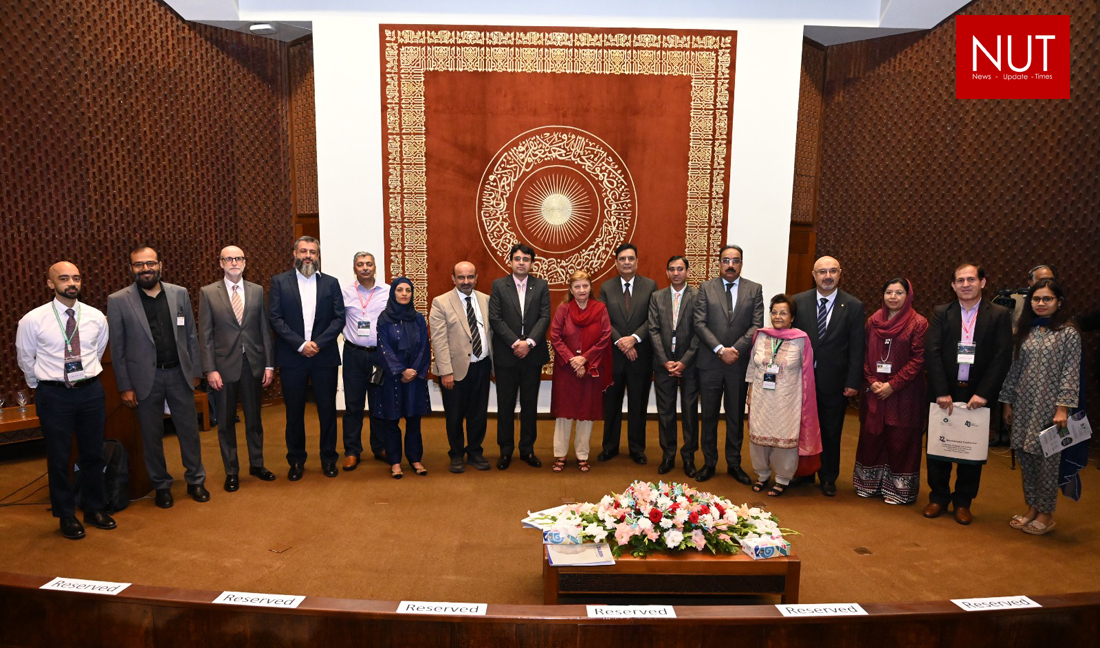
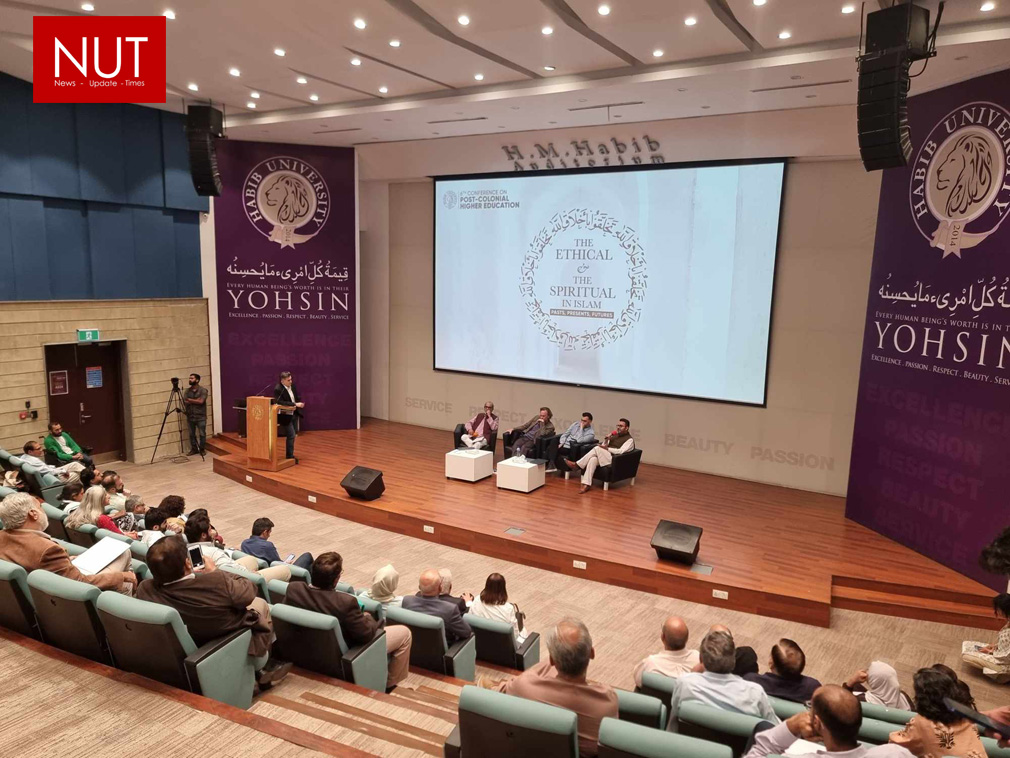
Habib University’s sixth annual Postcolonial Higher Education Conference (PHEC) kicked off on Friday under the central theme of “The Ethical and The Spiritual in Islam: Pasts, Presents, Futures”. The two-day event, renowned as a prominent platform for academic discourse, is dedicated to enriching scholarly conversations in a post-colonial context and strengthening global connections.

In line with Habib University’s tradition of fostering insightful discussions, this year’s PHEC aims to explore the essential conceptual and practical linkages between the ethical and spiritual dimensions in Islamic traditions. Distinguished scholars, thinkers, activists, and writers from around the world convened at the Habib University campus to share their work and reflect on the crisis, direction, and goals of higher education and culture in the present context.

In his introductory comments, Conference Chair, Associate Professor of Comparative Humanities at Habib University, Dr. Nauman Naqvi said, “One of the most important objectives of PHEC is to make reparations. It is imperative to enact post-colonial education within society so that we may recover and grow out of the fractures created by a colonial mindset.”

In the face of accelerated modern processes causing diremption, fragmentation, and deformation of integrated dimensions of life, the conference addressed the increasingly alarming disintegration and distortion of linkages between “religion,” “ethics,” and “spirituality”. Recognizing these as modern categories, the conference sought to illuminate the consequences of global delinking and malformation of these integrated dimensions for thoughtful self-cultivation, impacting well-being, individually and collectively, across traditions and forms of life.

In her keynote address, Dr. Shenila Khoja-Moolji, Associate Professor of Muslim Societies at Georgetown University, explored how South Asian communal knowledge, including religion, underwent transformation due to colonial intrusion, leading to compromises in the virtue, intensity, and respect that are characteristics of Islam. Despite these challenges, highlighted Dr. Khoja-Moolji, elements of beauty within our religion, and within ordinary ethics practiced by South Asian communities, continue to persist and are evident in everyday practices such as the concept of ‘khidmat,’ emphasizing good deeds as a form of prayer, and ‘mehmaan nawazi,’ the honor bestowed upon guests by hosts.

The conference keynote was followed by a panel discussion titled “Spiritual Ethics Inside and Outside” featuring Ahab Bdaiwi, Assistant Professor of Islamic Thought and History at Leiden University, Alexander Key, Associate Professor of Comparative Literature at Stanford University, and Sajjad Rizvi, Professor of Islamic Intellectual History and Islamic Studies at the University of Exeter. “We believe that thoughtful self-cultivation is crucial for individual and collective well-being, and the disintegration of linkages between “religion,” “ethics,”: and “spirituality” poses significant challenges,” underscored Professor Nauman Naqvi. “Through PHEC, we aim to contribute to repairing these linkages, particularly within the Islamic context, and envisioning a future where ethical and spiritual dimensions are integral to higher education and cultural discourse.”

Marking a Milestone: Two Pakistani Rhodes Scholars Selected for Class of 2024

Karachi (Muhammad Yasir)

Two exceptional students from Lahore, Asmer Safi and Iman Iftikhar, have won the prestigious Rhodes Scholarships for Pakistan this year. This year marks the Rhodes Scholarship’s 75th anniversary in Pakistan.

The Rhodes Scholarship is the world’s preeminent and oldest graduate fellowship, based at the University of Oxford since 1903. The Scholarships for Pakistan began in 1949.

The Scholars will head to Oxford University in October 2024 to join a cohort of 105 Scholars hailing from around the world to undertake fully funded post-graduate studies and become part of a strong community of people determined to make a positive difference in the world.

Students from anywhere in the world can apply for a Rhodes Scholarship and many find that taking part in our rigorous selection is a profoundly positive experience which leaves them well placed to go on to a Rhodes Scholarship or other opportunities worldwide.

The Rhodes Trust selection process aims to choose young people with proven academic excellence who also show exceptional character, leadership, the energy to use their talents to the full and a commitment to solving humanity’s challenges.

The selection process includes a rigorous review process before the finalists interview with a selection committee composed of renowned experts and leaders in diverse fields.

The 75th anniversary of Rhodes Scholarship in Pakistan marks a significant milestone for the programme and all future Pakistani candidates. It represents the Rhodes Trust’s commitment to continue nurturing talented students from Pakistan and ensuring that Pakistani is represented in the global community.  

Rhodes Scholars form a lifelong community of people in many fields and careers, united by a commitment to having a positive impact on the world. Scholars from Pakistan have gone on to pursue careers ranging from entrepreneurship to politics.

This year’s winners continue the fantastic legacy of Scholarship and excellence.

Global role for Pakistan finance leader

Lahore (Muhammad Yasir)

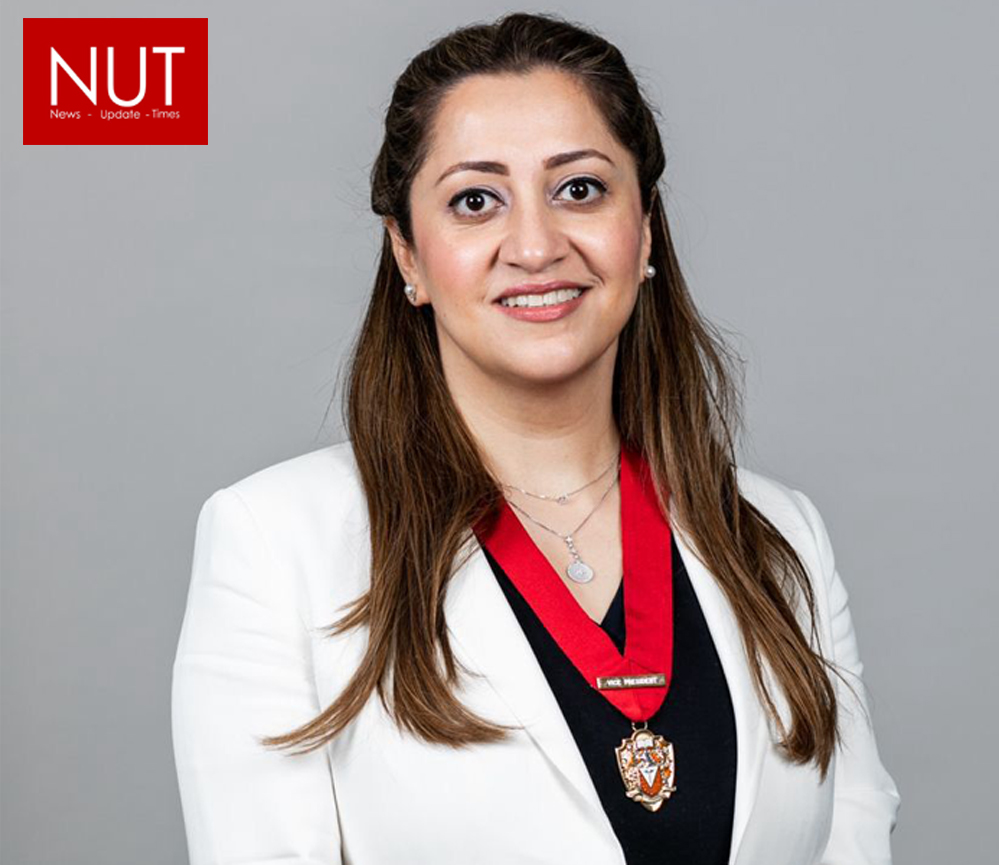
Ayla Majid elected deputy president of ACCA.A woman from Pakistan has been elected deputy president of the world’s leading professional accountancy body.

Ayla Majid, who is based in Islamabad, is now the second-highest ranked officer at ACCA, (Association of Chartered Certified Accountants), which has more than three-quarters-of-a-million members and students in 191 countries.

Majid said: ‘I couldn’t be prouder. ‘I will do all in my power to carry on the aim of opening more and more doors to chances in life to more and more people everywhere. 

‘It is also very satisfying to take on this role as a Pakistani woman. It shows that women from emerging and developing world are ready to contribute and seize opportunities, not only at the national level but also on the global stage. Role of women in key governance positions is also extremely important for diversity and strength of organizations – something which truly global organizations have acknowledged and embraced.’

Majid was first elected to ACCA’s global governing Council in 2014. She has 22 years of experience in transaction advisory, mergers & acquisitions, and project development across energy and infrastructure. She has 14 years of board leadership experience including chairing boards as an independent director on boards in energy, pharmaceutical and not-for-profit sectors.

Majid has been a member of the Global Future Council of Energy Transition of the World Economic Forum and a Young Global Leader of the World Economic Forum.

She is now CEO of Planetive, which she founded in 2020, a consulting and project development practice which promotes sustainable finance, decarbonization and energy transition, with organizations across the world, with particular focus in the Middle East and Pakistan.

The new president of ACCA is Ronnie Patton, a retired accountancy lecturer from Northern Ireland.

Aga Khan University’s Dr Zulfiqar Ahmed Bhutta and Dr Jai Das, named among the World’s Top 0.1% Highly Cited Researchers in 2023

Karachi (Muhammad Yasir)

Aga Khan University proudly celebrates the remarkable recognition of Dr Zulfiqar A Bhutta, Founding Director of Institute for Global Health and Development (IGHD), and Dr Jai K. Das, Assistant Director of IGHD and Assistant Professor of Paediatrics and Child Health, in the prestigious Highly Cited Researchers 2023 list by Clarivate. Drs Zulfiqar A Bhutta and Jai Das were recognized in the fields of Clinical Medicine and Cross Field Scholarship respectively. This distinguished acknowledgment stands as a testament to their longstanding partnership, contributions and influence in the global scientific community.

The Highly Cited Researchers list, an annual tribute by Clarivate, highlights the extraordinary impact of trailblazing scientists globally. Among the 6,849 individuals honoured this year, Dr Zulfiqar A Bhutta and Dr Jai Das have secured their place in the top 0.1% of researchers worldwide. The selection process involved a meticulous evaluation of 188,500 Highly Cited Papers, published from 2012 to 2022 in esteemed journals indexed in the Science Citation Index Expanded and Social Sciences Citation Index, ensuring recognition of the most influential and impactful researchers.

Dr Jai Das, with exceptional leadership and academic prowess, receives acknowledgment in the ‘Cross-Field,’ signifying his multifaceted impact across various domains of research. His extensive involvement in diverse research domains, and spanning community trials, population-based surveys, qualitative and mixed-methods research, and evidence-based systematic reviews, has resulted in over 200 international peer-reviewed papers with an impressive H-Index of over 70.

Both have focused on utilizing evidence in policy and programs, estimating disease burden, assessing intervention effectiveness, and strengthening research capacity in public health. They have been actively involved in guideline committees and working groups for WHO and influenced multiple policies both nationally and internationally.

Dr. Sulaiman Shahabuddin, President of Aga Khan University, commented, “The inclusion of Drs. Zulfiqar Bhutta and Jai Das in the Highly Cited Researchers 2023 list reflects their extraordinary contributions, placing them in the upper echelons of global researchers. This recognition also underscores IGHD’s unwavering commitment to driving impactful research in the field of global health.”

Clarivate is a leading global information services provider connecting people and organizations to intelligence they can trust to transform perspectives, work, and the world. Their subscription and technology-based solutions cover the areas of Academia and Government, Life Sciences and Healthcare, and Intellectual Property.