First Zaha Hadid-designed smart school to be set up in Islamabad

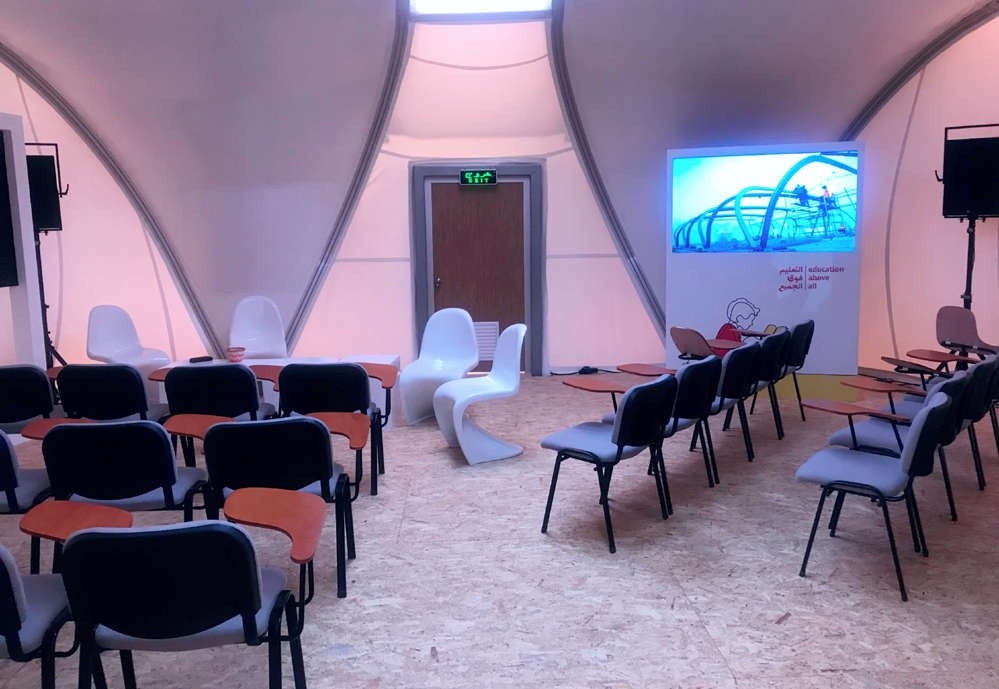
The first of its kind smart school structure designed by the world-renowned architect Ms. Zaha Hadid (the late) will be set up in Islamabad to provide free education and life skills to out-of-school children. The structure is gifted to Pakistan by Education Above All (EAA), a Doha-based foundation, which in collaboration with Alight Pakistan is funding the largest primary education initiative in the country aimed at educating one million children.

As a giant leap to revolutionize the educational infrastructure, Alight Pakistan and Future Development Holdings have collaborated to showcase the first innovative and energy-efficient school structure in the Capital Smart City on a land designated as “Community Development Hub.” Besides the establishment of school which embodies the legendary architect’s signature design, the Community Development Hub will include a community clinic, a skill development & job placement centre and a playground.

On the occasion of agreement signing ceremony between Alight Pakistan and FDH at the latter’s office Thursday here, Mr. Zahid Rafiq, Group Chairman of FDH, said that this venture is aimed at ensuring that marginalized groups of society could also avail of the benefits of the modern amenities of life. “This partnership will be an effort to uplift and dignify children through providing quality learning free of cost,” he added.

Pakistan ranks second in the world where 22 million children do not attend the school due to one reason or the other, which makes about 10% of the total population of the country. “The best way to confront this gigantic challenge is to devise solutions through aligning synergies among public, private and philanthropic sectors” says Dr. Tariq H. Cheema, Country Representative of Alight Pakistan.
Proposals to strengthen the international audit and ethics standard-setting process welcomed by ACCA

Robust global auditing and ethical standards are essential for business, investor and public trust, says ACCA (the Association of Chartered Certified Accountants) following publication of the Monitoring Group’s paper explaining the way ahead.

Speaking about the Monitoring Group’s recommendations, Maggie McGhee, executive director – governance at ACCA says:

‘This is a much-anticipated announcement following an extensive consultation, and it presents a positive development for the future. Their advice brings certainty to the various standard setting Boards responsible for this important work, and it also provides clarity about the future roles of the Public Interest Oversight Board (PIOB), and the International Federation of Accountants.

‘These recommendations will reinforce stakeholder confidence in a technical and expert global system that defines accountancy standards and ethics, with the aim of instilling trust in business and the public sector.’

The enhancements defined in the Monitoring Group’s paper maintain many of the strengths of the existing system, but ACCA believes that the new arrangements should further improve the independence of the International Audit and Assurance Standards Board (IAASB) and the International Ethics Standards Board for Accountants (IESBA), with recommendations also further clarifying the roles between them and the PIOB. The recommendations will also importantly maintain these Boards’ technical experience and expertise.

Maggie McGhee concludes:

‘The timeline for planning and moving to the new implementation needs to be considered with all parties working as quickly as possible to full implementation to avoid uncertainty. However, we recognise this project needs to be handled carefully in the current economic climate due to Covid-19. We look forward to being part of this necessary change.’

Honor for Dynamic young women for extra ordinary determination and resilience

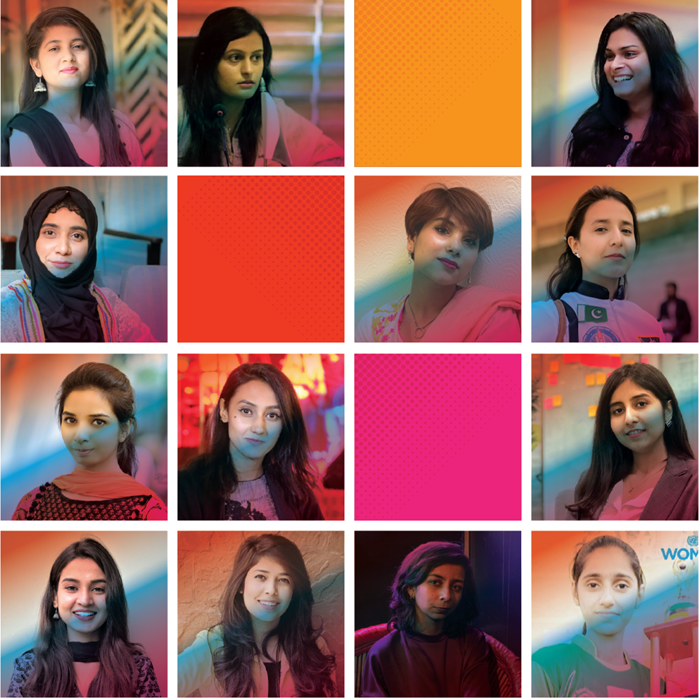
Lahore (Muhammad Yasir) Young women in Pakistan are doing exceptional, ground breaking work which deserves all the recognition and acknowledgement. Despite momentous challenges, they are courageously fighting to create an impact in their lives and society and The Little Art have come forward to celebrate their success and extra ordinary determination with significant 25 Under 25 Award.
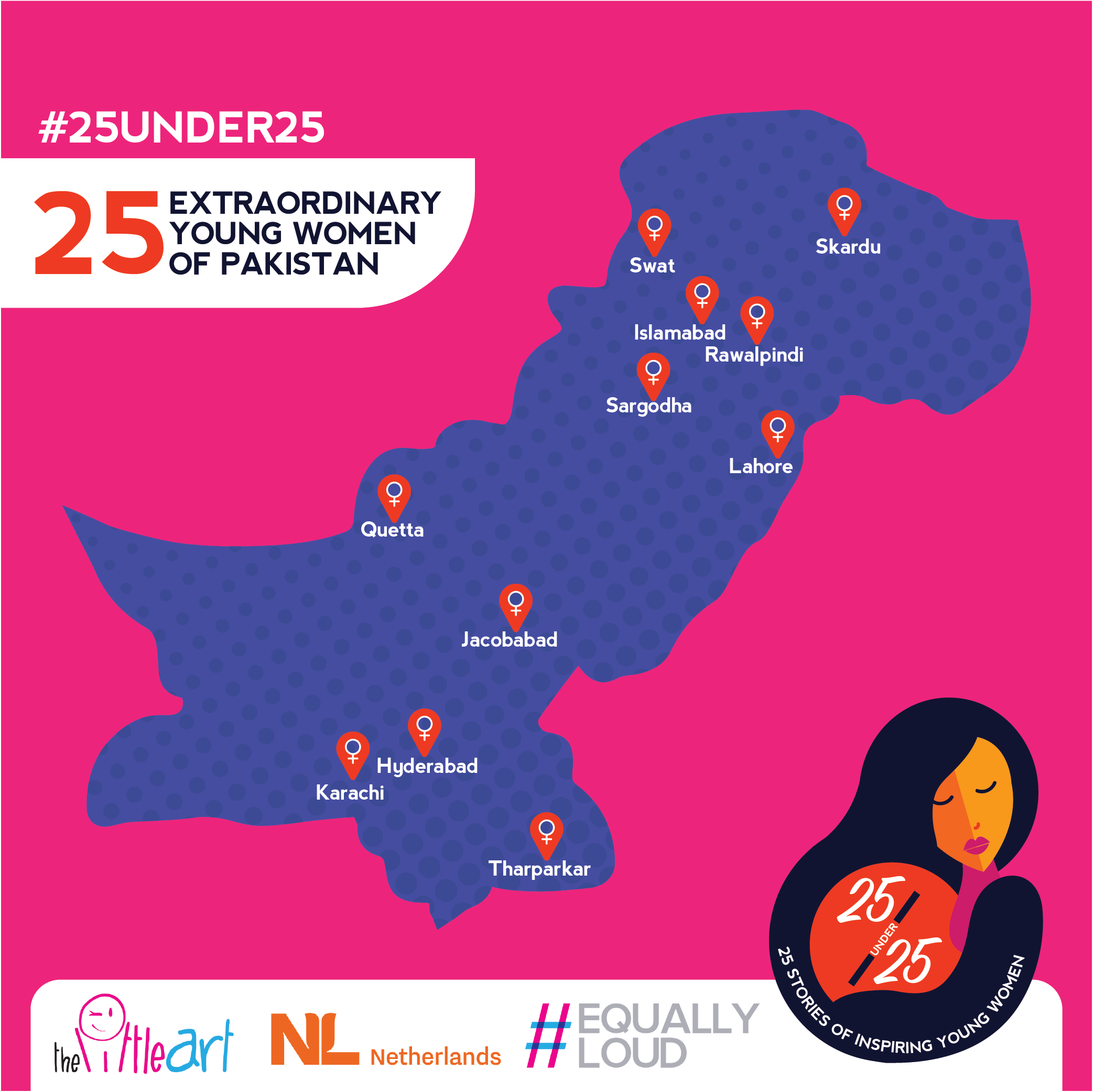
25 Under 25 Award is an initiative to recognize 25 exceptional young women under the age of 25 who have inspirational stories of determination, passion and resilience to encourage and inspire young girls with role models they can look up to in Pakistan.  
Director / Founder, The Little Art Shoiab Iqbal while sharing the vision behind this honor told that 25 under 25 emerged when we set out to find stories of young women that we can share as role model with school children. We were astonished by the response on our call from all across Pakistan. These selected young women are enterprising, showcase leadership has passion for change and are empathy and resilience. We Hope that through this program giving them the right exposure and mentoring support will enable them to achieve and excel more in their lives.
He added that Young women from all over the country applied and were nominated for the award. The final 25 were shortlisted on the basis of their work, drive, and passion they had to continue doing it and giving back to the society, their struggle and support of family and community. 
These 25 young women represent the geographic and cultural diversity of Pakistan and bring assorted experiences and determination to contribute towards positive social, environmental, and cultural impact in Pakistan. The 25 under 25 award entails these young women getting a story published in the official 25 under 25 book which will later be exhibited all over Pakistan. Also, these 25 women will be presented the award in high profile public event scheduled to take place in September 2020. Furthermore, as selected by the jury, from total 25, the best 5 stories will have 5 short films made on them as well. A brief overview of winners of the prestigious award is given below.
Yumna Majeed is a space educator and founder of Exploration – a space education-based social enterprise in Lahore. She cherishes the vision of making astronomy accessible to the students and public of Pakistan, along with empowering young girls in STEM fields.She also works with the Space for Art Foundation, created by Astronaut Nicole Stott, which helped her send artworks created by Pakistani children into space. 
Aradhiya Khan is a 21-year old Pakistani trans woman activist, blogger and community mobilizer from Karachi. She has dedicated the past four years of her life towards promoting transgender equality, human rights and social justice. In October 2019, she was selected as the youngest transgender participant of the United States (US) State Department-funded International Visitor Leadership Program (IVLP). In 2020, Aradhiya won Mohtarma Fatima Jinnah & Benazir Bhutto Award by Sindh Commission for the Status of Women.
Hailing from Jacobabad, Anjili Jewraj’s father was not in the favour of her pursuing her studies because of various fears however, with persistence and strong determination, she managed to get admission in a bachelor’s program at Sukkur IBA University on full scholarship. Anjili went on to become an alumnus of Harvard Crossroads Emerging Leader’s Program in Dubai in 2017 as well as alumni of Study of United States Institutes 2019 program on comparative public policy at University of Massachusetts, USA. 
Saira Zahid is the only cyclist from Skardu who made it to the HEC Women Cycling Championship and secured a gold medal. As a child, Saira would dress up as a boy, just so she could go out without the fear of being stopped.Her work focuses on building interfaith harmony and inclusion by bridging the gap between different communities. Saira has recently completed her training on ‘investigative journalism and digital security’ from Jakarta, Indonesia.She is also passionate about animal and human rights and documents their issues and struggles under her social media accounts.
Iqra studied architecture from BUITEMS, Quetta. As a part of Global UGRAD Exchange Program, she designed a public square for Volga City in USA which was sited in 2017. Iqra was also recognized in annual Summit of American Institute of Architects. She was awarded Best Achiever’s Award on International Women’s Day by Governor of Balochistan and an honourable mention by US Embassy in Pakistan and International Research and Exchanges Board.
Raheen Fatima from Islamabad is the youngest professional female stand-up comedian of Pakistan. At just age 12, she has already performed at Pakistan National Council of Arts (PNCA). Raheen is also a theatre actress and has performed at Children’s Literature Festival, on themes related to underage marriages, child abuse, gender equality and child rights.
Hani Baloch from Karachi is a social activist and works as a trainer for the physical and mental health of girls, especially targeting menstrual hygiene. She has written a book on women’s health issues in Balochi language to create awareness about fistula, postpartum and post-coitus bleeding. She also acts as a vice-chairperson at Jafa Girls Sports Academy, Lyari and is working to strengthen and empower girls of her region.

Embracing digital is key to transforming work experience for accountants

New ways of working will accelerate a move towards digitisation and promote careers that are intellectually stretching and driven by a renewed sense of purpose.

Future work for accountancy and finance professionals is set transform for the better through an increase in the adoption of digital technologies, according to Meaningful work for the digital professional, a report by ACCA (the Association of Chartered Certified Accountants) and EY based on a global survey of 4,281 respondents and 55 interviews between April and May 2020.

Respondents to the survey were benchmarked against a group of survey respondents termed ‘Leaders’, who scored highly across a range of categories including the use and adoption of technology in the workplace. These Leaders typically worked at organisations that outperformed in adjusting their delivery model during the pandemic, with 95% saying their organisations were well prepared for using technology against a global average of 74%.

Overall, the report shows that there is room to increase levels of digital adoption. Globally, community technologies (55%) such as social media and messaging saw the highest adoption rates followed by ‘Next-generation’ computing (eg Cloud, Serverless, Edge) at 36% and data technologies (eg big data, analytics, visualisation) at 30%. The largest gap in adoption rates between leaders and the rest of respondents was within the data technologies category. Looking ahead to the next decade, respondents expect engagement with digital and technology to approach 90%. 

Perhaps surprisingly, the report also found that less experienced professionals, who might be expected to be more digitally savvy, found the transition to remote working as a result of COVID-19 more difficult than experienced employees. This may reflect factors like a lack of appropriate workspace where they live, or a greater need for guidance in their work.

Report author Narayanan Vaidyanathan says: ‘While a fast-evolving and automating world presents challenges, for those willing to engage there are wins to be had.

‘The digital landscape presents significant opportunities for accountancy and finance professionals to achieve meaningful work experiences – ones that are driven by purpose and which afford the potential to stretch oneself in new and fulfilling ways.’

Two big differentiators of the Leader group were that their organisations had conducted employee skills mapping to identify gaps and had tried to understand if employees found their work fulfilling. These are both critical components for creating meaningful work experiences.

Ruchi Bhowmik, Global Vice Chair – Public Policy at EY said: ‘Embracing new technology will help ease many of the pressures on today’s accountancy and finance professionals from increasingly complex, but routine tasks, issues and bring a new sense of purpose to their roles. At EY, our professionals are already leveraging technology and analysing data in a way that helps elevate their daily work, build essential skills, and lead to rich and meaningful careers.’

Helen Brand OBE, chief executive of ACCA, said: ‘Satisfaction in work is a fundamental building block of a happy and successful life. For accountancy and finance professionals, digital tools offer new possibilities for meaningful work that will outlast the economic challenges posed by the global pandemic.’

 Meaningful work for the digital professional can be found here:

https://www.accaglobal.com/gb/en/professional-insights/technology/Meaningful_Work_Digital_Professional.html

IBA Karachi and Bank Alfalah Islamic launch scholarship fund

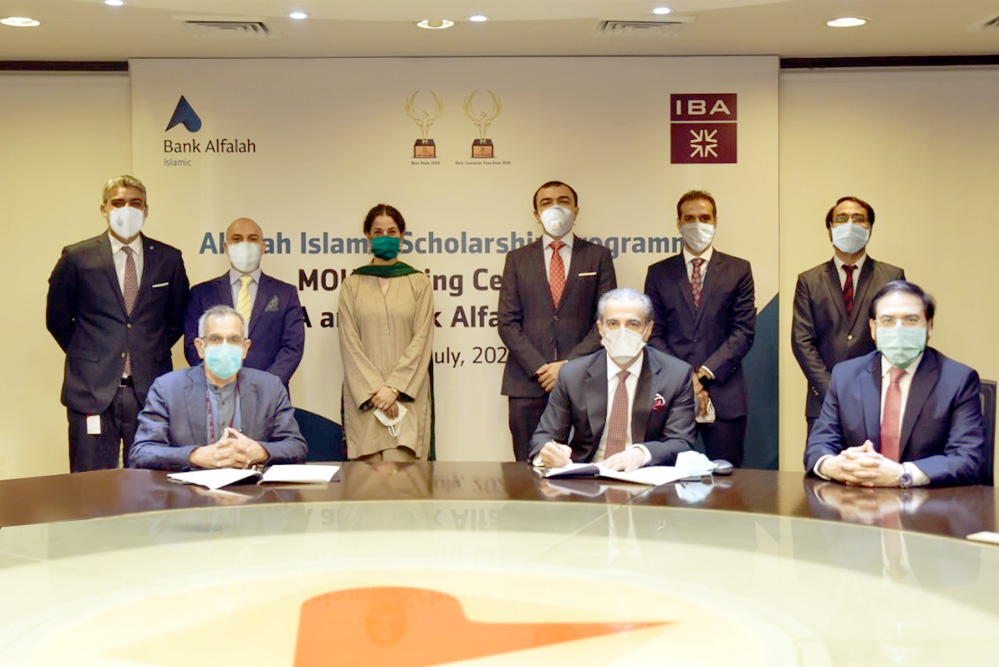
Lahore (Muhammad Yasir)  The Institute of Business Administration (IBA), Karachi and Bank Alfalah Islamic have announced the Alfalah Islamic Scholarship Program to provide financial assistance for five fresh undergraduate students for their entire first year. The MoU for this initiative was signed by CEO and President of Bank Alfalah Mr. Atif Bajwa and Executive Director IBA Dr. S Akbar Zaidi at a ceremony held at the Bank Alfalah Head Office. 

 Under this agreement, Bank Alfalah Islamic will be contributing PKR 850,000 each for a total of PKR 4.25 million to seed the fund to support students on the basis of academic excellence, personal circumstances or economic hardship. The scholarships will be awarded on a case-by-case basis, and funding can cover complete educational expenses such as admission, tuition, hostel and books to support deserving students in furthering their education.

Commenting on the partnership Mr. Bajwa said, “The launch of the Alfalah Islamic Scholarship Program not only reaffirms Bank Alfalah’s commitment of giving back to the society, but it is also in line with our vision of building a future for Pakistan where our youth has access to quality education. At this time when many families are struggling financially, we have launched this initiative to allow bright, young talent to pursue their education without any obstacles. We believe supporting these students goes beyond investing in their individual futures. Their success is the country’s success, and we want to do all that we can to help them. We couldn’t have had a better partner than the IBA Karachi for this.”

“We are grateful to Bank Alfalah Islamic for extending their support for students from our upcoming classes. Their generosity will help students and their families in this time of unprecedented crisis by enabling the gift of higher education and their better future, which represents an investment in a better future for all of Pakistan.” said Dr. Zaidi.

UNESCO Futures of Education – The Role of Technology in Education

Global leaders emphasize need for conversations on reimagining the future of education and safer, more balanced futures

Lahore (Muhammad Yasir) Day three of the first, fully virtual Beaconhouse School of Tomorrow Conference: A World of Tomorrow: Negotiating a Better Future concluded the conference with all 22 sessions resonating with global audiences over the weekend. A key highlight of day one of the conference was the recognition of the Pakistan government’s comprehensive response to COVID-19 by Director General of the World Health Organization, Dr Tedros Adhanom Ghebreyesus. On day two, Mr Andreas Schleicher, Head of the OECD Directorate of Education & Skills joined for a discussion with Mr Kasim Kasuri, CEO of Beaconhouse on PISA assessment and the future of Education and Learning.

The third day of the conference continued with an insightful discussion on the hope that emerging learning could offer to the world’s 258 million out-of-school children.  This panel discussion featured Stephanie Dobrowolski, co-founder, Rising Academy Network, Africa, Mosharraf Zaidi, leading public policy analyst, Professor Tahir Andrabi, economist &educational leader, and Henry Warren, a specialist in disruptive digital businesses as the moderator.

A highlight of the day was the conversation on reimagining the future of learning, 

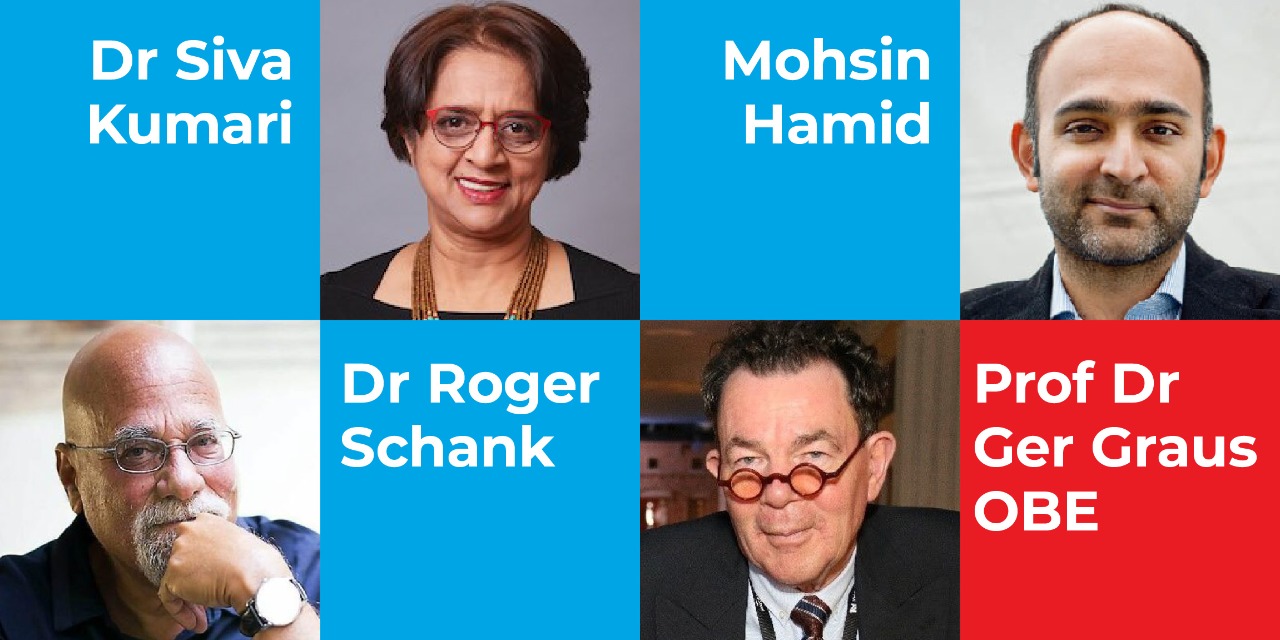
moderated by Nassir Kasuri, Executive Director, Beaconhouse, with the featured speakers Dr Roger Schank, AI Researcher & CEO, Socratic Arts, Suzie Boss, iconic US learning advocate & PBLWorks Faculty, Dr Siva Kumari, Director General, International Baccalaureate, and Professor Dr Ger Graus OBE, Global Director of Education, KidZania.

Sessions ran concurrently on topics such as supporting vulnerable & SEN learners during school closures with Professor Maggie Atkinson, former Children’s Commissioner for England, award-winning novelist, Mohsin Hamid, inclusion expert, LaCheyna Sparrow-Adebiyi, and founder ‘Cities for Children’ Madeeha Ansari amongst others, along with a seminar on the International Baccalaureate’s ATL philosophy with Lance King. Transformative values and competencies were explored with Dr Tristian Stobie, Director Curriculum CAIE, Cynthia Guyer, Executive Director, Global Dignity, Dr Umar Saif, technology advisor, and Vikas Pota, education leader & creator of Global Teacher Prize.

Professor Stephan Lewandowsky, cognitive scientist, Munizae Jahangir, journalist, and Lara Rathod, creator/host, Red Sofa Conversations, discussed the ‘Info-demic’ in an attempt to sift fact from fiction, along with Oscar-winning film producer & member, House of Lords, UK, Lord David Puttnam CBE.

The School of Tomorrow conference seeks to understand how Covid-19 is shaping important global conversations about safer and more balanced futures, as well as pushing educators to reimagine the future of education at both school and university levels.

The conference updates are made available on its website (www.sotevents.com) and the social media platforms Facebook and YouTube (Sot Events).

SOT Events are made possible by the generous support of corporate sponsors. The organisers acknowledge the support of United Bank Limited as the Lead Sponsor for SOT Edition XI.

The non-profit School of Tomorrow Event Series was launched in 2000 and is organised by Beaconhouse as part of its ongoing commitment to its social responsibility.

IBA Karachi replaces its Admission Tests with Alternative Assessment Criteria

Lahore (Muhammad Yasir) The IBA Karachi has decided to replace all its scheduled admission tests for undergraduate, graduate and postgraduate programs with Alternative Assessment Criteria due to the spread of Covid-19.

Admission tests scheduled for July 19 and July 26, 2020 for MBA Executive, all MS & PhD Programs, BS Computer Science, BS Economics & Mathematics and MS Data Science programs will not take place. Candidates will be shortlisted for interviews based on the criteria outlined by the Admissions Committee.

Announcing these policy changes, Executive Director IBA Dr. S Akbar Zaidi said that the IBA Karachi has successfully adapted to the challenges posed by Covid-19 pandemic by swiftly shifting to online classes and replacing on-campus admission tests with Alternative Assessment Criteria. He further said that this timely and proactive approach has helped us mitigate the detrimental effects of Covid-19 on the academic future of our existing and prospective students.

PepsiCo announces ‘Roshan Kal’- a Virtual Internship Program for 300 university graduates across Pakistan

Lahore (Muhammad Yasir)  PepsiCo Pakistan has announced a virtual internship program for 300 graduates of the PepsiCo-Amal Youth program. The ‘Roshan Kal’ internship aims to provide experiential learning, industry exposure and an insider perspective to young university graduates. It is significant to note that 50 percent of the participants in the program will be women. 

 ‘Roshan Kal’ virtual internship program will provide mentorship, guidance and a platform for the interns to put the life skills they have acquired, into action. The program is designed to be a digitalized interactive, engaging and immersive experience. It will focus on bringing out the interns’ creativity, innovation and agility; skills that will give them a competitive advantage in the ever-changing world, both professionally and personally. The assignments will be research-based projects varying from topics such as analyzing consumer buying trends, technology solutions for the new normal and learning about organization culture and processes.

Mr. Furqan Ahmed Syed, CEO PepsiCo Pakistan and Afghanistan commented, “Supporting Pakistan’s youth is part of our “Winning with Purpose” agenda and reflects PepsiCo’s ambition to win sustainably in the marketplace and embed purpose into all aspects of our business. The Roshan Kal Virtual internship program is a continuation of our commitment to youth in alignment with the Pakistan government’s ‘Kamyab Jawan Program’. This year we expanded our internship program for hundreds of young Pakistani graduates in order to provide them with a virtual working experience.”

Pakistan’s growing youth population is actively seeking employment opportunities. Despite technical expertise, the key workplace barrier to entry is the professional skills gap. PepsiCo has partnered with Amal Academy to fill this gap by providing professional skills to university graduates so they can gain meaningful employability skills. The PepsiCo Amal Youth program was launched in 2019 as a pilot to train 1,000 students. In 2020, with PepsiCo’s support, Amal Academy has expanded to Sindh and Khyber Pakhtunkhwa, and aims to double the impact by training over 2,000 students by end of this year.

Tamakanat Saad a selected intern, based out of Faisalabad commented, “I am thrilled to have been selected for “Roshan Kal’. This virtual internship is a blessing in disguise, as my location doesn’t become a hindrance in benefiting from such an incredible opportunity. I am keen to make the most of this experience, to learn and grow and excited to see the doors that it will open for me.”

This investment in youth is part of PepsiCo’s broader social impact commitment in Pakistan following the recent announcement of its intention to invest Rs 775 million in social programs over the next 3 years. Investment in social impact is part of the company’s broader vision to be the global leader in convenient foods and beverages by Winning with Purpose.  One portion of the investment will support the government’s Kamyab Jawan program, by expanding its existing support for youth employment and skills development through the Amal-PepsiCo youth collaboration program.

School Of Tomorrow – The World`s Premier Schools & Societies Conference Launched

Director General, WHO recognises Pakistan’s response to COVID-19

Federal Minister Shafqat Mahmood & HE Omar Bin Sultan Al Olama of UAE, Minister for Artificial Intelligence amongst 60 international thought leaders

Lahore (Muhammad Yasir)  Beaconhouse launched its first fully virtual School of Tomorrow (SOT) Conference: A World of Tomorrow: Negotiating a Better Future with a special video message from the Director General of the World Health Organization, Dr Tedros Adhanom Ghebreyesus. “It’s an honour to join the opening session of the School of Tomorrow Conference. I want to recognise the Government of Pakistan for its comprehensive response to COVID-19,” Dr Ghebreyesus said, acknowledging Pakistan’s efforts in countering the pandemic and saying that the WHO is working closely with the Government of Pakistan.

The opening session of the conference, moderated by Beaconhouse CEO Kasim Kasuri, included Mr Andreas Schleicher, the OECD’s Director General for Education & Skills, Mr Shafqat Mahmood, Federal Minister of Education, Dr Mishal Khan, a leading epidemiologist from London School of Hygiene and Tropical Medicine, the UK’s leading public health institution, and The Baroness Mobarik CBE, member of the UK’s House of Lords.

Mr Shafqat Mahmood emphasized the importance of SOPs for students and faculty in evaluating school openings, which he suggested might take place on 15 September. He further addressed the issue of girls’ education and out of school children in Pakistan, suggesting that the same remote learning strategies that were being devised for Covid could address both other issues.

Dr Mishal Khan stressed that while COVID-19 is serious, it has been overly hyped, and that “more than 4,000 people die on a daily basis from other illnesses like Tuberculosis”. She stressed that there are many other diseases and viruses, some far more serious than Covid, that we have learnt to live with.

His Excellency Omar Bin Sultan Al Olama of UAE, the world’s first minister for Artificial Intelligence, addressed a separate session on issues pertinent to digitalization and artificial intelligence.

Panel discussions ran concurrently on topics such as freedom to privacy in information societies with rights activists Nighat Dad and Jibran Nasir alongside the UK’s Lord Jim Knight, student perspectives on learning during lockdowns, designing schools of tomorrow with award-winning international architects and more. Parliamentary-style debates explored the necessity of the lockdown and the effectiveness of online learning for younger children. Issues surrounding environment & climate change were emphasized in a discussion with nature conservationists like Hammad Naqi, CEO WWF-Pakistan, and other esteemed panellists.

The School of Tomorrow conference seeks to understand how Covid-19 is shaping important global conversations about safer and more balanced futures, as well as pushing educators to reimagine the future of education at both school and university levels. The conference continues to stream LIVE on July 11 and 12 on its website (www.sotevents.com) and the social media platforms Facebook and YouTube (Sot Events).

SOT Events are made possible by the generous support of corporate sponsors. The organisers acknowledge the support of United Bank Limited as the Lead Sponsor for SOT Edition XI.

The non-profit School of Tomorrow Event Series was launched in 2000 and is organised by Beaconhouse as part of its ongoing commitment to its social responsibility.


Pandemic hurts domestic demand and recession hits exports

Economic analysis reveals the impact on Pakistan’s employment and confidence

ACCA’s Q2 Global Economic Conditions Survey (GECS) published today, reflects the scale of the global recession now under way. Globally, employment indices plummeted to record lows in the latest survey, consistent with the most severe recession in decades.

Pakistan is heading for economic contraction this year as pandemic mitigation measures hurt domestic demand and global recession hits exports. There is also a massive hike in unemployment – the Employment Index stands at -86.95 compared to 57.14 in Q1 and confidence is at an all-time low in Q2 at -78.26 compared with -28.57 in Q1. But the inflation-prone region has seen a dramatic fall in inflationary pressures – inflation concerns index fell by 25 points to just 20 in the Q2 survey – the long run average is 51. It also transpires that public spending expenditure has lowered from -33.33 in Q2 from 20 in Q1.

Michael Taylor, ACCA’s Chief Economist said: ‘Confidence in South Asia fell further in Q2, possibly reflecting that the region was late to see the spread of COVID-19. Also, activity indicators also remain weak, despite a slight improvement in the orders balance and it is worth noting that it is the only region to do so.’

He added: ‘The change in the GECS global index of measured concern about customers and suppliers going out of business underlines the current extremely poor global economic situation.  Both these series had trended sideways at relatively low levels in recent years but shot up to record highs in Q2 – to 23% for suppliers and 47% for customers.’

Special Covid-19 related questions in this GECS show an approximate 50-50 split between those expecting economic recovery in the second half of this year and those expecting it sometime in 2021.

Sajjeed Aslam, Head of ACCA Pakistan, said: ‘ACCA members have played a crucial role in the first phase of the pandemic – supporting businesses and organisations to keep trading. At this time of economic turbulence, accountants are both value creators and value protectors, helping their clients and the businesses they work in to make informed economic decisions. They will now undoubtedly play a crucial role in the recovery phase.’

The latest edition of GECS is here: https://www.accaglobal.com/gb/en/professional-insights/global-economics/GECS_Q2_2020.html