ACCA exams offered globally despite Covid-19 disruptions

ACCA (the Association of Chartered Certified Accountants) announces the pass rates of its latest exam sitting for September 2020.

After two sessions in which there was much disruption around the world due to the Covid-19 pandemic, ACCA was able run more than 132,000 exams across the vast majority of its global markets. For the health and safety of students, additional measures were implemented in line with governmental advice.

Additionally, ACCA implemented remote invigilation where local regulations did not permit in-centre exams, to enable many more students continue their ACCA journey despite the challenging conditions. This was particularly the case in two of our large markets, India and Pakistan, where no centres could open. In total, over 103,000 students entered the September 2020 sitting and a total of 4,219 students completed their final exams to become ACCA affiliates.

Alan Hatfield, ACCA executive director – strategy and development says: ‘We understand how important it is for future members to progress on their journey with ACCA to become professional accountants, and so we’ve been working hard over recent months to ensure exams can be taken during these challenging Covid-19 times. It is especially pleasing that by offering exams with remote invigilation, 313 students have become affiliates this session who would otherwise have had to wait until December, or possibly 2021 to sit their final exams.

‘We’ve been listening to feedback, acting on it and are now preparing for the December exams. ACCA is committed to the health and safety of our future members, and we are working hard to ensure the end of year sittings can be taken despite challenges of potential city lockdowns across the globe.’

As well as considering the on-going safety of our students, ACCA continues to work on increasing the dedicated support available to them, especially those now taking the Strategic Professional exams on the Computer Based Exams or CBE platform which sets out to simulate office conditions. Examples of this great support are subject specific webinars on Strategic Professional CBE exam technique, tutor training to approach the new style of exams and a practice platform for students containing full exams to familiarise themselves with the software they will see on exam day.

Alan Hatfield adds: ‘ACCA continues to offer support and guidance to all students in these challenging times. Not only is there an increased amount of specific exam support, but we also provide a dedicated Covid-19 support hub for students offering well-being guidance in these challenging times.’

Academic Zietgiest in Pakistan- A talk series by Academics Accessible

Lahore (Muhammad Yasir) An online talk regarding the academic world in Pakistan was arranged by Academics Accessible, a Lahore based organization aiming at Public Scholarship.

The speaker of their talk series was Mr Umair Asim, who holds a Masters Degree in Astronomy from James Cook University, Australia. He is an educator and has been a lover of Astronomy since his earliest memory and has grown in this passion for the last three decades now. He has been actively involved in the outreach programs, workshops, lectures, trainings related to Astronomy, Telescopes, Astrophotography, Scientific Data Acquisition and Analysis. He has taught students and general public on Photometry, Spectroscopy and Astrometry as well as various topics of Astronomy. He is also very active in Solar imaging with special solar telescopes and equipment.

He is also the President of Lahore Astronomical Society, Joint secretary of Khwarizmi Science Society, Member of American Association for Variable Star Observes (AAVSO), Mentor on the Mentor Program of AAVSO and is guiding new comers in the field of Photometry of Variable Stars, Director of Charlie Bates Solar Astronomy Project, USA in Pakistan and  Built his own astronomical observatory ( two in fact: Zeds Astronomical Observatory & Eden Astronomical Observatory) where he has research grade equipment to do Photometry, Spectroscopy, Astrometry and Astroimaging. This observatory is associated with Minor Planet Center (observatory code: N31) an organization responsible for everything relating to minor planets.

The talk focused on highlighting the Academic discipline of Astronomy in Pakistan in context to the work of Amateur Astronomers, Public Sector and Astronomy as a subject of Investigation.

Academics Accessible is a platform that aims to highlight invisible narratives in Academia. Through storytelling and the use of digital media, Academics Accessible captures attention and supports the voices of the intellectuals of our Country that are condemned to amnesia. It revolves around the idea of focusing on academics and life enhancing topics and courses that are invisible in our society through the advocacy of philosophical, scientific and psychological introspection.

For more information on Academics Accessible, please visit Facebook and Youtube.

Link to the talk: https://www.facebook.com/AcademicsAccessiblePK/


Cultural Heritage Preservation workshop concluded at IAC !

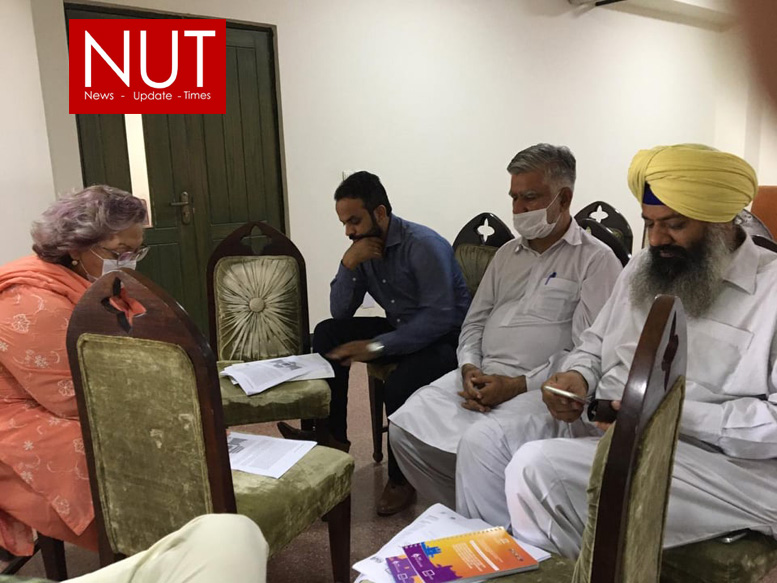
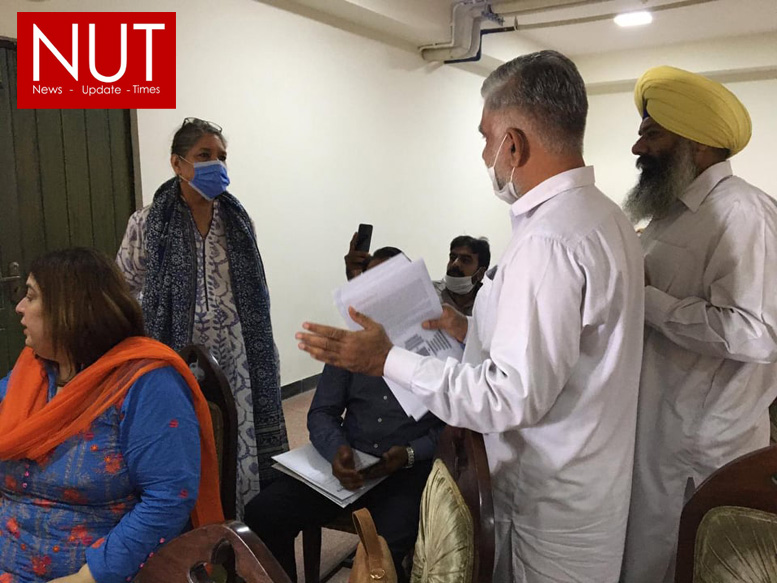
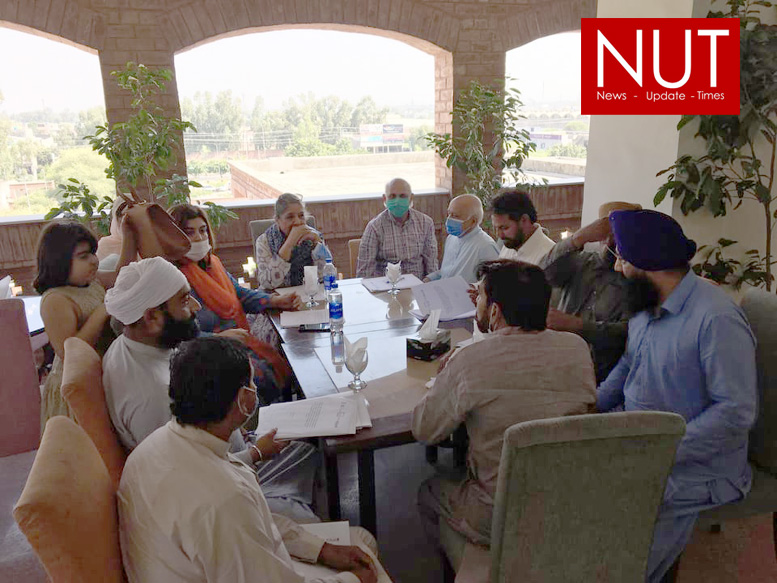
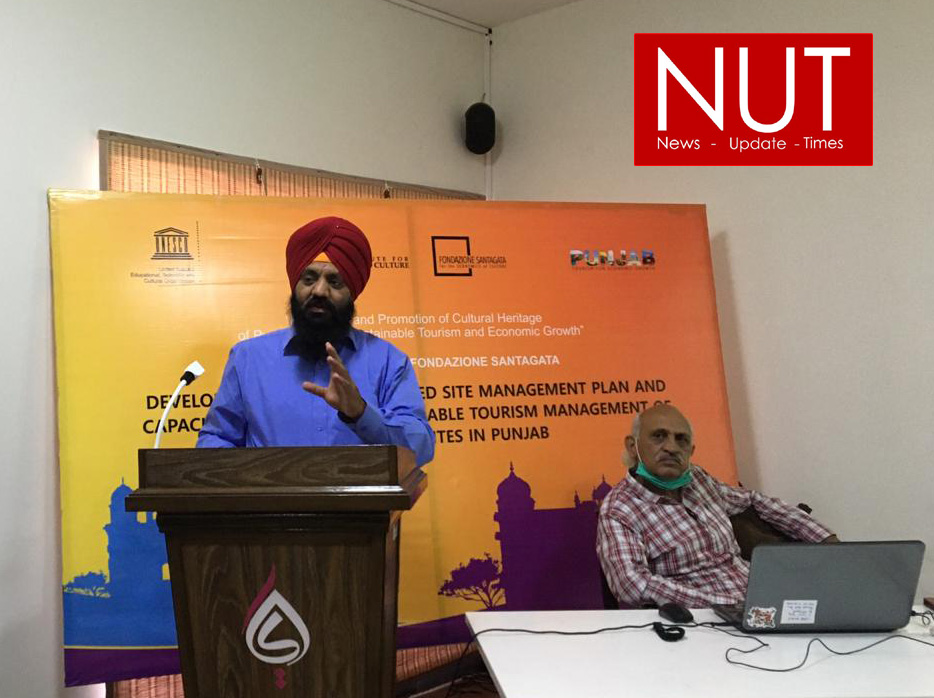
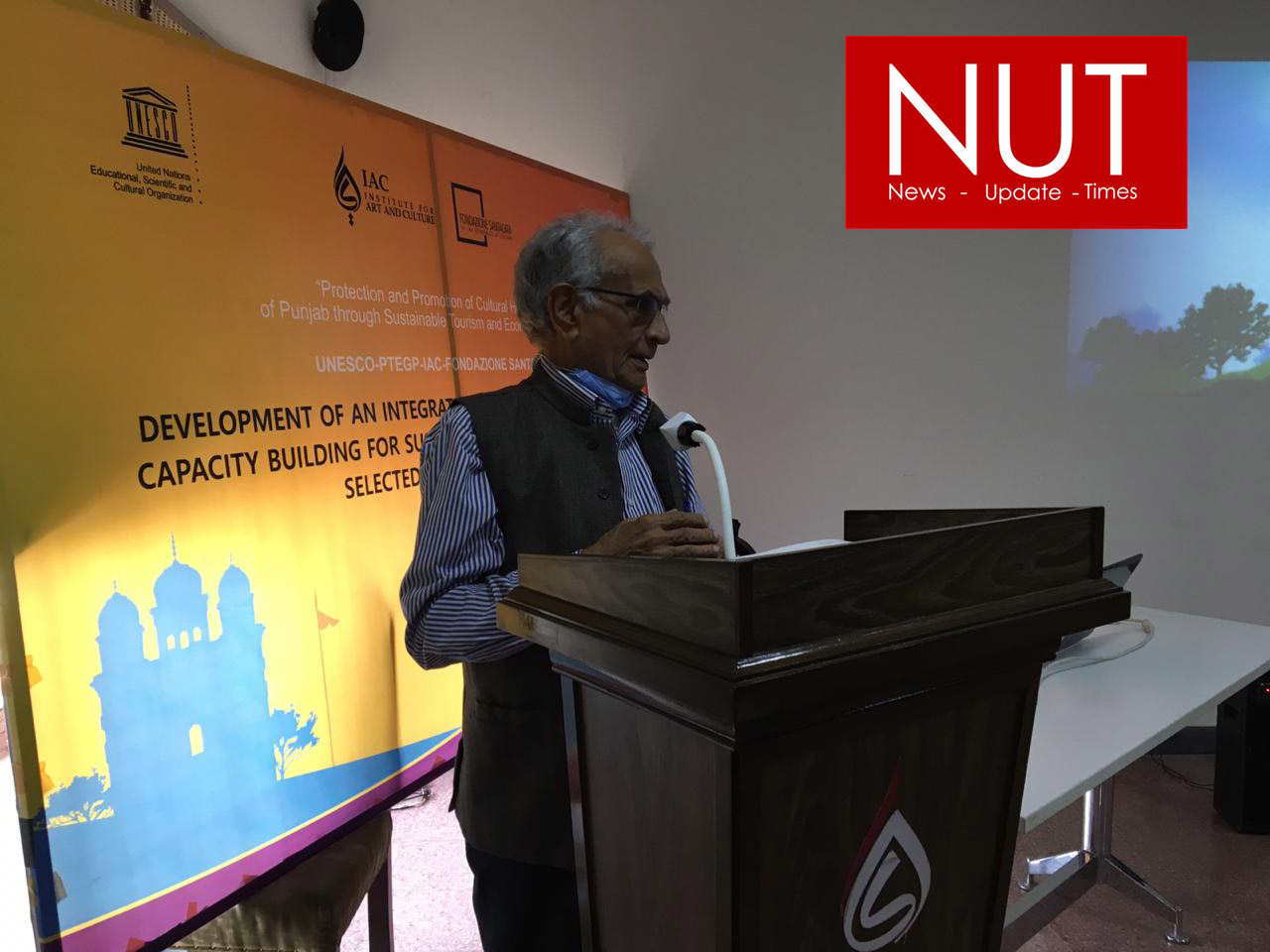
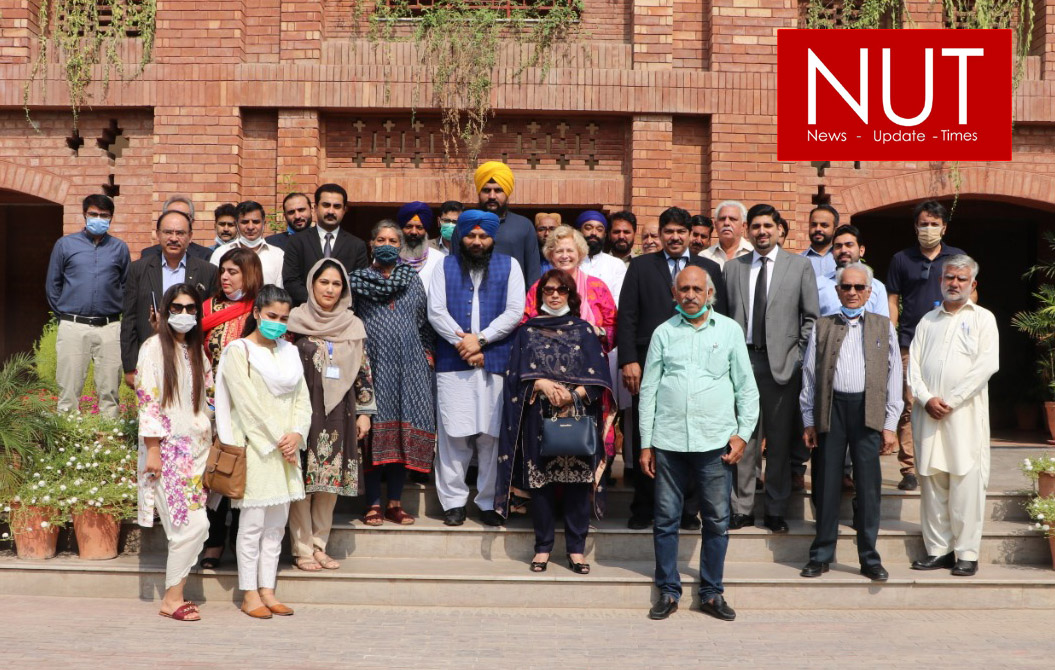
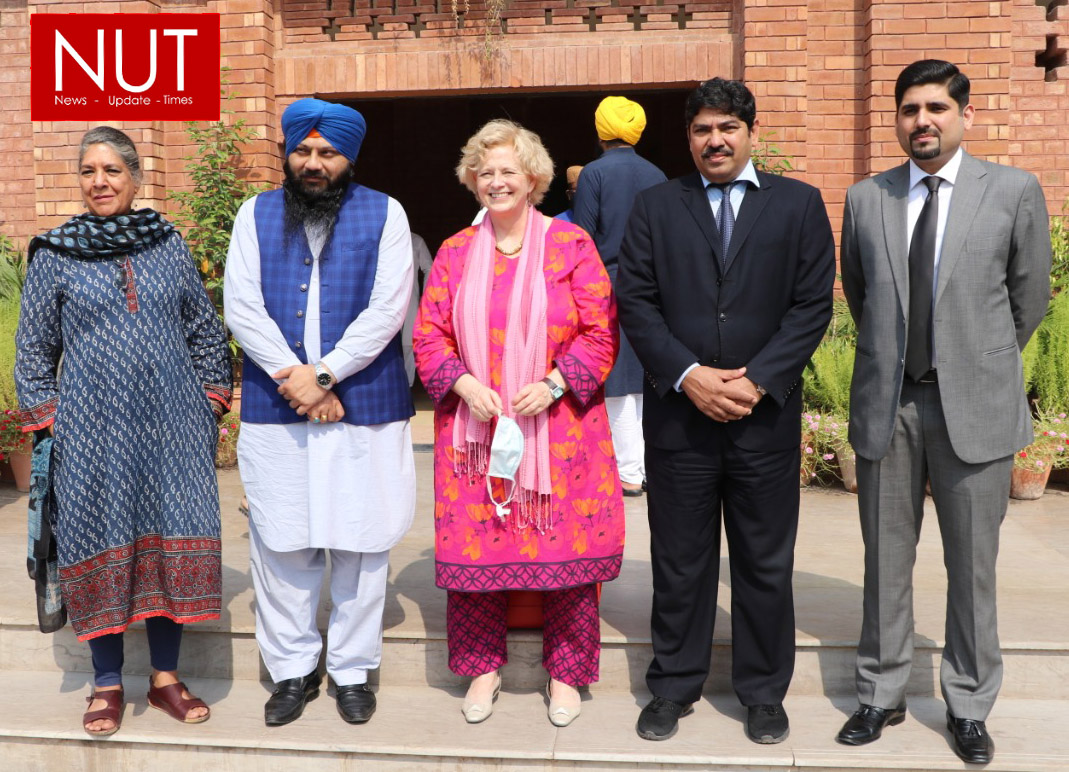
Lahore (Muhammad YasirThe first phase of the 4-day workshop aimed for preservation of cultural heritage of Punjab concluded with thought provoking sessions and discussions at the Institute for Art and Culture (IAC), today. The workshop was held under the Pakistan Tourism Economic Global Program PTEGP-UNESCO-WB a funded project, implemented by The Institute for Art and Culture (IAC) under the main project “Development of an Integrated Site Management Plan and Capacity Building for Sustainable Tourism Management of Selected Sikh Sites in Punjab”.
The workshop themed around Community and Cultural Heritage. The introductory session was hosted by Prof. Sajida Vandal (Project Heritage Site Planning Expert and Vice Chancellor, IAC) that focused on introducing concepts of community participation such as the understanding of host City, community, stakeholders, community participatory initiatives, community engagement and cultural and creative industries.
The open forum led by the National team facilitators opened discussion about the experience of participants of working with communities and identifying the problems that they face.
The seminar on methods and approaches for community mobilization and community engagement was led by Ms Ottavia Arenella (Project Disaster Risk Management Expert, Santagata, Italy) and Ayesha Iftikhar.
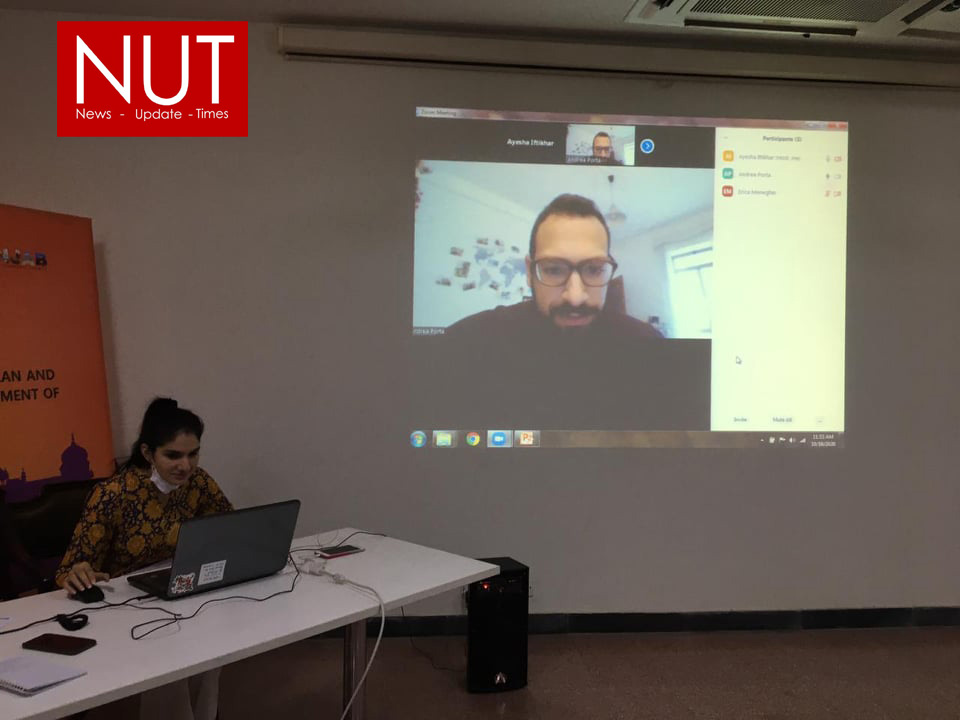
Andrea Porta (Project Tourism and Visitor Management Expert, Santagata, Italy) led the Community’s Economic Growth through Tourism Initiatives and gave examples of successful practices and case studies.
The closing session marked strategies around establishing the gap that participants need to have addressed in the follow up workshop planned on 21st October, 2020.

Capacity Building Workshop Day 3- Preserving the Identity of Gurdwaras in Punjab

Lahore   (Muhammad YasirThe third day of the National Capacity Building Workshop for the PTEGP-UNESCO-WB a funded project, implemented by The Institute for Art and Culture (IAC) under the main project “Development of an Integrated Site Management Plan and Capacity Building for Sustainable Tourism Management of Selected Sikh Sites in Punjab” was held today at IAC.

The workshop kicked off with an understanding of the National Scenario of Cultural Heritage which was led by Saba Samee (Architectural Conservation Expert, IAC). Followed by an open discussion, Prof. Sajida Vandal (Project Heritage Site Planning Expert and Vice Chancellor, IAC) and Saba Samee gave a seminar involving the experts discussing various values by taking a particular religious site of historic importance.

The International Scenario of Cultural Heritage was led by Prof. Allesio Re (Project International Team lead, Santaganta, Italy), who emphasized on introducing various concepts of Heritage Management, Introducing International Guidelines and the concept of listing the built heritage.

Followed by a group activity based on developing a framework around value based conservation management approach was a module led by prof Pervaiz Vandal (National Team Coordinator and Pro Vice Chancellor, IAC) that emphasized on introducing management roles defined and proposed in the ISMP of the various Government departments as well as the role of other stakeholders in ISMP.

The workshop ended by a work assignment that targeted techniques or tools to improve Cultural Heritage Management in the custodian organizations.


Huawei joins hands with HEC to start roadshows for its Huawei ICT Competition Pakistan 2020

  • New virtual platforms are created for Pakistani students to exchange ideas, enhance practical skills, and contribute to Pakistan’s growing ICT sector
  • Huawei launches first Innovation Competition running in parallel to support industrial digitization
  • Competitions will facilitate connections between government, enterprises, and academia


Lahore (Muhammad Yasir) With digital technologies becoming the building blocks of the Pakistan’s intelligent society—and increasingly important during the COVID-19 pandemic and post-pandemic recovery—Huawei is once again touching on an important driver of the digital transformation journey; nurturing ICT talent. The company runs the 4th edition of its flagship annual Middle East ICT Competition in Pakistan to support preparing the next generation of leaders for an intelligent world.

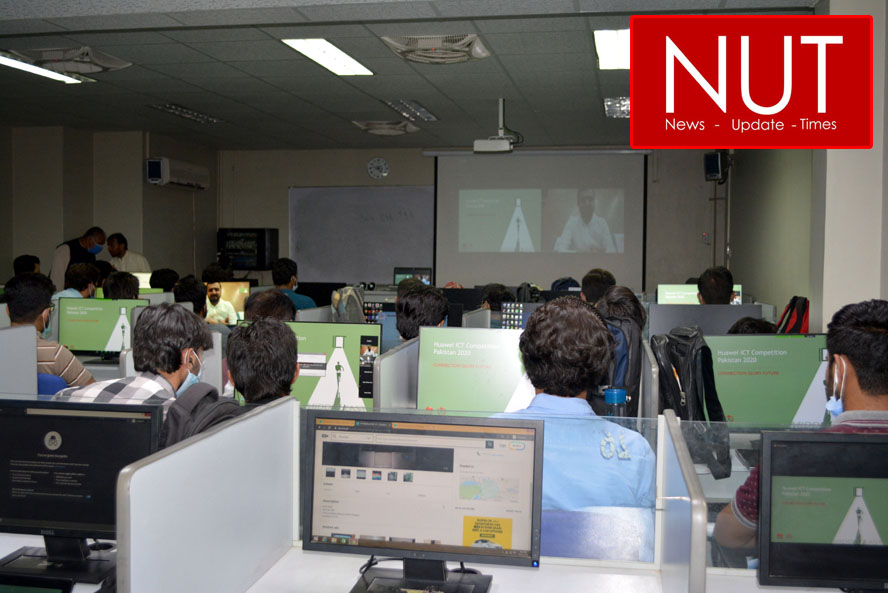
This year’s competition is being held in partnership with the Higher Education Commission in Pakistan. Due to the restrictions placed by Covid-19, what were once traditional roadshows have been substituted by virtual roadshows, as well as awareness sessions — the first of which was conducted at Sukkur IBA, followed by Iqra University, and then Mehran University of Engineering and Technology. Both university professors, and executives from Huawei Pakistan were in attendance.

So far, around 300 students have participated in these sessions, with more virtual roadshows planned at universities throughout Pakistan till the first week of November by Huawei team and its learning partners. 30+ universities are expected to be virtually visited before the roadshows come an end.

Assistant Professor of Computer Science at Sukkur IBA, Dr. IrshadNazeer, spoke about the importance of these roadshows, “The event was very beneficial for students as they were motivated towards skilled based learning and global competition. This sort of initiative from Huawei has always helped our students and faculty on the path of Industry Academia Linkage.”

Mr. Shahzad Akbar from Channel Service of Huawei Pakistan further added, “I have been part of this ICT competition since it began in 2016 and I have seen how it has changed lives of students. Initiatives like these can act as a platform to teach the youngsters about the power of ICT and excite them about this booming industry, this competition will help tap into the potential of the rising generation and empower you to lead the development of Pakistan’s ICT industry.”

Huawei annually invites students from colleges and universities all around Pakistan to participate in the ICT competition, in order to promote ICT technology certifications, transfer ICT knowledge, and develop the local ICT industry ecosystem.As a perk of participation in the competition, Huawei offers all participants access to free courses and learning materials, as well as opportunities for free online exchanges, learning, and preparation.

This year will also see the introduction of the Huawei Innovation Competition, held in parallel to the ICT Competition. It focuses on supporting undergraduate students and teachers in using innovative technologies such as AI, cloud computing, and big data to create valuable and meaningful applications for society. Huawei has invited universities and colleges across the Middle East to participate in the new Innovation Competition, with a total of ten teams to be selected for the regional final this year. 

Winners of the regional competitions will receive a certification, future learning opportunities, a USD$20,000 cash prize, exam vouchers, Huawei mobile and more.This version of the competition was first conceived in 2016, and was designed for the betterment of students, not just domestic, but globally.

Last year, 12,000+ students from across Pakistan applied for the Middle East ICT Competition from leading colleges and universities. The competition was supported by ministries, various ambassadors, and academic chancellors from some of Pakistan’s top-ranking universities. Two teams traveled to China to compete at Huawei’s headquarters in Shenzhen, China, where they came in second and third places in the Global Final; a great accomplishment on an international scale.

The current aim is to provide an international competitive and communication-based platform for Huawei ICT Academy and college students who wish to become a part of these ICT academies; this would enable an increase in students’ ICT knowledge, improve their practice and application skills, as well as spread innovation awareness. While all these things are being achieved, the competition has become an international talent exchange and cooperation platform alongside these successes. The future of a Digital Pakistan remains within reach.

Registration for the Huawei Middle East ICT Competition 2020 is now open through this microsite.

IBA Career Development Center hosts IBA Corporate Leaders Advisory Board (ICLAB) meeting

Karachi (Muhammad Yasir) The IBA’s Career Development Center (CDC) hosted the IBA Corporate Leaders Advisory Board (ICLAB) meeting at the City Campus.

The meeting was attended by representatives from more than 40 organizations including CEOs, Heads of HR, and Talent Acquisition leads. The Executive Director, IBA Karachi, Dr. S Akbar Zaidi chaired the meeting. The prime agenda of this event was to gather feedback on the quality of IBA graduates and its academic programs.

The Director, Alumni and Corporate Relations, IBA Karachi, Ms. Malahat Awan presented the Employer Feedback Survey analysis which was recently conducted by the CDC. More than 70 companies participated in this survey from various sectors including FMCG, IT, Industrial Manufacturing concern, Banking, leading conglomerate, and Telecommunication. The presentation was followed by a discussion moderated by the Executive Director.

Referring to the overall reputation of other top tier universities in Pakistan, Dr. Zaidi, said, “It is important to know where we lie in the space of things and it’s an agenda which comes under discussion quite frequently. The purpose of this forum is help us reformulate our programs and strategy.”

The participants were asked about their experience with the recent IBA graduates. Generally, organizations were positive about the quality of IBA graduates with few areas of concern and gaps. However, future job trends remained the major spotlight of the discussion.

The Head of Human Resources and Learning, Bank Alfalah, Ms. Hafsa Abbasy quoted, “The IBA graduates have strong academic background but we as industry experts should mutually contribute in developing the relationship building skills across all levels.”

The Managing Director & CEO, Pakistan State Oil, Syed Muhammad Taha said, “The students should be given stimulated environment to prepare them for real life challenges. Graduates generally face a cultural shock when they enter public sector organizations.”

The Head of HR, Abu Dawood Pakistan, Ms. Sabika Kiyani said, “We should collaborate on building mentorship programs where industry experts can guide students about current market dynamics and how to thrive in this competitive environment.”

The institute acknowledges the suggestions and ideas shared by the participants and strongly believes that this discussion will assist its leadership team in making valuable improvements to its programs and other academic endeavors.


Capacity Building Workshop Day 2- Preserving the Identity of Gurdwaras in Punjab

Lahore (Muhammad YasirThe second day of the National Capacity Building Workshop for the PTEGP-UNESCO-WB a funded project, implemented by The Institute for Art and Culture (IAC) under the main project “Development of an Integrated Site Management Plan and Capacity Building for Sustainable Tourism Management of Selected Sikh Sites in Punjab” was held today at IAC.

After the arrival of the participants, the first module, focused on the introduction to cultural tourism and its impact on the economy. The session was led by Mr. Aftab Rana- President, Sustainable Tourism Foundation, Pakistan (STFP). Followed by a discussion, Dr. Paola Borrione (Project Sustainability and Community Expert, Santagata, Italy) and Saba Samee (Architectural Conservation Expert, IAC) gave a joint webinar on International Best Practices for Cultural Tourism.

Dr. Kalyan Singh (Project Historian, GCU) and Iqbal Qaiser (Project Historian, IAC) jointly talked about engaging tourists, local community and religious visitors in order to preserve the cultural heritage of the Gurdwaras in Punjab.

Lead by Saba Samee, “Bridging the spotlight on the historicity of the two cities” was a session that aimed at understanding the cultural and architectural perspectives of the Gurdwara-Rohri Sahab and Gurdwara Sucha Sauda as heritage sites that have an impeccable role in our identity formation.

National team facilitators, jointly held a participatory session that aimed at enhancing techniques and tools for the improvement of tourism at Gurdwaras of Punjab and preserving National Identity.

Huawei inagurated dedicated research center for Mathematics and computation to support the Communication Industry

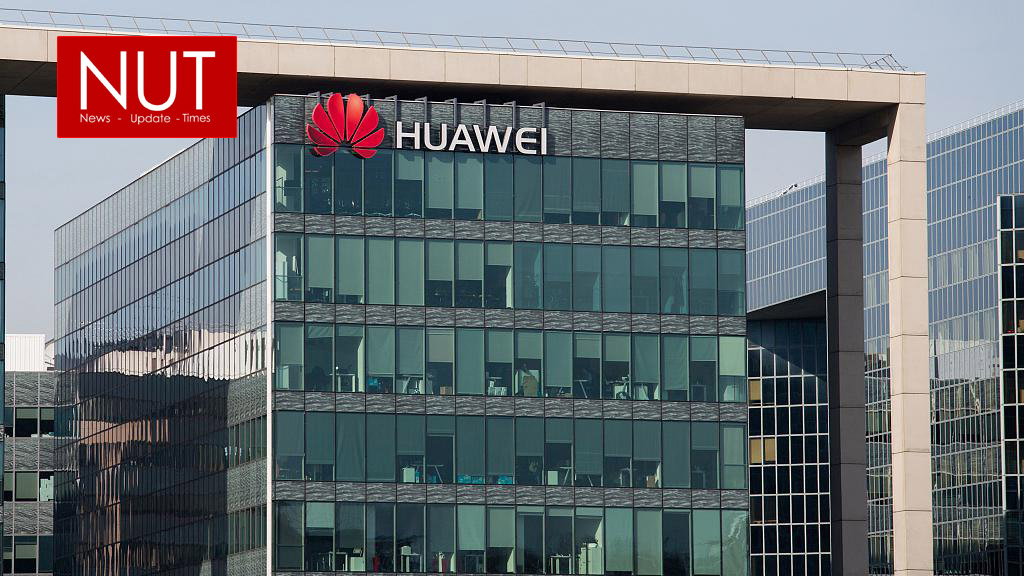
Lahore (Muhammad Yasir) Chinese tech giant Huawei opened research centre dedicated to fundamental research in mathematics and computing. Named after the Franco-Italian mathematician Joseph-Louis Lagrange, the new centre located in central Paris is the company’s sixth research centre in France.

“The new centre is dedicated to fundamental research in mathematics and computation. The previous five research centres that Huawei had set up in France since 2013 focus mainly on applied research in areas such as wireless communications, artificial intelligence, design, image processing and sensors.

In a video message, William Xu, Huawei’s Director of the Board and President of its Institute of Strategic Research, stressed that mathematics has played a key role in the development of communication over the past 30 years. Lagrange Centre is “a platform open to all mathematicians around the world to conduct research, which allows us to go beyond the limits, and its results will benefit our entire industry,” he said.

The new centre will bring together some 30 scientists, including around 10 from abroad, whose work will be shared with the academic world and the scientific community, said Huawei in a press release.

Seminars will be regularly organized in collaboration with research partners, such as the Institute of High Scientific Studies and the Ecole Normale Superieure (in France) as well as other renowned international institutions.

Ultimately, Lagrange Center aims to become an independent foundation headed by a scientific council, said Debbah.

“Concerned with promoting freedom and academic excellence, we hope to see this center evolve into a real foundation. Its objective will be to push back the fundamental limits of research by supporting breakthrough scientific and technological innovations. This is necessary if we want to make significant progress, particularly in the field of artificial intelligence,” he added.

Valerie Pecresse, president of Ile-de-France, the great Paris region, joined the inauguration ceremony via video link. “With its 3,000 researchers, the Ile-de-France region represents the largest concentration of mathematicians in the world,” she said. “This centre will, without a doubt, help attract the world’s best talent in mathematics here in Ile-de-France.”

Sikh Heritage Preservation Workshop Commenced at IAC

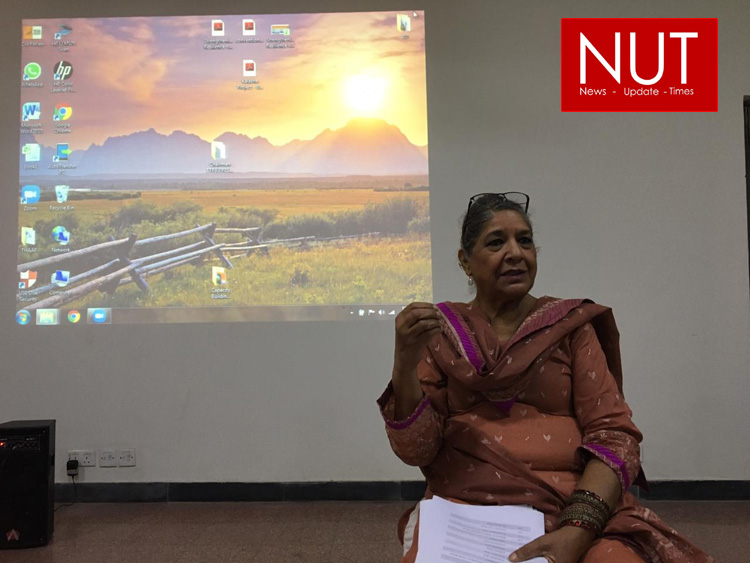
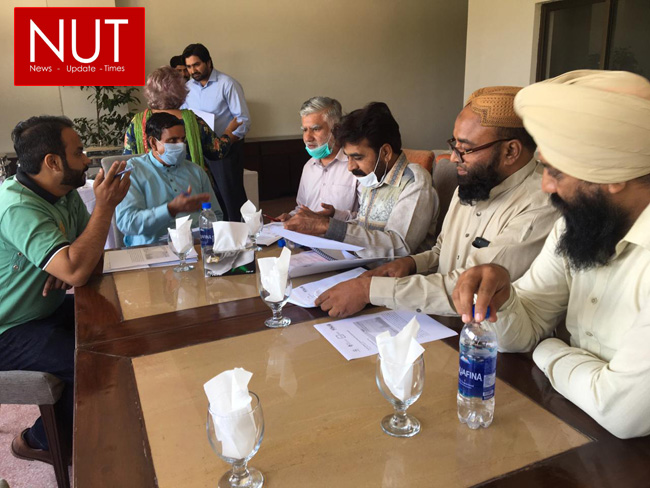
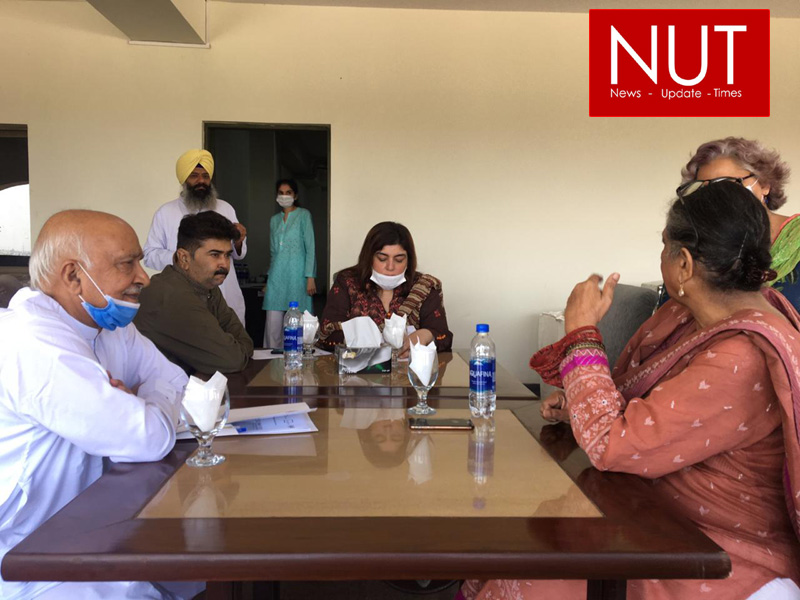
Lahore (Muhammad Yasir) National Capacity Building Workshop for the PTEGP-UNESCO-WB funded project, “Development of an Integrated Site Management Plan and Capacity Building for Sustainable Tourism Management of Selected Sikh Sites in Punjab” have commenced at the institute for Art and Culture (IAC) at its main campus at Raiwind Road Lahore today. Prof. Sajida Haider Vandal (Project Heritage Site Planning Expert and Vice Chancellor, IAC) welcomed the participants of workshop in his inaugural speech and Prof. Pervaiz Vandal (National Project Team Coordinator and Pro-Vice Chancellor IAC) briefed them about the schedule of weeklong capacity building workshop which is an initiative under the Integrated System Management Plan (ISMP) that proposes to provide foundations in cultural heritage protection and management through local development and the community exercise of bringing together expertise to identify gaps in protection and preservation of Sikh heritage Sites.

The workshop is part of the collaboration between IAC and UNESCO which focuses on creating an Integrated Site Management Plan for Sustainable Tourism Management of Gurdwara Rohri Sahib, Eminabad, District Gujranwala, and Gurdwara Sacha Sauda Sahib, Farooqabad, District Shiekhupura. The project was jointly awarded to IAC, Lahore, Pakistan and Fondazione Satagta for the Economics of Culture, Turin, Italy.

The participants of the workshop consist of field experts, representatives from Govt. departments, Host Community Representatives and Custodians and Host City delegates and Sikh Community Representatives. They include, Saba Samee (Project Architectural Conservation Expert), Prof. Alessio (International Project Team Leader), Prof. Kalyan (Project Historian), Prof. Najm-us- saqib Sheikh (Invited Speaker: Director Conservation and Planning, WCLA), Erica Meneghin (Project Site Management Planning Expert), Paola Borrione (Project Sustainability and Community Expert), Giulia Avanza (Project Sustainability and Community Expert), together with National and International Team Facilitators.

The workshops focuses on discussing the existing practice of heritage site managements in Punjab, and its problems; community exercise of bringing together expertise to identify gaps in this field, Gurdwara Policy Frameworks, National Laws and their implications on heritage tourism; Cultural tourism and its impact on economy; International Best practices for Cultural Tourism, engaging communities, techniques and tools to improve tourism in order to understand a better Integrated system management plan (ISMP) and introducing various sectors plans for the ISMP.

By the end of this workshop, it is hoped that there will be an increase the understanding of Cultural heritage and equip the attendants with necessary tools to conserve their Cultural and National Identity through Heritage Tourism and management.

Global Economic Conditions Survey shows recovery in confidence in Q3 but also a ‘weak and precarious’ global economy

A global survey of senior accountants reveals an improvement in optimism in Q3 after a torrid first half of the year which saw confidence at record lows. Activity measures, such as orders, capital spending and employment, also improved in the latest survey but only modestly – they remain at low levels consistent with the global economy operating well below the pre-COVID-19 level into 2021.

Specific COVID-19 related questions also show increasing expectations from respondents that significant economic recovery will be pushed well into 2021.

But GECS Q3 comes with stark warning signs as results point to the weak and precarious state of the global economy in the latter part of 2020.

Commenting on the findings, Michael Taylor, ACCA’s chief economist says: ‘Despite the jump in confidence, the overall message from the GECS is still one of weakness with the global economy on course this year for its largest peace time contraction since the 1930s.’

The report Global Economic Conditions Survey (GECS) that also includes responses from Pakistan, jointly published by ACCA (Association of Chartered Certified Accountants) and IMA® (Institute of Management Accountants) reveals:


  • Global confidence jumped to a three-and-a-half year high, although this reflects the change in confidence compared with June when many economies were in varying degrees of lockdown.
  • There was a slight reduction in concerns that customers and suppliers may go out of business, but they remain at extremely high levels
  • The orders indices in North America and Western Europe recovered by the largest margin in Q3. Lifting of lockdowns in these regions, especially from July onwards has lifted their economies and the orders balance reflects this and points to continued recovery. There is little variation across regions, with South Asia a relatively weak outlier.
  • For access to finance the pattern is the same in the latest survey as in June 2020. More generous government support and guarantees mean that firms in North America and Western Europe have better access to finance than those in Emerging Markets.
  • Expectations of substantial economic recovery have shifted decisively towards later in 2021 over the last three months. Over 60 per cent of respondents in Western Europe are now of this view, and more than 50 per cent in Asia-Pacific and North America too. South Asia has the highest percentage not expecting recovery until 2021 Q1 or after.

‘The nature and prolonged duration of the COVID-19 shock means that it is likely to result in permanent changes to the structure and potential growth rates of economies,” said Raef Lawson, Ph.D., CMA, CPA, IMA vice president of research and policy.

‘Higher private sector savings may be one outcome: households and companies limit consumption and investment respectively as they remain cautious in the face of extreme uncertainty. This suggests that the public sector may have to run significant fiscal deficits for some time in order to support overall demand. For now, at least mounting public sector debt can be sustained since interest rates are exceptionally low.’        

Looking ahead to 2021, Michael Taylor concludes: ‘The Q3 recovery has been driven mainly by the consumer, where the rebound in retail sales has been especially strong. But our view is that the consumer will lose momentum in coming months and into 2021.Increasing, COVID infections in some countries and continued social distancing measures everywhere will undermine consumer confidence and spending. In addition, fiscal support is being scaled back in many cases, contributing to a rise in unemployment. World GDP is not likely to regain its pre-crisis level until at least the second half of 2022.

‘The nature and duration of the COVID-19 economic shock is such that it is likely to result in permanent changes to the structure of economies and to the trend rate of economic growth. Households and companies may well increase their savings rates, hampering private sector demand. This means that the public sector may have to run significant fiscal deficits for the foreseeable future in order to support overall demand.’


GECS Q3 2020 can be found online here.