(CCLS) at LUMS co-hosted a virtual conference on ‘Poverty Alleviation in collaboration Pakistan-China Institute

The Center for Chinese Legal Studies (CCLS) at LUMS co-hosted a virtual conference on ‘Poverty Alleviation in collaboration Pakistan-China Institute

Lahore (Muhammad Yasir)  The Center for Chinese Legal Studies (CCLS) at the Shaikh Ahmad Hassan School of Law, LUMS in collaboration with the Pakistan-China Institute organised a virtual conference on ‘Poverty Alleviation, Covid-19 and CPEC – Connecting the Dots’.

Experts for the panel discussion includedDr. Sania Nishtar, Special Assistant to Prime Minister on Poverty Alleviation; Senator Mushahid Hussain Syed, Chairman Foreign Affairs Committee in Senate of Pakistan; Mr. Masood Khalid, Former Ambassador of Pakistan to China; Professor Xia Qingjie, Peking University, China;Dr.Vaqar Ahmed, Executive Director, SDPI; and Professor Uzair J. Kayani, Faculty, Shaikh Ahmad Hassan School of Law, LUMS.

The moderator, Professor Sikander Ahmed Shah, Director, CCLS, engaged the panel in an insightful conversation on Pakistan’s existing Poverty Alleviation Strategy, the impact of COVID-19 on Pakistan’s deteriorating income poverty, and CPEC’s role vis-à-vis alleviating poverty in the country. The conference also explored the Poverty Alleviation Strategy of China in an attempt to understand how Pakistan may learn from and employ China’s best practices.

Professor Sikander Ahmad Shah, Director CCLS, and Prof. Uzair Kayani, Faculty of Law, at LUMS also extended their pro bono support to Dr. Sania Nishtar on all matters of policy making pertaining to poverty reduction, relief and alleviation, in their collective pursuit to establish a welfare system in Pakistan.

Mr. Mustafa Hyder Sayed, Executive Director, PCI, presented his closing remarks for the conference and urged the audience to also focus their energies on the small and medium enterprises that enhance the vocational potential of our country.

The conference received an active and warm feedback from the participants and served as a constructive discourse of Pakistan in its effort towards welfare reform, strong institutional governance and fighting the poverty trap.

(PSDF) and Careem partner to create income opportunities for underprivileged youth

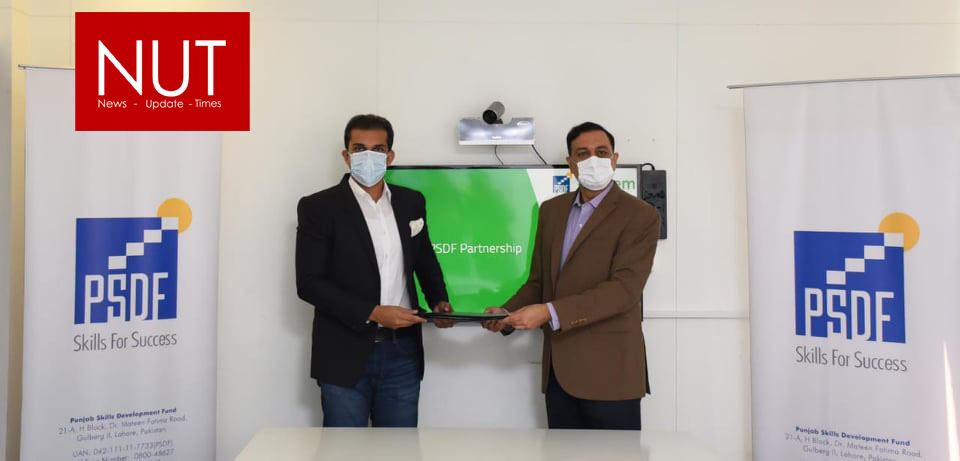
Lahore (Muhammad Yasir) Punjab Skills Development Fund (PSDF) has partnered with Careem under its “Entrepreneurship on Wheels” programme’, with the objective of launching dedicated training for the latter’s rickshaw and delivery captains between September 2020 and July 2021. The training will be conducted by National Highway and Motorway Police (NHMP).

Under the programme, 800 rickshaw captains will receive training on road ethics, sign navigation usage, along with practical training on driving and mechanical skills. Eligible candidates who successfully complete two months of training will receive their driving licenses and be onboarded onto the Careem Super App. The captains will also be able to avail the option of renting a vehicle, if needed. PSDF will bear the cost of their training, examination and obtaining driving licenses, while Careem will provide a platform to cater with a means of earning.

Speaking about the partnership, Jawad Khan, CEO PSDF reiterated PSDF’s commitment to providing youth with income generation opportunities, despite the challenges brought forward by the Covid-19 pandemic. “The partnership with Careem is an example of how PSDF is innovating during this crisis and providing market relevant skills to youth in high-growth sectors. Our experience in the past has shown the efficacy of programs that comprises short bootcamp style training with a high practical component, and a laser focus on income generation”.

Zeeshan Hasib Baig, Chief Executive Officer and Country General Manager, Careem Pakistan commented on the partnership saying, “Careem is one of the biggest platforms in Pakistan which has provided employment opportunities by registering more than 500,000 captains in multiple verticals so far. By partnering with PSDF, we will continue to take this mission forward and make an impact across the country.”

While the pandemic has resulted in layoffs and stagnation in some sectors, e-commerce and online delivery has seen sustainable growth. PSDF’s partnership with Careem to train delivery riders leverages on this potential to provide unemployed and underprivileged youth with the opportunity to earn a sustainable income for themselves. The target is to train 650 such individuals in six districts of Punjab by June 2021.

HEC and Huawei’s ICT Competition 5th batch examination started across Pakistan

Islamabad (Muhammad Yasir) The 5th installment of the Huawei ICT Competition 2020 in Pakistan is underway with roadshows having just been concluded all over the country. The competition is being held in partnership with the Higher Education Commission of Pakistan. Due to the restrictions placed by Covid-19, what were once traditional roadshows were substituted with virtual roadshows and awareness sessions.

Virtual roadshows and awareness sessions were conducted at over 30 universities all around Pakistan by Huawei’s Talent Ecosystem Development team and its authorized learning partners like Al-KICS and Corvit. More than 10,000 students registered for the international competitive and communication-based platform hoping to increase their ICT knowledge, improve their practice and application skills, as well as spread innovation awareness.

During this week, all of the registered participants will sit for the next stage of the competition, known as the preliminary exam. So far, 20 on site locations have been finalized, while the rest of the exams will take place virtually. All government-issued SOP’s will be followed during the on-site examinations. The results of the preliminary exam will come out next week and the top students will make it to the next stage of the competition; enablement training and certification exam.

The top students from preliminary exams will attend the enablement training in the coming weeks and the Huawei certification exams by the end of the training at different locations on site or virtually all across Pakistan including Mehran University Of Engineering And Technology Jamshoro (MUET), Balochistan University of Information Technology, Engineering and Management Sciences(BUITEM), National University Of Science And Technology(NUST), University Of Engineering And Technology Lahore, University Of Engineering And Technology Taxila amongst other key universities of Pakistan. In this round students will attend different training sessions related to different ICT Technologies. After these training sessions the students will participate in the HCIA Certification Exam.

The top students from the Enablement training and certification exam will qualify for Labs and interview session, known as the National Final Round. The top 6 students will be selected and will represent Pakistan in the Middle East Regional finals by the end of December.

Winners of the regional competitions will receive a certification, future learning opportunities, a USD$20,000 cash prize, exam vouchers, Huawei mobile and more. This version of the competition was first conceived in 2016, and was designed for the betterment of students, not just domestic, but globally.

Last year, 12,000+ students from across Pakistan applied for the Middle East ICT Competition from leading colleges and universities. The competition was supported by ministries, various ambassadors, and academic chancellors from some of Pakistan’s top-ranking universities. Two teams traveled to China to compete at Huawei’s headquarters in Shenzhen, China, where they came in second and third places in the Global Final; a great accomplishment on an international scale.

The current aim is to provide an international competitive and communication-based platform for Huawei ICT Academy and college students who wish to become a part of these ICT academies; this would enable an increase in students’ ICT knowledge, improve their practice and application skills, as well as spread innovation awareness. While all these things are being achieved, the competition has become an international talent exchange and cooperation platform alongside these successes. The future of a Digital Pakistan remains within reach.

Gurdwara Protection in Punjab and Preserving National Identity

Lahore (Muhammad Yasir) The Institute for Art and Culture (IAC) is conducting the second phase of their capacity building trainings for UNESCO’s project “Protection and Promotion of Cultural Heritage of Punjab through Sustainable Tourism and Economic Growth”.

In continuation of the previous capacity building workshops aimed at the same theme, the closing workshop was based on site visit of White house, Eminabad as well as its community outreach.

The aim of the fourth workshop was to develop an Integrated Site Management Plan and Capacity Building for Sustainable Tourism Management of Selected Sikh Sites in Punjab such as Gurdwara Sucha Sauda Sahib, Farooqabad, Shiekhupura District and Gurdwara Rohri Sahib, Eminabad, Gujranwala district.

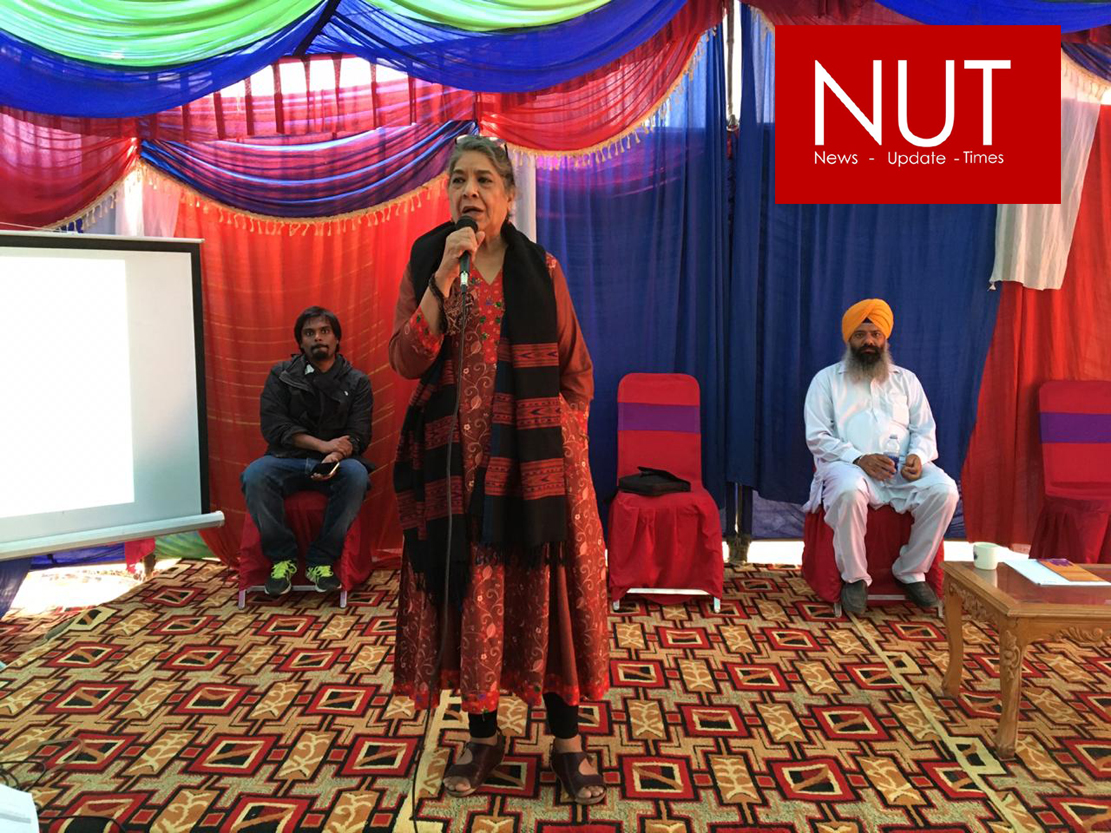
The participants began with a Community building Module aimed at Inventorying Intangible Cultural Heritage. The module was led by Mr. Ghiassuddin Pir- Assistant Professor, IAC, followed by an open discussion with the participants about their concerns regarding community outreach and inventorying intangible cultural heritage.

A seminar on Safe guarding Heritage and Development of Cultural Industries was led by Prof Sajida Haider Vandal- Vice Chancellor, IAC. Based on the learnings from the previous series of workshops, the participants were divided into groups based on their respective communities and were introduced to the project booklet on cultural heritage, developed by IAC in context to the sustainable conservation and tourism of the Gurdwaras of Punjab.

Concluding remarks were given by Prof Pervaiz Vandal, Pro Vice Chancellor, IAC in which he expressed his determination and enthusiasm in preserving the tangible and intangible cultural heritage of Pakistan.

The participants were given certificates at the end of the workshop. It is hoped that this intervention brings community awareness and ownership of cultural heritage which could play an impeccable role in the development of national identity and promote peaceful relations among communities.

Ma Boli- Language and Learning- An Event by THAAP and Institute for Art and Culture

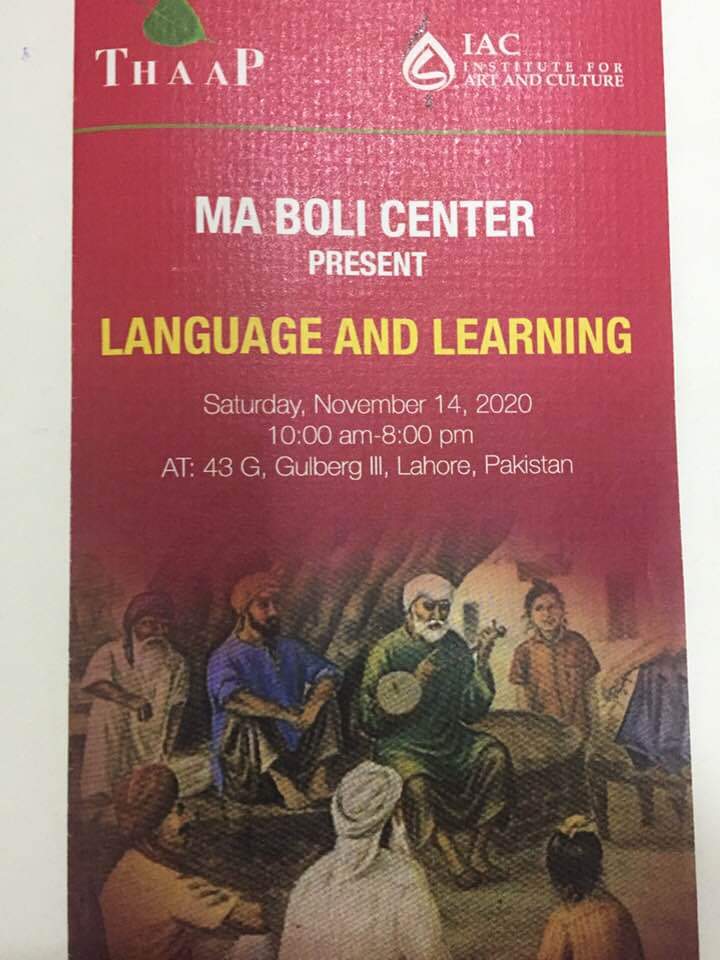
Lahore (Muhammad Yasir) THAAP and Ma Boli Center at the Institute for Art and Culture are holding one day event and bringing together group of artists, academics, and scholars for presentations and performances focused on the role of mother languages in the creative processes and cultural expressions. 
This Language and Learning event will be held at 43 G Gulberg II, Lahore, on Saturday, November 14th, 2020. The whole day event will start at 10 am with exciting session and have discussions and colorful performances till 8 pm in the night.
This event stems from the philosophy that mother tongue is not necessarily the language of the biological mother, but the language of the mother culture that gives birth to a way of thinking, patterns of literature and art, the melodies and rhythms of music and the movements of dance—in short the unique and distinguishable expressions of a wasaib (civilization). 
On the one hand the diversity of mother tongues in Pakistan has been one of the primary sources of its rich and diverse cultural heritage. Yet, the neglect and lack of state patronage has endangered our fonts of heritage, and consequently stunted the potential of our creative expressions. Our writers, poets, artists, architects, musicians, and filmmakers have sustained their imaginations and inspirations by serving as the faithful custodians of the mother languages in some way, shape, or form.
THAAP and Ma Boli Center at IAC are bringing together a group of artists, academics, and scholars for presentations and performances focused on the role of mother languages in the creative processes and cultural expressions in two sessions.
Panel I: Finding the Inner Voice:
Learning, Creativity, and the Role of Mother Language.
Panelists: Naveed Alam (poet, translator), Kainat Thebo (filmmaker), Abdur Rehman (Graphic Designer/Illustrator), Imran Ahmed (sculptor, educator).
Initial sesión will analyze the current status of mother language with language like What language must I think in to be myself, to create an original work? This question will be the focus of discussion by the panelists who will explain how mother language shapes and influences their works in the fields of architecture, literature, film, and graphic arts.
Panel II:  Struggle for Survival: The Future of Mother Tongues in Pakistan
Panelists: Dr. Tariq Rahman (Dean School of Education, Beaconhouse National University), Dr. Anjum Altaf (Economist, academic, author), Dr. Zahara L’écuyer (anthropologist, author, National Institute of Eastern Languages & Civilizations (INALCO), Paris), Mushtaq Soofi (Punjabi writer), Zubair Torwali (community activist, linguist, educator of Dardic Languages and cultures).
Moderated by Naveed Alam
The session will examine the various reasons needed to flourish and remain relevant to its speakers a language must grow continually, adapt to the social and cultural milieu, and in a increasingly globalized reality engage in the reciprocity of words and expressions with fellow languages. Considering our challenges and resources are the Pakistani mother tongues doomed to vanish? Can there be an effective intervention? How can the mother tongues in Pakistan be supported to survive the Darwinian or perhaps draconian selection of languages? Such questions will be addressed by linguists, language historians, and language activists in this panel.
The event will end with colorful musical performance by THAAP Choir. The group will present melodious folk songs and other Sufi numbers depicting the enriching beauty of the Mother Language. The participants will also be honored with distinguished Awards from the THAAP in the concluding ceremony.

Women Empowerment | South Waziristan gets another state-of-the-art educational facility

Most of us are well-aware of the time when terrorists used to burn schools and colleges, especially girls’ educational institutions in Swat and formal FATA region, as they were strictly against the girls’ education. One of those many forcefully closed institutions was a college in Wana, South Waziristan Division, which was closed after an anti-state activity just to put girls away from getting their basic right of education.

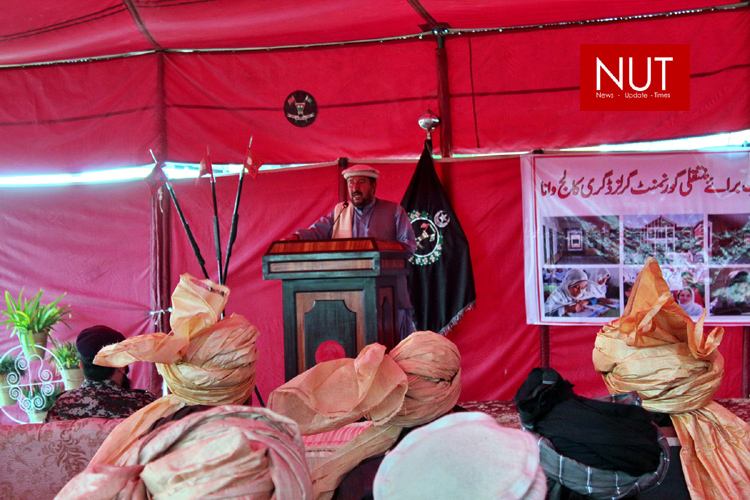
Like many other such initiatives in the region, Frontier Corps (FC) took charge of that non-functional and damaged college building in early 2020 and have maintained and renovated the degree college for girls where FA, FSc, 3 sections each, and BA classes will be held initially.

In a graceful ceremony, the college was formally handed over to Commissioner Dera Ismail Khan Division that will manage its operations. Director Higher Education Department, DC South Waziristan Division, college faculty, maliks and mushraans of the area witnessed the ceremony.

Services of a learned educationist as principal of the college along with 10 subject lady specialists have been acquired. The building has 16 classrooms along with four labs including a fully-equipped computer lab. An examination hall and a multi-purpose hall has also been renovated to encourage extra-curricular activities for the girls. A playground has also been prepared within the premises to provide sports facilities to the students. Students from far flung areas can also avail fully secure hostel facility.

While talking to the ceremony, Commissioner DIKhan Division said, ‘We are extremely thankful to the FC for revamping the vital educational institution. It is, indeed, a leap forward towards improving education for neglected segments of society and for viable social prosperity in the region’.

In his speech, IG FC South said, ‘Our religion has prioritized education beyond gender and no society can prevail until it gives equal educational opportunity to women. I feel proud to lead a change for our women of this region’.


IAC initiated the Community Garden program for sustainable development

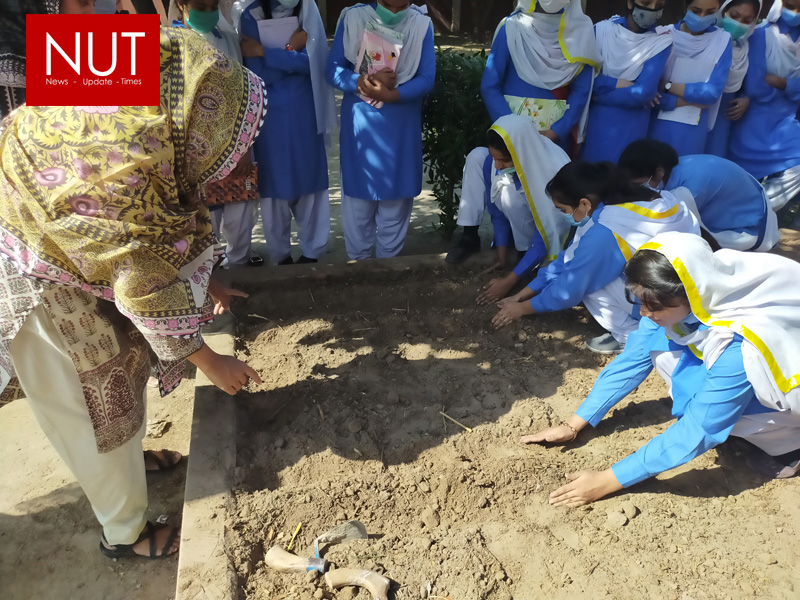
As part of its mission and outreach program to develop sustainable communities, the Institute for Art and Culture (IAC) identified the low-income Sher Shah Colony in its vicinity, off Raiwind Road, for the pilot phase of a community gardens program. Government Girls High School in Sher Shah Colony, with the dedicated supervision of its Principal Mrs Zeb un Nisa and a total of 70 students and 10 teachers from grades 7 to 10, are participating in this pilot phase. The organizations that are providing support to the project include ‘Gardening for All’, ‘The Little Arts’ and ‘Adventure Foundation Pakistan’. Professor Sajida Vandal, Vice Chancellor IAC has taken keen interest in furthering the program and Professor Dr. Ali Akbar Husain, landscape expert and Professor at the School of Architecture, Design and Urbanism, IAC, has largely facilitated it

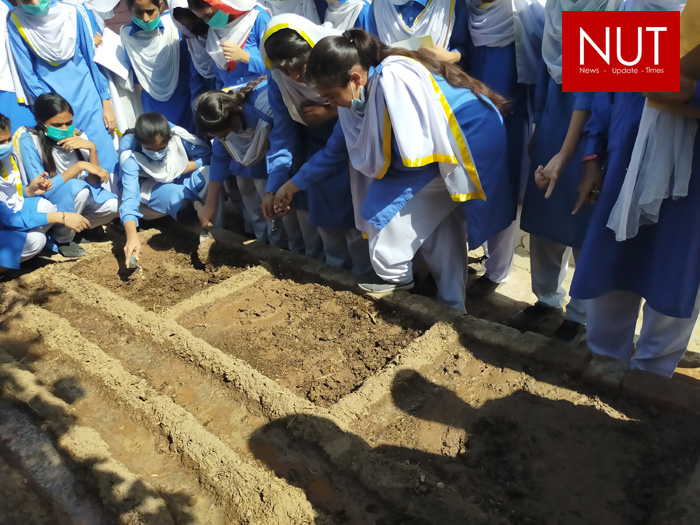
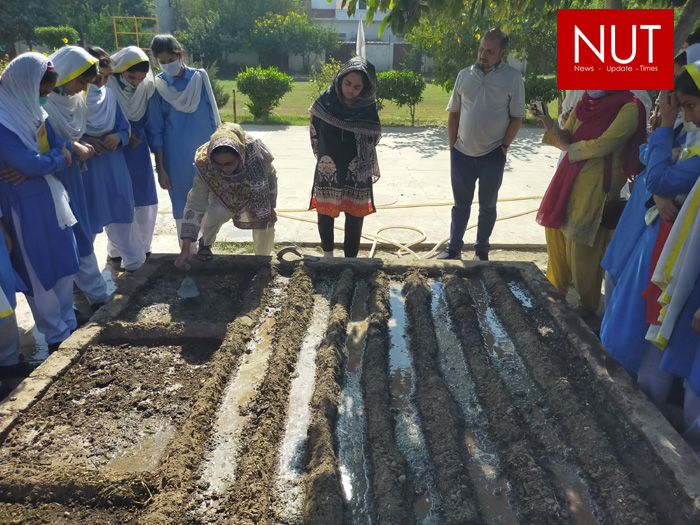
The workshop series began on 13th October 2020 and will continue until December 8. Of the eight workshops planned during this period, three have already taken place at the Government Girls High School, Sher Shah Colony. The workshops aim to provide hands-on training to the girls together with their teachers, the idea being that, once trained themselves, the teachers will, in future, carry out the training themselves without assistance from IAC faculty and other volunteers The workshops held covered topics such as health and nutrition and the benefits of consuming home-grown produce, the importance of organic food, the economic benefits of growing vegetables as a community, the types of vegetables to grow as per season, methods of preparing planting beds, soil mixes and seed and seedling planting. The young trainees worked on the planting beds with great enthusiasm.

The general idea behind a community garden is that a single plot of land, lying vacant, or owned by local authorities, a non-profit organization, or a school, is turned into a communal vegetable garden that can be nurtured by individuals within the community. A community garden can help to build, or restore, a sense of community spirit, bring the joy of gardening to the community, provide a means of local food production, promote healthy life styles and cleaner environments and, above all, provide a means of income generation to the community as a whole, making for self-sufficiency, community empowerment, and involvement.

Assisted by garden experts, professional bodies, and volunteers, IAC seeks to ensure the long-term continuity of this project by providing appropriate training at both public and private-sector schools and with the active and whole-hearted involvement of the schools together with the communities they represent.

IBA Karachi partners with Santex Products to provide access to feminine hygiene products

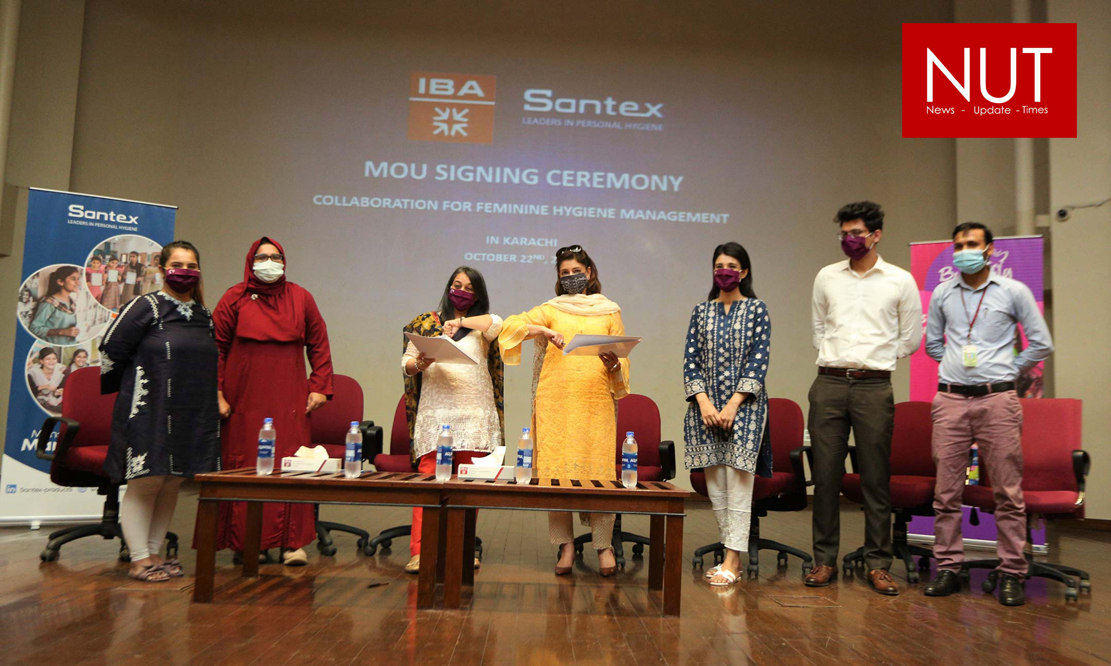
Karachi (Muhammad Yasir) Santex Products, one of the first manufacturers of feminine hygiene products in Pakistan, has partnered with the Institute of Business Administration (IBA), Karachi, to raise awareness for access to sanitary napkins within the campus facilities.

Under this partnership, Santex will supply its breathable range to fill in the four newly installed feminine hygiene vending machines at both campuses.

Marketing Manager, Santex Products, Ms. Rodrigues said, “As female students, campus life becomes challenging when there is a lack of access to such necessities. We are beyond delighted to be able to partner with the IBA for such a critical cause. As a brand, our mission is to create awareness for feminine hygiene needs and provide our consumers with innovative and high-quality products.”

Speaking at the event, Assistant Professor Marketing, and former Patron, IBA Student Council, Dr. Nida Aslam added, “A significant number of the IBA students comprise of females and it is imperative that we provide a comfortable space for them to study, work and to nurture their skills. It endorses the fact that we need more females in the top management to bring a positive change in our society.”

Businesses committed to a sustainable future: Focus remains on good ethics, inclusive growth and environment

To mark the Global Ethics Day 2020, ACCA (the Association of Chartered Certified Accountants) joined forces with CFA Society Pakistan, HBL, ICMA Pakistan, Pakistan Stock Exchange Limited (PSX), and the Pakistan Business Council’s Centre of Excellence in Responsible Business (CERB) for a series of panel discussions engaging country’s top business leaders.

Titled ‘The Big Conversation – Ethics and Sustainability’, and covering five highly relevant topics, the conversations explored how organisations can play a role in building a fairer and more ethical world and commit to minimising environmental impact whilst putting social responsibility at the heart of business strategy.

The conversation leaders constructively discussed the pressing ethical and environmental challenges of today and exchanged views and solutions on how organisations can blaze the trail of sustainability and cultivate a culture of workplace ethics. 

The business leaders stressed that businesses can continue to deliver financial returns while generating positive value for society and being environmentally responsible for the planet. As our world strives to recover from the impact of Covid-19, they feel that there is a growing demand for organisations and nations to become fairer and more sustainable.

The panel discussions included country’s most prominent business leaders and sustainability trailblazers, including luminaries from the regulators such as Sadia Khan, Commissioner, Securities & Exchange Commission of Pakistan, Dr Inayat Hussain, Executive Director – FS & BSG – State Bank of Pakistan, Bushra Naz Malik, Member, Competition Commission of Pakistan, Usman Hayat, CEO, Audit Oversight Board, and Farrukh H. Khan, CEO/ Managing Director, Pakistan Stock Exchange.

There was also a strong representation of financial services sector with panellists such as Jamal Nasir, Chief Human Resource Officer, Habib Bank Limited, Mohammad Shoaib, CEO, Al Meezan Investment Management Limited, Khurram Shahid FCCA, Head of Investment Banking – AKD Securities, Ayesha Aziz, CEO, Pak Brunei Investment Company Ltd., and Mashmooma Zehra Majeed, CEO, MUFAP.

To share the perspective of corporate sector, progressive, forward-thinking business voices, such as Syed Ali Naseer, Chief Business Officer, Jazz, Almas Hyder, Chairman, Synthetic Products Enterprises Ltd. & Engineering Development Board, Naz Khan, Chief Strategy Officer, K Electric, Ahmad Ali Zia, Group Chief HR Officer & CEO – People & Business Partnering, HRSG, and Ehsan Malik, CEO – Pakistan Business Council, also contributed with their exclusive insights and recommendations.

To examine the challenges raised by new technologies and propose solutions, leadership of the tech industry was also present to deliberate on how organisations can build trust in a digital age. Thought leaders from the tech sector included Zouhair Khaliq, Co-Founder & Partner, TeamUp, Asif Peer, CEO/ Managing Director, Systems Limited, Jehan Ara, Founder, The NEST I/O & President, P@SHA, Faisal Qamar, Co-Founder – HRSG BPO, and Shahjahan Chaudhary, Project Director, National Incubation Centre (Karachi).

Sajjeed Aslam, Head of ACCA Pakistan and Dr. Arshad Ahmad, Vice Chancellor, Lahore University of Management Sciences shared how our education sector can help the professionals of the future build an ethical character and prepare them to lead on the issues of sustainability and environment.

Acknowledging that the accountancy profession has a vital role to play in promoting the highest standards of ethics and upholding public trust, the conversations featured a strong representation from the profession, with contributions from Asim Siddiqui, Country Managing Partner / CEO, EY Ford Rhodes Pakistan, Muhammad Asim, President, CFA Society Pakistan, Omer Zaheer Meer FCCA, Managing Partner, MLCC, Zia-Ul-Mustafa, President, ICMA Pakistan, Stuart Dunlop, Market Director – MESA, ACCA, Nick Pollard, Managing Director Asia Pacific, CFA, Ayla Majid FCCA, Managing Director, Khalid Majid Rehman, Javaria Malik, Director Marketing and Communications, ICMA Pakistan, and Sadaf Shabbir, Director, CFA Society Pakistan. 

Attended by a large number of business professionals and students, the conversations aim to promote awareness and inspire individual action.

The conversations were based on following five themes:

  • Ethics & Trust – Regulatory Coherence in the Digital Age
  • Balancing the demands of modern business and customer needs
  • Workplace Ethics – Startup Ecosystem fuelling workforce of the future
  • A force for Public Good: Accelerating inclusive economic growth
  • Reimagining Future Skills in the Age of AI and Data: Bridging the Gap Between the Academia and the Real World

Global Ethics Day is an annual, international day dedicated to exploring the role of ethics in today’s world. Founded by the Carnegie Council, organisations are encouraged to hold programmes focusing on ethics, such as lectures, film screenings, debates, panel discussions, or activities to protect the environment.

In addition to these virtual panel discussions, to celebrate Global Ethics Day 2020, ACCA in Pakistan also conducted several other activities such as a Virtual Film Festival & Teach-in, Ethics Essay Competition in partnership with CFA Society Pakistan, the release of ACCA’s latest research into sustainable public finances, and a global prize themed ‘Ethics and Trust in Finance for a Sustainable Future’.


The IBA Testing department conducts largest single day recruitment drive in history

Around 5,000 candidates appear for the Sindh Revenue Board sanctioned position

Since 2019, around 20 public & private sector Co. have been offered recruitment services

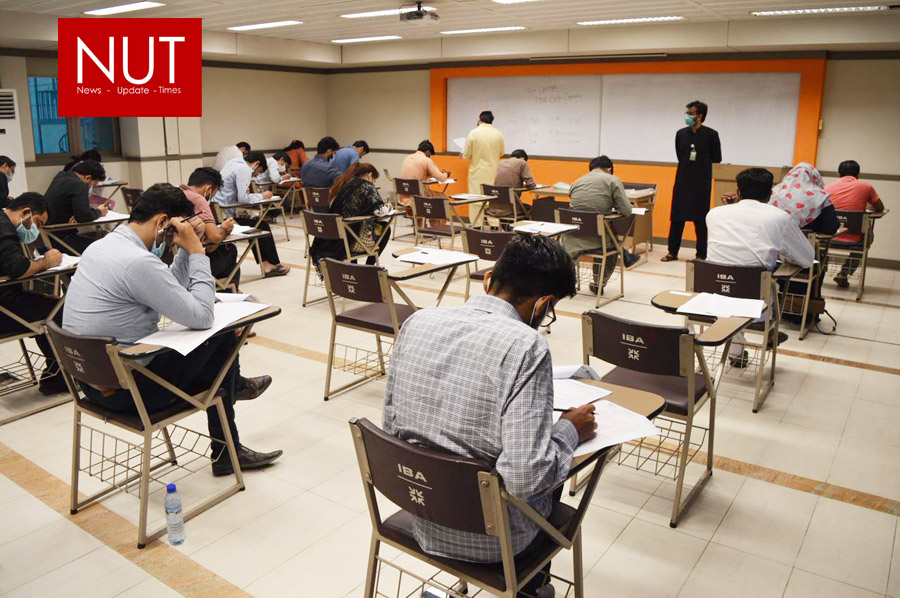
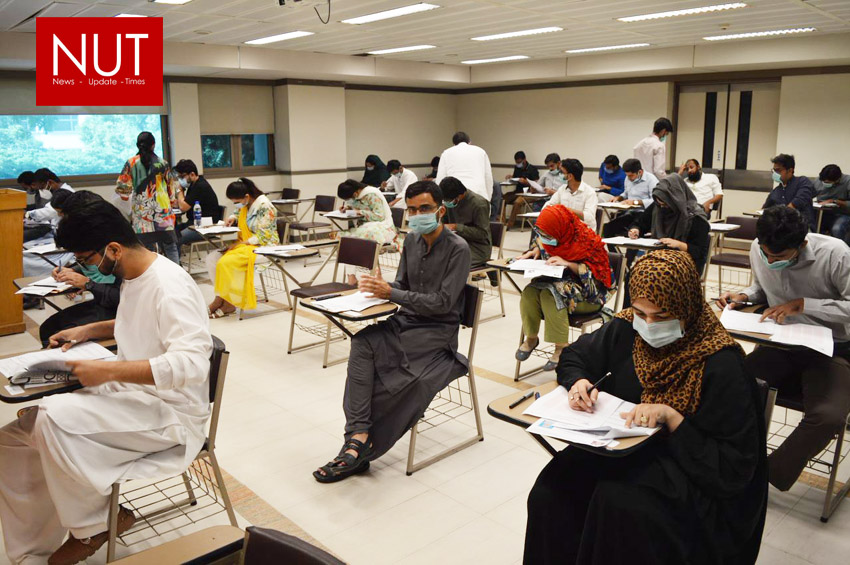
Karachi (Muhammad Yasir) The Testing department at the IBA Karachi conducted the largest single day recruitment drive in its history as around 5,000 candidates appeared for the position of Sindh Sales Tax Officer sanctioned by the Sindh Revenue Board. The test was conducted in three cities across Sindh including Karachi, Hyderabad, and Sukkur. Special arrangements were also made for differently abled candidates. The successful candidates will undergo group discussion and interview process after which up to 40 candidates may be offered the coveted position by the Sindh Revenue Board.

The IBA Testing department has been offering recruitment services for multi-tiered positions including Directorial level posts for renowned private and public sector organizations. Last year, the IBA Testing department became the first testing agency in Pakistan to conduct recruitment tests across the globe simultaneously. The candidates residing in United Kingdom, Canada, UAE, and Pakistan took the test for the position of Trade Officers sanctioned by the Ministry of Commerce, Government of Pakistan.

During 2019-20, a staggering total of around 20 recruitment tests were conducted in which around 10,000 candidates were tested for different key positions at Sindh Revenue Board, Sindh Healthcare Commission, Ministry, PWC Ferguson, Sindh Universities & Boards Department, Ministry of Commerce, Pakistan State Oil, PAK-ARAB Refinery, Ministry of Overseas Pakistanis & Human Resource Department, Ministry of Commerce & Textile Commerce Division, National Insurance Company Limited and Total PARCO, to name a few.

Besides offering testing services to organizations, every year the IBA Testing department conducts admissions tests for its undergraduate, graduate, and postgraduate programs which attracts more than 11,000 candidates across Pakistan. This year, due to the spread of Covid-19, the Testing department introduced an Alternative Assessment Criteria to replace its admission tests for all degree programs and received commendations from academic circles for ingenuity, adaptability, and execution.