IBA Karachi holds a book launching ceremony for a biography on Dr. Ishrat Husain

Karachi (Muhammad Yasir) The Institute of Business Administration (IBA) Karachi held a book launching ceremony for a biography on Dr. Ishrat Husain, Former Advisor to the Prime Minister on Institutional Reforms and Austerity and Former Dean and Director IBA, at the IBA City Campus. Attendees included the IBA faculty, students and alumni, media, members from the academia, corporate sector and diplomatic corps.

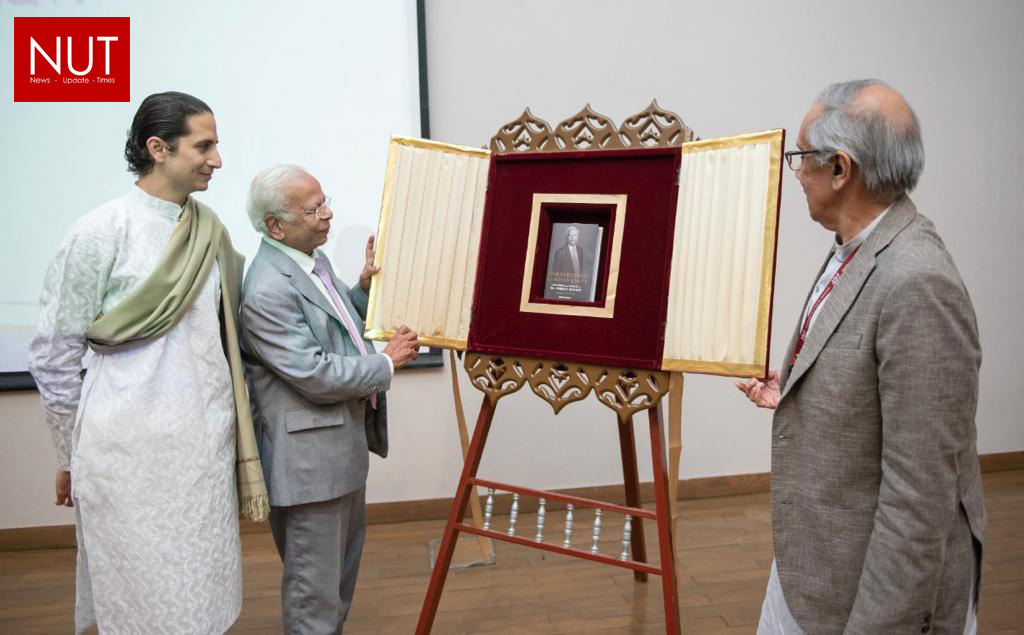
‘Unravelling Gordian Knots – The Work and Worlds of Dr. Ishrat Husain’, is authored by Mr. Sibtain Naqvi and explores the life and times of Dr. Husain, from his earliest days in a refugee camp in newly made Pakistan to his impactful tenures in the civil services, World Bank, State Bank of Pakistan, academia and institutional reform. The book illustrates different dimensions of Dr. Husain’s prowess as an exceptional economist, reformist and educationist.

The event commenced with a welcome note by Ms. Malahat Awan, Director, Alumni Relations, Resource Mobilization and Corporate Relations, IBA. She shed light on the legacy that Dr. Husain has left behind and how he transformed the IBA. Esteemed speakers including, Dr. Husain; Dr. S Akbar Zaidi, Executive Director, IBA, Dr. Syed Noman ul Haq, Dean, UMT, Lahore and Mr. Sibtain Naqvi, book author, were invited to the stage.

Sharing her experience of working with Dr, Husain, Dr. Lalarukh Ejaz, Assistant Professor, School of Economics and Social Sciences, IBA, stated that Dr. Husain had reformed IBA in terms of introducing modern teaching pedagogies, creating a conducive environment for undertaking research, developing infrastructure and encouraging the female faculty to pursue PhDs. She said that Dr. Husain was a revolutionary leader who facilitated the faculty to enhance their abilities. Dr. Ejaz also said that she was proud of her student Mr. Naqvi for penning this phenomenal book.

Dr. Saima Husain, Assistant Professor, School of Business Studies and Director QEC, IBA, commended Dr. Husain for bringing many scholarships and studying opportunities for the IBA fraternity. She fondly recalled Dr. Husain’s instrumental role in attaining her PhD. She opined that Dr. Husain was a visionary leader, who also had empathy for all.

Dr. Irum Saba, Associate Professor, School of Business Studies, IBA, commended Dr. Ishrat as a role model for many around the world and stated that he was a serial transformer of organizations.

Mr. Muneer Kamal, Former Chairman NBP, stated that the book narrates Dr. Husain’s zest for life. Appreciating the biography, he mentioned that the book encapsulates 80 years of Dr. Husain’s exceptional journey, from the pre-partition era to the current times. Mr. Kamal credited Dr. Husain with being a great manager of people and said that the State Bank of Pakistan is a complex organization and Dr. Husain managed it effectively as he can align the right person to the right role and that he transformed SBP from a relaxed organization to a vibrant one.

Mr. Naqvi stated that it was an honour to write a biography on Dr. Husain. Explaining the title of the book, ‘Unravelling Gordian Knots’, he narrated how Alexander the Great was confronted with a complex knot and how effectively he dealt with it. Similarly, Dr. Husain has been confronted with many such knots in his various assignments and he solves them seamlessly, be it policy reforms or transforming institutes. He credited Dr. Husain as a modest individual who speaks humbly about his phenomenal achievements. He said that he decided to pen this book because institutions are key to a country’s progress and Dr. Husain had transformed many institutions which makes the biography a blueprint for national development and policy makers. Furthermore, there is a dearth of role models and Dr. Husain with his contributions of over 60 years in diverse fields makes him a great role model and an example for young adults. Thirdly, he is inspiring figure and the author wanted to encapsulate Dr. Husain’s life lessons for the future generations.

Dr. Zaidi opined that every institution that Dr. Husain has been associated with claims him as theirs due to the legacy that he leaves behind. Dr. Zaidi thanked Dr. Husain for transforming the IBA from an Institute to an interdisciplinary university with over 5000 students. He stated that the IBA fraternity is grateful for the physical infrastructure along with the world-class facilities and opportunities that Dr. Husain facilitated.

Commending the author, Dr. Noman ul Haq, thanked him for documenting Dr. Husain’s phenomenal achievements for generations to come. He appreciated Dr. Husain’s vigour to excel in diverse fields and stated that this book was a tribute to both Dr. Husain and Mr. Naqvi.

Dr. Husain stated that life is not a bed of roses and to be successful, one must face and navigate obstacles. Addressing his success at IBA, he credited his team for the success and stated that cooperation and teamwork is required for institutes to prosper. He also credited his wife for playing a supportive role in all his achievements. He commended Mr. Naqvi for his efforts in penning the complete story of his life and for his exhaustive research which including dozens of interviews and archival data. Furthermore, he advised the younger generation to have a life purpose and to contribute to the society. He emphasized that without equal educational and employment opportunities, social mobility cannot be attained. Dr. Husain encouraged the audience to think beyond their own progression and to enable the less privileged in achieving a better life and economic stability.

An engaging Q&A session ensued between Dr. Husain and the audience.

The evening concluded with Dr. Zaidi presenting a memento to Dr. Husain.
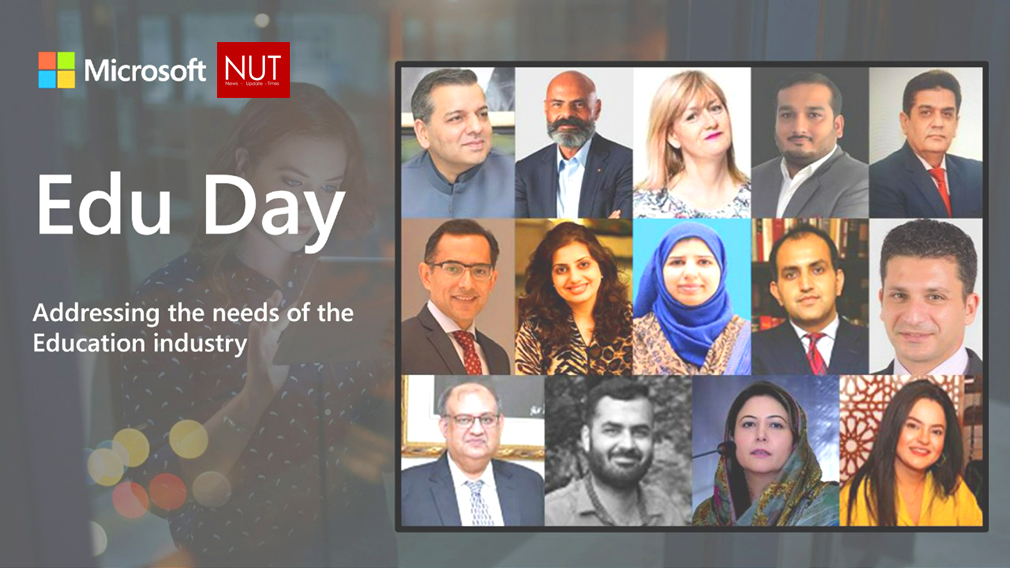
Microsoft Organized “Microsoft EDU Day 2022”with Top Education institutions of Pakistan

Islamabad (Muhammad Yasir) Microsoft Pakistan organized Edu Day 2022, a global initiative that is taken to attain its goal of seamless knowledge transfer through digitalizing the education system and transforming learning practices of institutions across Pakistan. The event was held virtually and attended by thousands of Educationists, school leaders, teachers, and Government officials in both the Public and Private landscape. It’s worth mentioning here that Microsoft has already entered into Education Transformation Agreements (ETA) with various academic institutions and Education departments across Pakistan including colleges and universities under the Higher Education Commission (HEC). The collaboration will prove to be beneficial for Government officials in the Education Department, school leaders, and teachers striving to balance their short-term decisions with long-term investments in students’ future through technology.

The core objective of this particular digital event was to showcase the country’s top educational institutions that are diligently learning and implementing Microsoft technologies. Also, how Microsoft is supporting the institutions in leveraging Microsoft’s customized products and services to digitize their core functions. In particular, Microsoft classroom features such as “Microsoft teams” that can help students, teachers, and staff to collaborate digitally for conversation, content sharing, and creating a robust environment of learning. The benefits of other useful tools such as OneNote, Minecraft for Education were also brought under discussion. The event successfully also brought under discussion ways to engage students in a hybrid model environment, access to appropriate devices and learning platforms, technology integration and student well-being, and the impact of continuous professional learning on educators.

The event was attended by a number of renowned Educationists and leaders of education across Pakistan including Education Minister Punjab Dr. Murad Raas, Microsoft Country Education Lead Mr. Jibran Jamshad, DG QAED Mr. Muhammad Ali Ammer, CIO HEC Mr. Nazeer Hussain and CEO Roots Millennium education Mr. Faisal Mushtaq.

Dr. Murad Raas, Education Minister Punjab graced the event by joining as a Chief Guest.  While expressing his thoughts he said that “Bringing the Teachers training in Punjab through QAED on Microsoft 365 enabled us to train over 300,000 plus of our teachers at a time when due to Covid things were at a halt. We are continuing the same platform even now which has not only bridged gaps for people in distant areas to benefit from the digital platform but also saved us considerable costs that are incurred hosting on-location training”

Ms. Shahpara Rizvi, Director Training, Sindh Education Foundation, Ms. Ayesha Karim, Chief, Research Innovation and IT, QAED, Ms. Sonia Saleem, CEO, Socio Engineering Technologies and Mr . Muzzamil Hussain, DevOps/IOT/R&D Lead, Punjab Group of Colleges joined  the event as panelists and shared their valued opinion on how Microsoft has positively transformed their digital journey in their respective organizations

Senior Regional Team of Microsoft including Mr. Ibrahim Youssry Regional General Manager – MEA MCC, Mr. Majed Akl, Director K12 Education, Microsoft MEA, Ms. Jaye Richards, Director Learning, Microsoft MEA, and Country Manager Pakistan; Mr Shahzad Khan also shared the latest perspective and trends in Microsoft to empower teachers and students across the globe.

Mr. Jibran Jamshad, Country Education Lead for Microsoft in Pakistan said that ““The last couple of years made us realize the massive impact of technology on our lives and the Education industry is no exception. The use of technology is equally needed for the public and private institutions and at the federal and provincial level. By driving customers through a cloud-first journey and modernizing their data centers/operations, gearing up students for future-ready skills through Microsoft certifications, modernizing classroom practices via hybrid learning, automating the back office through ERP and campus management system, we are trying not only to transform the system according to the need of the hour but also increasing efficiency and productivity”.

Bringing TVET Reforms through Skills for Gender Mainstreaming

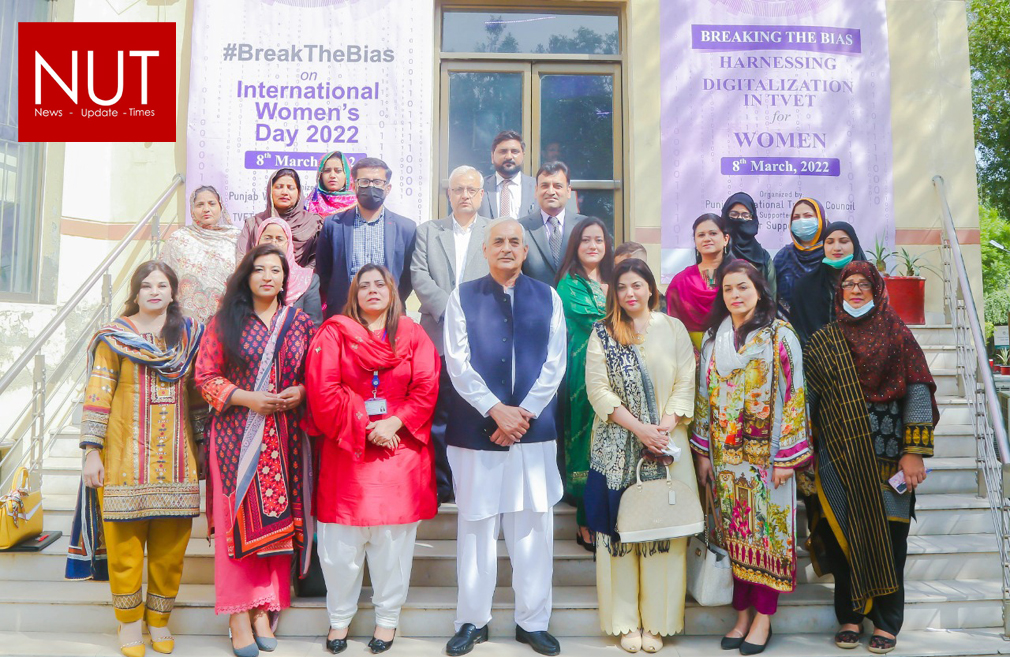
Lahore (Muhammad Yasir) The Punjab Vocational Training Council (PVTC) in collaboration with the European Union (EU), German and Norwegian government funded Technical and Vocational Education and Training (TVET) Sector Support Programme organized a seminar on “Breaking the Bias; Harnessing Digitalization in TVET for Women” on the occasion of Internal Women’s Day at its head office in Lahore.

The session was also streamed online from the social media accounts of PVTC and TVET Reforms to connect with larger audience and widespread the message. Speaking at the occasion, Chairman PVTC Major Shahnawaz Badar initiated the session with opening remarks on the role played by PVTC for promoting technical skills learning among women in Punjab. He added that technical education and vocational training have brought tremendous opportunities for women in Punjab to initiate their own small businesses as-well-as join the mainstream employment opportunities.

Women encouragement in leadership roles, bridging the gap in digital skills, role of women as entrepreneurs, making the workplace safe and harassment free, encouraging more women in digitalized TVET sector remain the key areas of the seminar and webinar. Ms. Sam Ali Dada President WCCI, Lahore graced the occasion as chief guest. She mentioned that, “implementation of the gender strategies in its true spirits can ensure women socio economic development in Pakistan. Women through her role can play the role of change agent for socio-economic uplift”.

During the session, Senior Technical Advisor Mr. Qazi Farid highlighted the role of Role of TVET SSP in women empowerment and gender mainstreaming. He added the importance of strategic interventions for engaging more women in the TVET sector for their economic participation. “Women are the 51% population in Pakistan. Their education and skills learning can not only help in supporting their families but a big share to the country’s economy”, he said.

This awareness measure was organized with the support of TVET Sector Support Programme which is funded by the European Union, the Federal Republic of Germany and the Royal Norwegian Embassy. The Programme has been commissioned by the German Federal Ministry for Economic Cooperation and Development (BMZ) and is being implemented by the Deutsche Gesellschaft für Internationale Zusammenarbeit (GIZ) GmbH in close collaboration with NAVTTC, TEVTA, PVTC, TVET bodies and private sector.

IBA Karachi hosts a 2-day workshop on ‘Doing History’ in Pakistan

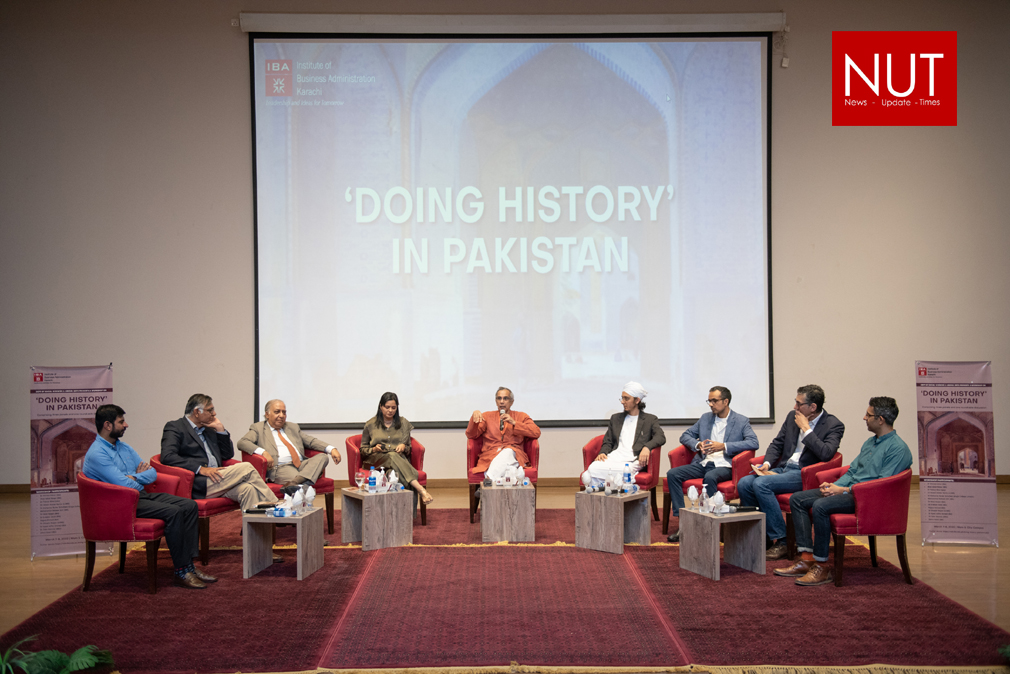
March 9, 2022: The Department of Social Sciences and Liberal Arts, School of Economics and Social Sciences (SESS) at the Institute of Business Administration (IBA) Karachi organized a two-day workshop titled, ‘Doing History’ in Pakistan, on March 7-8 to offer a platform for historians who are working in Pakistan as well as ‘on’ Pakistan and broader South Asia, to discuss issues related to their discipline and think about how they can adopt a more innovative approach towards the themes and topics they teach and the modes in which they teach them to students at local universities.

The keynote address was delivered by Dr. Katherine Butler Schofield, Senior Lecturer in South Asian Music and History, King’s College London, UK whereas four scholars from Quaid-i-Azam University (QAU), Beaconhouse National University (BNU), Lahore University of Management Sciences (LUMS), and IBA Karachi, graced the event as speakers and discussants.

Explaining the rationale behind the selection of speakers for the panels, Ms. Zahra Sabri, chief organiser of the workshop, and a Lecturer in Indo-Islamic History and Literatures at the SESS, IBA Karachi shared that she had tried to bring together scholars doing diverse kinds of History in Pakistan, to educate the audience about the discipline and what kind of History should or should not be done in Pakistan, but also to get a solid and specific taste of the diverse branches of History that prominent scholars in Pakistan are presently working on.

The Executive Director, IBA Karachi, Dr. S. Akbar Zaidi in his opening remarks said, “Where are the trained food historians, labour historians, historians of culture, or even institutions, in Pakistan, leave alone Pakistani historians teaching Latin American or African History? Or, for that matter, historians addressing questions of theory, and themes of a global or interconnected history?” He expressed that the event being organised at the IBA would address such vital questions and welcomed the students and teachers at the event.

The first panel, ‘Knowledge and Identity in the Persianate Ecumene’, featured presentations dealing with the History of Science, Literary/Cultural History, and Architectural History. Dr. Moiz Hasan from IBA, talked about the Iranian polymath theologian Sayyid al-Sharif al-Jurjani and his vision of the mathematical sciences; Ms. Zahra Sabri from IBA, discussed the famous Indian poet Amir Khusrau’s sense of pride in the linguistic and literary accomplishments of residents of Delhi who wrote in Persian; and Dr. Shayan Rajani from LUMS, analysed South and Central Asia’s architectural heritage to highlight how places like Kandahar and Sindh were historically linked through ties of Mughal sovereignty.

The second panel, ‘National Narratives and Local Histories’, focused on Intellectual History and explored how local and regional histories interacted with (by either aligning with or departing from) mainstream or state-promoted versions of history. Dr. Tahir Kamran from BNU, spoke of how the arrival of an Arab Sufi pir Abdur Rahman in the Jhang district of Punjab over a thousand years ago is preserved in the collective memory of the local people through oral literary genres; Mohammad Nabeel Jafri from IBA, drew on ethnographic examples of political themes dealing with Iqbal and Jinnah in the oratorial practices of Shi‘a scholars to demonstrate how multiple nationalist and historiographical narratives exist and proliferate in the imaginations and practices of Urdu-speaking Shi‘a in Pakistan; and Dr. S Akbar Zaidi from IBA, presented evidence from late 19th century Urdu newspapers and other writings to demonstrate how a self-conscious feeling of having suffered ‘humiliation’ at the hands of British colonial rulers became a force for action of socio-religious reform and revival among Muslims in post-1857 north India.

The third and last panel of Day 1, ‘Historising Labour, Ecology, and Economy’, grappled with themes relating to Economic History. Dr. Ahmad Azhar of LUMS, drew on the concrete example of the railway workers’ movement of Lahore, to analyse core theoretical debates in the field of South Asian Labour History, and argue for understanding distinct working-class cultures on their own terms; Dr. Hasan Haider Karrar from LUMS, analysed the effect of salination and seawater incursion on the Indus delta and discussed how longer histories of development and state-building can be told through visible environmental transformations and oral histories; and Dr. Fakhar Bilal from QAU presented findings from his historical case-study of the madrasah Jami‘ah Khair ul-Madaris to analyse how the socio-economic circumstances of post-Partition land allocation and the surplus financial wealth generated by the Green Revolution in the Punjab contributed to the successful relocation of a Deobandi madrasah from Jalandhar, East Punjab (present-day India), after Partition, to a city like Multan which has long been associated with more traditional expressions of Islamic mysticism or Sufism.

Dr. Katherine Butler Schofield’s keynote address, ‘Archives Differing: Stereophonic Methods, Auditory History, and the Paracolonial Indian Ocean c. 1760-1860’ was focused on the History of Music and dealt with the challenges of writing the history of soundworlds in South Asia and the wider Indian Ocean region before the era of recorded music. Through rich visual illustrations and textual quotations, she demonstrated the value and importance of looking at diverse kinds of colonial and indigenous textual archives and paintings to form notions of past musical contexts via Persian, English, Urdu, Braj, and Hindi documents and musical treatises.

The last session of the workshop was a roundtable discussion bringing together many speakers to highlight the directions in which the study of History in Pakistan has been going in recent years, and the need to improve and diversify pedagogical and research practices in the field. Dr. Syed Jaffar Ahmed, Dr. S Akbar Zaidi and Dr. Tahir Kamran spoke of the damage that has been done to the discipline of History by limiting it merely to something called ‘Pakistan Studies’ and tying it to state-sponsored ideological projects of nation-building. They emphasised how even while teaching Pakistani History as a state-mandated obligatory subject at the college level, teachers can adopt creative solutions to bring more diverse and critical material into the classroom rather than a simple, dry recital of the legal and political steps involving the creation of Pakistan. Dr. Hasan Karrar made a case for encouraging the teaching of a wide variety of History courses for the benefit of students from all fields, and not just for History majors.

The workshop was attended by IBA students, staff, faculty, alumni, and participants from other universities. Gathering suggestions from the audience, speakers reached the conclusion that there was an overall desire for teaching History, of adopting more innovative approaches in the teaching of History such as introducing students to diverse kinds of textual and non-textual oral and material archives, of the need to do a better job in curating the historical archives that do exist in Pakistan, and of teaching the histories of less prominently discussed sectors of the population, such as common labourers , artisans, religious, sectarian, ethnic minorities, women and transgenders.

FrieslandCampina Engro Pakistan promotes higher education for women

FrieslandCampina Engro Pakistan promotes higher education for women; awards scholarships to farmers’ daughters

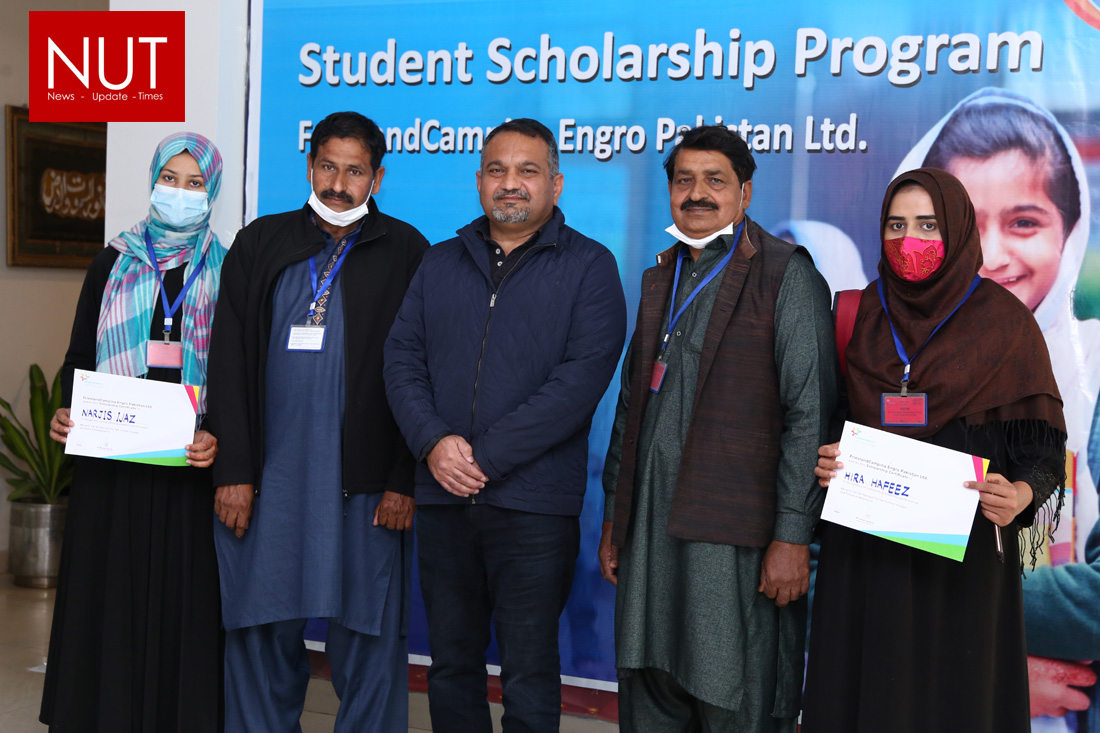
Karachi (Muhammad Yasir) FrieslandCampina Engro Pakistan Ltd, building upon their scholarship program aimed specifically for the children of their dairy farmers, awarded 2 Student Scholarships under the FCEPL Scholars Initiative.

Muhammad Sohail Sarwar Chaudhary, Head of Agribusiness at FCEPL, awarded the scholarships covering a year’s tuition fee to Hira Hafeez, daughter of Hafeez Ahmed from Dunyapur, and Narjis Ijaz, daughter of Ijaz Gondal from Pindi Bhattian. Hira Hafeez is pursuing a PhD degree in Botany and Narjis Ijaz is set to complete her matriculation.

Dairy farmers are the backbone of FCEPL’s supply chain. Improving the lives of the farmers and their families is a vital part of the company’s ethos. This year, in line with the theme of Women’s Day to ‘Break the Bias’, the Company is committed to promote quality higher education, particularly for women and girls within its farmer community.

“There is no better way to break the bias and empower our girls than by educating them.” Stated Sohail Chaudhary, Head of Agribusiness, at the award ceremony. “When we educate the women, we create a positive impact on their families, their communities and above all, our nation.”

In November last year, the Company awarded 2 scholarships to students, parents of whom were associated with FCEPL as farmers and continues to promote education, especially among girls, total number of women trained so far through EWID program is an upward of 8200 ladies. The farmer community is integral to the Pakistani dairy economy and their advancement and upkeep is the responsibility of all stakeholders. This relationship of trust between the dairy farmers and FrieslandCampina spans decades and the Company is committed to strengthening this bond for years to come.

Golfers Swing to Support Deaf Education

Lahore (Nut Desk)

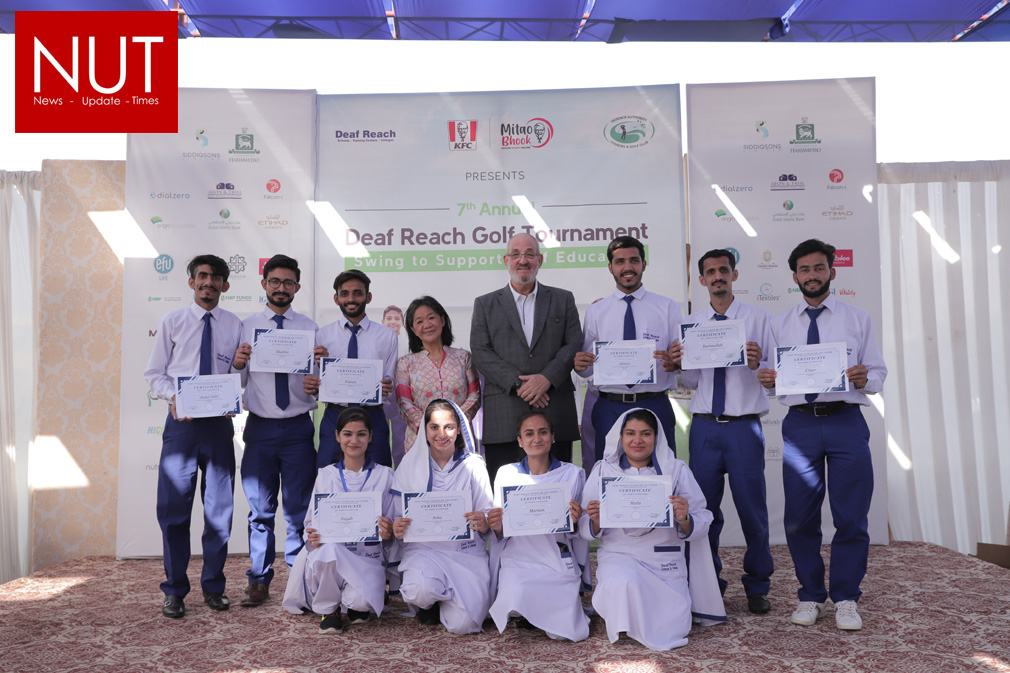
Deaf Reach hosted their 7th Annual Charity Golf Tournament with the support of their title sponsors, KFC Pakistan on Sunday, March 6, 2022.

The 18-hole tournament, held at DHA Golf & Country Club evidenced the community’s overwhelming support with 160 golfers participating, making it Pakistan’s largest ever golfing tournament. It was planned in the 4 Ball Texas Scramble format with teams of 4 players and two flights per hole.  

Support from reputable organizations towards better educational facilities for the deaf persons in Pakistan was visible with leading industry names in attendance. Gold Sponsors for the event were Siddiqsons and Habib Metro. Silver Sponsors included Aeon & Trisl, Dial Zero, Etihad Airways, Engro Foundation, Dubai Islamic Bank and Falcon-I.  

The proceeds of the tournament form part of the Pervez Hanif Scholars Fund formed in honor of the late chief patron of this tournament. The fund overs the education and skills training of 400 students enrolled in Class 6 across the seven Deaf Reach Schools in Sindh and Punjab.

The players and their families along with friends and supporters of Deaf Reach were hosted at a Luncheon and Award Ceremony. This was extra special this year as 18 of Deaf Reach students who had scored A1 Grades in the HEC Part II Board Exams were awarded their graduation certificates and shields.

Richard Geary, Founder – Deaf Reach, and Raza Pirbhai, CEO – KFC Pakistan, and other distinguish guests presented trophies to the winners. Thanking the audience and the organizations who have helped Deaf Reach grow to 7 campuses around Pakistan.

Raza Pirbhai, at the ceremony, spoke of the collective positive impact that the KFC Pakistan – FESF partnership is able to bring to the deaf community. “We are so proud of the excellent work that Deaf Reach is doing to make Pakistan more inclusive and diverse every day. All of us at KFC Pakistan are excited to find ways to deepen our partnership with Deaf Reach towards providing equal opportunities to the deaf community.”

Suzuki Motors sponsored the Hole in One Prize and the players had an absolute adventure trying to score the stunning model of Suzuki Swift, released in 2022.

Some of the winners of the 7th Annual Deaf Reach Golf Tournament were Tabish Sabbah, Zunair Khan, Fahad Ishtiaq, Salman Ali, Azhar Abbas & Faisal Mukaty.

Join the cause to make education a reality for these children, and visit www.deafreach.com for more details.

International Women’s Day Program at Kinnaird College!

Lahore (Muhammad Yasir) In celebration of the International Women’s Day 2022, Kinnaird College for Women, Centre for Learning and Cultural Development in partnership with Rouge London , Youth Revolution Clan and Punjab Population Innovation Fund (PPIF) is organizing an event on Tuesday, March 8, 2022 from 5PM – 9PM. The objective of this event is to celebrate social, economic, cultural and political achievements of women.

The event will also recognize the achievements of young women who are inspiring today’s youth for a progressive and inclusive Pakistan.

The year 2022 is especially important as it marks the 27th anniversary of the Beijing Declaration and Platform for Action; the most progressive roadmap for the empowerment of women and girls, everywhere, the 22nd anniversary of UN Security Council resolution 1325 on women, peace and security; and the 12th anniversary of UN Women’s establishment. An interactive panel discussion of inspiring women leaders/activists, parliamentarians, government institutions, academia, sector specialists, media and students will take place.

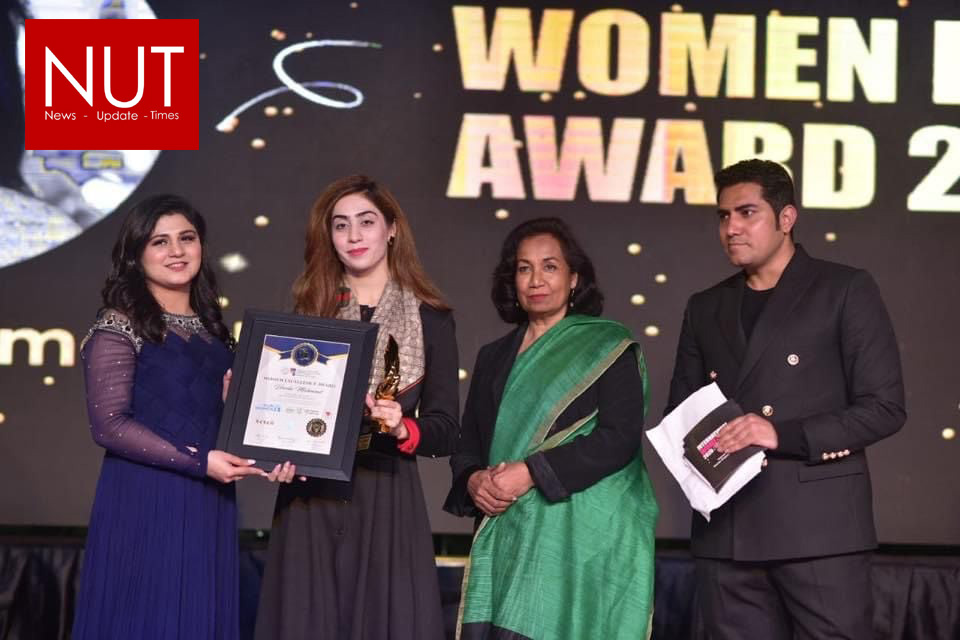
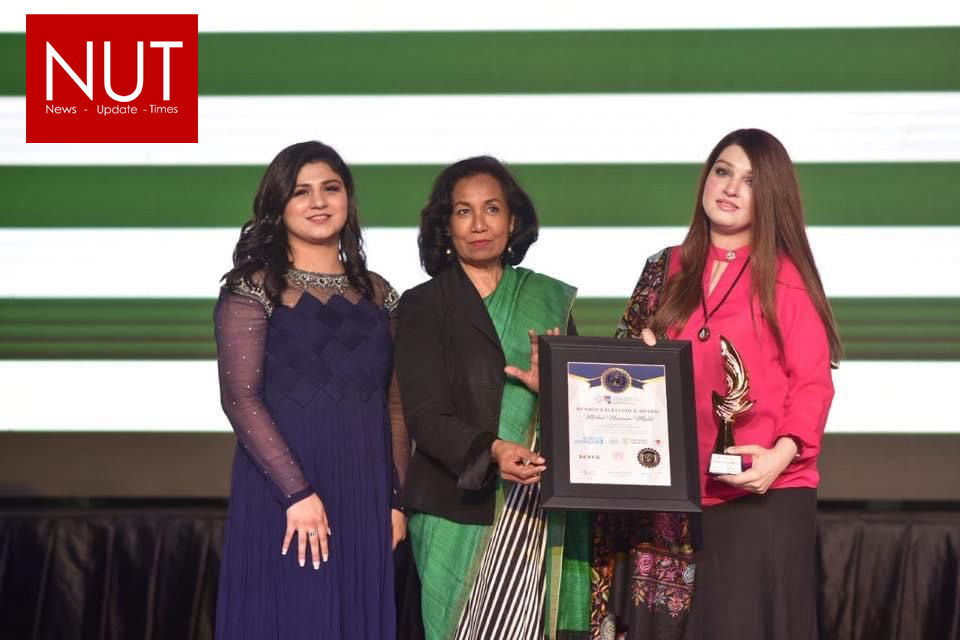
This will be followed by Excellence Awards presented to leaders in women empowerment and health. Event will be chaired by Dr. Rukhsana David, Principal Kinnaird College for Women. Event will be Co-Chaired by Rizwan Anwar and Miss Maha Jamil.

BARD Foundation Establishes 2 Deans’ Chairs at LUMS

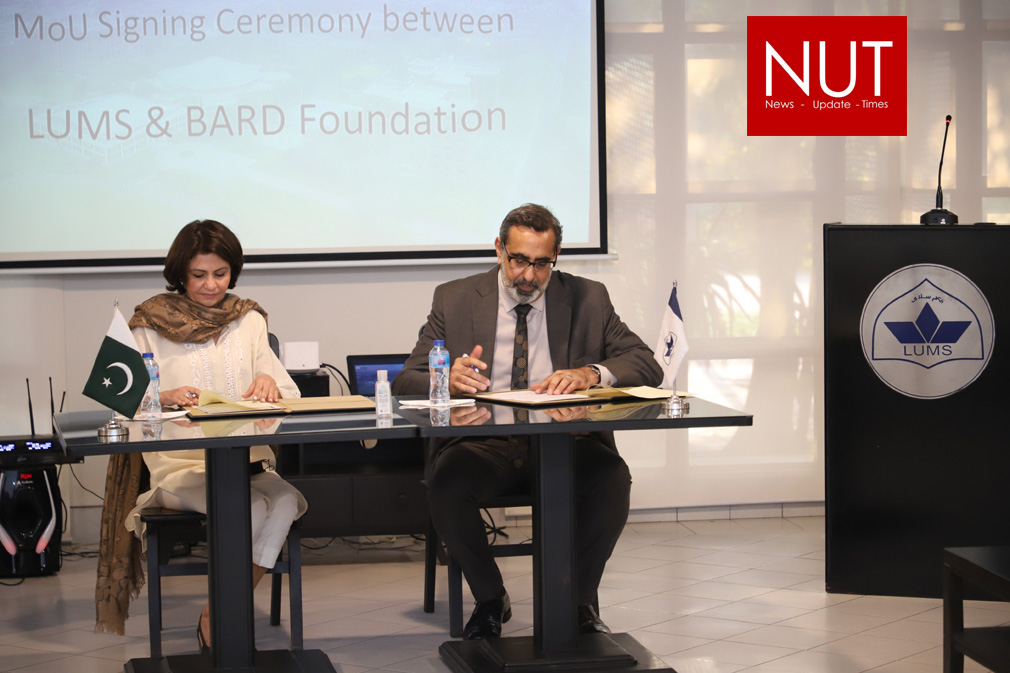
Lahore (Muhammad Yasir) The Bilquis and Abdul Razak Dawood (BARD) Foundation has signed a MoU with Lahore University of Management Sciences (LUMS) to establish two Deans’ chairs. These chairs will be funded through an endowment worth PKR 400 million; one at the Suleman Dawood School of Business (SDSB), and the other at the Mushtaq Ahmad Gurmani School of Humanities and Social Sciences (MGSHSS). The chairs are aptly named “Abdul Razak Dawood Chair” and “Bilquis Dawood Chair” to honor the founding members of the foundation.

In attendance were board members of both organizations including BARD Foundation’s Member Board of Governor Mehreen Dawood, LUMS Vice-chancellor Dr. Arshad Ahmad, LUMS Founding Pro Chancellor Syed Babar Ali, Dr. Parvez Hassan and Mr. Shahid Hussain. The event was inaugurated with the official signing of the contract that bound BARD and LUMS on another remarkable journey of success, followed by keynote addresses from notable members of the two organizations.

Speaking about the initiative, BARD Member Board of Governor Mehreen Dawood said, “The spirit of giving back to society is the main reason why we created BARD Foundation. LUMS has been a very important endeavor for my father, Abdul Razak Dawood, because it is an institution that was founded to shape and mold the youth of the country. Over the past 20 years, BARD Foundation has empowered and enabled the youth of Pakistan by allowing them to pursue excellence in their chosen fields and by providing them skills for livelihood.”

Acknowledging Razak Dawood’s and BARD’s unwavering support of LUMS, Syed Babar Ali highlighted that the two research chairs link the foundation with LUMS forever and serve as a token of gratitude to the Razak Dawood family for carrying out the tradition of generous donations since the institute’s inception.

LUMS Vice-chancellor Dr Arshad Ahmad added, “BARD’s ongoing support has been invaluable to further our institutional goals. For over 3.5 decades, Mr. Razak Dawood has provided opportunities to students and helped our business school to excel beyond borders. These research chairs will help LUMS towards our shared goal of strengthening scholarships, fellowships, and friendships that will enhance our relationship with the industry and society at large.”

The BARD Foundation is a venture undertaken by Bilquis and Abdul Razak Dawood to enable less fortunate individuals to realise their potential as champions in their chosen field. The Foundation’s primary goal is Changing Fortunes with a special focus on Education and Sports. Another is people development through skills. One such initiative of the Foundation is Descon Technical Institute, which imparts vocational skills to enable individuals to change their lives for themselves and their families.

President of Pakistan delivers a compelling speech at Model United Nations IBA Karachi (MUNIK XII)

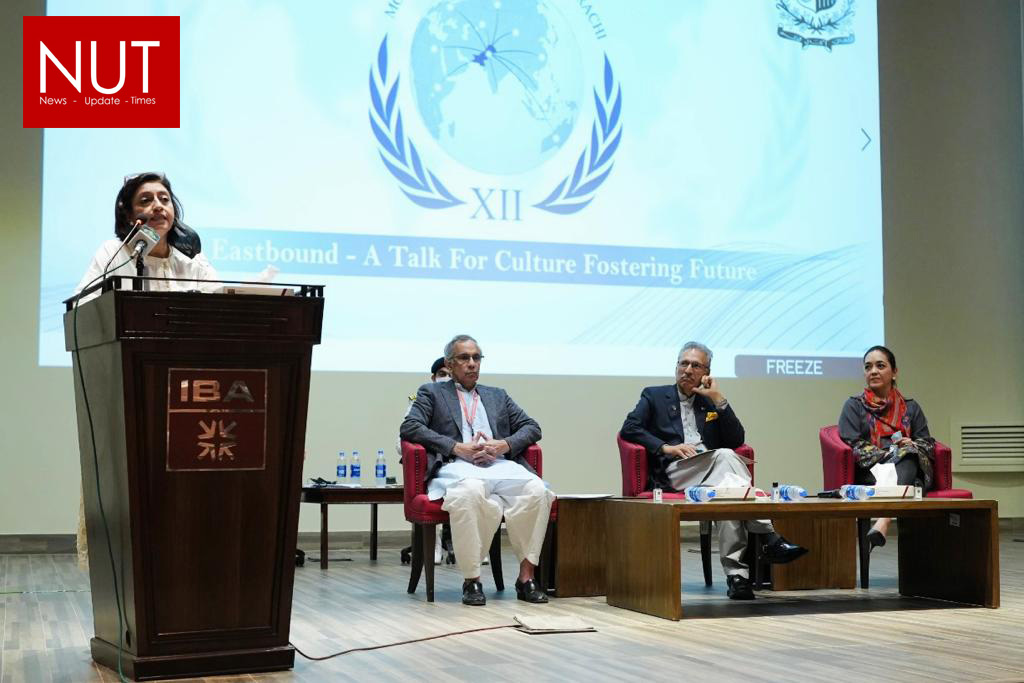
Karachi (Muhammad Yasir)  The Public Speaking Society (PSS) at the Institute of Business Administration (IBA), Karachi hosted the President of Pakistan, Dr. Arif Alvi, at a panel discussion on ‘Eastbound – A Talk for Culture Fostering Future’, at Model United Nations IBA Karachi (MUNIK XII).

Inaugurated in 2008, MUNIK is an entirely student-run, non-profit event which provides a platform for young, bright minds to debate on diverse issues from across the globe. With this year’s theme, “Impact through Inclusion”, MUNIK XII strives to continue its legacy of discourse, diversity, and diplomacy.  

The panel of speakers included, the President of Pakistan, Dr. Arif Alvi; Executive Director IBA, Dr. S Akbar Zaidi, Associate Professor, School of Economics and Social Sciences, IBA, Dr. Huma Baqai; and Visiting Faculty and Patron PSS, Ms. Nadia Sayeed. Attendees included, Manager IBA PSS, Zara Imran; Director General MUNIK XII, Syed Osama Zaidi; members of the IBA faculty and administration, MUNIK Host Team members and delegates of the conference. 

The aim of this session was to discuss the Eastern political landscape and the role played by forums such as MUNIK to encourage discourse about pressing current issues.  

Dr. Zaidi delivered a warm welcome address and said that the IBA promotes inclusivity and diversity and that the students are given admission based on merit. Furthermore, He added that 25% of the IBA students receive some form of financial assistance. He also apprised the audience of IBA’s journey from a business school to to a multi-disciplinary Institute with 5000 students and around 150 faculty members. Dr. Zaidi also stressed upon the importance of dialogues and discourses that result in peaceful settlements. 

Keynote speaker, Dr. Baqai discussed the pressing current conflicts in the world, particularly highlighting the ongoing Russian invasion of Ukraine. She urged the audience to recognize the importance and relevance of international organizations and the role of conferences, such as MUNIK XII, to teach students crucial skills including negotiations, diplomacy, and conflict resolution. She concluded her speech with a powerful statement, “Competition is good, but cooperation is better”.

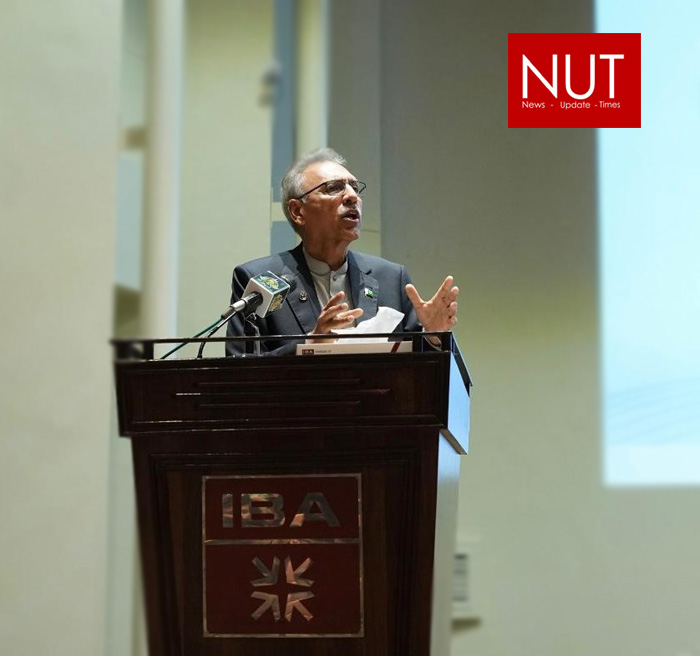
Addressing the audience, Dr. Alvi expressed his delight at addressing delegates at an Institute that promotes merit. He commended the IBA and MUNIK team. The esteemed President spoke in detail on the importance of communication in today’s world, and how one should always remain empathetic towards other’s experiences. He added that communication is the window to one’s mind.

On current political events, he expressed his sympathy for the people of Ukraine, expressing Pakistan’s stance of engaging in dialogue and striving for a peaceful solution to resolve the conflict. To punctuate his statement, he shared glimpses of historical peace movements with the audience. The President also shared that historically and in the modern world, people of color have always been treated differently to their western counterparts, citing events such as the ongoing conflict in the Middle East. The President provoked the audience, especially the young delegates of MUNIK, to ponder the role of international organizations and how they can be improved by learning crucial lessons from history.  

Ultimately, the President’s speech accentuated the need for morality and humanity to remain at the forefront during international conflicts. He lastly stated the importance of a platform like MUNIK XII to amplify young Pakistani voices.

Unilever Pakistan and CircleWomen to train young women in Rahim Yar Khan with digital skills

in 2022, 50 women will be trained to enable them to enter the local workforce

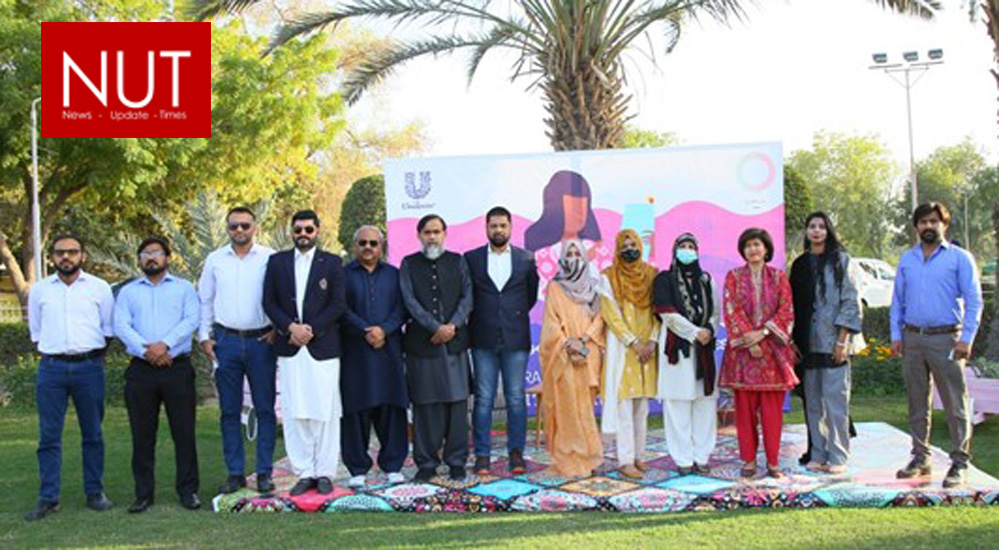
Lahore (Muhammad Yasir) Unilever Pakistan and Circle Pakistan have partnered to set up a digital training program exclusively for deserving women in the city of Rahim Yar Khan. This program will train 50 women in 2022 and another 200 women by 2023.

As part of this effort, Unilever Pakistan and Circle Women will set up a technology hub within the Unilever School in Rahim Yar Khan to make it a place for young women to learn basic digital skills, digital marketing, design, business skills and promote financial inclusion. The target age group for the students will be 18-30 and the students will be required to have completed their matriculation education.

Amir Paracha, Chairman & CEO, Unilever Pakistan highlighted, “Unilever Pakistan has been a part of Rahim Yar Khan since 1948. This is the city where our journey began in the country, and it is always going to be a place that is closest to our heart. This effort will Increase skills and livelihood opportunities for the women in RYK and will open a new pipeline of potential employees and talent in the city.”

Arif Surti, Works Director RYK, Unilever Pakistan, shared, “Our factory in Rahim Yar Khan is the largest in the region, generating livelihoods for hundreds of households in the city. We are also focused on creating diversity by providing a safe environment for women to join the workforce.”

Sadaffe Abid, CEO, Circle Pakistan added, “I am glad to bring this effort to Rahim Yar Khan in partnership with Unilever Pakistan. Circle is committed to women’s economic empowerment and has trained 500 young women from undeserved communities in various parts of Punjab and Sindh on key digital skills such as coding, digital marketing and design to enable them to secure internships leading to jobs or freelancing gigs.”

Unilever Pakistan is the country’s largest FMCG, present in Pakistan since 1948. The company has over 30 brands spanning Home Care, Personal Care, Foods, Beverages, and Ice Cream with over 97% local production, through 4 factories and 5 co packers.

CIRCLE started with the mission of working towards women’s empowerment and leadership development through advocacy, research, technology and innovative entrepreneurship labs, and impactful leadership programs to grow women in leadership roles. CIRCLE provides digital skills from basic digital literacy for women at grassroots level to coding, digital marketing and more.