AKU, IBA Organize Dialogue on Undergraduate Education

Karachi (Muhammad Yasir)

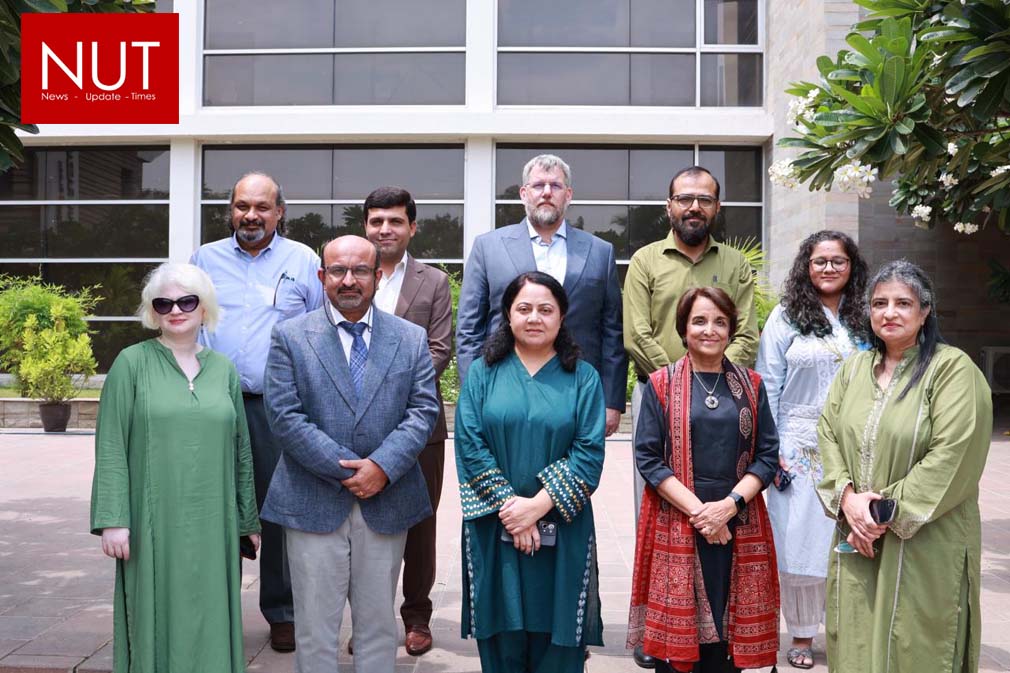
The Aga Khan University’s Institute for Educational Development (AKU-IED), in partnership with the School of Economics and Social Sciences (SESS) at the Institute of Business Administration (IBA), hosted a pivotal dialogue on the future of undergraduate education.

Held at IBA’s Main Campus, the event brought together esteemed scholars and educational leaders from renowned institutions including AKU, IBA, Habib University (HU), Lahore University of Management Sciences (LUMS), and the University of Balochistan (UoB). The dialogue, spearheaded by Professor Asma Hyder, Dean of SESS, IBA and Professor Farid Panjwani, Dean of AKU-IED, centered on the evolving landscape of undergraduate education amidst global challenges and technological advancements.

Dr Panjwani emphasised the importance of this initiative, stating, “Undergraduate students are at a stage of idealism and creativity, making it the profound responsibility of universities to nurture their potential through critically progressive and historically grounded education. This demands regular reflection on the nature of this education, ensuring it remains fit for purpose. Educators must rethink the purpose, relevance, and structure of undergraduate education to prepare students for an uncertain and complex future.”

The dialogue featured several thought-provoking sessions. Dr Faisal Bari (LUMS) led a discussion on the delicate balance between skill acquisition and theoretical knowledge in undergraduate education. Dr Aaron Mulvany (HU) explored the interplay between specialisation, interdisciplinarity, and multidisciplinary approaches, urging institutions to break away from traditional academic boundaries.

Dr Anjum Halai (AKU) examined the potential and challenges of joint degrees, courses, and co-teaching models, advocating for new perspectives to create a more integrated and enriching learning experience for students. Dr Aurangzaib Alizai (UoB) underscored the importance of inclusion and diversity, highlighting the need to teach students how to coexist, embrace diversity, and respect differing opinions as integral parts of their education.

Dr Hyder stressed the significance of collaboration among institutions, noting, “In today’s complex society, the challenges we face demand that educators rethink the very purpose, relevance, and structure of education at all levels.”

This dialogue marks the beginning of a series of discussions aimed at reimagining undergraduate education. Through shared insights and experiences, educational institutions can work together to develop academic structures that not only address contemporary challenges but also serve students in the best possible way.
AKU alumna returns to Pakistan after 30 years as Dean

Pakistan (Muhammad Yasir)

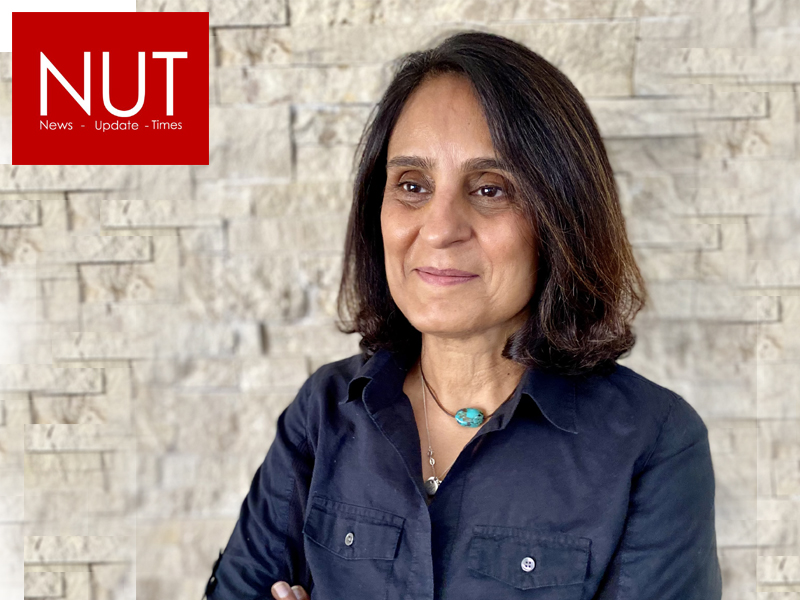
Dr Salimah Walani has been named the next Dean of the Aga Khan University School of Nursing and Midwifery, Pakistan, effective August 1, 2024, as announced by AKU Provost and Vice President, Academic, Dr Tania Bubela. The appointment follows a thorough and competitive recruitment process, which was facilitated by an international search firm and overseen by a dedicated search committee.

Dr Walani graduated from AKU-SONAM, Pakistan, in 1987, and subsequently served as a faculty member at the university for six years. She then pursued a Master of Science in Nursing from Simmons University, Boston, a Master of Public Health from Harvard University, and a PhD in Nursing Research and Theory Development from New York University.  

Dr Walani comes to AKU with extensive global health and academic experience.  Her impressive career includes faculty positions in graduate programmes at Felician University in New Jersey, the University of Connecticut, Arizona State University, and Pace University in New York.

She has also held senior leadership, advisory, and consultative roles with notable organizations such as the New York City Department of Health, the World Health Organization, UNICEF, New York University, March of Dimes, among others.

Before joining AKU, Dr Walani served as Global Policy and Advocacy Advisor at MiracleFeet – a US-based not-for-profit organisation with programmes in 35 countries.  Before that, she was Vice President of Global Programs and March of Dimes Foundation for almost a decade.

In 2014, she created a partnership to launch the World Birth Defects Day – a global movement for advancing prevention and care of congenital anomalies. She is also a member of the World Health Organization’s Technical Advisory Group for Birth Defects and is an honorary member of the International Clearinghouse for Birth Defects Surveillance and Research.

Dr Walani is preceded by Dr Tazeen Saeed Ali, also an alumna, who served as Interim Dean of the School from 2023 to July 2024.


PSDF to Reinforce CM Punjab’s Vision of Empowering Punjab’s Youth

Lahore (Muhammad Yasir)

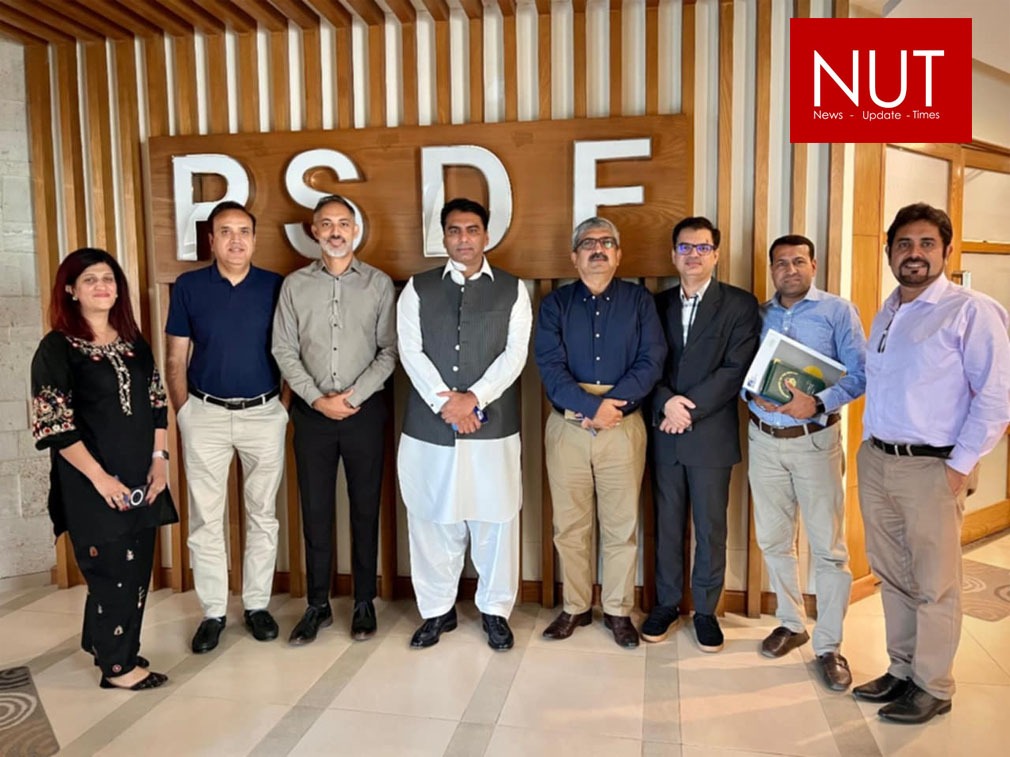
Chairperson CM Task Force on Skills Development, Adnan Afzal Chattha said that following the vision of the Chief Minister, Maryam Nawaz Sharif, the government will usher a skilled and empowered youth population. During a visit to Punjab Skills Development Fund’s (PSDF) head office, Chattha observed that to bridge the skills gap in a rapidly evolving job market, the government intends to boost the skill development of youth, marginalized communities, and women from rural areas. By aligning with the Chief Minister’s vision, the Task Force aims to create sustainable employment opportunities, drive economic growth, uplift the socio-economic status of the youth, and provide high-quality human resources for international placement, especially in GCC regions. In the meeting, it was discussed to focus on programs for skill development, which included the Chief Minister’s Skilled Punjab Development Program, Chief Minister Skills Development Program for Transgenders, and Empowering Women by Way of IT Training Across Punjab. Moreover, he also mentioned the Chief Minister’s focus on developing the ecosystem of international accreditations, targeting global job placements, resulting in a higher remittance flow and improved living standards which he emphasized would come from globally recognized certifications in IT courses by industry leaders such as Google, IBM, Meta, Microsoft, etc. Hence, improving the country’s freelance landscape and increasing opportunities for the workforce in the global market. The Chairperson appreciated the PSDF’s exemplary track record of imparting training and skill development among the youth of Punjab, stating: “PSDF’s dedication to excellence and innovation, combined with its strategic public-private partnerships, plays a pivotal role in equipping Punjab’s youth with the skills necessary for a prosperous future. By leveraging these strengths, we can create a truly future-ready generation”. Special focus on internationally recognized certifications in Hospitality, Healthcare workers, and IT along with developing soft skills components including language and personal grooming will be the areas to drive manpower export growth potential for the youth of Punjab. These combined efforts will provide opportunities for over 30,000 people. For 14 years, PSDF has been a beacon of hope and progress for Punjab’s youth, leading the charge in skills development with remarkable achievements.

Pakistani Youth Leaders showcased Prime Minister’s Youth Programme at 22nd International Sustainability Conference in Geneva

Pakistan (Qasim Ali)
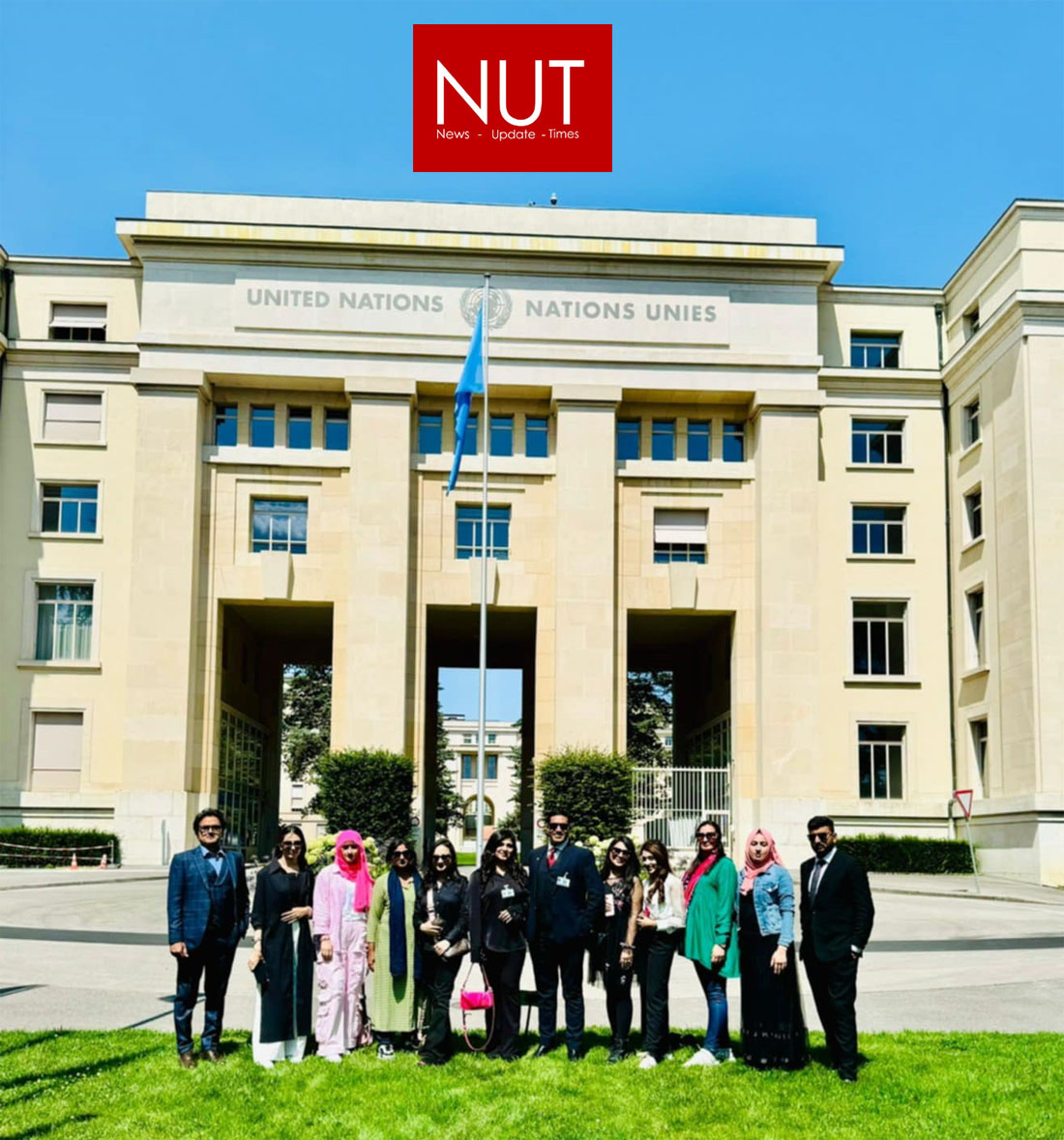
Mr. Rizwan Anwar Global Youth Ambassador to United Nations and Ms. Maha Jamil UN Youth Advocate represented the Prime Minister Youth Programme (PMYP) at the United Nations Headquarters in Geneva during the 22nd International Sustainability Conference. 
Mr Rizwan Anwar underscored the proactive involvement of Pakistan’s youth in driving social transformation. Speakers emphasized that, under the visionary leadership of Prime Minister Shahbaz Sharif, the government of Pakistan is implementing strategic measures to ensure sustainable youth development. 
The PMYP is committed to advancing four pivotal areas: Education, Employment, Environment, and Engagement.
The 22nd International Sustainability Conference was graced by participants from the United Kingdom, United States, Indonesia, Malaysia, Pakistan, France, Norway, Ireland, Scotland, Switzerland, Poland, Turkey, Azerbaijan, China, Korea, and Canada. The international delegates commended the success of the Prime Minister Youth Programme, with Commonwealth representatives particularly advocating for the adoption of similar initiatives within Commonwealth countries, in light of Pakistan’s chairmanship of the Commonwealth Youth Ministers Task Force.
Senior officials from the *United Nations* expressed their appreciation for the accomplishments of the Prime Minister Youth Programme and pledged their support to promote this development model on a global scale.

The Noorani Foundation Akhuwat School Students Achieve 3rd Best Matric Board Results in Punjab, Showcasing Innovative Education Model

Empowering and Transforming Pakistan’s Underprivileged Students.

Pakistan (Muhammad Yasir) The Noorani Foundation – Akhuwat School, a not-for-profit institution, celebrates a remarkable achievement as its first batch of students ranks 3rd in the Matric Board results across Punjab. This cohort, with 46 students scoring grade A+ and 2 students securing grade A, achieved the best results in Faisalabad, trailing only behind the prestigious Hassan Abdal and PAF Sargodha schools in Punjab. This academic triumph underscores the efficacy of The Noorani Foundation’s innovative approach to building low-cost boarding schools, designed to bridge the education gap for Pakistan’s most marginalized communities. Established in 2019, the foundation aims to transform students’ lives through quality education and mentorship that only a boarding school environment can provide. “We are immensely proud of our students. This success showcases the untapped potential within every child in Pakistan, emphasizing the need for nurturing platforms to foster their growth,” said Mr. Tasneem Noorani, Founder of The Noorani Foundation. “At The Noorani Foundation, we aim to break the cycle of poverty and inequality, not just in Faisalabad but throughout Pakistan. We are already planning our next boarding school in Swabi and encourage the Government and other organizations to learn from our practices to scale these low-cost boarding schools across the country.” The Noorani Foundation was founded on principles of equity, compassion, and education. Inspired by the Akhuwat Foundation’s philosophy of interest-free microfinance, it provides high-quality education to financially constrained children, offering nearly 100% scholarships and covering all room and board expenses. The students hail from all provinces of Pakistan, predominantly from low-income households with an average monthly income of PKR 25,000 to 35,000. The Noorani Foundation – Akhuwat School’s outstanding 10th-grade results on the Faisalabad board are a testament to the effectiveness of the Foundation’s approach, proving that every Pakistani child needs an opportunity to excel. About The Noorani Foundation: The Noorani Foundation is registered with the Government of Punjab as a Trust under the legal title of The Noorani Foundation Trust with the acronym TNF. The Board of Trustees includes: Mr Tasneem Noorani former Civil Servant, Dr Amjad Saqib Founder Akhuwat, Gen Ahsan Saleem Hayat former Vice Chief of Army Staff, Mr. Sikandar M.Khan Chairman Millat Tractors Air Marshall Arshad Malik former Chairman PIA TNF was established in 2019 by former Federal Secretary Mr. Tasneem Noorani. After leading the development of Sargodhian Spirit Trust (SST) alongside fellow graduates from PAF Public School Sargodha for almost a decade, Mr. Noorani set up TNF in pursuit of providing boarding school education at a minimum cost for the poor. The foundation relies on the support of patriotic Pakistan to fund its endeavours.

AKU-EB’s Role in Developing Global Standards in Educational Assessment Recognised

Karachi (Muhammad Yasir)

The Aga Khan University Examination Board (AKU-EB) proudly announces its significant contribution to the development of the International Standards for Educational Assessment, recently launched by the International Association for Education Assessment (IAEA) in May 2024. These globally accepted standards set benchmarks for best practices in examinations and assessments worldwide.

Aligned with IAEA’s vision, these standards ensure valid, reliable, and fair assessment decisions across various contexts. They not only empower organisations by providing operational and technical guidance, but also encourage self-reflection and critical review of current practices.

The creation of these standards was a seven-year journey led by the IAEA Recognition Committee, comprising members from various countries. Pakistan was represented by Dr Naveed Yousuf, CEO of the Aga Khan University Examination Board, who played a pivotal role in this esteemed committee. The committee’s diligent efforts in drafting and refining these standards have resulted in a robust framework reflecting global best practices in educational assessment.

In its International Standards for Educational Assessment Organisations report 2024, the IAEA expressed gratitude to all organisations involved in the pre-pilot and pilot evaluation of these standards, including the Aga Khan University Examination Board. AKU-EB, along with other assessment organisations from Azerbaijan, Singapore, Hong Kong, Zambia, Zimbabwe, UK, Netherlands, Bahrain, and others, played a crucial role in this development process.

AKU-EB’s involvement in the IAEA’s initiative underscores its commitment to advancing educational assessment practices. By contributing to the development of these international standards, AKU-EB reaffirms its commitment to providing high-quality, fair, reliable and valid educational assessments.

IBA Karachi and partners team up to elevate deserving students

“Let your journey here be a steppingstone towards greater achievements, both for yourself and for our country.”  General Manager, Ihsan Trust, Mr. Fayyaz Ur Rehman

Pakistan (Muhammad Yasir) The Institute of Business Administration (IBA), Karachi, organized an orientation ceremony for Talent Hunt Program students – Batch 2024 at the Main Campus to welcome more than 300 enrolled students from diverse regions including Baluchistan, KP & FATA, Gilgit-Baltistan, Punjab, and Sindh.

IBA Karachi, in collaboration with Ihsan Trust and Oil & Gas Development Company Limited (OGDCL), remains dedicated to fostering educational opportunities for talented students across Pakistan. Each year, the Institute hosts an intensive orientation program, equipping deserving candidates from underserved communities with the necessary skills to pursue admission at not only IBA, but also other esteemed educational institutions all over Pakistan. 

This year the students started their training under the Talent Hunt Programs: IBA-IHSAN TRUST National Talent Hunt Program and IBA-OGDCL Talent Hunt Program. After training and entrance exam, selected students receive scholarship up to 100% for a four-year undergraduate program, including accommodation, meals, and other essential educational costs.

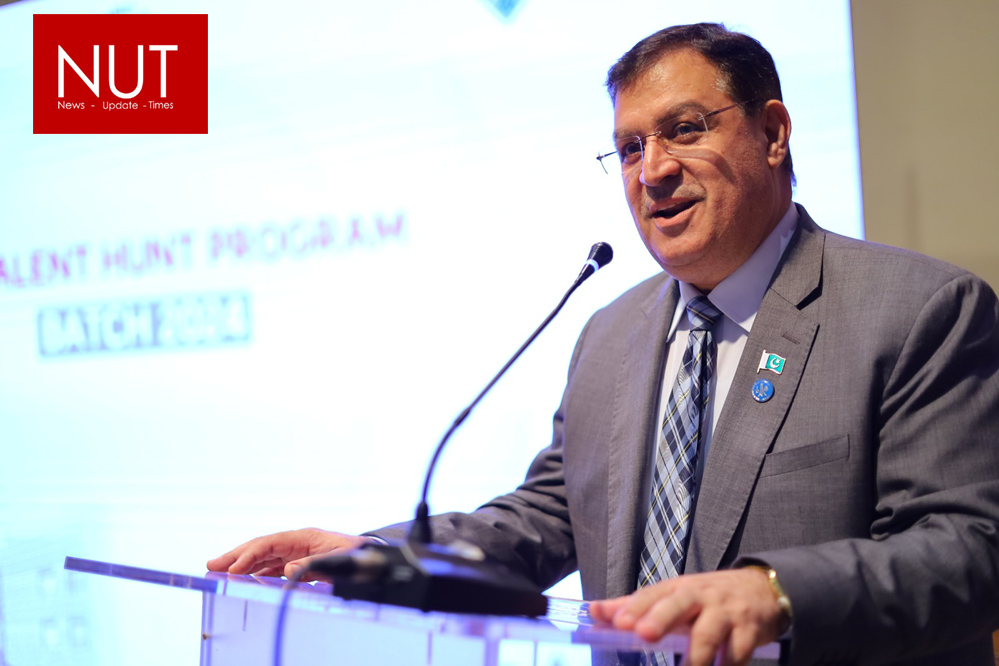
Director, Talent Hunt Program (THP), Dr. Junaid Alam Khan delivered the welcome note, stating that “IBA stands as one of the few distinct institutions in the country that not only sets the best standards for quality education, but also strives to make it accessible and affordable for deserving students.” He also thanked THP’s esteemed partners and donors including Ihsan Trust and OGDCL. He further expressed the program’s mission to reach new heights through several partnerships with organizations and individuals with shared values and dedication.

Assistant Manager, THP, Syed Rizwan Ali Bukhari, gave a presentation showcasing the impact and success of the Talent Hunt Program. He stated that over 300 students from 67 districts across Pakistan are part of the program with 65.23% males and 34.76% females.

Acting Executive Director and Dean SMCS, Dr. Shakeel Khoja presented an inspiring welcome note, narrating the success story of Nadeem, a student from the first batch of Talent Hunt Program, who after graduating from IBA worked in several prominent positions, authored many books, and is now pursuing a PhD from Boston University. He stated further that “IBA is known for producing street-smart graduates, meaning that our graduates will come up with a solution to every problem.”

The event featured numerous program participants who shared their experiences within the program, along with stories of their background and journey. They represented areas including Hunza, Gilgit & Baltistan, Lasbela-Baluchistan, Layyah, Lakki Marwat, Tando Allahyaar and underprivileged areas of Karachi. The students expressed their ambition not only to succeed personally through the program but also to return to their communities and uplift them.

Head of Education, Agha Khan Education Service, Pakistan, Mr. Aien Shah expressed heartfelt gratitude and appreciation for the event, emphasizing, “We have witnessed how IBA has changed lives and contributed to the upliftment of talent in the most inaccessible areas.”

General Manager, Ihsan Trust, Mr. Fayyaz Ur Rehman delivered a heartfelt message emphasizing the value of education and community support. He stated, “Today, I encourage all of you to remember your roots and cherish the support of your parents. Let your journey here be a steppingstone towards greater achievements, both for yourself and for our country.” He highlighted the importance of honesty and dedication in personal and professional life, urging everyone to strive for excellence while staying grounded in their principles.

General Manager, OGDCL, Mr. Abdur Raziq Khattak commended IBA for their effort and for providing students with state-of-the-art facilities. He said, “This program is not just about financial support, it’s about empowering the youth to lead with integrity and compassion, transforming communities from within.” He opined that he believes in nurturing leaders who are not detached from their roots and embrace their responsibilities with humility.

Guest speakers from organizations including PAF Masroor Base, Dil Amna College, Kiran Foundation, and TCF also addressed the audience.

 The event concluded with a vote of thanks by Dr. Junaid Alam Khan and the sharing of mementos with the guests.

Aga Khan University Ranks Top 5% Globally for Advancing SDGs

NEWS SUMMARY: AKU recognized for impactful research, education, and health services contributing to SDGs

Karachi (Muhammad Yasir)  The Aga Khan University (AKU) has been ranked in the top 5% of higher education institutions globally for SDG 3 ‘Good Health and Well-Being’, according to the Times Higher Education (THE) 2024 Impact Rankings. AKU is placed at an impressive 55th position out of 1,498 institutions worldwide.

The University has been acknowledged for its overall contributions to research, education, and health services.

AKU researchers publish extensively on various SDGs, with a strong focus on SDG 3 (Good Health and Well-being). The University scored highly in three categories: research, number of students graduating in health-related areas and collaboration with health services. According to a bibliometric analysis by AKU, SDG 3 received the highest attention from faculty with over 2,500 publications between 2017 and 2023.

Sustainable Development Goals have been integrated across the University through inclusion of optional education modules such as SDG courses offered at the Institute for Global Health and Development, Institute for Educational Development, and inclusion of SDGs in the postgraduate curriculum at the School of Nursing and Midwifery. AKU also supports national government policies and curriculum development.

Other prominent scholarly contributions are to SDG 2 (Zero Hunger) and SDG 10 (Reduced Inequalities).

“The global relevance of AKU scholarship is further demonstrated by the fact that nearly 80 percent of faculty publications in 2022 were aligned with the United Nations Sustainable Development Goals,” said Dr Salim Virani, AKU Vice Provost, Research in a statement in the University’s Research Magazine.

“If we examine the past, we see that research at AKU has grown rapidly in volume, quality, diversity, recognition, impact and reach. If we examine the present, it is clear that the University’s research capacity is impressive, especially given its youth compared to many universities and the fact that it operates in resource-limited environments.”

AKU is dedicated to fostering future leaders who are equipped to tackle multidimensional challenges. Through its academic programmes, the University encourages creative and critical responses to development issues, preparing students to make meaningful contributions to their communities and beyond.

As part of the Aga Khan Development Network (AKDN), AKU works closely with the Aga Khan Health Services to advance the goal of health for all in the regions it serves.

AKU’s ranking in SDG 3 mirrors the ranking in 2022, showing the University’s commitment to excellence, quality, and health care, which is now recognised globally. The submission to Times Higher Education was made by Dr Anil Khamis, AKU SDG Focal Point with the help of University Registrar Dr Laila Akbarali and Associate Registrar Nasreen Sheikh.


AKU unveils plans to establish CVD intervention centres in rural Sindh

Karachi (Muhammad Yasir)

The Aga Khan University’s Center for IMPACT for Cardiovascular Risk Reduction Studies held an inception meeting where it laid out its research and development plans to combat the rising incidence of cardiovascular diseases, mostly in rural Sindh.

Prof Zainab Samad, Chair of the Department of Medicine at AKU, who presided over the meeting said, “While we may attribute the rising trends of CVDs in rural areas of Sindh to the increasing temperatures, lack of workplace safety, or dietary reasons, it’s also true that we have the capability to design healthcare frameworks to counter these trends.”

The Secretary Health for Sindh, Mr. Rehan Iqbal Baloch, shared his thoughts on the research and development plans saying, “These research initiatives are vital to enhance community relations, especially in areas with limited infrastructural access. We appreciate the Aga Khan University’s efforts in reaching out to the marginalized communities across the board and raising awareness on intervention methods regarding cardiovascular diseases.”

The meeting shed light on a detailed research and development strategy aimed at establishing affordable and timely healthcare intervention approaches to address the potential risks of CVDs. Besides this, the research also outlines the demographics that may be more vulnerable to CVD-inducing factors.

“School children are one area of the population with the highest risk of CVDs. Enabling timely healthcare access and public awareness may help curb these risks, and also stem the rise of other non-communicable diseases linked to cardiovascular health” said Prof Dr Salim Virani, Vice Provost Research at AKU.

The Centre for IMPACT work package at AKU, funded by NIHR in the United Kingdom, aims to identify the best multi-faceted approaches to eliminate cardiovascular emergencies in Sindh by combining previous research and healthcare intervention techniques.

AKU, WHO, and UNICEF stress the need to save youth from non-communicable diseases

Karachi (Muhammad Yasir)

The Aga Khan University’s Department of Community Health Sciences (CHS) has kicked off a three-day conference to discuss and resolve adolescent health issues, with participation from the World Health Organization (WHO) and United Nations Children’s Emergency Fund (UNICEF). The conference, titled “Healthy Futures: Preventing Non-Communicable Diseases (NCDs) in Young Hearts and Minds,” sheds light on critical and under-discussed topics such as screen time, obesity, substance use and abuse, mental health problems, sedentary lifestyles, educational curricula, and lifestyle innovations that must be implemented on a large scale to counter these problematic trends. Chief Guest Dr Fouzia Khan, Chief Executive Advisor, School Education Department, Government of Sindh said, “Encouraging young people to live a healthy and active lifestyle requires massive efforts on behalf of their parents, teachers, and other social institutions. Acknowledging the current state of our youth is the first step towards lifestyle modifications towards a better future.” The three-day conference includes research presentations, panel discussions, plenary talks, and a variety of other activities designed to encourage dialogue among academic experts, healthcare professionals, and teachers alike. Dr Lamia Mehmud, Regional Adviser Non-Communicable Diseases Prevention at the World Health Organisation (WHO) said, “A coalition of pioneering health faculties with local governments and grassroots mentors is what we need to get to our young people. It’s vital for our young ones to enjoy their lives, but we need to teach them how to avoid risking their wellbeing for the sake of fun or comfort.” Adolescents comprise one-fifth of the Eastern Mediterranean Region’s population, representing a critical developmental stage. WHO emphasizes prioritizing adolescent health to combat non-communicable diseases (NCDs), responsible for over half of disability-adjusted life years (DALYs) and 20% of deaths among those aged 10-19. The Youth Health Council engages youths in NCD prevention strategies. Aside from research and dialogue discussions, the conference also provides an opportunity for young people to explore and engage in informative activities and exhibits about non-communicable diseases, their consequences, and how these adolescents and young adults can significantly improve the quality of their health by making small lifestyle changes. Abdullah A. Fadil, UNICEF’s representative in Pakistan, stated that it’s critical to connect and relate to our pre-teens and teens rather than leaving them in silos. “Non-communicable diseases (NCDs) are among the top three causes of death for children aged 10-14 in Pakistan and are the leading cause of death for girls between the ages of 15 and 19. There is an urgent need for parents, caregivers, teachers, mentors, and young people themselves to prioritize physical and mental health of adolescents. To safeguard young hearts and minds from NCDs, several actions can be taken immediately by individuals and educational institutions. These include: increasing physical activity and decreasing screen time; choosing more nutritious foods and limiting substance use; allocating more resources to mental health services; reducing air pollution; and incorporating age-appropriate climate change, mental health and physical education in the national curriculum.” The conference also emphasizes the importance of tackling NCDs in teens, which requires attention from governing bodies and the scientific community, as well as pressing concerns such climate emergencies and the availability of public spaces. Dr Romaina Iqbal, Section Head NCD and Mental Health, Department of CHS, said “Evidence suggests that 70% of the poor habits that lead to NCDs later in life are developed during adolescence. The Aga Khan University is ever ready and willing to play its role in educating adolescents about the dangers of sedentary and unhealthy lifestyles. With promising collaborations between public and private entities, we are sure we can divest our young population from wasting their lives in unhealthy engagements.” Prof. Zainab Samad, Chair Department of Medicine, said that “Prevention is better than treatment. Poor diet, physical inactivity, tobacco consumption, climate change and poor mental health are all associated with the development of NCDs in the Pakistani population. It is therefore important to modify all these factors so that we can prevent the development of NCDs”.