ABHI Onboards Hilal Group, Domino’s Pakistan, Shalimar Foods, to Provide Earned Wage Access to 2000 Employees

Pakistan (Muhammad Yasir)

ABHI, a financial technology company, has partnered with Hilal Group, a leading fast-moving consumer goods (FMCG) company, to provide AbhiSalary, an Earned Wage Access product, to Hilal’s workforce. The move aims to reduce financial stress and improve productivity among Hilal’s employees, who can now access their earned salaries before payday in just 30 seconds.

Hilal Group, which exports its high-quality branded food products to over 20 countries and aims to generate Rs 20 billion by 2023, has also made AbhiSalary available as a financial wellness benefit to the employees of Hilal Foods, Hilal Care, Domino’s Pakistan, and Shalimar Foods.

On the day of signing the partnership agreement, Mr Saad Ali Khan, Group CFO of Hilal Group of Companies, stressed the importance of providing financial wellness benefits to employees by saying “During this time, it’s important for companies to provide a financial wellness benefit to their employees. We’re proud to join hands with ABHI to financially empower our workforce of over 2000 hard-working people and enable them to access their earned wages at any time of the month.”

Mohammad Zaidi, Director of Sales and Business Development at ABHI said, “We are proud to partner with Hilal Group and financially empower 2000 salaried individuals. With AbhiSalary, they won’t need to wait for 30 days to access their salaries and will be able to make financial decisions with their own income.”

Overall, the partnership between ABHI and Hilal Group is a significant step towards improving financial well-being and increasing productivity among employees in Pakistan’s FMCG industry.

Discover more about ABHI and their services by visiting: www.abhi.com.pk or contact their public relations representative below.

Mastercard Becomes The Preferred Payments Partner Of Punjab Central Business District Development Authority

Collaboration will simplify everyday payments for citizens and companies operating out of the Central Business District

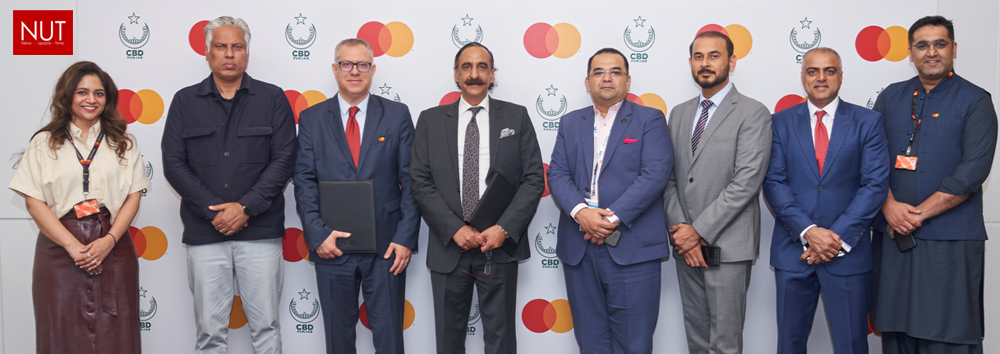
Pakistan (Muhammad Yasir) Mastercard has signed a strategic MOU with Pakistan’s Punjab Central Business District Development Authority (PCBDDA) to turn the community into a cashless economic zone and drive digital transformation in the country.

The collaboration will see Mastercard deploy its innovative smart city solutions in the Central Business District as the Preferred Payments Partner to enable investors, businesses, residents, and authorities to connect simply and seamlessly through digital channels. Citizens will be able to make everyday payments as well as pay for bills and utility services through automated portals.

Through the partnership, PCBDDA will achieve efficiencies across its various processes, including fee collection and other administrative services. The Authority intends to develop and promote environment-friendly urban regeneration projects on vertical principles. Mastercard will support PCBDDA in achieving this vision and establish a cashless framework within the community’s blueprint.

Speaking at the signing ceremony, Selim Ergoz, Senior Vice President, Government Engagement, Eastern Europe, Middle East and Africa, Mastercard, said: “As Pakistan embraces the power of digital payments, Mastercard is committed to driving digital transformation in the country through strategic public-private partnerships. We are working with the government across various sectors to digitize the nation’s economic infrastructure and offer communities a seamless smart city experience. The collaboration with PCBDDA is a milestone moment in this journey as we look to create a fully cashless community that offers convenience, simplicity, and security.”

 Imran Amin, CEO, PCBDDA, said: “Mastercard has a stellar track record of supporting cashless communities in several economic hubs around the world. We value the expertise that they will bring as we look to power PCBDDA with the flexibility and safety of smart economic solutions. The collaboration is a testament to Pakistan’s progress as a growing digital hub in the Middle East and North Africa region.”

The event was also attended by Fazeel Asif Jah, Chairman PCBDDA Board, Brig. Mansoor Janjua, COO, PCBDDA; Mohammed Omer, Executive Director Commercial, PCBDDA; Ali Waqar Shah, Director Business Development, PCBDDA; Arslan Khan, Vice President, Country Business Manager, Pakistan, Mastercard; Ali Saqib, Director Business Development, Mastercard.

Both parties acknowledged the contribution of Imran Amin, CEO PCBDDA; Habban Subhani, Executive Director Finance, PCBDDA & SM Omer Deputy Director Finance, PCBDDA in arranging this collaboration.

This is the latest in a series of strategic partnerships that have cemented Mastercard’s role as a key enabler of digitization across Pakistan. The company has been working closely with government entities in the country to target key development opportunities in the province of Punjab, and has recently also initiated a collaboration with the Punjab Information Technology Board (PITB).

Soneri Bank announces Year Ended Results for 2022

Lahore (Muhammad Yasir)

The Board of Directors of Soneri Bank Limited, in their 196th meeting held in Lahore on 22nd February 2023, announced the Bank’s financial results for the year ended 31 December 2022.

The Bank posted profit before tax (PBT) of Rs. 4,554 million and profit after tax (PAT) of Rs. 1,883 million for the year ended December 2022, as compared to Rs. 5,149 million and Rs. 2,854 million respectively for the prior year. The Bank’s EPS was recorded at Rs. 1.7082 per share for the current reporting period, as compared to Rs. 2.5889 per share for the year 2021.

The Bank’s Net Interest income for the year ended at Rs. 11,267 million, increasing by 3.01 percent against Rs. 10,938 million for the prior year, while non-interest income increased by 20.21 percent to end at Rs. 5,157 million as against Rs. 4,290 million for the last year. Despite inflationary pressures, growth in expenses was restricted at 20.16 percent as compared to the prior year with Non-markup expenses reported at Rs. 12,245 million for the year ended December 2022.

The Board of Directors has recommended cash dividend for the year ended 31 December 2022 @ 10.00 percent i.e. Rs. 1.00 per share (2021: @ 15.00 percent i.e. Rs. 1.50 per share), subject to shareholders’ approval in the forthcoming AGM.

The Bank’s net advances portfolio increased to Rs. 208,434 million as at 31 December 2022, 25.95 percent higher than the year end 2021 level, while the Bank’s Non-performing loans to total Advances ratio improved to 4.71 percent (December 2021: 5.95 percent). Specific coverage was at 71.61 percent (December 2021: 76.51 percent).

Bank’s Deposits registered an increase of 1.64 percent when compared to 31 December 2021, ending at Rs. 409,643 million at 31 December 2022. The Bank’s CA mix improved to 32.73 percent in December 2022 as against 27.17 percent at December 2021, with year end Current Accounts at Rs. 134,080 million as against Rs. 109,494 million at the year end 2021.

As a result of the changes introduced by the Finance Act 2022, the overall effective tax rate for the Bank for the year ended 31 December 2022 stood at 58.65 percent (2021: 44.57 percent).

Following the exercise of the call option for its existing TFCII of Rs. 3,000 million, the Bank issued fresh unsecured, subordinated, rated, privately placed Term Finance Certificates of Rs 4,000 million on 26 December 2022, having a tenor of 10 years. PACRA has assigned a rating of ‘A+’ with Stable Outlook to this instrument. The instrument is in process of being subsequently listed under the Debt Security Listing Regulations.

While there are challenging times ahead, at Soneri Bank, we remain confident about achieving our targets both in numbers and customer satisfaction ratings. We remain committed to serving our customers to the fullest, and to achieve the milestones and KPIs for the year 2023.

Huawei launches the first ever smart village in Gokina

Pakistan (Muhammad Yasir)

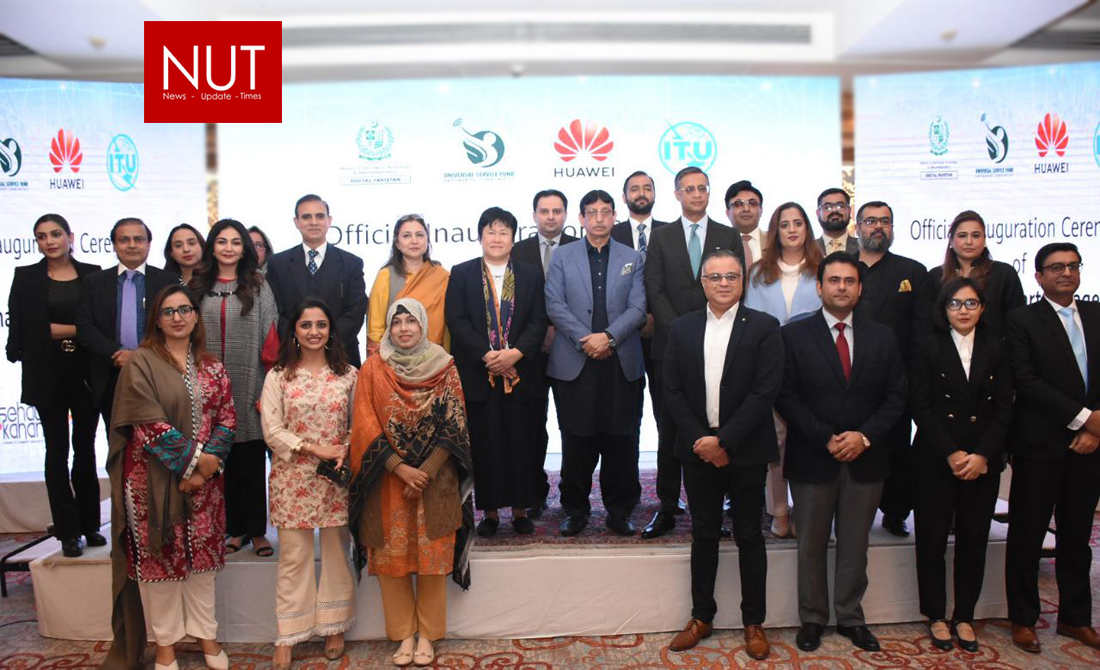
In line with the Government’s Digital Pakistan vision and the UN SDGs, Smart Village Pakistan aims to digitally transform remote and rural communities with Internet connectivity and empower local residents with access to a range of digital services to improve their quality of life and well-being. It gives me great pleasure to announce that Pakistan is the first country to establish a Smart Village in the Asia Pacific region.” – Federal Minister for IT & Telecommunication (MoITT), Syed AminUl Haque said while addressing as Chief Guest at the Inauguration ceremony of Gokina Smart Village Project in a local hotel on Wednesday.

This pilot project comes under the umbrella of Smart Villages of Pakistan, a nationwide initiative launched by the MoITT in 2021 together with Universal Service Fund (USF), International Telecommunication Union (ITU) and Huawei.

While applauding the efforts of USF, ITU and Huawei,Federal Minister for MoITT, Syed Amin Ul Haque said, “It is anticipated that the pilot projects and the Smart Pakistan Village initiative as a whole will help overcome key challenges that people in rural areas face such as limited access to healthcare, education, financial, and digital services; lack of employment and income-creation opportunities; digital literacy and gender gaps; and a rural-urban divide exacerbated by uneven technology proliferation. The Smart Village Pakistan Projectswill be initiated in all provinces very soon.”

Highlighting the Gokina Smart Village Project details IT Minister said that, three priority areas were identified through the needs assessment study in Gokina,a valley settlement located 21 kilometers away from Islamabad.

  1. Education Gokina village has a high school for boys and for girls. However, it was found that there were no science teachers, particularly in girls’ school, which creates hurdles for students in getting benefits both, in terms of learning as well as competing for the future professional opportunities that science subject’s offer at national and international levels. The project has identified an e-education provider (Tele-Taleem) to bridge this gap.
  1. Health- There is a medical center in the village with limited to no medical services available. The health worker is responsible to provide very basic health advice and services to the community members. It was also highlighted that the biggest challenge in getting access to health services is time consuming as it involves commuting to Islamabad, no emergency services, no doctors and absence of pharmacy etc. The project has identified an e-health provider (Sehat Kahani) to bridge this gap.
  1. Digital Skills & Entrepreneurship- It was found that there is a clear need and demand for digital skills enhancement & entrepreneurship whereby community members can utilize a hybrid model of digital as well as non-digital tools to become entrepreneurs in the identified areas like fashion, stitching, handicrafts and other home businesses for women; modern agricultural skills, chef skills for local youth, marketing of products and access to finance and market for existing and upcoming businessmen in the communities.

Speaking on the occasion,Chairman NADRA, Tariq Malik said, “After the success of Mobile NADRA vehicle, we are excited to launch the NADRA Motorcycle Services – starting from Gokina Smart Village and shall soon be initiated all over Pakistan – where people will be able to avail all NADRA facilities close to their homes, such as family registration certificate, child registration certificate, etc.,”.

Earlier in his opening remarks, Haaris Mahmood Chaudhary, Chief Executive Officer (CEO)of USF said; “Gokina Smart Village project is an exemplary model of how we envision the future of digital inclusivity in Pakistan. Sustainable digital growth is key to accelerating rural development and supporting the socio-economic stability of individuals. The agenda of the USF has been to empower unserved and underserved communities. We look forward to transformative collaborations with our esteemed partners ITU, Huawei, NADRA, and Jazz, as well as service providers TeleTaleem and Sehat Kahani, to have a significant impact on the lives of the peoples.”

Addressing the occasion,Atsuko Okuda, Reginal Director of ITU said,“The Smart Village Pakistan initiative promotes a whole-of-government approach to bring the benefits of digital transformation in sectors such as health, education and agriculture to the rural and remote communities, leaving no one behind and offline”.

While also addressing the occasion, Ahmed Bilal Masud, Deputy CEO of Huawei Technologies Pakistan said, “Huawei continues to progress in Pakistan as a market leader with USF projects in the rural areas through our operators.  The challenges that come with digitalization are large, but the opportunity is even larger in Pakistan. Digitalization is essential for competitiveness, representing an incentive to increase the ability to play a more significant role in the international community.”

Sustainability Conference Evokes Food Security Discussions

ZAHID CHUGHTAI

Home to 1.9 billion people, South Asia one of the world’s most populous regions and with the second-highest number and proportion of the world’s extremely poor needs both food security and sustainability.

Increased population growth, climate change (drought and floods), declining productivity and low income/poverty coupled with some other issues warrant that moving beyond awareness about sustainability; the region should implement it both in agriculture and industries.

This was the crux of a one-day conference called ‘Sustainasummit’ arranged by the U.S. Soybean Export Council (USSEC).

Speakers stressed the need for making the most efficient use of non-renewable resources, and on-farm resources and integrating, where appropriate, natural biological cycles and controls. “Sustainable agriculture is farming in such a way to protect the environment, aid and expand natural resources and to make the best use of non-renewable resources”, said Lucas Blaustein Regional Agricultural Attaché U.S. Department of Agriculture. He said USDA was working for satisfying human food and fibre needs, enhancing environmental quality and the natural resources based upon which the agriculture economy depends. Make the most efficient use of non-renewable resources and on-farm resources and integrate, where appropriate, natural biological cycles and controls. Sustaining the economic viability of farm operations besides enhancing the quality of life for farmers and society as a whole, he added. Commenting on the success of the summit, Kevin Roepke, Regional Director, South Asia & Sub Sahara Africa, USSEC, said, “We believe that sustainability is a critical issue that requires collaboration and action from all sectors of society and the Sustainasummit is an important step in promoting sustainable practices and inspiring the much-needed change. He said they have also launched a programme called ‘Right to Protein’ in Pakistan that focuses on creating awareness about the nutritional benefits of protein in diet.

Deeba Giannoulis, Head of US Soy Marketing at USSEC, South Asia, said the good agricultural practices adopted by the U.S. Soy farmers succeeded in reducing the greenhouse gas (GHG) emissions per bushel by 43 percent, improved irrigation water use efficiency by 60 percent, increased land use efficiency by 48 per cent and improved energy use efficiency by 46 per cent. At the same time, U.S. Soy farmers improved soil conservation by 34 per cent and increased soy production by using roughly the same amount of land.

Eresha Mendis (PhD), Professor of Food Science & Tech Faculty from Sri Lanka speaking about food security and South Asia, called for promoting good agricultural practices to ensure efficient production to face the food security crisis and proposed to go for innovations to increase production and productivity (mechanization and biotechnology), use of improved varieties/breeds, timely application of quality agricultural input supplies, ensuring readiness to face climatic impacts and building farm to market networks. She also emphasized building private-public partnerships in the agricultural and food sectors.

Prof. Eresha advocated biotechnology for increasing agricultural productivity and saving grains by reducing pre-harvest losses to plants occurring due to diseases or pests and by reducing the amount of post-harvest losses. She said food insecurity has health, economic and social impacts, so science-based decision-making should be done that suits the country’s context to ensure food security.

George Chamberlain, from the Global Seafood Alliance stressed the need for a fundamental transformation to produce more with fewer resources. Food production systems account for about 25 per cent of global GHG emissions. In his opinion to increase production by 50 per cent, farmers cannot simply expand existing systems without huge climate change impacts as well as biodiversity loss, soil loss and habitat destruction.

Rida Amjad communication officer of UNDP in Pakistan said Pakistan was 7th vulnerable country to climate change in the world and trying to overcome the challenges set by the pandemic, economic crisis, political instability and the 2022 floods.

Founders 2.0 Co-working Space Launched to Provide a Modern Facility for Tech Start-ups to Thrive & Grow

Pakistan (Muhammad Yasir)

Over the last few decades, the face of the global economy has transformed, with more start-ups rolling in the market. According to datadarbar, Pakistani startups have received more than $347 million in VC funding in 2022 alone. Being the financial capital of the country, Karachi is beaming with startups that require coworking spaces to run their businesses from. It appears another player has entered the market. founder 2.0 launches its 1st Chapter in Karachi, adding another 144 seats to the approximate capacity of 15,000+ seats existing nationwide.

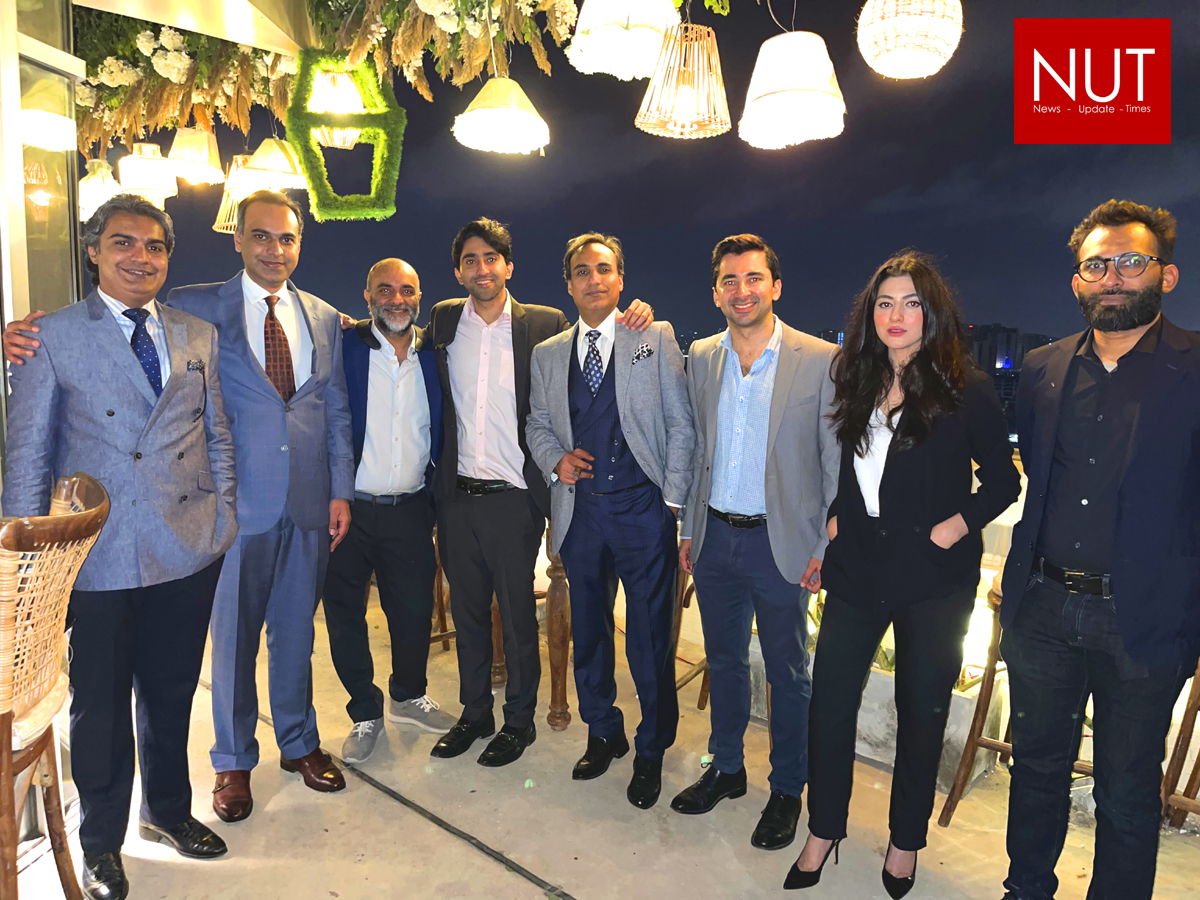
The company hosted an exclusive dinner to launch and commemorate its vision by aiding net working from the 23rd floor across the Karachi Skyline. The event was attended by one of the only unicorn founder in the country presently, Jonas Deizun – ex Co-Founder of Razor group that went on to raise over USD 1 Billion and is currently working on a generative AI startup.

The event was attended by several stakeholders in the corporate world and startup fraternity including Jamil Mughal, CEO of Mcdonalds & Director at Lakson group, Hassan Khan, Founder of Trax, Rafay Sheikh, CEO of Dunkin, Akbar Jaffer, CEO ASSL and Jaffer Group,RabeelWarraich, founder and CEO of Sarmayacar VC Fund,Owais Shaikh of Hubpay, Raza Afzal, co-founder of Truck it in, Kassim Shroff and Ahsan Kidwai, founders of Krave Mart, Jonas Eichhorst, Chairman of Bykea,MuneebMaayr, founder of Bykea, Adeel Rashid, Co-Founder of Snapp retail & Chairman Of The Supervisory Board, AIESEC, Haider Raza, Co-founder of Dealcart, Ahmed Ayub, Co-founder of Airlift,Muzaffar Manghi, Co-founder of farmdar, Talha Khan of Orko, Taha Iqbal Teli and Ahsen Ali Khan of Zaraye, Khurram Shroff, President of imining Technologies, Ali Ladubhai of Abhi, Usama Nini, co-founder of quroes and CEO of Affinity; Usman Khan and Pir Saleh Qureshi; Director at Stylight textiles. The Dinner was also attended by The co-founders of Swich; Shah Aun Hussan and Syed Aoon Shah, who is also the the Investing partner at Founders 2.0.

“We’re thrilled to witness the benchmark Founders 2.0 is establishing for the coworking ecosystem of the country. This will certainly help start-ups remain laser focused on their high impact domains”, said Aman, Partner at Sarmayacar, who was also in attendance at the event.

The Launch dinneralso graced with the presence of Miss Tanzila UmiHabiba; The provincial IT minister & member of the Sindh Provincial Assembly as well as the Chairman of the Standing Committee on Higher, Technical Education and Research in Sindh, whocontinually praised Founders 2.0 for creating a state-of-the-art facility for tech startups to grow and thrive from.

“Founders 2.0 seems to be a dynamic and promising project. Pakistan needs more progressive facilities such as this one to facilitate the young entrepreneurs & thriving tech startups of Pakistan.” Said Ms. Tanzila.“I hope they succeed in their vision by enabling synergies and growth across the tech sector, especially during these tulmultous economic times. We will continue to support their initiatives.” She added.

Various prominent political figures & leaders like Pir Muhammad Sadiq, Chairman of Luari Pak Group as well as Pir Noorullah; Special assistant to Cheif Minister Sindh were also present at the dinner alongside Hollywood film producer, Habib Paracha & Asmar Naim; Director at K-electric.

Founders 2.0 is a new player in the market environment that claims to radically alter the coworking paradigm of Pakistanwith their first office kicking off at the Top Floors of the iconic Bahria Town Tower Karachi, Localted at the commercial center of the metropol city.Their Facility offers unconventional spaces with carefully cultivated environment of creativity, communication and collaboration for all types of professionals, commiting to facilitate and fast track growth.

With existing market leaders like Collabs, Kickstart and The Hive among others that have captured and dominated the coworking landscape of the country for half a decade, Founders 2.0 is attempting is propell the user to inherit certain expectations whilst setting up a distinctive vision of co-working spaces amidst grasping competition.

“We’re going to raise the bar and I believe we’re equipped to achieve what we’ve envisioned.”, Said Shehr Bano Hussain, co-founder of Founders 2.0.

The company hosts 144 seats of which 70% capacity has been pre-booked and sold out or is in discussion months prior to officially launching despite not having marketed extensively, most of the seats are predominantly occupied by Canadianand US based tech startups; beam.so, Caary Capital and Qureos to name a few of their clients, which as per Shehr Bano Hussain, is“a clear indicator of the enormous gap as well as the kind of demand there is for quality coworking in Pakistan, be it local startups or tech companies disrupting markets overseas.”

With plans to set footptint in pakistan upon launching chapters across multiple cities before expanding to UAE, Mr.Shehr Banoe xplains his vision for Founders 2.0 “Our vision goes beyond the physical premises.” She said. It appears the new market player has big plans and is geared towards setting a distinguished climate for interaction and engagement at their space, “We’re attempting to build concrete support-systems here. We’re currently focused on developing an extensive network of partners and industry-specific mentorship programs to accelerate growth, and enable some kind of cross-border exchange in the tech space to bridge the existing gaps as opposed to being classified as a mere co-working space”. Ms. Bano claims that founders 2.0  is setting out to provide its clientele with the opportunity to be a part of a close-knit comunity of aggressive entrepreneurs and market disruptors.

The company also claims that they plan to employ technology to scale the industry of shared office spaces once they succeed in achieving their first few milestones.

Founders 2.0 delivers fully furnished & serviced private offices suites, in bright self-contained spaces overlooking the karachi Skyline, high-speed internet, Bookable meeting rooms, Sound insulated calling pods, gaming spaces, reception facilities, access to an exclusive mini café on the 23rd floor of the smart building, and free flow of endless fancy Iced-Americanos and espressos among other hot beverages exclusively for its customers.

“We will not get into the race of multiplying seats, that’s not our area of focus, the objective is to add significant value to every single user of the space, our customers pay a premium owing to the quality of service being offered and the value-add in terms of connect and social network.”, said Ms. Shehr Bano. “It’s all about high-energy formulation; creating the energy and climate that supplements synergy & scale. People simply fail to understand that seats in this business are not mere products rather a full flash service.”  She added.

This latest addition to the country’s coworking space amongst a tumultuous economic crunch is welcoming. What the country requires in these testing times is innovation, growth and a sociable environment for businesses to grow and the tech sector to pick up. Founders 2.0 aims to provide just that and more.

Careem celebrates 10 years of simplifying lives, paid out more than $500 million to Captains in Pakistan

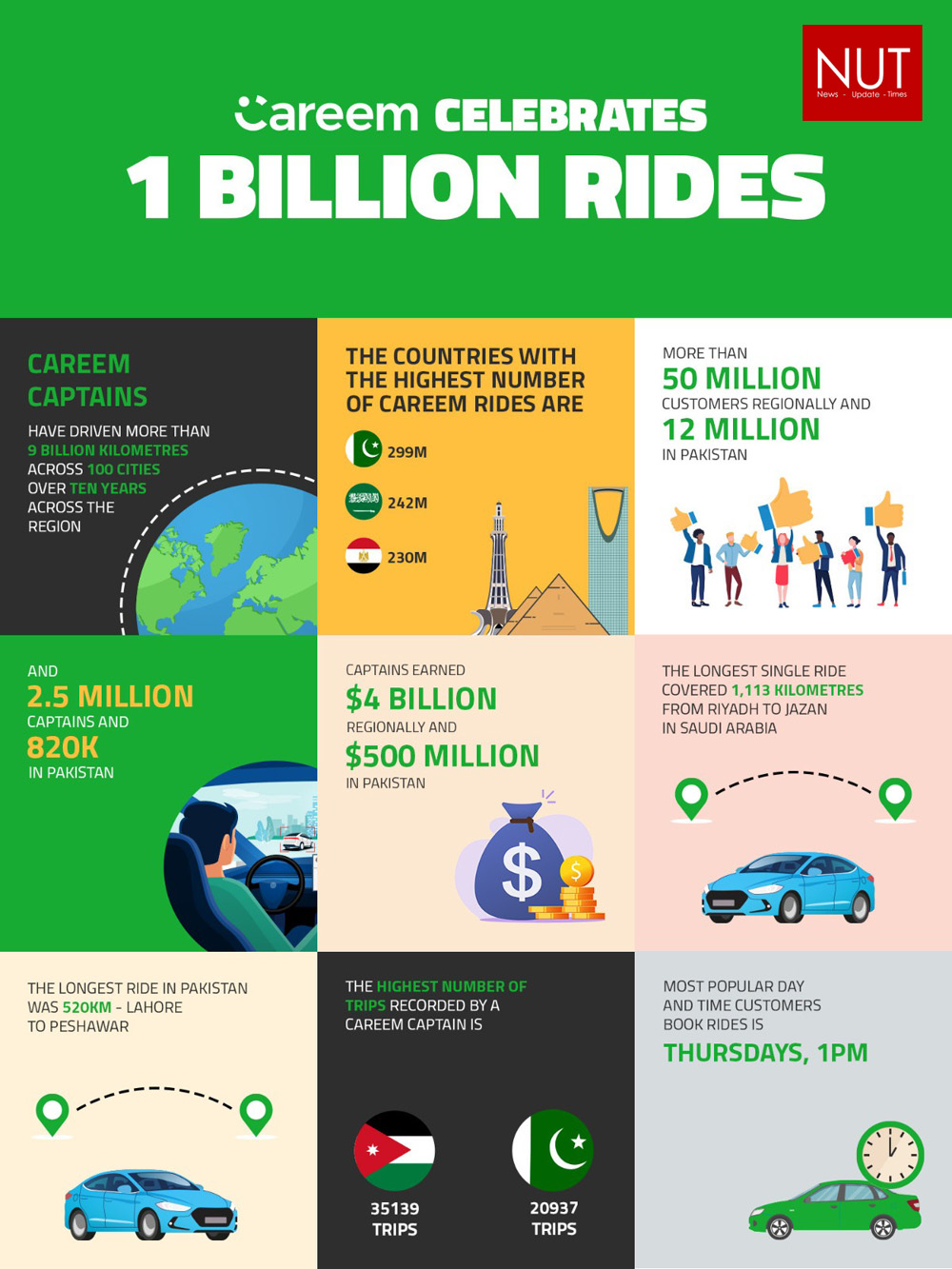
Lahore (Muhammad Yasir) Careem recently celebrated its 10-year anniversary with their documentary titled ‘A Decade in Motion’, capturing the journey behind the region’s first tech unicorn. Ten years on, Careem has simplified and improved the lives of over 50 million people, created over 2.5 million earning opportunities, with more than $4 billion paid out to Captains. Along the way, Careem helped spur the growth of the tech startup ecosystem that now forms an essential pillar of the region’s growth.

Recently, Careem also announced completion of its 1 billion rides across the region. The report indicated that the impact Careem has made in Pakistan has been phenomenal as it was the market with the highest numbers of rides with 299 million completed trips. Similarly, Careem has more than 12 million customers and 820,000 Captains registered on the platform who have earned more than $500 million.

During the documentary screening to the media, Mr. Imran Saleem, General Manager Ride Hailing at Careem Pakistan commented, “It is an extremely proud moment for us as we celebrate a decade of our highs and lows. Our journey has been one of constant learning and growth, and we are grateful to the millions of customers and Captains who have put their trust in us. Our mission has always been to simplify and improve the lives of people in the region, and we will continue to do so in the years to come. As we look ahead, we remain committed to making a positive impact on the communities we serve and leapfrog Pakistan into the digital future.”

Careem’s journey has been one of innovation and growth, with the company constantly adapting to the changing needs of its customers and tackling the challenges that came its way. The documentary includes footage of the ambition, passion and hustle behind the region’s pioneering ride-hailing-platform which turned Super App, as well as interviews with the founders and early alumni recounting stories shared publicly for the first time ever. Since its inception in 2012, Careem has been on a mission to simplify and improve the lives of people in the region by providing safe, reliable, and affordable ride solutions.

Watch A Decade in Motion now, on YouTube: A Decade In Motion (Full Documentary)

  Some interesting facts about Careem for your story:

  • Careem was founded on the first day of Ramadan in 2012.
  • ‘Careem’ (or كريم) means generous in Arabic.
  • Three babies have been born in Careem cars (one of which was even named ‘Kareem’!).
  • The first line of code for Careem was written in Pakistan.
  • To date, over 12,000 colleagues have helped build Careem.
  • Over 100 startups have been founded by Careem alumni.
  • The longest Careem ride to date was 20 hours long.

Buzzworthy hospitality startup LOKAL raises pre-seed funding from international investors

Buzzworthy hospitality startup LOKAL raises pre-seed funding from international investors to transform budgeted hotel stays & experiences in emerging markets.

Pakistan (Muhammad Yasir) Amidst a global fundraising slowdown for startups, one Pakistani startup is blazing a new trail with its revolutionary business model and garnering the attention of international investors, including WahedX’s first-ever investment in a Pakistani startup.

Lokal, a revolutionary hospitality start-up, is on a mission to democratize access to local travel and communities. The company has recently raised pre-seed funding from international investors, which will be used to fuel its growth and expansion plans. Currently, Lokal is focused on expanding its operations within Pakistan, with plans to later expand to other emerging markets in the MENA and Southeast Asia regions.

Lokal is solving the foremost issue faced by most travelers: the lack of safe, reliable, and affordable accommodation in emerging markets. With luxury chains out of budget, and booking platforms having no control on the actual staying experience, finding a quality budget accommodation is a real inhibitor to travelling locally in many of these markets. To change this, Lokal is creating a network of standardized budget hotel rooms that offer travelers safe, reliable, and high-quality stays.

Lokal appears to be ahead of the curve with a business model focused on unit positive economics rather than rapid growth at all cost. The founding team, drawing on their leadership experiences at companies such as Procter & Gamble and Coca-Cola, chose to pursue a sustainable approach to growth, which has caught the attention of investors seeking to fund startups with a clear path to profitability. As Khurram Kidwai, former P&G Senior Director and co-founder of Lokal, states, “Uber, Airbnb, and WhatsApp are all startups that were born during a recession. While market conditions are challenging today, if you build a business on solid fundamentals, there are tremendous opportunities to grow and disrupt inefficient markets. This fundraising is not only an endorsement of Lokal’s business model, but also a testament to the audacity and agility of Pakistani entrepreneurs to play to their strengths and build strong businesses that grow organically and profitably while scaling quickly”

“We saw an opportunity to bridge the gap between the high-demand for short-term budget stays and the lack of technology and expertise for local property owners to deliver a world-class experience,” said Asim Kidwai, co-founder at Lokal. “Lokal’s cutting-edge platform is designed to upgrade facilities and services of local properties, and help property owners, big or small, to operate short-term stays efficiently, enhance customer satisfaction and boost occupancy. With this funding, we’ll be able to expand our network and bring this experience to more travelers in more markets.”

Lokal’s launch timing couldn’t be more favorable. Firstly, the emerging markets travel industry, worth over $500 billion already and fueled by rising incomes, urbanization, and a growing middle class, is growing twice as fast as developed markets. Secondly, currency devaluation in markets like Pakistan is leading to an increase in domestic travel and expenditure as international travel becomes less affordable. Thirdly, the hospitality market is experiencing a post-pandemic surge in ‘revenge travel’ as people look to make up for lost opportunities. Finally, Lokal is tapping into a major shift in consumer preferences towards unique and local experiences, as recent study by TripAdvisor found that 64% of travelers worldwide are looking for “experiences that give them an authentic taste of the local culture.” As co-founder Umar Malik says, “At Lokal, we’re on a mission to curate meaningful local experiences for travelers. From artworks in our rooms, handcrafted furniture, to locally-sourced amenities and insider recommendations, our guests experience the best of local hospitality.”

With operations already expanded to 7 cities, tens of thousands of stays served, and a remarkable customer return rate of 43% – which is a staggering 4 times higher than the average for budget hotels – Lokal is on a path to success. The company’s commitment to providing exceptional experiences is reflected in its outstanding ratings across third-party verified platforms, outpacing even the listings of 5-star hotels.

“We are very pleased to close our first investment in Pakistan,’ shared WahedX CEO, Safdar Alam. ‘It’s exciting to be a part of LOKAL’s journey and I think, particularly as Pakistan moves into a new wave of tourism in 2023, it can be part of the remedy the tourism sector needs to help bolster growth. We believe it is important for all investors to have access to opportunities to grow their wealth in a meaningful way that directs capital to businesses that are aligned to their values. We will continue to bring more ethical deals like this one to the market.”

This round of funding will enable Lokal to continue growing the supply of properties on its platform, as well as make strategic investments in technology enhancements and top talent hiring, positioning the company for even greater success in the future.

New Ericsson solutions boost indoor 5G capacity and precise location services

  • New suite of indoor hardware and software make indoor 5G easier for communications service providers (CSPs), enterprises, and neutral hosts to deploy, scale, and monetize.
  • Introducing a new precise-location software that enables new enterprise use cases such as asset tracking and tool positioning.
  • Single family of products that cost-effectively cover any indoor scenario or business environment.

Ericsson (NASDAQ: ERIC) has expanded its indoor mobile connectivity portfolio with three new easy-to-deploy and cost-efficient solutions aimed at delivering 5G coverage, capacity and capabilities across the interior of any work or business environment – regardless of the size or complexity of the building. The new solutions become part of the Ericsson Radio Dot System portfolio, further increasing the flexibility of this industry-leading portfolio.

Substantial* amounts of mobile data are generated through indoor use. High-performing indoor mobile connectivity has become a critical digital infrastructure. However, relatively minimal floor space in buildings – estimated by Ericsson at 10 to 15 percent – is currently served by indoor 5G connectivity. Businesses spanning all sectors and sizes, whether airports, office complexes, hotels and industrial settings such as factories, mines and ports, require reliable connectivity that improves their operations and customers’ experience.

The currently fragmented in-building market primarily consists of technologies such as Distributed Antenna Systems (DAS) and small cells. As a result, the indoor technology decision-making process is often difficult and time-consuming. Ericsson’s additions to its indoor 5G portfolio – comprising of two new hardware products and a software solution – are aimed at meeting customers’ simplicity and monetization goals through a scalable solution suitable for any indoor environment or situation.

The new offerings

The latest indoor radio unit, called IRU 8850, is suited for medium-to-large venue coverage. Designed for simple and speedy deployment, it delivers up to four times the capacity of its predecessors, enhancing network performance and user experience in medium to large venues. It is also up to 70 percent more energy-efficient compared to active DAS technology.

The second indoor 5G portfolio addition – aimed at small- to medium-sized building coverage – is called the Ericsson Indoor Fusion Unit, a compact, all-in-one indoor 5G solution that combines radio and baseband functionalities into one unit, making it easy and quick to deploy.

Ericsson is also introducing a new software feature for indoor networks called Ericsson 5G Precise Positioning, which provides location services for a wide range of uses cases that CSPs and enterprises can use, like asset tracking and tool positioning, in environments such as factories, mines, hospitals, warehouses, and other industrial private network applications, as well as in emergency response scenarios.

David Hammarwall, Head of Product Area Networks, Ericsson, says: “The new Radio Dot System equipment and location services software further increase the flexibility of Ericsson’s indoor portfolio. Scalable and cost-efficient, the expanded portfolio offers a one-stop-shop to accelerate indoor 5G rollouts globally, spreading the benefits of premium indoor connectivity. It will also enable a variety of use cases for service providers and enterprises that will boost operational efficiency, safety, and user experience.”

Joe Madden, Founder & Chief Analyst, Mobile Experts, says: “The in-building wireless market is so diverse that products have remained extremely fragmented for years. Ericsson has pulled together a line-up of products that are more flexible and adaptable, to handle wide variations in the application. This approach can drive economy of scale, with common parts serving large and small buildings, with high capacity, low capacity, or multi-operator applications. This kind of digital backbone will enable deployment to scale up for larger numbers of buildings.”

The indoor portfolio additions in more detail:

  • IRU 8850 (Indoor Radio Unit): a purpose-built, high-performing solution for single or multi-operator deployments in medium to large venues such as airports, offices, and stadiums. The product can serve up to eight venues from one centralized location, with a 10km fiber reach. It also supports both purpose-built and Cloud RAN architectures. It is cost-effective: compared to current alternatives it offers up to 80 percent reduction in physical equipment space; and up to 50 percent lower total cost of ownership (TCO) thanks to network sharing.
  • Ericsson Indoor Fusion Unit: a compact plug-and-play indoor 5G solution aimed at small and medium-sized buildings such as coffee shops, chain stores, branch offices, movie theatres, and restaurants. It can connect up to four Radio Dots to deliver multi-Gbps speeds. It creates new business opportunities for service providers by adding 5G connectivity for smaller enterprises and branch locations.
  • Ericsson 5G Precise Positioning: software to enable new enterprise use cases and advanced 5G monetization thanks to its unmatched mobile 3D positioning precision of <1m for any 5G device indoors. Only a mobile connection is needed (no sensors) and it is fully integrated with the existing network. The new software feature is also part of Ericsson’s Private 5G Networks offering to enable enterprises to easily deploy a 5G network, equipped with this Ericsson-unique software feature.

Mark McDiarmid, Senior Vice President of Radio Network Engineering and Development with T-Mobile US, says: “The indoor 5G market is taking off and T-Mobile is ensuring our business customers are reaping the benefits. New solutions like the Ericsson Indoor Fusion Unit will enable us to quickly scale and deliver 5G to our customers with high-performing networks indoors, enabling incredible new use cases and opportunities.”

Kellie Lakamp, Chief Executive Office, Totem, says: “At Totem, we strive to deliver the very best cellular solutions for our enterprise customers and commercial real estate owners. Working with Ericsson and their Radio Dot System portfolio has enabled us to bring high-capacity, high performance connectivity to employees, tenants and visitors. We are excited to see Ericsson adding new solutions for the Neutral Host market.”

The new indoor solutions will be on show and in focus in Ericsson’s booth in Hall 2 at the Fira Gran Via, during MWC Barcelona 2023 from February 27 to March 2.

The solutions will be commercially available in the second half of 2023.

Sastaticket.pk: Partner for domestic and international traveling

Pakistan (Muhammad Yasir)

Sastaticket.pk, Pakistan’s leading online travel booking platform, is providing peace of mind by facilitating their customers.  Now customers can book their domestic and international traveling PIA tickets through Sastaticket.pk. Now customers will also have access to a wide range of PIA flights to destinations around the globe, including popular destinations such as Dubai, Istanbul, and London.

Sharing his views about the new destinations, Mohib Hassan COO at Sastaticket.pk said, “At Sastaticket.pk, our goal is to provide travellers with the most affordable rates and the most convenient booking experience. We are working to make it easier and more affordable for customers to book their PIA tickets through our platform.”

He added, “It’s our utmost pleasure to be able to facilitate flight bookings for Pakistan’s National Flag Carrier- PIA, and we look forward to more customer acquisition in the foreseeable future.”

He further added, “In addition to that, we are also fully committed to providing our customers with the best deals and convenience when it comes to facilitating them in their travel needs.”

Sastaticket.pk is a leading online travel booking platform based out of Lahore, Pakistan that provides services such as flight and hotel bookings, car rentals and affordable vacation packages. The platform offers a unique user-friendly interface and secure booking process making it a hassle-free experience for customers to book and plan their travel online.

It is pertinent to mention here that PIA is Pakistan’s National Flag Carrier and operates out of its HQ in Karachi, with hubs in major cities such as Lahore and Islamabad. The National Carrier operates domestic as well as International flights to destinations such as the Middle-East, Europe, North America and other Asian countries.