Transgenders – the new norm in corporate environments.

Dina Savul

10,418 persons have been identified as transgenders in Pakistan. Although the number isn’t very high, transgenders are extremely discriminated against. Simply defined a transgender person is someone whose gender identity or gender expression does not correspond with their sex assigned at birth. In 2018, Pakistan’s government passed a very positive legislation on transgender rights, a law called the “Transgender Protection of Rights Act.” This law provides legal recognition to transgender persons and prohibits discrimination and harassment. Having said that, inclusivity towards trans people has not been much in the corporate environment. The harsh reality of intolerance and a sweet harmony of acceptance came side by side, where some companies still can not come to terms with managing the female gender inclusivity, for them adding on transgenders to the workforce is unheard of. When given the task to research on the inclusion of transgenders in the workplace environment, I made it my job to try and find a solution to tackle this issue. Although most organizations have not implemented this, some have already begun making their workplace more affirming and inclusive of transgender people. During my research, I spoke to the head of HR of an FMCG company and ran a survey with 65 senior participants from various industries across the country. It was enlightening to hear their positive responses. Multiple NGOs are currently giving much needed vocational training to transgender population fit for mainstrem roles. They are being upskilled in a way where they hit the ground running on joining in. Unfortunately our academia is not at all open to equality, hence most of such miss out on good education. This should not be the case. Therefore the role of these NGOs become highly critical. It doesn’t stop there! Organizations need to then sensitize their staff, create gender neutral policies, advocate for gender neutral spaces / washrooms, have inclusive healthcare systems, evaluate roles and job descriptions and finally understand their challenges and embrace them as equal beings. Taking little steps like these can help our country evolve and become more diverse day by day. After all, when it comes to trans employees, true inclusion is not just about creating a more diverse workplace; it’s also about making sure organizations are treating all employees equitably when it comes to opportunities, benefits, and people’s everyday experiences when they go to work. The only way forward is to make everywhere inclusive for women, men and trans people to be able to work together.

Visa Takes a Shot at Financial Goals with New Soccer Video Game

Visa launches new global version of the Financial Soccer game, bringing together entertainment and financial education in an action-packed virtual game.

Visa to engage fans, athletes and communities by rolling game out through key partnerships and Financial Soccer events.

Lahore (Muhammad Yasir) With FIFA World Cup™ excitement heating up, Visa (NYSE: V), the Official Payment Technology Partner of FIFA, invites soccer fans to sharpen their financial skills on the virtual pitch with the new version of the educational video game, Financial Soccer. Gamers can suit up as the country of their choice and take their best shot for the coveted trophy by correctly answering questions designed to help players make smart, well informed money management decisions. To further Visa’s commitment to uplift lives through the power of sport and the global platform of FIFA World Cup Qatar 2022™, Visa is working in collaboration with clients and non-profit organizations to make the new version of Financial Soccer available to as many people as possible. Visa and partners will host events, learning series and promote game availability in more than 100 markets around the world leading up to and following the tournament. With only one-in-three adults estimated to have a basic understanding of financial concepts, Visa understands the critical need to foster financial literacy early to ensure a stronger relationship with financial health through adulthood. “Access to financial education to gain knowledge is critical to help individuals succeed in an increasingly digital world,” said Michelle Gethers, Chief Diversity Officer and Head of Corporate Responsibility, Visa. “Visa is proud to bring the power of its partnership with FIFA to the global stage of the FIFA World Cup Qatar 2022™ to provide a fun and engaging way for individuals and small businesses to begin or build upon their financial education journey.” New Financial Soccer Game Features The free educational game challenges players to answer money management questions at various levels of difficulty to advance down the pitch for a chance to score a goal. New features include: • Men’s and women’s teams and tournaments: Players can now choose between men’s and women’s teams to represent any country in global tournaments, including the upcoming FIFA World Cup Qatar 2022™ and FIFA Women’s World Cup Australia & New Zealand 2023™. • Personal finance and small business game modes: For the first time, the game will include a second mode for small business owners that features questions on starting and managing a business, budgeting and more. With entrepreneurship growth reaching historic numbers, additional education on critical business subjects is important to entrepreneurs’ growth. The personal finance track will feature questions on topics like crypto currencies and the wise use of credit. • Available on-the-go: In addition to online at financialsoccer.com, players can now download for free via iOS and Android mobile app store to play the game on mobile and tablet devices. • Multiple languages: Gameplay in English, Spanish or Arabic, with more languages coming soon including Chinese, Japanese, Korean, French, Italian, German, Russian and Portuguese. Leaving a Lasting Impact Ahead of FIFA World Cup Qatar 2022™, Visa will host live Financial Soccer games in the United States, Mexico, Argentina, Brazil, Qatar, Cote d’Ivoire and Senegal to engage fans, athletes and communities with more to come. Visa is partnering with Street Child United and WISE in the Middle East to help expand financial education during the tournament and after through several key initiatives: • Street Child United, a UK-based charity dedicated to changing the way the world sees and treats street-connected children, will build a two-year financial education program leveraging Visa’s Practical Money Skills curriculum. • WISE, a Qatar Foundation initiative, will launch a series of programs tailored for Qatari residents to provide youth and SMBs with financial education through Visa’s Practical Money Skills and Practical Business Skills curriculums, respectively, and Financial Soccer. To learn more about Visa’s 30-year commitment to developing innovative, free-to-use and easily accessible financial education resources for businesses, individuals and communities, visit Practical Money Skills.

Misconceptions about Single National Curriculum-Way forward

By: Prof. Amer Jamil

Education, no doubt, has the central place in development of any nation. The difference between a developed and an underdeveloped nation lies in strength of education and training of its youth. The leading nations have, in fact, knowledge-based economies. A strong foundation at school level is mandatory to build concepts that could lead to critical thinking and analysis. Merely getting education is not enough for effective learning by the children. It is quality education that is essentially needed to get the desired results in our youth.

Pakistan is a country with diverse cultures and languages. On top of that there are diverse types of education systems that exist in the country; Government and ordinary private schools, elite class schools and so on. The curriculum being taught in these schools is also very diverse. The kids coming out of elite class schools have advantage over the kids from ordinary schools in all walks of life. The training part is mostly missing from all types of schools whether elite class or ordinary. Practically what we observe in our society is failure of all sorts of education systems to train our youth. All of them are running for getting more and more marks by using some shortcuts. Students getting 95% or more marks are unable to write a letter or application from their own. And there is no such training to observe etiquettes and other social norms, leading to increase in chaos in the country. We see the graduates feel no shame in breaking law, crossing red traffic signal, doing corruption etc., although they learn by heart many of such norms in Islamic Studies, Pakistan Studies etc.

In this backdrop, the ex-government gave the idea of Single National Curriculum to bring unity and harmony among nation, and to bring an equal ground for children coming from different backgrounds. Unfortunately, as done with other things, this idea was politicized. Quite surprisingly, some of our intellectuals also opposed the idea saying that it would hamper originality and creativity of the kids because they would have to follow the same curriculum. According to them, the SNC would spoon-feed the children with certain well-defined concepts. In fact, they fail to comprehend the philosophy of the SNC. The implementation of SNC in schools never means to implant certain type of knowledge in our students. It only gives a uniform curriculum for whole of the country so that the students may have similar levels of education, augmented by strong foundation of Islamic ideology in the form of study of Quran with translation and the life of the holy prophet. It is a misconception that only purely secular type of studies at school level may prepare our students competitive globally. Character-building is equally important component of school education. We need a generation who not only is market competitive but also has strong moral values.

Such intellectuals might be confusing the SNC implementation in school system with the University system. Otherwise, the same system exists in almost all developed countries where public schools are meant for education of children without any class discrimination. As mentioned earlier, the existing school system is total failure leading to learning poverty in the country. In most of the schools, teachers come in classrooms, give lecture, students take notes, no questions asked, and homework given to students. Students do homework, which usually is composed of re-writing the notes or answering the questions given by the teacher followed by mere cramming of the lessons. Students don’t even have time to play or enjoy other hobbies due to this useless activity. What it is to do with SNC?

Therefore, the real learning crises in the country is due to ineffective teaching methodology. There is a strong need to develop curriculum that covers the contents for international competitiveness. Unfortunately, there are myths in our society such as heavier content with more and more stressful work to the students will help prepare them to compete the world. Therefore, the content of different disciplines comprises of too much detail at early age which in fact takes away their innovation and leisure time vital for personality building. The education until class 5th should comprise of training mostly with three books; English (covering basic concepts of science), Urdu (covering Islamic Studies and Pakistan Studies) and Mathematics. Regional language at this stage is also no appropriate as we need a unified nation with integration. Already we are being divided on ethnic basis in different sects. The languages may be included at college level where students are able to understand the philosophy behind the languages rather than cramming different stories. Special attention should be given to teach manners to the students. Then from class 6th to 12th, the subjects like Science and Mathematics should be taught in English as it is the international medium of instruction. The subjects like Islamic Studies should comprise of subjects like Quranic translation of the verses dealing with daily life and Seerat-un-Nabi, and Pakistan Studies and Geography in Urdu so that the students may comprehend it in true sense. Examination is the most important part of the any education system that brings critical thinking in the students. If we prepare students for the questions like Write a note on 14 points of Quaid-i-Azam or write translation of some verses etc., the students will go only for cramming. The teachers will also teach in the similar way so that they would give maximum marks to the students who replicate the same on the paper, and this is actually happening! We should ask the students the questions like “what was impact of 14 points on struggle of independence of Indian Muslims” etc. Similarly, problem solving approach should be followed in all science subjects. Trainings of our teachers for implementation of such educational system is mandatory. Moreover, we need to motivate and incentivize our teachers so that they may do the work with full devotion and commitment. Exploitation of the teachers is common especially in ordinary private schools where teachers are highly underpaid as compared to workload given to them.

Conclusively, we not only have failed for the last 75 years in bringing innovation, critical thinking and problem-solving approach in our students, but our education system has brought in class difference and ethnicity among them. SNC is one solution in minimizing such differences and to make a nation with uniformity. The expensive private schools are afraid of the SNC that their business will be affected due to its implementation. Whereas their business would not be affected. The difference between such private and public schools should be of the facilities such as air conditioning, co-curricular activities etc., and not based on content that is creating nothing but class difference. The one who can afford better facilities may send their children to the private schools with such facilities. But the whole nation should be given the same education. We need to bring both Professional and Personal excellence in our youth if we want to emerge as a developed nation.


THE WOMAN OF SUBSTANCE

THE WOMAN OF SUBSTANCE – STRONG WOMEN OF PAKISTAN SERIES BY Hijabi.Pk

Our beloved Pakistan owes its freedom equally to the struggles, help, and guidance of its remarkable women. From the mother-of-the-nation, Madar-e-Millat Mohtarma Fatima Jinnah to the Iron lady Begum Rana Liaquat Ali, all contributed to their capacity and helped the leadership to carve the way to an independent nation, today we call Pakistan. It was because of them that women were encouraged, motivated, and inspired to work together. Begum Rana Liaquat started the All Pakistan Women Association (APWA), right after the independence, to help the female refugees from Pakistan and to empower them and facilitate them in earning independently.

Pakistan has always been at the forefront of producing women leaders in every sphere of life, be it the first female prime minister of the Islamic world, Mohtarma Benazir Bhutto, Dr Fahmida Mirza as the first female speaker, Dr Shama Khalid as the Governor GB, Shamshad Akhtar as the Governor of State Bank of Pakistan, and Lt.Gen Nigar Johar, the first lady to hold 3-stars on her uniform.

Continuing the legacy of the great women at leadership positions enters, Humaira Farooqui, from the new generation of educated, tech-savvy, globally connected but locally committed entrepreneurs. She is the CEO of Hijabi.pk, a modest lifestyle brand of cultural and religious attire, available anywhere on just a click. She is a strong believer on empowering women, and has been using her outreach to support and strengthen the empowered women of our society, by inviting and sharing their remarkable stories with help of the digital world, which, like a ripple effect, impacts our society in various ways. To some, it’s like a moral aid, nourishment for young minds, motivation for those hesitant, and an overall solidarity with all women in society.

One of the story of this series ‘woman of substance’ featured; Alisha Jameel, a teenage female rickshaw driver who stood against the societal norms to provide for her family after the tragic death of her father. Alisha narrated that she is the youngest daughter of all the six sisters and it all started when her father (late) was very sick. He bought her a rickshaw, trusting her, even without his presence, that she would be strong enough to be the only bread winner of the family. It has always been her wish to drive a vehicle, to own her vehicle and make use of it. Her father taught her to drive and now she has a rickshaw for her daily livelihood to support herself and her family.

“It has not been easy. It was entirely a new experience in her life.” She quotes; “Although I only take passengers who are near my own area, I still meet new people every day. A lot of people are surprised to look at a girl in the rickshaw driver’s seat. Sometimes they ask whether I can actually handle the rickshaw or not. Some people can’t seem to understand my necessity to do what I am now doing as a proper profession. They tell me to choose a better career, or any other better means of income, but it’s not so easy to actually do that. Everyone makes the most of what their resources allow, and mine happens to be a rickshaw. On the other hand, many people are happy to see me doing something very good yet uncommon in our society. They encourage my reasons, and often say beautiful duas for me, which always makes my day. The daily chaos of the city with its fluctuating weather, is always an uplifting mood on days when the passengers appreciate me for basically being ‘the son of family’ to my own.”

She added further that aside from the passengers, the police and the government have been very understanding. They respect her work when they come across her on the streets. With the snippets of her story going viral on the internet, the government announced a house for her, for which she felt very blessed. She never thought that her hard work to support her family would bear its fruits so quickly. She is currently in contact with them, hoping for the best.

Alisha shares that her aim is to be capable enough to support her family. She believes that depending on others is not an option for her and she will work hard because currently she is the only one who can take care of her younger sister and her aged mother. Just because of the lack of a male figure in our house doesn’t mean she will be helpless.

Stakeholders Demand Promoting Climate Smart Agriculture

Lahore (Muhammad Yasir)

Stakeholders claiming that flooded soils present significant obstacles in rehabilitation of the agricultural lands have proposed that the provincial agriculture departments must introduce improved crop varieties and changing agricultural practices which can help realize potential production gains. 
‘Some crop varieties are better suited for flood-based farming systems, such as very fast growing floating rice varieties, which are grown in areas as varied as Mali and Myanmar. Grasses can also be grown as flood pastures to meet livestock feed. The productivity of flood-based farming systems can also be boosted by fisheries, for example, fishponds and aquaculture which can supply local communities with protein, while requiring fewer inputs than other agricultural practices,’ said Dr. Adnan Arshad, an environmentalist and Director Climate Smart Agriculture programme at Potohar Organization for Development of Agriculture (PODA-Pakistan) and Aamer Hayat Bhandara Co-founder Agriculture Republic while talking to News Update Time.
They said floods also trigger the runoff of agricultural topsoil and flooded soil syndrome; the loss of useful fungi that mobilize plant nutrients from the soil. Erosion can result in the loss of essential plant-available nutrients and organic materials. In addition, the deposition of flood sediments may raise the soil’s NPK and Zn levels.
Flooding can also limit the amount of available phosphorus, hence diminishing the populations of microbes important for enhancing phosphorus availability. 
They were of the view therefore, soil health, including soil texture, structure, water-holding capacity, and nutrient availability should be recovered after flooding for enhanced agricultural productivity. The farming community must therefore prepare for the gradual restoration of their agricultural soils. Multiple recovery procedures are employed to manage the soil following flooding. 
Dr. Adnan Arshad said there is a need to minimize limitations to crop production and manage deposition in fields, farmers must evaluate if the material and objects may be tilled into the ground or whether they must be physically removed. Due to the size of the debris and the travel distance, physical removal is expensive. Additionally, certain laws forbid the addition of sediments to the river. 
He said promoting microbial and fungi activity in the soil is also essential. Symbiotic fungi called arbuscular mycorrhizae (AM) develop inside and on the roots of plants. Fungi penetrate roots without causing any harm to the plant. As a result, the plant gives the fungi nourishment in the form of carbohydrates, whereas the fungi give plant nutrients, particularly phosphorus, Dr. Adnan Arshad added.
There’s nothing left to pick from cotton, no land preparation for wheat sowing as water is discharging to Indus slowly followed by zero in-situ drain. His different proposals are being reproduced as under:
Distribution of water: Dividing the floodwater into smaller portions, and avoiding steep slopes where water can pick up speed, can help safely steer water. Other relevant flow diversion structures can be put place, including drop structures (to transition between levels), flood bed stabilizers (to prevent uncontrolled runoff) and water-spreading weirs (to reduce erosion). 
In-situ field management: Being able to manage the rise and drainage of floodwater within a field is also essential to be able to use the water productively. Several mechanisms can help in this matter: Dikes and soil bunds can help protect fields from unexpected floods and they can also allow farmers to drain or retain water as needed; drainage ditches can be used to channel away excess floodwaters; and reuse agreements can enable farmers to take turns using water from the same source.
Water loving crop varieties: Agriculture department must introduce improved crop varieties and changing agricultural practices can also help realize potential production gains. Some crop varieties are better suited for flood-based farming systems, such as for example very fast growing floating rice varieties, which are grown in areas as varied as Mali and Myanmar. Grasses can also be grown as flood pastures to meet livestock feed. 
Promote aquaculture: The productivity of flood-based farming systems can also be boosted by considering the through fishery, For example, fishponds and aquaculture can supply local communities with protein, while requiring fewer inputs than other agricultural practices. 
Internal governance: Flood-damaged farming systems are underappreciated and poorly understood by governments, donors and development agencies. To realize the full potential, governance must be improved, including by familiarizing policy makers, extension workers, academics and other water professionals with the potential for and benefits of floods-based farming.  
Aquifer recharge: Aquifer recharge is water that moves from the land surface or unsaturated zone into the saturated zone through well and boring techniques. It is more technical and expensive but very effective to drain maximum flood water to recharge groundwater. Local governments should take speedy actions and select sites with maximum standing flood water to drain from cultivated areas.   
For agricultural lands, flooded soils present significant obstacles. The most significant direct effect of floods is the accumulation of sand and debris on productive lands. Also triggers the runoff of agricultural topsoil and flooded soil syndrome; the loss of useful fungi that mobilize plant nutrients from the soil. Erosion can result in the loss of essential plant-available nutrients and organic materials. In addition, the deposition of flood sediments may raise the soil’s NPK and Zn levels. Flooding can limit the amount of available phosphorus, hence diminishing the populations of microbes important for enhancing phosphorus availability.
Therefore, soil health, including soil texture,  structure, water-holding capacity, and nutrient availability, should be recovered after flooding for enhanced agricultural productivity. The farming community must therefore prepare for the gradual restoration of their agricultural soils. Multiple recovery procedures are employed to manage the soil following flooding. 
First, to minimize limitations to crop production and manage deposition in fields, farmers must evaluate if the material and objects may be tilled into the ground or whether they must be physically removed. Due to the size of the debris and the travel distance, physical removal is expensive. Additionally, certain laws forbid the addition of sediments to the river.
The second procedure is to fix the physical destruction that erosion has done to the soil. The loss of soil will cause gullies and gaps to appear in the field. Tillage can help to reduce some erosion. The gullies are often stuffed with sediment first, then topsoil from another part of the field is filled in it. The farmer might be forced to give up on the field if the expense of the repair is too high.
Thirdly, it’s crucial to promote microbial and fungi activity in the soil. Symbiotic fungi called arbuscular mycorrhizae (AM) develop inside and on the roots of plants. Fungi penetrate roots without causing any harm to the plant. As a result, the plant gives the fungi nourishment in the form of carbohydrates, whereas the fungi give plant nutrients, particularly phosphorus.
Pakistan to be strong destination of RMG exports soon global recovery takes place

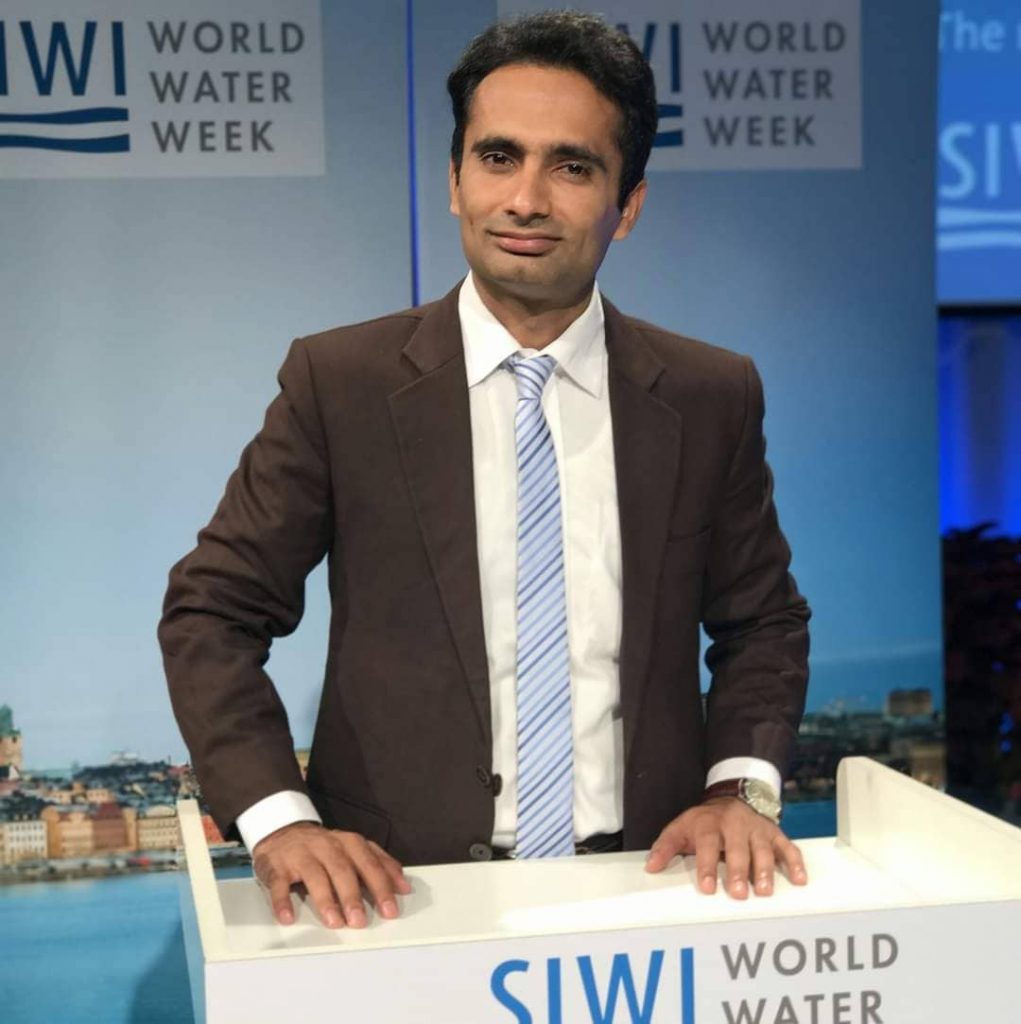
Lahore (Nut Desk) Senior Vice Chairman of the All Pakistan Textile Mills Association (APTMA) Kamran Arshad has pointed out that Pakistan would be a strong destination for exports of readymade garments (RMG) and finished products soon a global recovery takes place in the future.

According to him, the Customs department of the country should be ready for this change and speed up the removal of irritants in the Export Facilitation Scheme (EFS). He has also urged the Customs officials to enhance their interaction with the premier association of the textile industry to understand the dimensions of prevailing issues with regard to the EFS.

The SVP said news investments of $5 billion has already been made in the textile sector which has no potential to give exponential growth to the textile exports provided a business friendly environment continues in the country. He said the APTMA members are planning to set up 100 RMG manufacturing units ahead.

He said the Federal Board of Revenue (FBR) has already shown its strength in ironing out the export-relating issues and more is needed to be done on war footing basis.

He has appreciated the Board for carrying out up-gradation of the facility of Pakistan Single Window, and added that the upcoming launch of Port Community System and Trade Information Portal would be a welcoming development towards easing out RMG exports from Pakistan.  

Kamran has also stressed on the resolution of issues relating to the indirect exporters.

Social media:  “Customs department of the country should be ready for this change and speed up the removal of irritants in the Export Facilitation Scheme (EFS). The Customs officials to enhance their interaction with the premier association of the textile industry to understand the dimensions of prevailing issues with regard to the EFS,” SVP APTMA.


Bhai Ram Singh, architect of Modern Lahore

Bhai Ram Singh, architect of Modern Lahore

Prominent scholars , academicians and architects from Pakistani & India salute the legacy of master architect.

Canadian Zameer TV dedicated exclusive Documentary on Bhai Ram Singh’s 164 Birthday.

Lahore (Qasim Ali) 

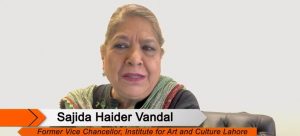
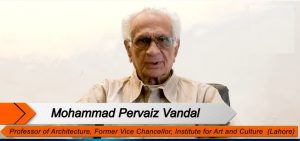
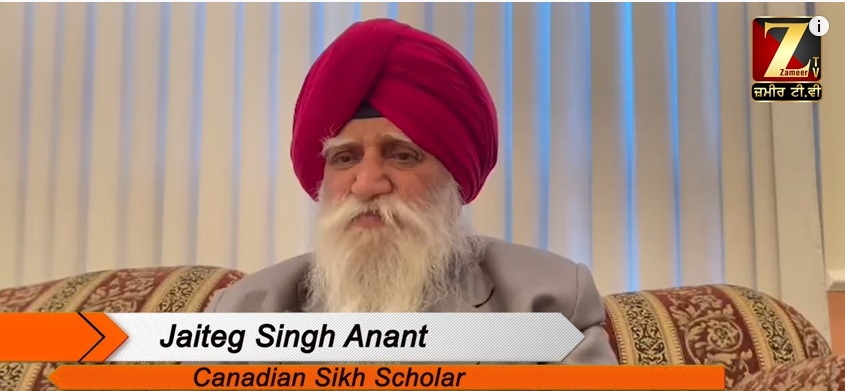
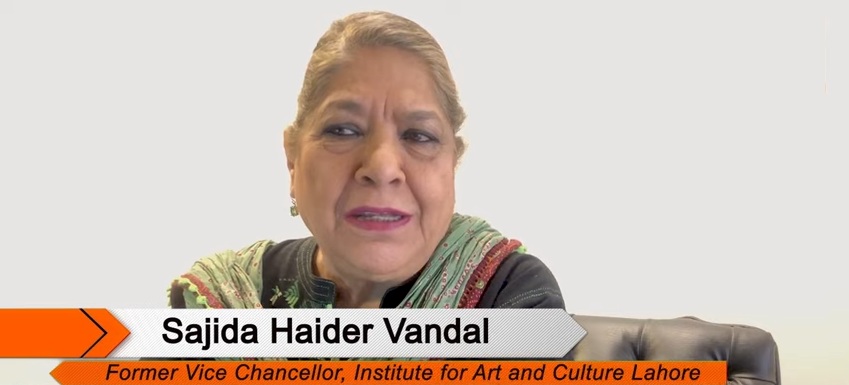
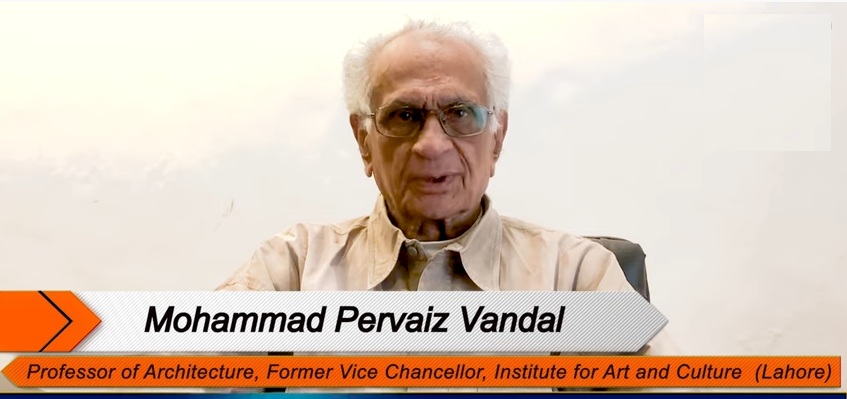
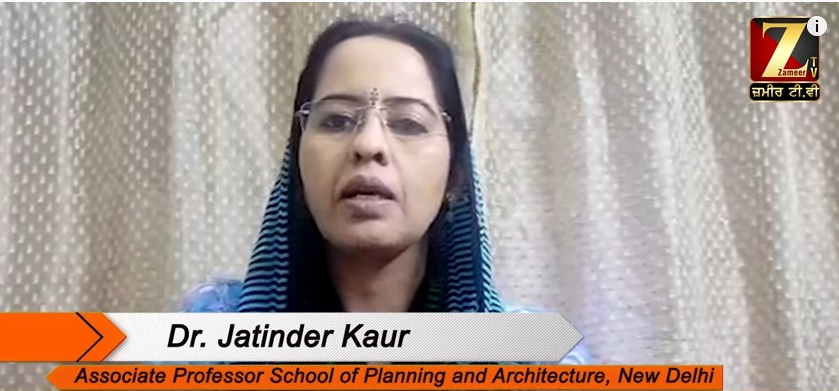
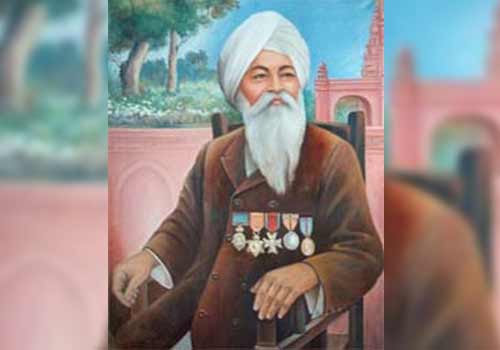
An enriched informative documentary highlighting the marvelous contribution of Punjab’s foremost architect Bhai Ram Singh is getting rave reviews in culture circles of global Punjabi Diaspora. Directed by Canadian Punjabi Scholar Sardar Jaiteg Singh Anant, the documentary was recently released on the occasion of 164th birth anniversary of master architect and is available on YouTube and other platforms of digital media. The enlightening production is decorated by original images and videos of illustrious monumental buildings and traces the life history and spectacular construction work of Bhai Ram Singh in detail. Leading architects and scholar from Pakistani and Indian Punjab including Prof. ® Sajida Haider Vandal, Mohammad Pervaiz Vandal, Prof Balvinder Singh, Dr, Jatinder Kaur and Ripu Daman Singh have thoroughly discussed the work and thought provoking contribution of Bhai Ram Singh in architecture landscape of British India.

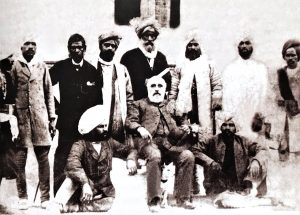
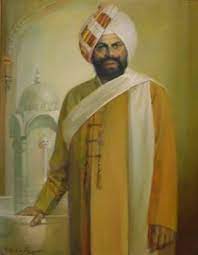
Bhai Ram Singh, inventor and master of Sikh architecture also remembered as architect of Modern Lahore, dominated the pre-partition architect landscape of sub continent for two decades. Bhai Ram Singh designed some most prolific historical buildings in Lahore, Amritsar, Shimla and royal states of British India. Lahore Museum, Mayo School of Arts, Aitchison College Lahore, Islamia College Peshawar, Khalsa College Amritsar, and Governor House Shimla are amongst some of the Bhai Ram Singh’s most famous work. He also designed Darbar room in Osborne House, Queen Victoria’s summer home on the Isle of Wight in the UK. All the scholars agreed that most of Bhai Ram Singh’s work fits under the Indo-Saracenic architecture, but his signature elements and innovations are visible in every building in the form of beautiful arches, domes, brackets, pavilions, Jalis etc.

The documentary commenced with the brief introduction of Bhai Ram Singh. It revealed that recipient of Royal Victorian Order, Bhai Ram Singh hailed from an artisan family of carpenters in Risalpur near Batala eastern Punjab. Prof. ® Sajida Haider Vandal former principle of National College of Arts Lahore (a building formerly known as Mayo School of Arts, where Bhai Ram Singh got formal education of design and drawing and also served as principal for 3 years later in life)  shed light on Bhai Ram Singh’s early life.

She mentioned that Bhai Ram Singh was a true Ramgarhia, hailing from Ramgarhia Virasat who was born after 1 year of independence war in 1958. Bhai Ram Singh carried the legacy of his family and proved his talent at an early age. In 1873, Young Bhai Ram Singh stunned everyone by repairing the damage piano of Amritsar’s deputy Commissioner’s wife. At the time no artisan was agreed or has courage to repair the piano’s leg but Bhai Ram Singh despite being unfamiliar with the instrument, came in notice of everyone by repairing the piano.

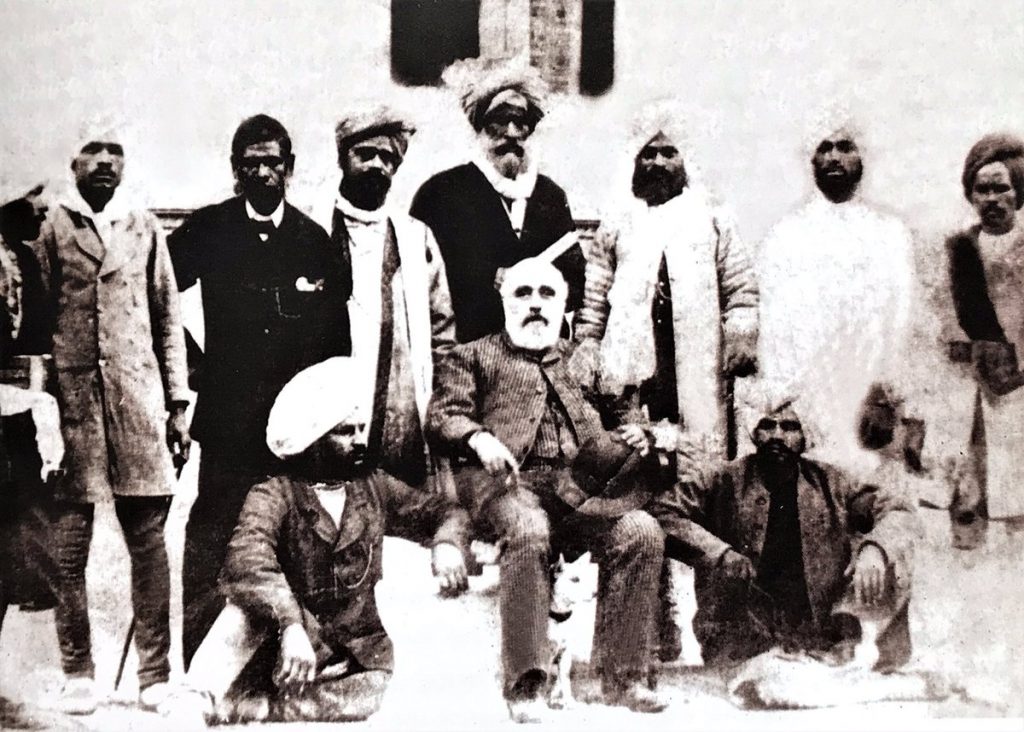
The British deputy commissioner William Young got highly impressed by Bhai Ram Singh’s talent. Due to this work, Bhai Ram Singh’s got enrolled in Mayo School of carpentry and became a protégé of principle John Lockwood Kipling on the recommendation of deputy Commissioner. He learnt English, basic drawing, geometry, mathematics and basics of everything related to his profession in Mayo school of Arts beside the carpentry art, in which he was already a master. Learning under the guidance of principle John Lockwood Kipling, Bhai Ram Singh soon surpassed his peers and emerged as a first prominent architect of British India in coming years.

Sardar Jaiteg Singh Anant, Canadian Sikh Scholar told that Bhai Ram Singh was a proud descendant or Ramgarhia Virasat, he learned basic work of carpentry from his father Mistry Aasa Singh. His most distinct work is the construction of Darbar Hall which he completed on 31 March 1893. Queen Victoria got highly impressed by Bhai Ram Singh’s architectural work and gifted him one gold pen and her portrait with Autograph. Queen Victoria also honored Bhai Ram Singh by ordering her official painter to prepare a portrait of Bhai Ram Singh which is still present in Darbar Hall in Queen Victoria residence. He was first Sikh who got title of Kaiser-e- Hind in 1905 from Viceroy of British India, Bhai Ram Singh earned title of Sardar sb 1907 and Sardar Bahadur in 1911. Bhai Ram Singh also served as principal of his alma mater Mayo School of Arts from 25 September 1910 to October 1913. Bhai Ram Singh’s buildings have a unique blend of Mughal architect and Indian Saracenic style with beautiful arches dooms, umbrellas etc.

Renowned architect and academician Mr. Pervaiz Vandal explained the alliance of Bhai Ram Singh and John Lockwood Kipling was equal to a landmark partnership. He expressed that Bhai Ram Singh was a brilliant young creative mind, having great expertise in sub continent’s cultural designs, carpentry and heritage work whereas Kipling was an expert British art teacher, illustrator and curator. When eastern art meets with western craft, the result was nothing less than a wonder. He added that Kipling gave special attention to young Bhai Ram Singh and with every passing year he nourished his skills, enhanced his talent and got recognition for inimitable architecture work in coming years. Bhai Ram Singh competed with English engineers, architectures and earned applause for his innovative pattern and designs. He designed the building of Lahore museum, Punjab University, Aitchison College in Lahore. Later on he worked of every royal, Nawabs and British govt. buildings.

While analyzing Bhai Ram Singh design work, Pr. Sajida Vandal shared that during research a report piece written by John Lockwood Kipling was found which revealed that architect of Lahore’s museum is Bhai Ram Singh. While designing the Mayo school of arts Bhai Ram Singh added corridors along with halls, rooms and decorated the walls and rooms with beautiful jails. She added that keeping in the mind the climate scenario Bhai Ram Singh designed big class rooms like halls with high roofs.

In Lahore museum building Bhai Ram Singh selected a unique pattern designed a lobby having beautiful fresco paintings on its walls. He commissioned an expert graduate of Mayo School of Arts for this unique work. Pr. Pervaiz Vandal shared that Mr. Kipling was a great admirer of Lahore’s famous Wazir khan Mosque’s art work and he used to send his students there to learn about detailing of design work. These study tours helped his students especially Bhai Ram Singh a lot, who enriched his aesthetics and added detailing elements in his architectural work.

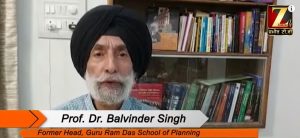
The Documentary also has interviews of leading academicians of Indian Punjab. Professor Balwinder Singh from Guru Nanak Dev University stressed there is a dire need to preserve and promote the creative treasure of Bhai Ram Singh. He shared that Bhai Ram Singh designed the iconic building of Khalsa College Amritsar at a very distinct location near GT Road. When we pass through G T road near college the grandeur and beauty of Khalsa College building instantly grabbed attention and cast a spell. The arches, dooms, umbrellas and walnut woodwork inside the building are highest level of craft ship. He added that one can easily trace Bhai Ram Singh’s signature style in all his buildings which he designed in states like Kapur Thala, Nabha and others. He mentioned that Bhai Ram Singh also added religious elements in his work also designed some Gurdwaras who have their own significance.

RCIN_403750
RCIN_403750
RCIN_403750
RCIN_403750
RCIN_403750
RCIN_403750

Dr. Jatinder Kaur associate professor school of planning and architecture New Delhi highlighted the cultural elements of buildings designed by Bhai Ram Singh. From Kashmir to South India, in all the buildings designed by Bhai Ram Singh, one can see the merger of Mughal, Indian and British architecture in its finest form. The windows, doors, walls, arched and dooms all have Indian elements in its designs, formations and grandeurs. She mentioned that Bhai Ram Singh was a carpenter by birth so he brought new patterns in the creation of Jalis and jharokas for walls and doors. She regretted that it is very unfortunate that despite having a rich architectural legacy there is no significant research work is available on Bhai Ram Singh’s excellent contribution. She stressed that students should take interest in this regard and should explore that how Bhai Ram Singh succeeded to create his name as foremost architecture is era of British engineers without modern knowledge and resources.

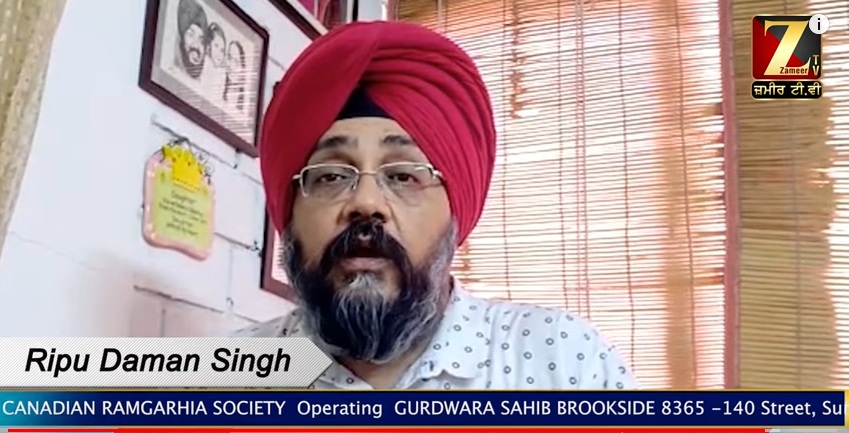
Ripu Daman Singh, academician from Maharaja Ranjit Singh Technical University Bhatinda is doing his PHD on Bhai Ram Singh’s work. He acknowledged the creative superiority of Bhai Ram Singh and said that he will disclose the more details of his work contribution in his research work. He added that Bhai Ram Singh artistically presented the Indian heritage in his building designs and achieved a significant place in all his peers. He was a master in his art and his legacy has enormous sociocultural impact.


 The documentary is available on youtube here is the link below. https://www.youtube.com/watch?v=SCh9Bw6QIBE

How do We Prepare for Natural Disasters?

The recent expansion in urbanization, environmental deterioration, and natural disasters of ever-greater magnitude have all had a significant impact on Pakistan, an under developed country. The country is prone to natural hazards such as drought, earthquakes, floods, heatwaves, extreme cold, and locust attacks. According to the Climate Risk Index 2021, Pakistan ranks eighth among the countries most affected by extreme weather events between 2000 and 2019. These natural disasters have caused massive internal displacements in the population that amount to a staggering 104,000 IDPs as of 31 December 2020 (as per the Internal Displacement Monitoring Centre). Pakistani communities are facing extreme challenges such as melting glaciers, limiting freshwater availability, more floods and drought, decreases in crop yield as well as greater air pollution. According to an online survey, almost one in every five respondents had to migrate because of temperature extremes and drastic changes in weather patterns. Keeping all the aforementioned facts in mind, being a Pakistani, one must be prepared for any natural disaster. In this regard, CESVI Pakistan (An Italian INGO) is working extensively to aware local population in the Mirpur Khas district of South Sindh in order to mitigate damage caused by reoccurring floods in collaboration with ECHO (European Civil Protection and Humanitarian Aid Operations). Many practical steps have been taken like the installation of flood threat levels indicating colored poles in canals and river routes, formation of local committees and arrangement of different training sessions. This article is also an effort to aware masses about the upcoming threat of natural disasters and how simple precautions and steps can make a big difference in their lives. Here are 5 practical steps to take if you encounter a natural disaster. 1. Make a Handbag/Emergency Kit of Essential Items The first step is to prepare a handbag or emergency kit based on essential items like non-perishable food items (like rice, lentils, sugar, tea, biscuits, etc.), torch, lighter, cash and important documents (like CNIC, children’s bay forms, property registry, etc.). This handbag or emergency kit will be essential for your survival in case of any natural disaster. 2. Practice Drills One essential thing that can save your and your loved ones’ life is to practice flood and earthquake evacuation drills with your family members. There are several videos on evacuation drills during any disaster on YouTube that can be seen and learned. One must practice drills at least once a month. 3. Give priority to the Vulnerable People When a natural disaster strikes, the first to receive help, rations, and support should be the most vulnerable people – children, women, older people or persons with disabilities. While helping your own family you must not forget to help such vulnerable groups in your neighborhood. 4. Make a list of Essential Services/Helplines Another important thing to do is to have a list of phone numbers of essential services and helplines including first aid services, National Disaster Institutions, relief services, ambulances, fire brigades, police, food-related NGOs, etc. You can keep a list in the pocket size diary or a notepad. 5. Stay Informed It is vital to keep updated about the news in case of a natural disaster. Having the right information at the time of such a natural disaster or before can provide you and your loved ones with shelter, food and emergency support services. These are the practical steps that are essential to avoid the loss of life and possessions in times of a natural disaster. If these five essential steps are followed, multiple lives can be saved.

A brave widow – Bhappan Bibi cultivates her small farm in Multan.

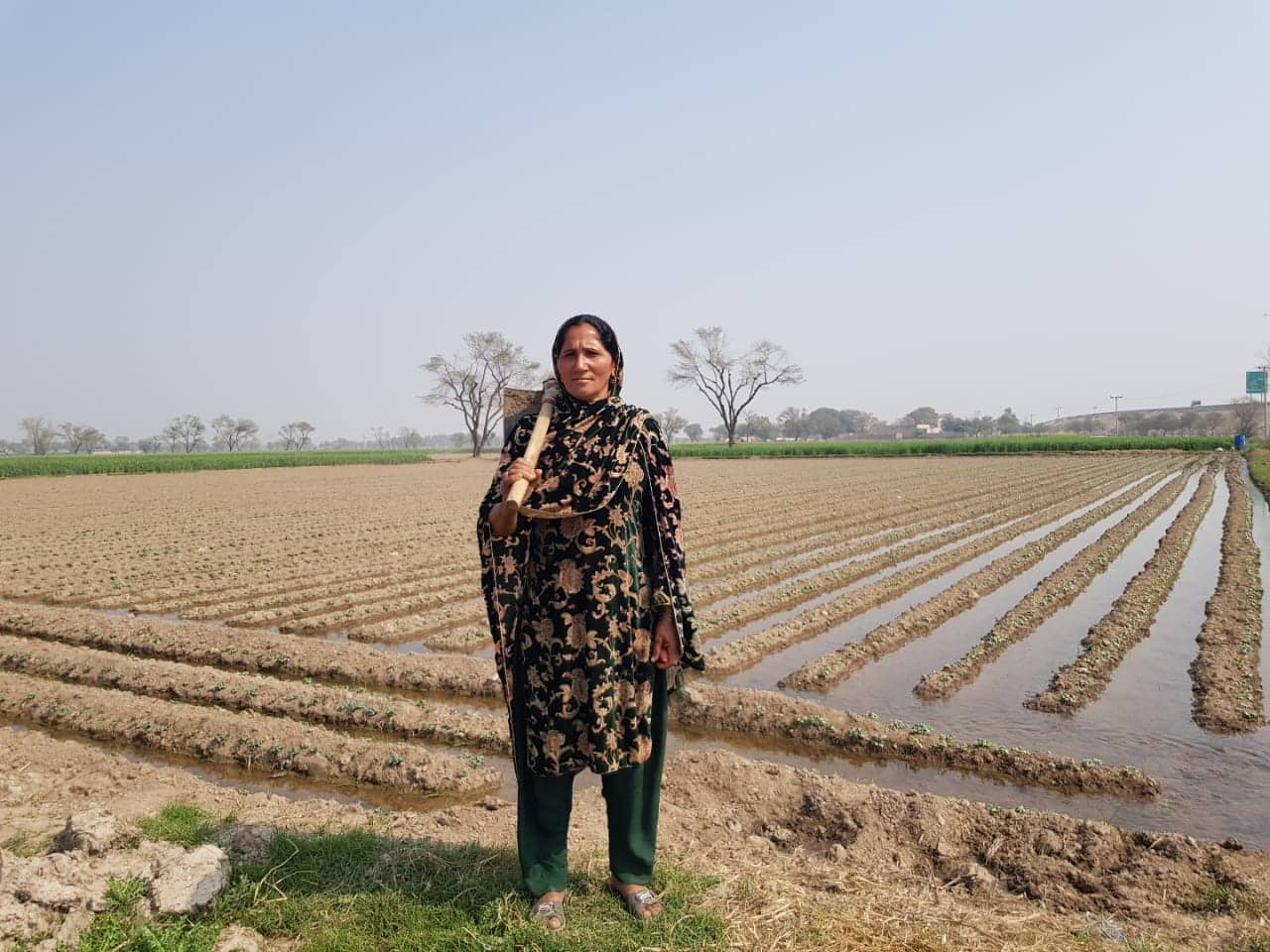
Pakistan’s fertile lands, irrigated by five rivers and one of the world’s largest canal networks, are providing good yields and respectable livelihood to over 70 percent of the country’s 240 million citizens. Therefore, the agricultural sector has attracted large-scale investments from global and domestic enterprises, contributing to socio-economic development and sustainable growth. The nation’s farming communities have many inspirational stories of diligent growers who have achieved remarkable success. During a recent visit to South Punjab, I came across one of these exemplary farmers – Bhappan Bibi a courageous widow who nurtures her own crops on her seven acres of land near Multan city, situated on the bank of river Chenab. After the tragic loss of her husband, 18 years ago, the only option she had was to take up farming on this small piece of land that she owned. With her hard work and strong will, Bhappan Bibi has been able to sustain her household, feed and educate her 5 children for almost two decades now. Over the years, she cultivated rice, wheat, Okra, etc., all by herself, and this honorable profession has also enabled her to get her three daughters married. Today, she can also afford to get her remaining two children married, without depending on any financial help from relatives or others. She is skilled in efficient water use and knows crop-protection, spray-techniques and timely use of the right amount of fertilizers. Hence, her farm produces high-quality crops that earn a good price in the market. Based on her experience, Bhappan Bibi especially highlighted the role that innovative crop protection products and advisory services of Syngenta – the global producer of crop protection, biologicals, seeds and crop enhancement products – through its Naya Savera franchise network have played in not only protecting her crop against different pests and diseases but also increasing the quality and quantity of her farm’s yield. This merit a special mention in this article because often we neglect the positive impact that socially and environmentally responsible crop protection companies such as Syngenta are playing in making resourceful contributions to the wellbeing of the farmers and socio-economic development of the country through their products, advisory services and training on safe and responsible usage. Water-shortage and rising-temperatures are impacting agricultural productivity and practices all over the world. The water-availability and farms’ outputs in the Multan region are also reducing. However, Bhappan Bibi has been very fortunate in this regard. By applying her deep understanding of irrigation-techniques, she has overcome the water shortage and get much higher yields. While many other farmers, who were using local, low-quality products and relying heavily on canal water have suffered greatly, in the same area. These farmers are now seeking Bhappan Bibi’s advice to reduce the negative impact of climate-change. Giving an inspirational message to the women around the world, Bhappan Bibi stated that; “If I can achieve so much, with self-reliance, hard-work and patience – so can you. Today’s woman has much easier access to a world of information that I could never dream of, during my toughest days. These girls can accomplish everything by remaining focused on their positive ambitions. Never get discouraged by what negative people say and take optimum advantage of your talents and evolving-technologies”.

TechTalks: The future’s bright, the future is fintech

All over the world, the finance industry is witnessing a new trend as banks are transforming their business models as fintech operators. Previously, it was the other way around  , shared Mohammad Yasir Ilyas, the head of one of Pakistan’s leading money management app Hysab Kytab.

He said this while moderating a webinar series titled Tech Talks held by Jaffer Business Systems, where fintech heads and finance experts discussed financial inclusion, digitization and Pakistan’s untapped potential in the financial sector – fintech: which can capture niche markets through innovative, tech-enabled, and easy-to-accessible services.

Mr. Ilyas claimed that the support of regulators was essential for fintech operators and financial institutions in order to introduce various initiatives in the market. According to Mr. Ilyas, in the last two years, the support from regulators has been positive which has led to the growth of fintech business in the country.

Given the current financial setting, in the next five years banking will become a common service in Pakistan and worldwide. Financial literacy and awareness play an important part in making people feel comfortable using services offered by fintech operators.

“The mobile phone penetration is exceptional — from 70% to 80% in Pakistan, but the penetration of banks stands merely at 20% which provides a big opportunity for fintech to come into space benefiting from mobile penetration to launch their products and services,” said Areej Al Medinah, Product Owner at SadaPay.

She added that financial inclusion was a wide phenomenon which should offer its user access to the financial system even without a bank account for basic services and a variety of products and services with a bank account. 

The services should be easy to navigate, sustainable and affordable for a wide segment of the customers who can be empowered to make the most of their bank accounts.

“Bank accounts are not a privilege. They are a necessity which should not be based on red tape. Fintech companies do swift processing without excessive documentation as compared to traditional banks,” she explained.

“Fintech operators provide easy access to customers to open bank accounts or have a transactional card in a short span of time as compared to traditional banks with the involvement of a lot of processes and compliance. In this way, the role of fintech is tremendous in promoting digital transactions and financial inclusion in the country,” Ms. Al Medinah further said.

Elphinstone Founder and CEO Farooq Tirmizi believes that the phenomenon of financial inclusion could be promoted at an accelerated pace in Pakistan through the regulator’s plan and that competition should not be intensified between banks and fintech operators but between these entities and different sectors such as real estates.

“During the last few years, progress has come from the regulator side, but we need to improve the enabling of digital infrastructure to untapped areas of the country,” he said.

In urban areas, fintech operators do not need to educate their customers as these could attract their customers through their innovative and easy-to-use products and services which could meet their needs.

Financial inclusion will lead to challenges such as financial scams and fraud which we should keep in our mind. These challenges can be addressed through the experiences of advanced markets in which these issues are terribly frequent,” he added.

According to Ali, COO and Co-founder of Abhi, fintech companies and banks should work in conjunction to reach out to the targeted audience at a faster pace.

“The regulator is open to new ideas for supporting financial institutions and fintech. The collaborative role of banks and fintech is increasing in Pakistan,” he said, adding that the trajectory was on the right path and the development was significant in the last two years.

According to Abhi’s COO, banks and fintech should educate their customers about the risk side to prevent them from the possible losses in case of fraud and scams. He mentioned that banks were also aggressively carrying out various campaigns to educate their customers about avoiding sharing their financial (identity) and transactional details.

The podcast gave an overview of the Fintech landscape in Pakistan, its growing trend and how it’s changing the financial services industry. The talk also explored the opportunities and challenges within the Fintech industry. Catch the next episode of Tech Talks on 2nd July titled, “Leadership from the lens of Millennials.