Facebook to let content creators earn money from short-form videos

CALIFORNIA: Facebook Inc will allow content creators on its platform to earn revenue from short-form videos via advertisements, the social network said on Thursday.

The announcement came in a blog where the company detailed its plans to help creators make more money, as smaller tech rivals have been racing to attract famous social media personalities.

Snapchat owner Snap Inc has been paying $1 million per day to creators who make viral short videos on its feature called Snapchat Spotlight. Twitter recently announced it would launch “Super Follows,” which would let users charge followers for exclusive content.

Facebook said creators can now earn ad revenue from videos as short as one minute, down from three minutes previously.

It will also begin testing ads that look like stickers, which content creators can use in their Facebook Stories to earn money.

More creators can now qualify to earn ad revenue from live-streaming videos on Facebook, previously an invite-only program.

The social media giant said it would also give away $7 million in free Facebook Stars, which users can pay to creators on Facebook Live as a form of tipping.

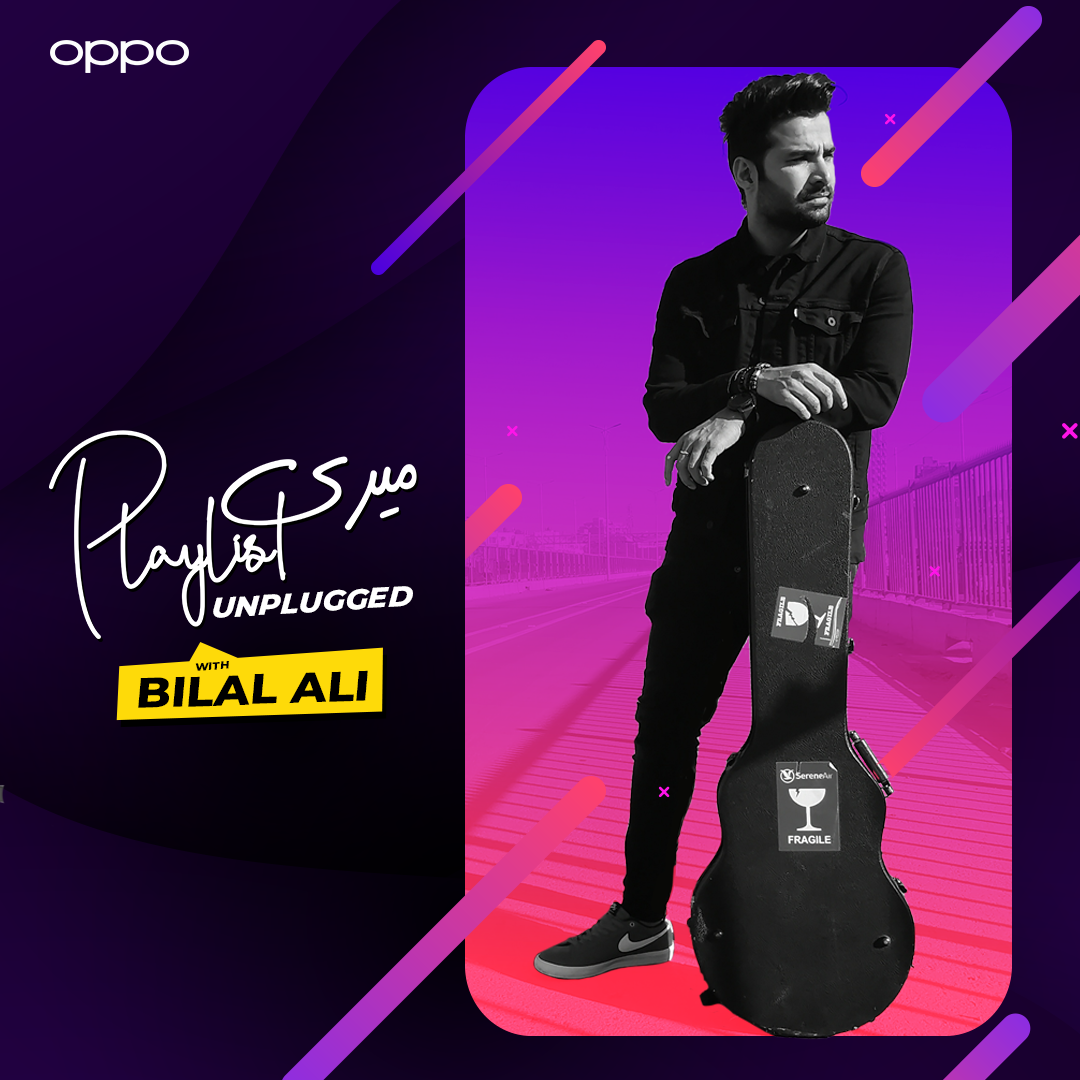
OPPO launches captivating cinematography starring Bilal Ali exclusively shot from OPPO Reno3

OPPO delivers another complete entertainment package in the smartphone market with its latest collaboration with creative platform Kartoos by sponsoring the amazing campaign “Meri Playlist Unplugged” starring Bilal Ali, Vocalist of Kashmir Band. OPPO has launched two new-heart winning singles shot exclusively on Reno3 which has been released on OPPO platforms including Facebook, and Instagram, the serenely soothing video songs “Dhoop Piano Mix” and “Khwaab Chill Mix” took over the social media.

The video songs are an artistic illustration that takes the viewer into a new world. The cinematography not just portrays the talent of singer and director but also perfectly visually shows all the amazing features of the phone. OPPO Reno3 with its versatile videography capabilities enabled Bilal Ali to create a video that is clear and crisp in every detail, giving viewers stunning visuals like the fluttering drapes in slow motion or capturing grey rainy skies. As the cinematography of the aesthetic music video required seamless zoom and stabilization, OPPO Reno3 Quad Camera did the job perfectly capturing even the smallest details. Never has cinematography been used to express subjectivity with subtle touches, transforming a nifty visual conceit into a remarkable piece of art.

The ultra-dark mode was artistically used in the video and became a large part of the noir aesthetic throughout and made scenes like the flickering candles in the dark look exquisite. OPPO Reno3 video stabilisation gave rise to a new era of stabilised videos giving cinematic-quality results. VOOC Flash Charge 3.0, enabled Bilal Ali to shoot the entire video without repeatedly having to plug it in to charge. Enabling users to be directors of their own life’s story, the OPPO Reno3 captured video shots in a loose and fun way but made no compromise on quality.

This new campaign by smartphone brand OPPO is not just a step forward to help aspiring young artists and amateurs to shoot videos on the smartphone, but also merges convenience and cost-effectiveness to provide a fantastic creative experience for the youth.

Pakistan researchers among winners of Facebook misinformation project

Lahore (Muhammad YasirFacebook announced the winners of its Foundation Integrity Research: Misinformation and Polarization request for proposals. Among the global list of winners are Agha Ali Raza and Ihsan Ayyub Qazi from Lahore University of Management Sciences (LUMS), whose proposal shone during the competitive selection process.

Misinformation and polarization are fundamental challenges Facebook faces, not just as a company with the mission of bringing people together but also as members of societies dealing with layered challenges ranging from election interference to a global pandemic. At the end of February, Facebook Research launched a request for proposals focusing on these dual challenges. “Our goal is to support independent research that will contribute to the understanding of these phenomena and, in the long term, help us improve our policies, interventions, and tooling,” said Alex Leavitt, Senior Researcher at Facebook.

Agha Ali Raza and Ihsan Ayyub Qazi’s research sets out to measure the role of prior beliefs and analytical reasoning, and how this impacts the beliefs of internet users, as well as to design an educational intervention that uses influential public figures to spread awareness about misinformation in order to reduce polarization, among other goals.

The winning duo shared “We are thrilled to have our research been awarded the grant by Facebook which would serve as a stepping stone for us to take our project forward. Through our research, we aim to understand how non-textual misinformation (e.g. deepfakes) is perceived by internet users with low digital literacy, and the role of pre-conceived notions and analytical reasoning in shaping the beliefs of such users. We are hopeful that by the completion of this project, we will be able to make a substantial contribution towards combating the circulation of false and unverified information on the internet.”

Facebook opened a request for proposals for academic institutions or non-governmental organizations from all over the world in February this year. This resulted in over 1,000 proposals being received from 77 countries altogether. Out of these, 25 awardees have been finalized, who will be investigating issues across 42 countries including Canada, Denmark, Pakistan, Turkey and the UK.

Proposals were evaluated by a selection committee which comprised of members from Facebook’s research and policy teams. The winners’ areas of research will include health, politics, digital literacy, and news, while the research itself is not restricted to Facebook apps and technology.