TECNOPhotoWalk captures the magnificence of Islamabad through the lens of Camon 16

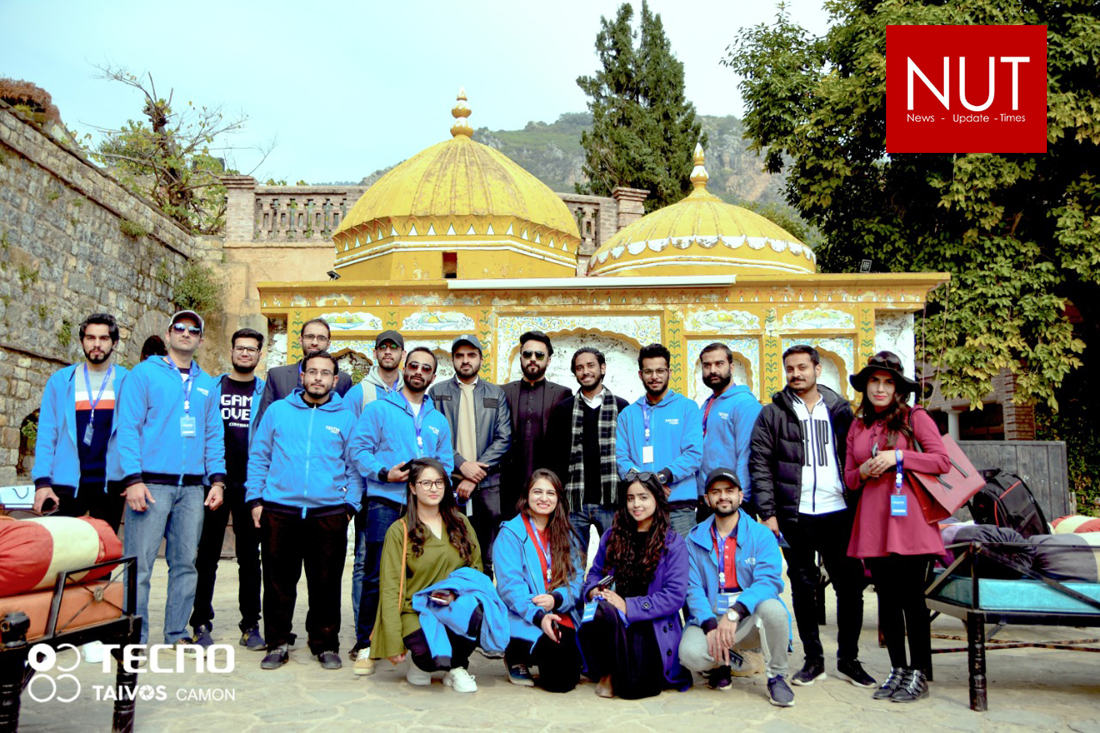
 TECNO keeps bringing innovative campaigns, continuing the legacy of raising the bar higher for building engagement with its fans and customers. The renowned smartphone brand has started a new Photowalk campaign that shall be covering major cities in Pakistan. The first destination for #TECNOPhotoWalk, Pakistan’s pride the second most beautiful capitals in the world, Islamabad has been covered successfully with hundreds of fans participating.

Surrounded by the voluptuous Margalla Hills, it is no wonder why Pakistan’s pride gets on the podium for being the second most beautiful capital cities in the world. With its abundance of cultural heritage, mosques, monuments, glitzy malls, and skyscrapers, the city is often an overlooked prestige that many people are oblivious to. It is one of the major tourist spots in Pakistan and gets thousands of wanderers every year. TECNO took it on itself to give a tour around some hot favorite spots with its Photowalk, Saidpur Village and Pir Sohawa.

Saidpur Village is located in the Margalla hills and one can only imagine the beauty it holds. It is one of the major tourist spots of the city surrounded by overwhelming mountains. Pir Sohawa is one of the most visited tourist spots in Islamabad catering to famous food spots. After the tedious Photowalk, TECNO arranged a lavish lunch for all the participants at La Montana Restaurant. It is one of the highest points in Islamabad where the participants enjoyed their food amid the breathtaking view of the city.

The fun does not end here. The participants of the Photowalk with the best-captured images will be rewarded a special gift from TECNO at the end of the campaign. The winners will be announced on TECNO’s social media platform after all destinations are covered. TECNO shall be going to the city of lights, Karachi, for its next destination.
So get ready Karachi! Do not miss this chance to be a part of a fun-filled day. Even if you missed the first event in Islamabad, you can still join us in Karachi. Participation is simple, just fill out the registration form below and join us with your friend and family in this great city exploring venture. Stay tuned for more updates and fun-filled activities from TECNO in the coming days.

The link for the form is at https://docs.google.com/forms/d/1luvG4VAN_X371N-933aIrjxbiZ3KCh1iu7VMsXDQOYs/viewform?edit_requested=true


2020 Tech transformations: Year in review

The year 2020 proved to be a pivotal one in tech, as companies provided essential services during the coronavirus pandemic and unveiled 5G telecom technology. In what has been a unique year for the modern world, technology has shown no sign of being any less relevant, with apps, software and gadgets being a vital part of some of the biggest stories of the last 12 months.

During lockdown, communication tools were central in ensuring fragments of normality remained, allowing people to work, study and socialize with friends and family despite social distancing. In addition, several key pieces of new technology have also been released this year. Here is a look at the major tech talking points of 2020.

The rise of Zoom!

As the world went into lockdown at the beginning of the year and remote work and study became normal for many, a previously relatively unknown video conferencing tool suddenly became a central part of most people’s day. As well as work calls, study groups, quizzes, birthday parties and even weddings were being held over Zoom. In just a few months, user numbers rose from around 10 million in December 2019 to more than 300 million a day by April 2020 – an increase so dramatic the company itself later admitted it struggled to cope with the new waves of interest and scrutiny. In response to the outcry and its newfound status as a tech giant, Zoom announced a 90-day program from the beginning of April to update its security settings across the board, pausing all over software development in order to upgrade the app and add a range. of privacy and safety tools.

The Covid-19 contact tracing app!

Industry giants Apple and Google quickly announced plans to work together on an exposure notification system that worked across the iOS and Android operating systems, which was privacy-centric and could be tied in with contact tracing apps in participating countries. Government focused on the Apple and Google de-centralized system, eventually releasing its contact tracing app in September. But even after release, the technology was beset by further issues, including “phantom” exposure alerts and a flaw around the app not displaying any text for some language settings. Nevertheless, it has been downloaded around 20 million times since its release.

Medicine goes digital

Coronavirus lockdowns drove people away from visiting physical healthcare centers, leading to an anticipated surge in telehealth, or digital health services ranging from primary care to therapy.

An Oct. 22 survey in USA from the COVID-19 Healthcare Coalition that included responses from more than 1,500 physicians and other healthcare professionals found that 75% of medical workers believe telehealth provided patients across the healthcare spectrum access to better quality care.

TikTok’s time to shine

TikTok also ranked No. 2 for global user spend in the third quarter of 2020 on the App Store among nongaming apps,research from App Annie shows.

The app popular among teens has garnered an estimated 850 million monthly active users, including 100 million U.S. users and is set to reach 1.2 billion monthly active users in 2021 – nearly three times the number of users the app had in 2018, according to app analytics site App Annie. The year turned sour for TikTok after cybersecurity company Check Point Research published a report showing “multiple vulnerabilities” in the app on the same day TikTok announced a number of significant updates to its community guidelines.

TikTok, a short-form video app, also fell into the spotlight in 2020 for two reasons. First, the app’s popularity has continued to surge since it was acquired and rebranded by Chinese tech giant ByteDance in 2017, and its popularity was only strengthened by COVID-19 lockdowns. Second, the Trump administration threatened to block the app within the U.S. if it did not give Americans more control over the company’s operations, citing national security concerns with the app’s owner. TikTok came into the limelight after the U.S.-based, six-second video app Vine shut down in 2016 following its struggle to make a profit. Vine and YouTube users flocked to TikTok, and the app’s popularity exploded between 2018 and now.

Huawei and Zalmi Foundation Signed Agreement to Develop Entrepreneurial Ecosystem for local Communities

Lahore (Muhammad Yasir) A strategic Memorandum of Understanding (MoU) was signed between Zalmi Foundation and Huawei Pakistan on talent development activities. This serves as a stepping stone for both organizations to further develop and expand their relationship. The ceremony was attended by Mr. Javed Afridi, the Chairman of Zalmi Foundation, Mr. Muhammad Akram, the Head Coach of Peshawar Zalmi, and Mr. Gaoweiji, the Managing Director of Huawei Enterprise Business group along with management from both sides.

The aim of this co-operation is to substantially work towards realizing the dream of “The Digital Pakistan”. Huawei and Zalmi Foundation will work together to promote innovation and develop an entrepreneurial ecosystem for the future digital economy of Pakistan.

Huawei and Zalmi Foundation are going to provide programs and activities to enhance and develop the full potential of local people as well as promote digital skills, innovation and tech entrepreneurship.

Mr. Javed Afridi, Chairman, Zalmi Foundation said, “The goal of Zalmi Foundation and Huawei’s partnership will result in the provision of 21st-century skills across communities in Pakistan. Due to advancements in technology, there is a need to rethink our approach towards education. Education needs to be more skills-based now than ever before. Zalmi Foundation is committed to preparing the youth of today for the workplace challenges of tomorrow. And, today’s partnership will play a crucial role in this.”

Addressing the ceremony, Mr. Gao stated, “The talent in Pakistan has no bounds; there are numerous individuals who are hardworking and passionate. However, due to limited exposure and opportunities, we are yet to utilize all this potential. This initiative will produce a pool of highly skilled and sought-after professionals who are not only job-ready but also capable of creating new opportunities. This as a result will not only benefit these individuals but will also contribute to the growth of the nation.”

Zalmi Foundation is a not-for-profit skills development and competence-building organization which aims to motivate, educate, and inspire future generations to be prepared and well-equipped with the challenges of tomorrow. Zalmi Foundation has a record of demonstrating sustained success in achieving its key objective and outcomes. The Foundation has already achieved appreciable, measurable, and progressively improving results in terms of a significant portion of its mandate.

Huawei continues its efforts to bring the latest ICT technology to Pakistan, by putting dramatic efforts on ICT talent enablement. Currently, there are 1,500 employees, 91% of whom are Pakistani; who not only cover local business responsibilities but also contribute towards the whole Middle East region, using leading technology design and remote deployment like 5G, Cloud etc. The company has established several programs including ICT Certification, Huawei ICT Competition and the ‘Seeds for the Future’ program.

This strategic alliance is going to be the first of the many steps taken by both companies to substantially work towards realizing the dream of “Digital Pakistan”. Huawei and Zalmi Foundation will work together to promote skills development, creativity and innovation, and develop an entrepreneurial ecosystem for the future digital economy of Pakistan.

Zong 4G Extends a Helping Hand to SOS Children’s Village Lahore

Lahore (Muhammad Yasir) In continuation of its tireless commitment for giving back to the society, Pakistan’s leading cellular and digital services provider, Zong 4G, has reached out to the SOS Children’s Village Lahore to facilitate lives of young boys and girls.

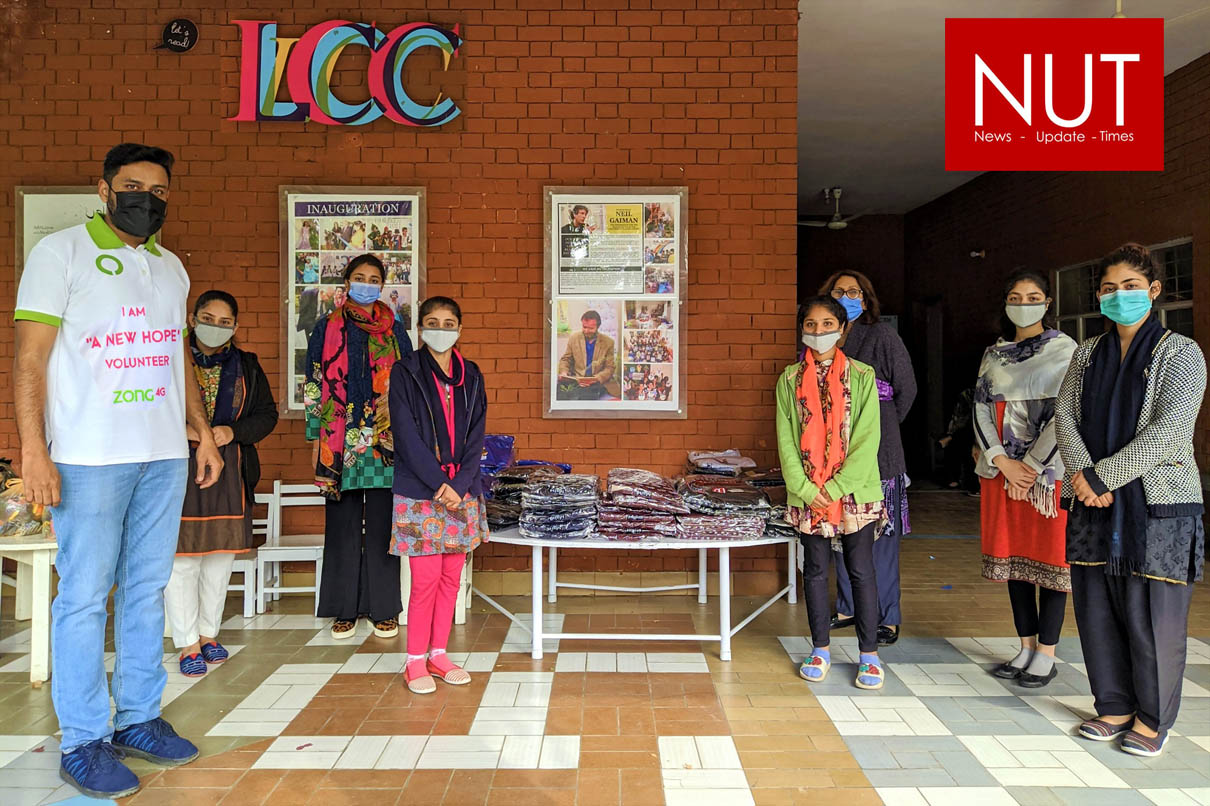
To help the children cope with the cold weather and the Covid-19 pandemic, Zong gifted warm clothing, among other items of basic necessity, to the SOS Village Lahore’s children. The initiative was replicated across all SOS Villages in Lahore so more children could benefit from the support.

Moreover, Covid-19 awareness sessions were also organized by Zong for Lahore’s SOS Children’s Villages to educate the children on safety and prevention measures amid the coronavirus pandemic.

“Our association with the SOS Children’s Villages has been going on for years and this latest collaboration with SOS Children’s Village Lahore is an extension of our commitment to facilitating the lives of children in need,” said Zong’s official spokesperson. “Our team spent some valuable time with the kids while educating them on coronavirus safety and making their everyday lives a bit more comfortable.”

“We thank Zong for their love and support for the Village’s kids,” shared Almas Butt, Village Director, SOS Villages. “Any such gesture of kindness is always appreciated as the kids at the SOS Villages need love and affection like all children. Zong’s gift of warm clothing for the kids and their Covid awareness session will surely help the kids in fighting both cold and the virus.”

In September this year, Zong extended support to SOS Children’s Village Karachi amid torrential rains. Earlier Zong 4G partnered with Bint-e-Fatima old home to the support of the elderly women of Karachi during the crisis. The extension of support to the SOS Children’s Village in Lahore solidifies Zong’s unfaltering commitment to the social welfare of citizens.

eShifa to provide smart home health services through tech

Lahore (Muhammad Yasir) In view of the increasing pressure on hospital infrastructure and management systems due to the Covid 19 and help ensure the safety of patients, Islamabad’s Shifa International Hospital has developed a unique home-based healthcare solution for patients.

According to a statement issued by Oracle, Shifa International Hospital will be deploying Oracle Cloud Infrastructure (OCI) to help enhance the healthcare experience by offering greater and smarter home health services to all in the comfort of their own home.

Oracle Cloud Infrastructure will provide a highly scalable, cost-effective cloud platform on which the hospital will run its Hospital Management Information System (HMIS).

Accessed via a third party mobile application, ‘eShifa Home Health Services’ will give patients access to online doctor consultations and laboratory and nursing services, reducing wait times, the risk of infection, and easing the burden on the hospital. 

“Technology has the potential to greatly improve the way we provide medical care, making it possible for every person to have access to quality healthcare services that are on par with hospital-level care from the comfort of their own home. All they need is an internet connection and a smartphone. We really believe this innovative service has the potential to revamp healthcare in Pakistan and place us among the innovative leaders in the industry,” said  Dr. Farah Ansari, Medical Director, eShifa. 

“To help deliver on this vision, we chose Oracle Cloud Infrastructure because it provides a high-performance cloud foundation backed by robust security, scalability and resilience,” she added.

Data integrity between the hospital’s on-premises HMIS and eShifa cloud application will be ensured using Oracle GoldenGate 19c on OCI Marketplace, which will provide high-performance data replication.

“Healthcare providers today face a number of significant challenges to provide uninterrupted healthcare services, and to keep on improving service delivery in these challenging times,” said Amer Khan, Senior Sales Director, Technology Business, Oracle Pakistan. 

“Oracle Cloud can help Shifa International Hospital run its eShifa Home Health Services securely and smoothly, helping to provide the same level of support to the patients on their doorsteps as they would get in the hospital,” he added.

Shifa International Hospital’s IT team is implementing the solution with support from Oracle.

Pakistan tech talent head for Huawei Middle East ICT Competition regional final

Two teams to now contend for regional competition title, cash prize, and more

Lahore (Muhammad Yasir) The national winners in Pakistan from this year’s Huawei Middle East ICT Competition, held in partnership with the Higher Education Commission in Pakistan, have now been announced, with two teams–comprising of three students and one teacher each – participating in the regional finals of this year’s event. The annual competition welcomes thousands of college and university students from Pakistan and the wider Middle East, enhancing students’ future employment through knowledge sharing on the latest ICT developments.

Due to social distancing rules, this year’s Huawei Middle East ICT Competition saw students participate virtually in the annual competition. All registered students took part in a Preliminary Competition and Training Enablement, followed by a National Finals written exams and interviews that were held online in the country.

The winners of this year’s competition represent 3 universities including the National University of Science and Technology, Balochistan University of Information Technology, Engineering and Management Sciences, and Mehran University of Engineering and Technology, Jamshoro. They received honors such as a Huawei certification and other awards. This year’s winning teams were chosen from a field of 100 finalists in Pakistan, who competed following the preliminary round involving more than 10,500competition entries from135 universities.

Congratulating the winners, Mark Meng, CEO of Huawei, Pakistan, said: “Our congratulations go out to the winning national teams as well as everyone who participated in this year’s competition. Such robust participation has demonstrated the immense capacity for Pakistan’s youth to combine innovation and creativity in using digital solutions. Building local ICT talent is an investment in the future of the country itself, and will ultimately equip Pakistan to better pursue digital transformation, their national development plans, and ambitious visions. This year’s competition was well-received amongst the student community in Pakistan, who adapted to the virtual edition with great ease, demonstrating their flexibility and innovative spirit.”

Mr. Haroon Malik, CEO, CORVIT NETWORKS IT Solutions & Services, said: “The Huawei Middle East ICT Competition is an exceptional platform to foster an interest in this essential sector. We are proud to have supported this initiative once again, as we believe in the value of nurturing young talent who will represent a connected future for our country.”

Dr. Waqar Mahmood, Director, Al-Khwarizmi Institute of Computer Science (KICS), added: “The ICT industry represents the foundation of the future development of Pakistan’s digital economy. It is important that we recognize the talent of our youth by providing them with a prestigious industry platform such as the Huawei Middle East ICT competition. We, at KICS, are honored to partner with a global ICT leader like Huawei and contribute towards the development of the future ICT professionals in our country.”

Huawei is committed to growing the global ICT talent ecosystem by investing in youth and providing development and training opportunities that will enable them to become leaders in the ICT field. Through this worldwide social responsibility initiative, Huawei seeks to enhance knowledge transfer, promote a greater understanding of and interest in the technology sector, and to encourage regional participation in the growth of the digital community and economy.

In 2020 specifically, virtual activities such as skills-development training and road shows have been conducted in coordination with Huawei’s state-of-the-art labs and leveraging Huawei’s global experts worldwide. The addition of an Innovation Competition in 2020 has also helped raise the bar in promoting local innovation, supporting participants in using cutting-edge ICT platforms to create valuable and meaningful applications for society.

Microsoft announce several new capabilities across its compliance offering

Lahore (Muhammad Yasir Mohamed El Nemr, Modern Workplace and Security Business Group Lead for Microsoft Emerging Markets, while announcing several new capabilities across its compliance offering said, “Compliance is crucial for businesses to achieve optimum output in the new normal. Enabling secure remote work, addressing regulations and uncovering new risks is now more of a reality”. In the wake of the COVID-19 pandemic, many consistent challenges have been experienced by businesses. With so many remote workers, people are creating, sharing and storing data in new ways – fostering productivity, but this has also introduced new risks. And this is not just an assumption. A recent Microsoft poll revealed that providing secure remote access to resources, apps, and data is the key concern for Chief Information Security Officers (CISOs).

With penalties and fines for non-compliance set at a maximum of €20 million or 4% of a company’s annual global turnover–in an industry that is ever changing, it is in the best interests of organizations to remain continually complaint. As such, to assist companies in better protecting their data, mitigate risk and address compliance regulations, especially in this time of flexible work, Microsoft has announced several new capabilities across Microsoft Compliance.In addition to the talent shortage and complexity of compliance management, customers also face the need to comply with an increased volume and frequency of regulations, with hundreds of updates a day globally to thousands of industry and regional regulations. Additionally, the complexity of these regulations has made it challenging for organisations to know which specific actions to take and the impact of these.

Compliance Manager offers a vast library of assessments for expanded regulatory coverage, built-in automation to detect tenant settings, and step-by-step guidance to help businesses manage risk. The feature also translates complex regulatory requirements to specific technical controls and through compliance score, provides a quantifiable measure of risk assessment – bringing together the existing Compliance Manager and Compliance Score solutions in the Microsoft 365 compliance center. The Compliance Manager provides a comprehensive set of templates for creating assessments, to help organisations comply with national, regional and industry-specific requirements governing the collection and use of data. To provide greater visibility into an organisation’s data, wherever it lives, new connectors have been made available that can pull data from other apps into Microsoft Compliance (including Microsoft Information Protection, Insider Risk Management, Communication Compliance, and eDiscovery) to help companies reason over, protect and govern that data.

Having the right data protection and governance approach is critical to not only addressing regulatory compliance but also to mitigating risks around data leakage. The extension of Microsoft data loss prevention solutions to Microsoft Cloud App Security is a new capability that extends the integration for DLP policy-based content inspection across connected applications such as Dropbox, Box, Google Drive, Webex, One Drive and SharePoint. This extension of Microsoft data loss prevention solutions to MCAS will help users to remain continuously compliant when using popular native and third-party cloud apps and helps to ensure sensitive content is not accidentally or inappropriately shared.

With Microsoft Teams usage growing with the shift to remote work, organizations are looking for seamless integration in order to keep their data and employees secure and compliant. With the volume of business conversations occurring round the clock in the solution, additional security and compliance features have also been added. We are well into a new era of business which has already brought with it the need for new processes and prerequisites. These new capabilities will only go a long way in ensuring that Microsoft customers across the continent and globally remain compliant.

Microsoft announce several new capabilities across its compliance offering

Lahore (Muhammad Yasir) Mohamed El Nemr, Modern Workplace and Security Business Group Lead for Microsoft Emerging Markets, while announcing several new capabilities across its compliance offering said, “Compliance is crucial for businesses to achieve optimum output in the new normal. Enabling secure remote work, addressing regulations and uncovering new risks is now more of a reality”. In the wake of the COVID-19 pandemic, many consistent challenges have been experienced by businesses. With so many remote workers, people are creating, sharing and storing data in new ways – fostering productivity, but this has also introduced new risks. And this is not just an assumption. A recent Microsoft poll revealed that providing secure remote access to resources, apps, and data is the key concern for Chief Information Security Officers (CISOs).

With penalties and fines for non-compliance set at a maximum of €20 million or 4% of a company’s annual global turnover–in an industry that is ever changing, it is in the best interests of organisations to remain continually complaint. As such, to assist companies in better protecting their data, mitigate risk and address compliance regulations, especially in this time of flexible work, Microsoft has announced several new capabilities across Microsoft Compliance.In addition to the talent shortage and complexity of compliance management, customers also face the need to comply with an increased volume and frequency of regulations, with hundreds of updates a day globally to thousands of industry and regional regulations. Additionally, the complexity of these regulations has made it challenging for organisations to know which specific actions to take and the impact of these.

Compliance Manager offers a vast library of assessments for expanded regulatory coverage, built-in automation to detect tenant settings, and step-by-step guidance to help businesses manage risk. The feature also translates complex regulatory requirements to specific technical controls and through compliance score, provides a quantifiable measure of risk assessment – bringing together the existing Compliance Manager and Compliance Score solutions in the Microsoft 365 compliance center. The Compliance Manager provides a comprehensive set of templates for creating assessments, to help organisations comply with national, regional and industry-specific requirements governing the collection and use of data. To provide greater visibility into an organisation’s data, wherever it lives, new connectors have been made available that can pull data from other apps into Microsoft Compliance (including Microsoft Information Protection, Insider Risk Management, Communication Compliance, and eDiscovery) to help companies reason over, protect and govern that data.

Having the right data protection and governance approach is critical to not only addressing regulatory compliance but also to mitigating risks around data leakage. The extension of Microsoft data loss prevention solutions to Microsoft Cloud App Security is a new capability that extends the integration for DLP policy-based content inspection across connected applications such as Dropbox, Box, Google Drive, Webex, One Drive and SharePoint. This extension of Microsoft data loss prevention solutions to MCAS will help users to remain continuously compliant when using popular native and third-party cloud apps and helps to ensure sensitive content is not accidentally or inappropriately shared.

With Microsoft Teams usage growing with the shift to remote work, organisations are looking for seamless integration in order to keep their data and employees secure and compliant. With the volume of business conversations occurring round the clock in the solution, additional security and compliance features have also been added. We are well into a new era of business which has already brought with it the need for new processes and prerequisites. These new capabilities will only go a long way in ensuring that Microsoft customers across the continent and globally remain compliant.

Huawei: Middle East becoming a global reference for digital resilience and sustainability

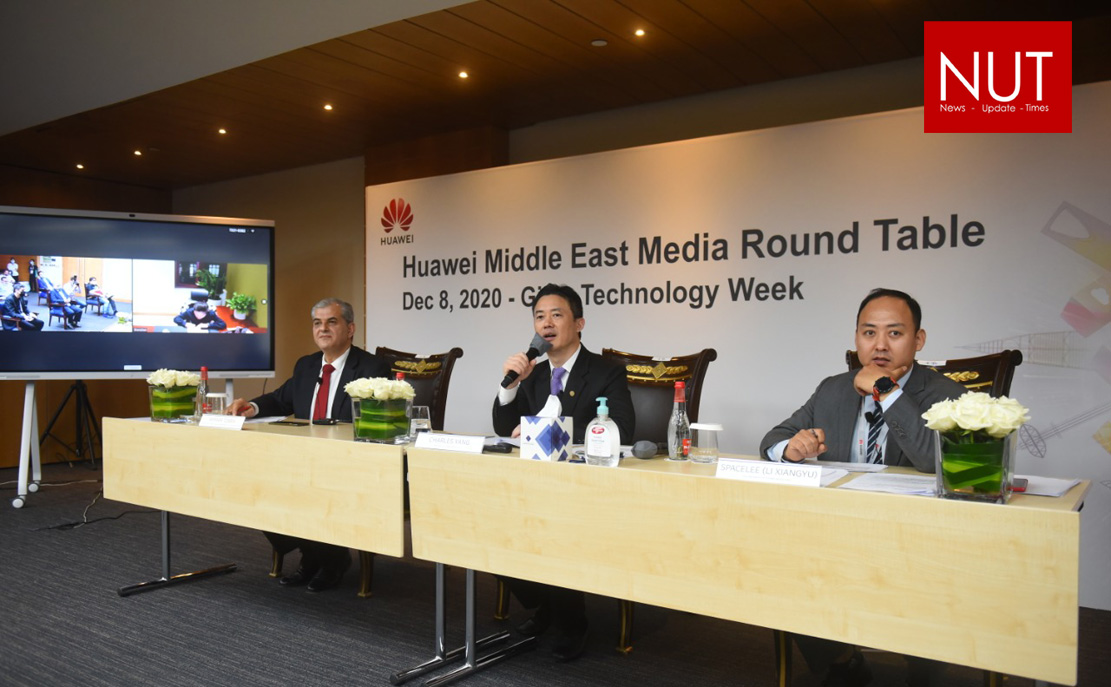
  • Charles Yang, President of Huawei Middle East, commends the region’s digital transformation agendas and related initiatives during GITEX Technology Week 2020
  • Talent development, technology synergy, and open collaboration to be pivotal in expanding the value of the region’s digital economy in 2021

Lahore (Muhammad Yasir) Ambitious investments in digital infrastructure have created unprecedented opportunities in the Middle East, while helping the region to rebound swiftly from the challenges of 2020, according to Huawei’s top executive in the region. Charles Yang, President of Huawei Middle East, recently highlighted the company’s key takeaways from the year as the global ICT solutions provider sought to help governments and enterprises bring digital to more people at a time when it was needed most.  

The Middle East was relatively well prepared from an ICT standpoint for the disruptions caused by the COVID-19 pandemic, noted Yang, with many countries having been early global adopters of infrastructure such as 5G. “That foundation of connectivity enabled many countries to cope with a surge in data traffic as a result of work, education, shopping, and even health services moving online,” said Yang, who estimated that the Middle East’s data traffic increased in volume by around 40 per cent over the year. 

Earlier this summer, experts at McKinsey noted that in a matter of just eight weeks, the world vaulted five years forward in consumer and business digital adoption as a result of the COVID-19 pandemic .

As was evident during the recent GITEX Technology Week—the region’s foremost tech and innovation conference—the Middle East has benefitted from strong public leadership, clear ICT development agendas, and the encouragement of foreign direct investment in the technology field. “At the same time, each country must continue to stimulate growth and address the impact of the pandemic. So as nations continue to mature in both connectivity and computing capabilities in 2021, they must consider how to maximize the long-term value creation from those projects,” said Yang.

In particular, Huawei contends that talent development, technology synergy, and open collaboration will be pivotal to harvesting business and social value in 2021.

“We have found many partners in government and in the private sector who share the realization that talent is really the enabling factor in digital transformation, not just the technology itself,” noted Yang. It is also why over the past 20 years, Huawei has helped the Middle East cultivate around 100,000 ICT talents, training local experts in building scenario-specific applications that benefit society.

This local talent, according to Yang, must now be empowered to create deeper synergy between connectivity, cloud, AI, computing, and industry applications. These five domains are now coming together to create historic opportunities in the region. To support those efforts, Huawei is planning to invest approximately USD100 billion globally in technology research and development in the coming five years.

Yang believes that such programs will not only support Huawei, but the wider ecosystem of governments, academia, and enterprises embracing digital transformation in the Middle East. “Even with today’s best talent and technologies, what is most important to spurring future innovation is maintaining an open and cooperative ICT ecosystem, regardless of the country or a particular company’s country of origin,” concluded Yang. “That belief in shared success has helped make the Middle East a global reference for digital resilience and sustainability during this challenging year, and will no doubt be inherited even after the pandemic is over.”

In the past 30 years, Huawei has deployed approximately 1,500 networks in 170 countries, with its equipment and services covering more than three billion people today.

Microsoft to support human resources adapt the ever-changing nature of work

Lahore (Muhammad Yasir)  “The way we work has been irrevocably changed by the challenges we have been faced with in this difficult and uncertain year. Today, you will find more people working from their homes than in office spaces as organisations have shifted towards a fully remote or hybrid work model in order to overcome the limitations placed upon them by the need for social distancing and other measures to curb the spread of COVID-19.” These thoughts were expressed by Siwar Zein, Human Resource Director, Microsoft Emerging Markets while highlighting that workforce is changing with COVID-19 and HR practitioners must change with it.

The success of a remote work environments has meant that a number of organisations are now looking at making this a more permanent shift in the future. A LinkedIn survey found that while 43% of respondents are now currently working remotely, a whopping 45% of them are looking to continue with remote work post-COVID-19 and create a more fluid and flexible way of working.

However, the move towards remote work has meant that employees need a new support system in place to cater to the changed, and unique, needs that spring from working from home. This necessitates a reimagining of the functionalities of every organisations’ human resources (HR) department and an overhaul in its systems, processes, and guidelines. HR professionals are responsible for managing the entire employee life-cycle. This ranges from recruiting to on boarding, training, employee development, morale and engagement programs, workplace conflict resolution, company reorganizations, and much more. HR professionals need to review at the way they approach the management and support of their workforce within the context of a new way of conducting work. Motivation building, maintaining team engagement and now more importantly demonstrating inclusive practises in day to day engagements as they navigate the hybrid workplace, will be key areas that HR professional will need to collaborate and support people managers in organisations.

Employees also need greater support as remote models can lead to an increased or decreased workload, a push for productivity that can lead to burnout and increased anxiety. Remote work can have a significant impact on an employee’s wellbeing if the correct systems aren’t in place to help them adjust to this new environment and find balance as they experience a blur between the work and home environment while also handling household responsibilities in a constantly connected space. Essentially, there is no clear break between work and personal time in the way we experience it when packing up and leaving the office to go home. The ability to cater to the new needs of a transformed workforce requires an understanding of exactly what those needs are. To do so, HR practitioners must be able to look at concrete, relevant data and derive insights from said data to drive change that will generate value for both employees and the organisation.

Leveraging technology and science will provide a new layer of intelligence to explore behavioural patterns and to provide insights that will help organisations understand and support employees and the business in new ways.I believe that workplace analytics will be key to enabling this. Each person has their own unique needs, circumstances and ways of working – and HR departments are increasingly being called upon to take charge and design best practices that work for and are tailored to each individual.

Insights from platforms such as Microsoft’s My Analytics give employees the opportunity to analyse their own work style, from who they collaborate with most regularly to how much uninterrupted time they have to focus. They can then use that data and insight to make changes to their own work style. Additionally, Microsoft’s Workplace Analytics platform allows organisations to operate with the help of real-time behavioral analytics which give an overview of exactly how the business works and unearths where there is a need to drive culture change enabled by data and AI.

Employees will need support from their organisations to help adapt to the ever-changing nature of work and enable the learning, skilling and reskilling necessary to survive and thrive in a digital skills economy. This will require the consistent mapping and re-mapping of skills needed for future and new jobs, and providing the guidelines and training materials to equip employees with relevant skills. Additionally, there is an advantage to be had in creating custom and curated learning paths to make learning more relevant and engaging for employees.

Platforms such as Microsoft Learn can provide employees with courses and content designed to help individuals upskill on emerging technologies such as the cloud which are growing in importance and are being scaled as a result of accelerated transformation. In much the same way as a culture change in the workforce is necessary to derive more value out of the technologies being adopted an integrated into business systems, processes and operations, so too is there a need for a culture change within HR itself.