Majority Citizens Concerned About their Protein Intake

Majority Citizens Concerned About their Protein Intake, But Spend less than 20% on Protein foods reveals Right To Protein’s Pakistan Protein Perception Study 2023.

Developed by YouGov, commissioned by ‘Right To Protein,’ the ‘Pakistan Protein Perception Study 2023’ is a nation-wide, survey -based report assessing awareness and protein consumption challenges in Pakistan.

Karachi (Muhammad Yasir)  The ‘Right To Protein’ initiative, powered by U.S. Soybean Export Council (USSEC) introduced the ‘Pakistan Protein Perception Study 2023’, an insightful report developed basis a nation-wide survey conducted by YouGov assessing citizen’s knowledge, behaviour, and perceptions about protein foods in Pakistan. The study highlights the practical challenges that pose as a barrier to adequate protein consumption in Pakistan. Majority of the Pakistanis are unaware of their ideal daily protein requirements and lack basic knowledge of protein rich foods.

The Pakistan Protein Perception Study found that majority of the respondents spend only between 10-20% of their monthly food budgets on food sources that are rich in protein, which is the most essential macronutrient for human bodies. Over 60% citizens surveyed agree that lack of protein affects their overall health with lifestyle issues being the most common symptom that lead to protein deficiencies. Alarmingly, 46% wrongly believe that high consumption of protein leads to weight gain and 45% state that controlling calories is more important than consuming protein.  Less than 50% of respondents felt they were consuming less than half of the required amount of carbohydrates, fats, and proteins and over 40% incorrectly classified fruits, vegetables, and whole grain cereals to be ‘high protein’ foods.

The study further revealed that high inflation in plant-protein food sources such as beans, milk, whole grain cereals as well as animal protein sources such as poultry, fish, and meat are driving perceptions about their relative unaffordability in recent times. As a result, while less than half (46%) respondents reported some increase in protein consumption, little over half reported a decline or no change in their consumption as per basic requirements. Respondents whose protein consumption decreased by a larger amount are larger households (married and have kids) and the decline was experienced majorly in the consumption of meat and fish which are protein-rich but more expensive as compared to other sources.

This study comes at a critical time and helps understand the challenges caused due to rising food prices in the country. With the compounding factors of a growing population and the impacts of global climate change, ensuring food and nutrition security has become an urgent area of concern.

Speaking about the study, Deeba Giannoulis, Regional Head, U.S. Soy Marketing & Sustainability, SAASSA, U.S. Soybean Export Council (USSEC) said, “USSEC is a big advocate of food and nutrition security in the region. The ‘Pakistan Protein Perception Study’ brings forth the perspectives and priorities for the citizens, aiming to identify strategies for combating protein energy malnutrition and advocating reforms to bolster protein production and consumption. These could encompass measures such as improving accessibility to quality animal feed to lower costs of high-protein foods, exploring alternative sources of protein-rich foods, and raising overall public awareness of the critical role that protein plays in nutritional well-being and therefore nutrition security of the nation.”

Developed by YouGov, the Pakistan Protein Perception Study 2023 surveyed over 500 respondents in Pakistan using a quota-based sampling approach for representation of different age groups (18-45+ years) and genders. This survey was conducted using an online interview (lasting ~10 minutes) administered in English, to a sample from members of the YouGov Pakistan panel that consists of nearly 69,500 individuals. The sample was representative of adult urban internet users (18 years of age and above), who can read and understand English, and the results reflect the general responses of such an audience.

‘Right To Protein’ invites everyone to share the Pakistan Protein Perception Study 2023 within their networks and engage in meaningful discussions to drive positive change.

For further details regarding the Pakistan Protein Perception Study, please access the report here.



Uniting to Triumph Over COVID-19: Harnessing the Power of Clinical Trials

Pakistan (Muhammad Yasir)

In the face of the persistent threat posed by COVID-19, our collective resilience shines brighter than ever, stated Dr. Saboora Waris, Associate Director, at Maroof International Hospital.Today, we come together to underscore three critical facets that demand our unwavering attention and action: the relentless presence of COVID-19, the pivotal role of clinical trials in shaping our defense, and the opportunity for free COVID-19 treatment that empowers us all.

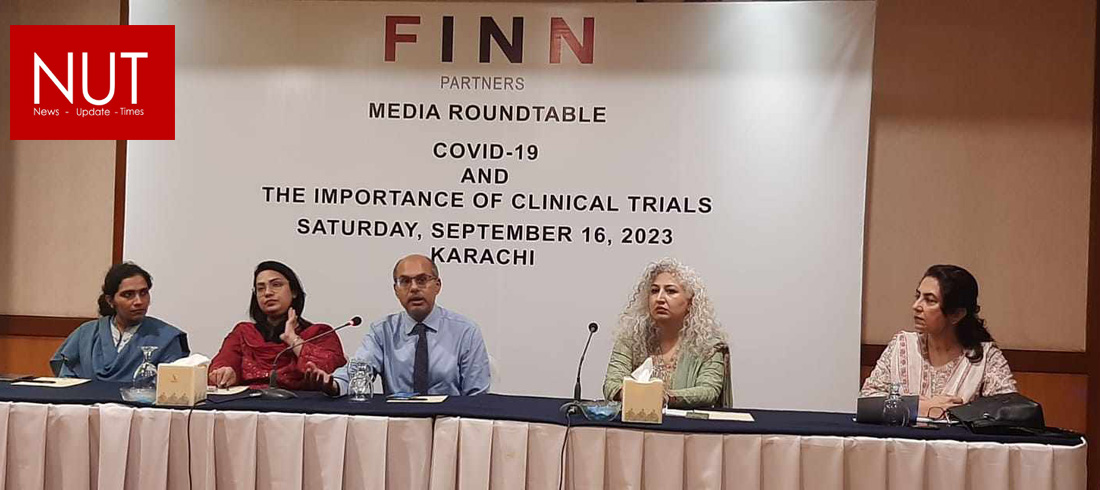
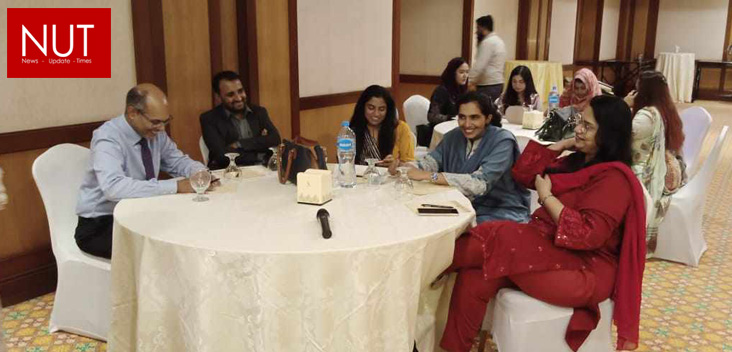
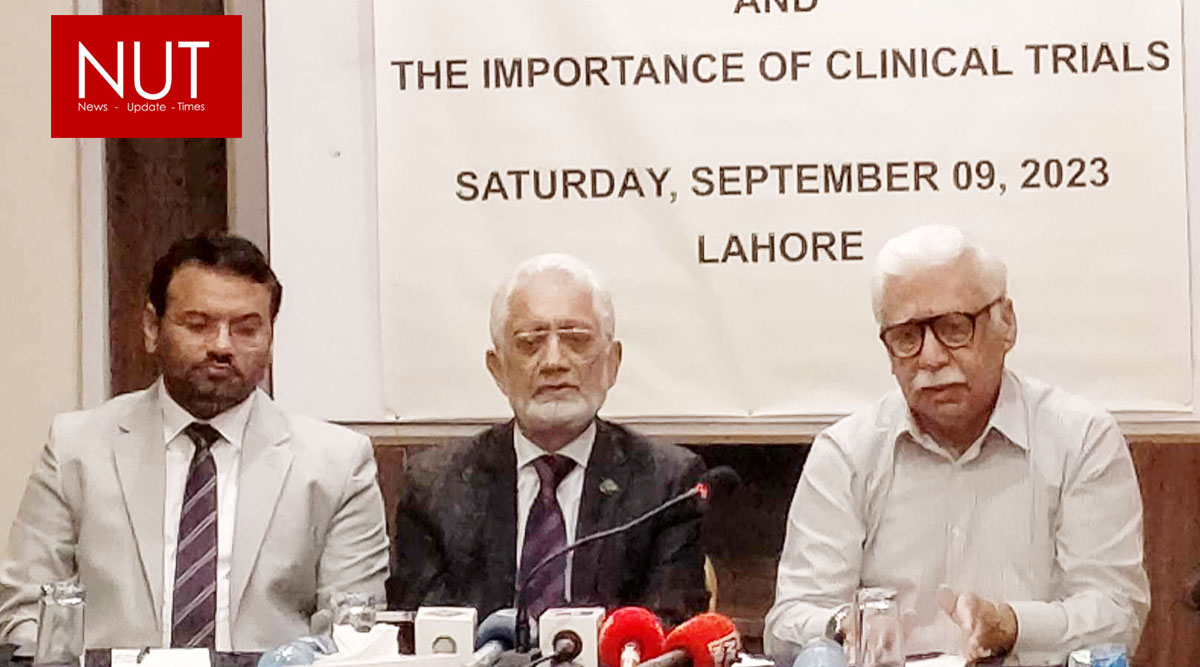
Speaking at a Media Roundtable organized by FINN Partners, on “COVID-19 and the importance of clinical trials” she shared that even as we strive for normalcy, the specter of COVID-19 still looms large. This virus has tested our resolve, but it cannot diminish our determination. We must remain vigilant and proactive to safeguard our communities and chart a course toward a brighter future.

Speaking on the worth and significance of clinical trials Dr. Saboora said that our battle against diseases, especially COVID-19, cannot be overstated. These trials serve as crucibles of hope and progress, where life-changing vaccines and groundbreaking medicines are forged. By participating in clinical trials, individuals become not just beneficiaries but champions of medical innovation. Every trial participant plays a pivotal role in the development of treatments and vaccines that can change the course of the pandemic and save lives.

Dr. Waris announced that free COVID-19 tests are readily available at Maroof International Hospital, and several hospitals and testing centers have stepped forward, ensuring that access to testing is not a privilege but a fundamental right. These tests empower us to take control of our health, protect our loved ones, and collectively diminish the virus’s grip on our lives.

The path forward is illuminated by our shared commitment to science, our resolve to protect one another, and our faith in the power of medical innovation. Let us stand united, for in our collective strength, we find the power to reshape the narrative of this pandemic.

AGA KHAN UNIVERSITY HOSPITAL organized World Heart Day

AGA KHAN UNIVERSITY HOSPITAL organized World Heart Day with Energetic ‘Walk for Your Heart’ Mini-Marathon”.

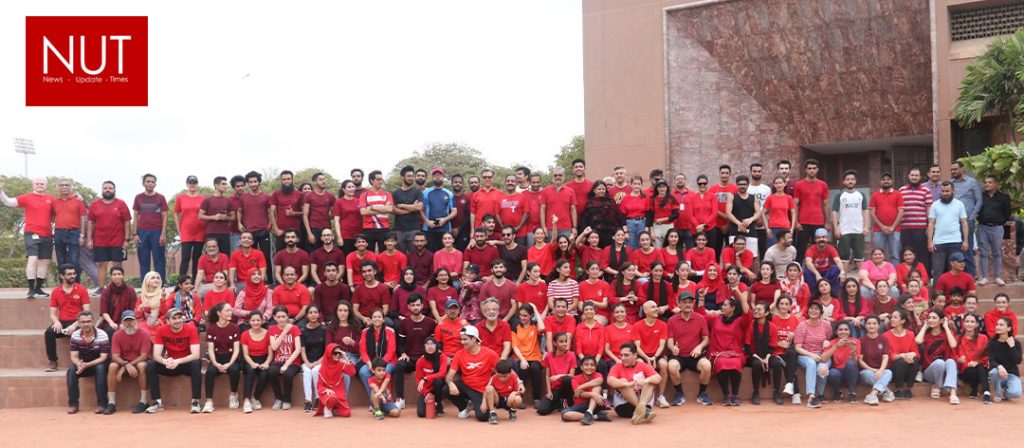
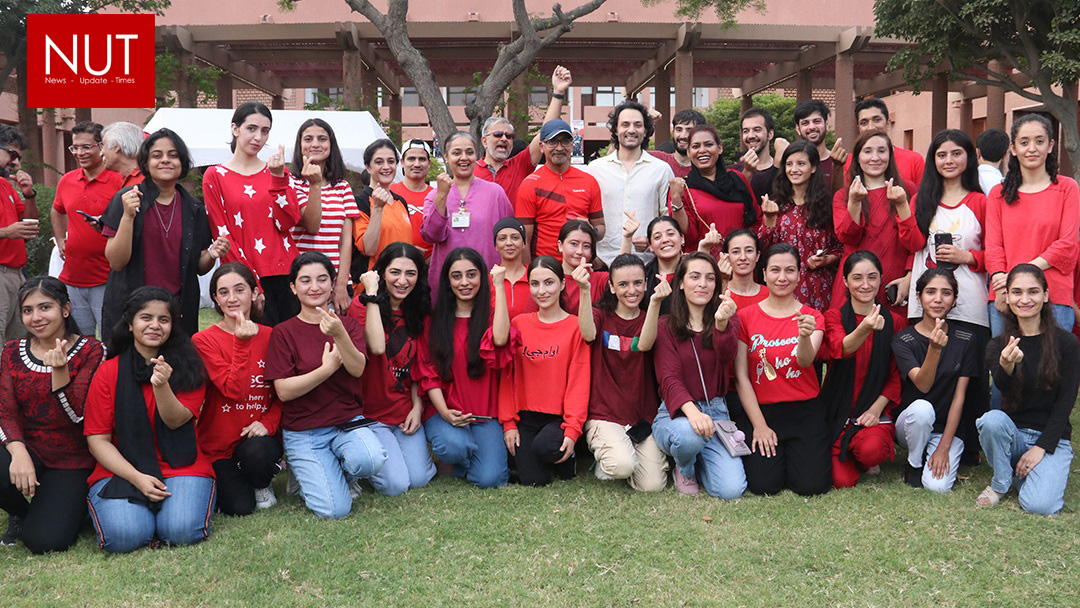
Karachi (Muhammad Yasir)  The Aga Khan University and the Aga Khan University Hospital commenced this year’s World Heart Day celebrations in full swing as the leadership of AKU, led by President Dr. Sulaiman Shahabuddin, and Section Head of Cardiothoracic Surgery, Dr. Saultat Fatmi, along with many other esteemed faculty members, medical staff, doctors, nurses, and enthusiastic medical and nursing students, came together for a vibrant Mini-Marathon on other day 2023 at the AKU Sports and Rehabilitation Center, at the AKU Stadium Road Campus.

Themed ‘Walk for Your Heart,’ this spirited event, organized in collaboration with the Society of Cardiac Sciences Collaboration—a dynamic student-led society at AKU—and Docs on Wheels, aimed to promote heart health awareness and encourage an active, heart-healthy lifestyle.

The event witnessed an enthusiastic turnout, with participants of all ages donning red, and coming together to take steps toward healthier hearts. The AKU community’s dedication to promoting heart health was evident throughout the Mini-Marathon. The top 5 male and female participants in the ‘Walk for Your Heart’ Mini-Marathon received awards from the leadership in the spirit of recognition and motivation. 

The ‘Walk for Your Heart’ Mini-Marathon marks the beginning of a series of activities and initiatives planned by AKU for World Heart Day, emphasizing the institution’s ongoing commitment to promoting heart health awareness.

The Crucial Role of Clinical Trials in Medical Progress

Karachi (Muhammad Yasir)

Conducting clinical trials is always challenging however these challenges are magnified in low and middle-income countries, said Prof Dr. Faisal Mahmood, Section Head of infectious diseases at Aga Khan University. He shared the many challenges that are particular to LMICs, especially in the context of Pakistan, while speaking at a Media Roundtable on “COVID-19 and the importance of clinical trials.” Clinical trials have long stood as the cornerstone of medical progress, playing an indispensable role in the development and validation of new treatments, therapies, and medical interventions.

Speaking on Ethical and Regulatory aspects of clinical trials Dr. Sadia Asim, Director Clinical trial site and CRO at Dow University of Health Sciences (DUHS) said, that in Pakistan the trial is controlled through DRAP regulations (Laws) and it’s conducted based on prescribed ethical guidelines, to ensure the rights of human beings during the execution of clinical trials. Clinical trials have been an essential part of improving healthcare for humans. This research is done in an organised, systematic and ethical way for almost all the drugs we benefit from today, stated Dr. Saima Saeed, a Consultant pulmonologist and Director, Lung Health at Indus Hospital and Health Network. An example is antibiotics for infections. For example, we have learnt about the best treatments for TB using clinical trials and this and other infections were previously lethal. Similarly, trials allowed us to understand how well different Covid treatments work for those people in hospital and there are ongoing trials about how to reduce symptoms in mild and moderate symptoms.

Clinical trials involve the careful monitoring and testing of these interventions in carefully selected groups of participants, following strict protocols designed to ensure the highest standards of safety and ethical practice. Sharing the various stages of a clinical trial, Dr. Muneeba A. Sayyed, Assistant Professor/Head of Department of Infectious Diseases at Sindh Infectious Diseases Hospital & Research Centre/ DUHS said that a Clinical Trial is a type of research that studies new tests, treatment and procedures and evaluates their safety and effectiveness on human health outcomes. Before approval, the drug or procedure has to pass through different phases of clinical trials. Phase I assesses the safety and dosage of drugs in a small group of healthy volunteers or patients. Phase II assesses the effectiveness in a larger group while in phase III it is compared with standard treatment in a large population of different regions and countries. Phase IV monitors long-term effects after the drug or procedure has been approved and marketed.

All speakers were of the opinion that Clinical trials not only target life-threatening conditions but also seek to enhance the quality of life for patients living with chronic illnesses. They also informed the audience that AKUH, DUHS OJHA Campus, Indus Hospital & Healthcare Network, and the SIDH are facilitating the general public by offering free COVID-19 Tests to those who are showing relative symptoms, so that there is early detection of the virus as various different variants are still prevalent in Pakistan. As the world faces an ever-evolving healthcare landscape, clinical trials remain the bedrock of medical progress. Their impact on patient well-being, scientific knowledge, and the global healthcare system cannot be overstated. Through ongoing support and participation in clinical trials, we collectively advance towards a healthier, more innovative future.

Malnutrition Early in Life Sets Stage for Poor Growth and Death: AKU researchers find

Better nutrition during pregnancy and childbearing years is critical in protecting children in their most vulnerable first 1,000 days, study finds.  

Malnutrition affects babies much earlier than thought, and more nutritional support is needed for mothers to-be and their newborns to prevent disease, impaired cognition and death, according to new findings by Prof Zulfiqar Bhutta, founding director of the Institute for Global Health and Development and the Centre of Excellence in Women and Child Health (COE-WCH) at the Aga Khan University

In a trio of papers published by the Nature’s Ki Child Growth Consortium, which comprises of researchers at UC San Francisco and UC Berkeley, Professor Bhutta examines how malnutrition affects growth in the first two years of life, underscoring a devastating reality for millions of children in the Global South, particularly Asia. Stunting, or being too short for their age, indicates chronic malnutrition, while wasting measures acute malnutrition The global health community uses both indications to monitor progress toward ending malnutrition. 

The analysis involved an international team of more than 100 researchers that examined data on nearly 84,000 children under two years old from 33 major studies that began between 1987 and 2014 The cohorts came from 15 countries in South Asia, Sub-Saharan Africa, Latin America and Eastern Europe.  

It was discovered that in 2022, more than one in five children around the world – nearly 150 million – did not get enough calories to grow normally, and more than 45 million showed signs of wasting, or weighing too little for their height. More than a million children die each year as a consequence of wasting and more than 250,000 die from stunting. “People who experienced stunting and wasting in childhood may also experience worse cognitive development, which translates into worse economic outcomes as adults”, remarked Prof Bhutta while discussing his breakthrough research. 

Appreciating the monumental findings by Prof Bhutta and his team of AKU-based researchers, President AKU, Sulaiman Shahabuddin said, “AKU is stepping up on the global stage to share its portfolio of accomplished researchers and analysts who can help formulate robust policies in child and maternal healthcare. The COE-WCH deserves its due appreciation in contributing generously to this global effort.” 

The report also finds that the effects of malnutrition are seen throughout lower resource settings, but the burden is starkest in South Asian countries like Pakistan, where 20% of children were stunted at birth and more than 52% had experienced wasting by their second birthday, according to new estimates provided by the study. This is also attributed to seasonal changes, such as rainfall, that drive seasonal food insecurity, which, in turn, leads to wasting and stunting in infants.  

“Infants who developed growth faltering when they were less than six months old had up to eight times higher mortality before the age of two and to also developed severe forms of growth failure. Poor growth this early in life strongly underscores the critical need to assess underlying prenatal factors including maternal intestinal health and a need to invest in women”, said Dr Sana Syed, a paediatric gastroenterologist whose research focuses on gut health and inflammation. 

The scenarios are far deplorable in the rural areas of Pakistan, where rising effects of climate change and poor civil infrastructures can cause food insecurity to skyrocket, but the researchers are hopeful their findings shall get the ball rolling in the right direction. “The research is a remarkable step towards designing cost-effective and accessible nutritional interventions on a global scale, especially for countries with rural populations like Pakistan”, said Prof Syed Asad Ali, Professor of Paediatrics and Community Health Sciences at the Aga Khan University

The report further suggests prompt healthcare monitoring and interventions in the pre-natal period, in order to stabilize infant health before they turn six months old. Moreover, nourishment plans, supplementations, and medical accessibility may also help the mother and the child in eliminating the possibility of malnourishment, which could bring down the overwhelming number of stunting and wasting cases in South Asian communities like Pakistan. 

Doctors-scarce Pakistan Has 35% Female Doctors Jobless

Pakistan (Muhammad Yasir) 

A large number of female doctors are out of job in Pakistan despite the fact that the world’s fifth most populous country badly needs qualified medical practicers.

Ironically, this is happening in a country where the resource-constrained government is spending billions of rupees on subsidizing medical education in public sector universities.

As many as 35% female medical doctors are unemployed in Pakistan, revealed a research jointly conducted by Gallup Pakistan and PRIDE across the country.

Basing their research on Labour Force Survey 2020-21, Gallup Pakistan and PRIDE analyzed Pakistan Bureau of Statistics’ data on labour market specially female medical graduates and disseminated the same for the country’s wider policy circles.

The crises-hit country while is facing a serious shortage of qualified doctors more than 36,000 female doctors are either jobless or opt to remain out of the labor force for various reasons.

“Pakistan has a dearth of trained medical doctors,” said Bilal Gilani, an executive director at Gallup Pakistan.

The survey shows that presently 104,974 female medical graduates are residing in Pakistan. Of the total, 68,209 or 65% are working at various private and state-owned medical facilities.

The country, however, has 15,619 or 14.9% female doctors without any job while 21,146, constituting 20.1% of the total number, are completely out of labour force, the survey shows.

According to Pakistan Medical & Dental Council (PMDC), since its inception in 1947 Pakistan has produced about 200,000 doctors, half of them being females.

The data from Bureau of Emigration show that around 30,000 doctors have left Pakistan since 1970 and on average almost 1,000 are going to settle abroad every year.

“Among females, a major issue is qualified female doctors are not working,” viewed Gilani.

Majority of these doctors studied at public sector universities where the government spends billions of rupees to subsidize education.

An average private university whereas charges the medical students with more than Rs 5 million the government one imparts the same education for less than Rs 1 million.

Thus the government has to give at least a Rs 4 million subsidy to produce a medical doctor.

This taxpayers money goes to waste as one in three of these female doctors are not working, the survey shows.

Almost 50,000 female doctors on whom an investment of at least 200 billion in current value is wasted, it said.

“We need to rethink about both the costs to taxpayers of these not working doctors but also the loss in terms of health outcomes which their absence is causing,” observed Gilani.

Further, Dr. Shahid Naeem, director policy research at PRIDE, said one in every five medical graduates opt to remain out of labour force.

Majority of these ‘out of labour force’ female medical graduates are married, he said.

“This is indicative of the presence of a social trend of getting medical education in order to secure a better spouse,” Dr. Naeem opined urging the government to review its policy of allocation of seats at least in the public sector medical colleges to ensure value for money.

The issue of female medical graduates or doctors who remain out of the labour force after completing medical education is a serious concern that warrants further exploration, he said.

The findings of this survey support the phenomenon of ‘doctor brides’ as widely discussed and reported in Pakistan’s context and stipulates that many families prefer their daughters to have medical education, as it enables them to find a more suitable match for their marriage.

The survey also addresses the regional breakup of the employment pattern of these doctors and found that about 28% and 72% of Pakistan’s total medical graduates reside in rural and urban areas, respectively.

In the rural region, 52% or more than half of Pakistan’s medical graduates are employed and 31% are jobless. 

The proportion of the medical graduates who prefer to remain out of the labour force in rural areas stands lower, 17%, than the national average of 20%.

A close analysis of the data from urban centers reveals that about 70% of the medical graduates were employed while less than 9% were unemployed.

The proportion of the medical graduates who choose to remain out of labour force in Pakistan’s urban areas is more than 21%.

The region-wise comparison shows that employment opportunities for the female graduates are significantly higher, 78%, in urban areas as compared to 22,% in rural areas.

Conversely, the proportion of the jobless is significantly higher in rural areas, 57%, compared to 43% in cities, according to the survey.

When we look at the break-up, by region, of 21,146 female medical graduates who opted to remain out of labour force, it is found that their share in cities stands much higher at 76.6% compared to their 23.4% share in rural areas.

It is pertinent to mention here that around 76% of those medical graduates who opted to remain out of labour force were married. By age group, the most frequent occurrence of female medical graduates (54%) belong to the 25-34 years of age.

“The analysis of the data underlines the importance of targeted policy efforts to improve employment opportunities for medical graduates, especially in rural areas where unemployment rates are higher,” concluded the survey.

The female medical graduates surveyed include persons who had passed the MBBS, BDS, MS/M.Sc., M.Phil. or Ph.D. degrees in any field of medicine.

This survey collected data from close to 99,900 households across Pakistan and gave district level representative results for the first time.

Covid-19 has not left says us PROF DR. JAVED AKRAM

Lahore (Muhammad Yasir)

Covid-19 has not left us and we are seeing many cases, with some still suffering symptoms from the last attack, known as Long-Covid……… . This was stated by PROF DR. JAVED AKRAM, of the Akram Medical Complex and Caretaker Provincial Minister for Health & Social Welfare; at the media roundtable, while speaking on “COVID-19 still a public threat and the importance of clinical trials.”

Although COVID-19 cases have reduced, but at its peak it claimed 30,000 plus lives and infected more than 1.58 Million people in Pakistan. WHO has not downgraded the threat of COVID, as many variants are still prevalent in different parts of the world including Pakistan. However, in most countries Clinical Research and Trails have played a major role in finding different medicines and vaccines, which have offered patients and the general public medical cover against the menace of this pandemic. Research and Clinical Trials have also resulted in introduction of medicines which reduce the severity of the disease.

In light of the above, FINN Partners organised a “Media Roundtable” to create awareness among the media and through them in the general public about the importance of clinical trials. Clinical studies are essential for identifying additional approaches to protect our communities against major health threats. The participation of thousands of people in clinical studies was a key factor in the safe and efficient development of vaccines, as studies strictly adhered to international research ethics protocols.

DR MUHAMMAD AHMAD of Central Park Teaching Hospital and a leading Pulmonologist shared his views about the “Impact of clinical trials on a country and the current clinical trials’ misconception.” Dr Ahmad explained.The participants asked several questions from the speakers, who also shared that Akram Medical Complex, Central Park Teaching Hospital and National Hospital & Medical Centre are facilitating the general public by offering free

DR MUHAMMAD AHMAD of Central Park Teaching Hospital and a leading Pulmonologist shared his views about the “Impact of clinical trials on a country and the current clinical trials’ misconception.” He explained that in Pakistan there is a misconception attached with clinical trials and the medicines being tested; one being that the administration of any trial medicine will make the participant impotent. This is just a myth, there are always strict protocols which are to be followed, most of these are standardized by FDA (US Federal Drug Authority) which is a benchmark for all clinical trials supported in many countries’ own rules and procedures e.g. going through different levels of ethics committees.

The participants asked several questions from the speakers, responding to a question Dr Javed Akram explained that thorough research is required to measure the efficacy of any drug according to the climate, food, race and other factors of any particular country. Both the speakers explained different phases of clinical trials. They also informed that Akram Medical Complex, Central Park Teaching Hospital and National Hospital & Medical Centre are facilitating the general public by offering free COVID-19 Tests to those who are showing relative symptoms, so that there is early detection of the virus as various different variants are still prevalent in Pakistan.

Aazar Ayaz of FINN Partners thanked the media for participating in the roundtable, in his closing remarks he said that this is going to help in disseminating knowledge and facts about clinical trials and will also create awareness among the media and through them in the general public about the importance of clinical trials. Clinical studies are essential for identifying additional approaches to protect our communities against major health threats. The participation of thousands of people in clinical studies was a key factor in the safe and efficient development of vaccines and medicines, as studies strictly adhered to international research ethics protocols.


Aga Khan University’s 5th Paediatric Research Week moves conversation beyond child survival

Karachi (Muhammad Yasir)  Research done by faculty at the Aga Khan University has contributed to the decline of mortality rate of babies and children 35% and 50%, respectively, at its field sites of research. This is not a quick win but years of scientific work and building trust with communities.
“A published paper takes months, or even years to develop. It emerges, however, as the first single datapoint that is collected out in the field, far from the campus, between a vulnerable mother and child and one of our community health workers. We’re now witnessing tangible outcomes of efforts initiated over a few decades ago,” said AKU Chair of Paediatrics Dr Fyezah Jehan.
She was speaking at the University’s fifth annual paediatric research week which brought together over 300 students and healthcare professionals from Pakistan and beyond. Dr Adil Haider, the Dean of the Medical College at AKU, emphasized the institution’s dedication to advancing medical knowledge holistically and driving innovation in maternal, newborn, and child health. “Policy and clinical practice rooted in scientific research is the answer,” he said.
Dr Judd Walson, an American infectious diseases expert recently announced as Chair of International Health at Johns Hopkins University, spent his very first hour on the job speaking at the conference. This was significant because of what he had to say about institutions in Europe and the US working with those in Africa or South Asia.
“People are recognizing the incredible power imbalances in how decision-making is happening in the global health space,” he said, while delivering the keynote speech. The question now is, how can research and decision-making around it be re-centred to institutions based in low- and middle-income settings and “away from that [which is] happening in the global north and being pushed on institutions in the global south.” These conversations are made possible by “strong bi-directional institutional partnerships”, such as the one he said he has been fortunate to have with AKU.
Dr Walson’s encouragement for institutions in the US and Europe to re-orient their approach strongly resonated with the conference theme: “Thriving together, looking forward,” to move beyond a child’s survival. Indeed, chief guest Nadia Jamil, an actor and child protection activist, stressed that, “Children have an inclination to thrive. You give them an opportunity and they will lean towards healing.”
The week-long event featured 21 workshops, covering topics such as statistical computing, metagenomics, neonatal ventilations, paediatric endocrinology, and unravelling clinical genetic test results.

CBD PUNJAB MARKS DENGUE DAY

Lahore (Muhammad Yasir)

Punjab Central Business District Development Authority (PCBDDA) also known as Central Business District Punjab (CBD Punjab), is a responsible authority that is dedicated to the well-being of the people of Punjab. CBD Punjab observed July 15, 2023, as “Dengue Day”, in alignment with the directives of the Government of Punjab.

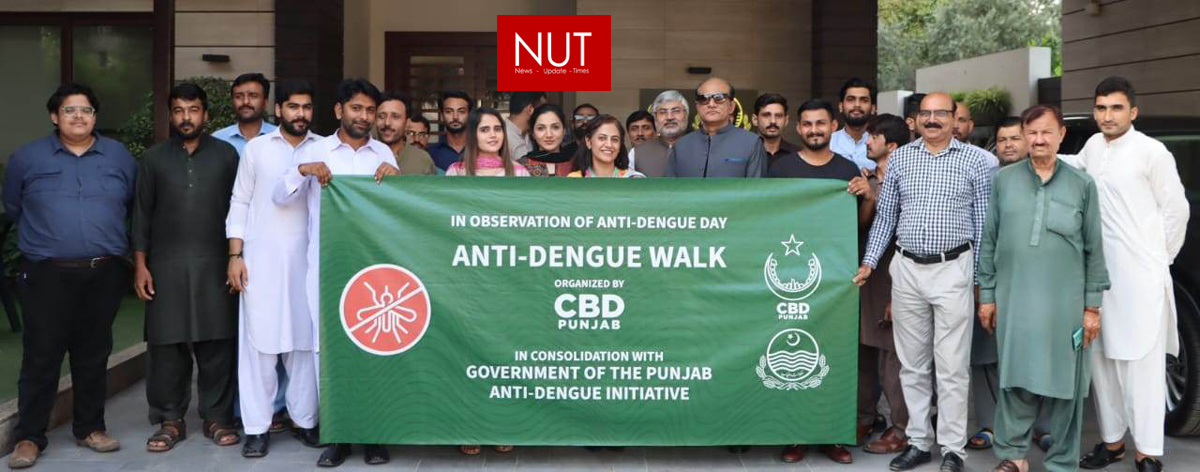
This initiative aimed to raise awareness about dengue fever, its symptoms, available treatments, and the necessary safety precautions to prevent its spread. Dengue fever is a significant public health concern, and CBD Punjab is committed to playing an active role in mitigating its impact by raising awareness through its communication platforms. By observance of Dengue Day, CBD Punjab aims to educate and empower the public with knowledge to protect themselves and their communities. To support this cause CBD Punjab organized a Dengue Awareness Walk which was attended by directorate heads and staff members of CBD Punjab. This walk served as a demonstration of CBD Punjab’s dedication to community engagement in combating the disease.

Brigadier (R) Mansoor Janjua, COO of CBD Punjab, expressed his thoughts on the occasion, saying, “The health and well-being of people of Punjab are of paramount importance to CBD Punjab. By observing Dengue Day and participating in the Dengue Awareness Walk, we aim to empower individuals with the knowledge and resources needed to protect themselves and their loved ones from dengue fever. Together, we can create a safer and healthier Punjab”. CBD Punjab remains committed to its mission of fostering sustainable development and prioritizing the welfare of the people it serves. Through initiatives like Dengue Day, CBD Punjab strives to create a safer and healthier environment for all residents of Punjab.

AKU Workshop Addresses Cervical Cancer Burden in Pakistan, Highlights Importance of Awareness and Prevention.

Karachi (Muhammad Yasir)

The Aga Khan University in collaboration with the Centre for Women and Child Health at AKU and Liaquat University of Medical and Health Sciences (LUMHS) Hyderabad, held a workshop on the “Burden of Cervical Cancer” at Civil Hospital, Hyderabad. The aim was to raise awareness and promote prevention strategies for cervical cancer. Cervical cancer is a significant concern globally, ranking as the fourth leading cause of cancer-related deaths among women. However, developing, and low- and middle-income countries (LMICs) including Pakistan, bear a disproportionately higher burden of cervical cancer cases and deaths. According to the World Health Organization (WHO), cervical cancer mortality in LMICs is 18 times higher than in high-income countries. A recent study by the CITRIC Health Data Science Centre at AKU found that the incidence rate of cervical cancer among women in Pakistan is 7.6 per 100,000. This rate is higher than WHO’s target rate of 4 per 100,000 for cervical cancer elimination. These statistics call for national-level policy implementation focused on prevention and elimination strategies. The primary cause of cervical cancer is persistent infection with Human Papilloma Virus (HPV). Fortunately, HPV vaccines are available, making cervical cancer largely preventable. “Cervical cancer is the only gynaecological cancer that can be prevented by vaccination and can be treated in its pre-invasive stage through regular screening. Early detection preserves not only the uterus but also fertility,” said Dr Uzma Chishti, Assistant Professor and Associate CMO, Department of Obstetrics and Gynaecology at the seminar. HPV vaccines were first introduced in 2006. WHO now recommends the use of a single-dose HPV vaccine, which is as effective as the previously used two or three-dose regimen. While high-income countries have successfully integrated HPV vaccination into their health systems, low-middle-income countries like Pakistan lag far behind due to limited resources and insufficient data. “To effectively target the elimination of cervical cancer-associated morbidity and mortality, gathering national-level data on incidence, prevalence, and mortality is imperative” said Dr Zainab Samad, Chair of the Department of Medicine and Director of CITRIC Health Data Science Centre, AKU. She reiterated the need for better data sharing and contribution from both the public and private sectors, along with consistent surveillance over time to track the burden for improvement. To address this need, the National Cancer Registry of Pakistan was established, enabling comprehensive analysis of cancer data from multiple registries. Accurate and detailed national-level data will empower policymakers and healthcare professionals to focus their efforts on eliminating cervical cancer and its associated health consequences in Pakistan. During his remarks, the Chief Guest Dr Muhammad Arif Khan, Deputy Director General of the Director’s Office in Hyderabad, emphasized the alarming incidence of cervical cancer witnessed in Pakistan halfway through 2023. The workshop concluded with Dr Arshad Chandio, Immunization Lead Jhpiego, International Papillomavirus Society (IPVS) Ambassador for Pakistan, acknowledging the progress made in bringing the HPV vaccine to Pakistan and expressed optimism about its imminent introduction in the country.