Health minister leads advocacy walk to end polio

Pakistan’s resolve to eradicate this disease and to protect all children remains unwavering: Dr Nadeem Jan

Islamabad (Nut Desk) Children are our future, and the Government of Pakistan will leave no stone unturned to ensure that the disability-causing poliovirus does not remain a threat to their wellbeing, Minister for Health Dr Nadeem Jan has said. The minister led an awareness walk in Islamabad to end polio on Sunday as part of a series of events marking World Polio Day, which is observed on October 24 every year.

The walk brought together hundreds of participants from the Ministry of Health, students, civil society, the leadership of the Pakistan Polio Programme and polio eradication partners such as Rotary, WHO, UNICEF and BMGF and featured a speech from Senator Quratulain Marri, a polio survivor.

Senator Marri spoke about the everyday challenges of living with polio and polio regressive syndrome. “Ten years ago, I didn’t need a crutch, 10 years after maybe I’ll be on a wheelchair. This is a delibitating disease.” “A child less than five years does not have the ability to share the pain they feel, but let me tell you, it’s a very very painful disease.” Dr Nadeem Jan said: “This walk is a testament to our commitment and the tireless efforts and resilience of our healthcare heroes who continue to immunize children, even in the most challenging circumstances. It’s a powerful statement that together, we can achieve a polio-free Pakistan.”

Representatives from Rotary International and WHO, on behalf of UN partners, in Pakistan also spoke on the occasion. WHO Country Representative said: “It’s wonderful to be here together with frontline health workers who reach every home in Pakistan. This work is crucial. We are working to eradicate the second disease in human history.” Dr Shahzad Baig, Coordinator of the National Emergency Operations Centre for Polio Eradication, thanked the participants and highlighted Pakistan’s progress in polio eradication.

WALEE Technologies Tees Off for Breast Cancer Awareness

Pakistan (Muhammad Yasir)

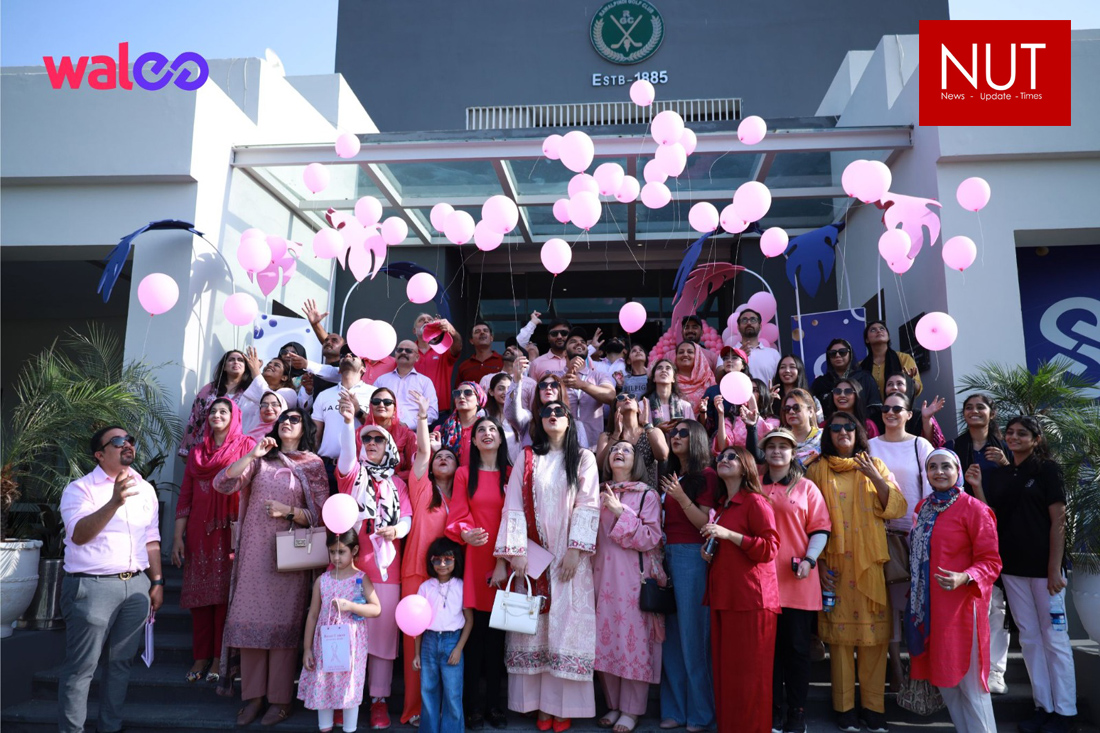
Walee Technologies Pvt. Ltd. (WALEE), one of Pakistan’s leading technology companies dedicated to innovation and community commitment, hosted “WALEE’s Pinktober Awareness Session” to raise awareness about breast cancer. This exclusive event aimed to promote awareness and encourage breast cancer screening, a disease that affects the lives of countless women in our society.

Annually, nearly 90,000 women are diagnosed with breast cancer, and this number continues to rise by 5% each year. Early detection is critical for effective treatment, and that was the message conveyed through this initiative.

WALEE team members, including female staff, participated in the session along with others attendees. It was an opportunity for everyone to come together in support of breast cancer awareness.

A session on breast cancer awareness and self-examination was led by Dr. Nida Farrukh – Member Breast Cancer Association, Consultant Breast Surgeon – CMH Rawalpindi. Dr. Nida’s expertise added immense value to the event.

Shireen Gheba, a breast cancer survivor, shared her inspiring journey and her remarkable battle against breast cancer. She  said, “The emphasis on the need for greater awareness about the role of caregivers when someone is diagnosed with breast cancer is important. While much attention is given to the patient, treatment, hospital, and doctors, caregivers often go unmentioned, and it’s essential to recognize their vital role and how they should navigate this challenging journey.”

Her story served as a beacon of hope, resilience, and the importance of early detection and treatment.

“WALEE’s Pinktober Awareness Session is more than an event; it is a declaration of our commitment to the well-being of women in our community. By joining forces with remarkable female players, employees, and an inspiring survivor, we aimed to amplify the message that early screening saves lives. Together, we can make a difference,” said Ahsan Tahir, CEO – WALEE Technologies.

As a powerful symbol of unity and solidarity, all female participants took part in a Pink Walk for breast cancer awareness. This heartfelt gesture underscored the importance of standing together in the fight against breast cancer.


Locally-produced medical devices to ensure affordable treatment: Seminar

Karachi (Muhammad Yasir)
Healthcare experts urged for the government support and collaboration of stakeholders to develop the local medical devices and equipment sector in the country to meet the local demand of hospitals and medical units.
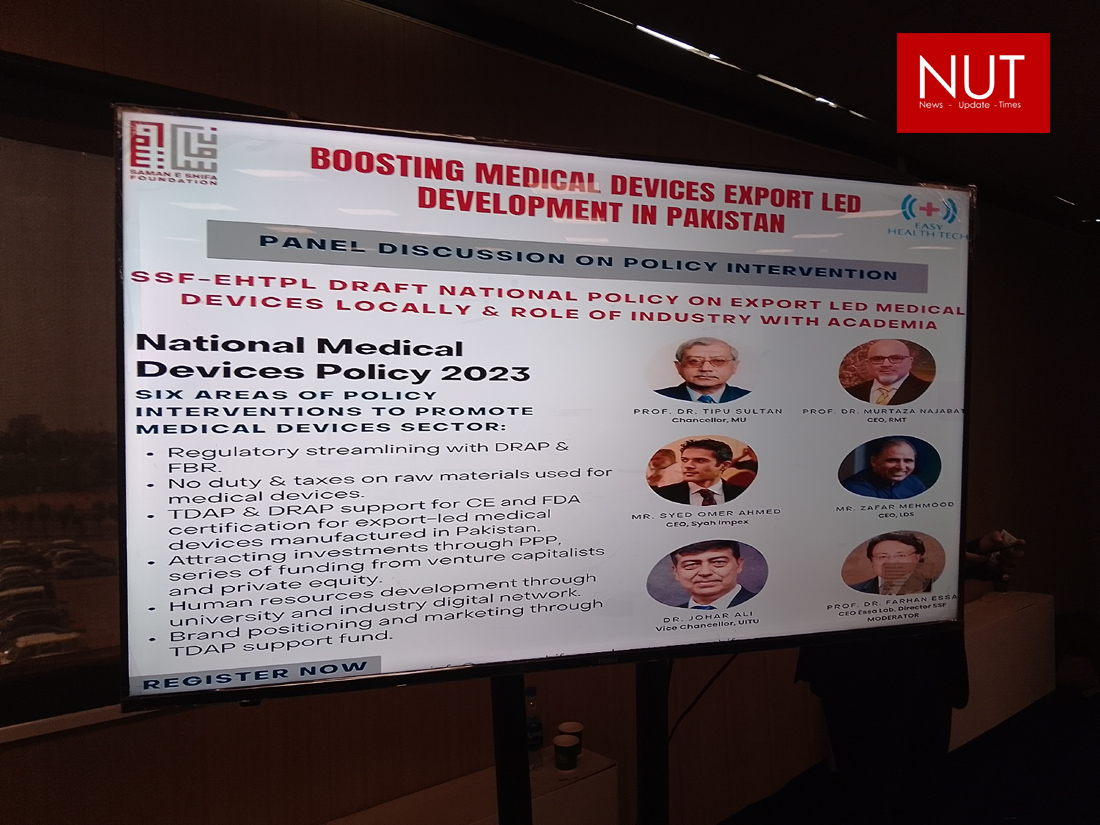
Speaking at the seminar “Boosting Medical Devices Development in Pakistan” at the 20th Health Asia Exhibition on Friday, Dr Shahid Noor, Chairman, Saman-e-Shifa Foundation said that Pakistan’s should set up a full-fledged sector for producing the medical devices at the international standards to ensure the affordable treatment to its masses. 
He added that local manufacturers in collaboration with universities have developed more than 20 important equipment including ventilators, cardiac stents, glucometer and a number of new devices are being produced at present.
Our mission is to decrease the reliance of imported medical devices, but to develop our standard at part with global standards to export made-in-Pakistan brands to different countries with a pride as similar to our locally-made football is utilized in international sports events.
He urged the government to waive off duties on the raw material of the medical devices which will also accelerate the production of this emerging sector in Pakistan. 
 Dr Abdul Bari, CEO, Indus Hospital said the local production of healthcare devices will decrease drastically the cost of treatment of critical health issues in the country which always goes up due to impact of Dollar versus Rupee disparity. On the other hand, he added, the supply chain of local industry will be streamlined which will ultimately benefit the citizens.
He further said the affordable medical devices could be utilized in small size healthcare units due to its affordable which will ultimately improve the standard of health practices in Pakistan.
Renowned doctor Prof. Tipu Sultan said Pakistan has capacity, talent and most importantly the political will mainly under the support of SIFC, which will attract local and foreign investment in this sector.
He urged the stakeholders to set up research and development department in collaboration with stakeholders for focusing on innovation to produce medical devices and equipment for local and international markets.
Speakers also urged the government to set up a specialized regulatory body for this sector in collaboration with industry, academia, policymakers and members of civil society for fast-paced development of this sector.
They also urged the government for upgrading the curriculum of the universities through industry and academia linkages which should also include the internship programs in industrial units.  
Other speakers were HEC Chairman Sindh, Tariq Rafi, Vice Chancellor NED University Sarosh Lodhi, Dr Farhan Essa, Prof Dr Murtaza Najabat, etc.
On the second day of the 20th Health Asia, several seminars were also held on breast cancer, CPR and manual defibrillator handling. There are nearly 150 companies participating in the trade fair including foreign companies from China, Hungry, Iran, etc.

Health Asia hosts multiple seminars on health issues

Karachi (Muhammad Yasir)
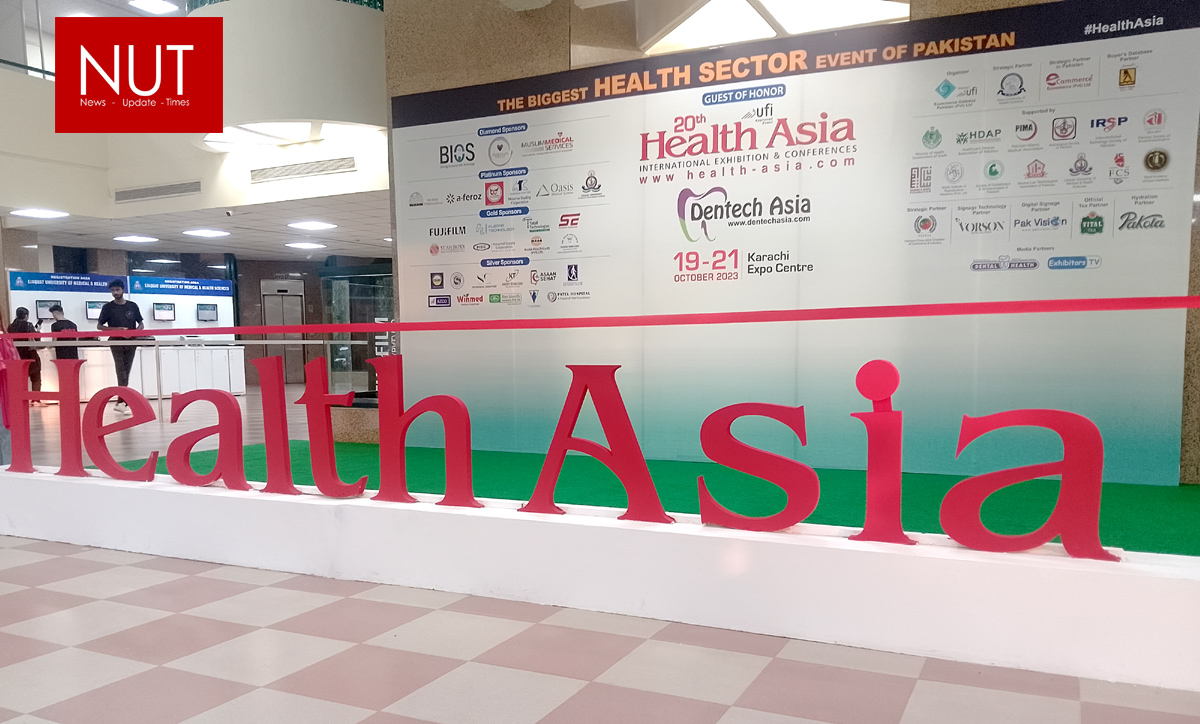
The 20th edition of Health Asia has commenced on Thursday hosting various seminars on critical health issues to discuss the way forward to bring modern practices of healthcare treatment across the country through high-tech infrastructure and innovative technologies at Karachi Expo Center.
The seminar on Digital Health highlighted various efforts of the private sector to provide treatment rural and remote areas in the country with the aid of various devices and support of paramedic staff. The importance of digital health system has increased in Pakistan following the devastation of the floods in all provinces, hence the coverage of digital health should be enhanced at an accelerated pace.
The seminar on Sustainable Health Practices also highlighted the emerging practices in the healthcare in developed countries which should be adopted and available to the masses on affordable basis. The seminar also urged young students to be a part of the healthcare sector to meet the shortage of medical professionals in the country.
Besides, the seminar on Dental Implant also held focusing to raise awareness among public to avoid the casual behavior of the dental issues.
The seminars urged the medical professionals, government and stakeholders to work in collaboration to control the rising issues of health in the country which seriously cause threats to the lives of the citizens.
Vice President Ecommerce Gateway Pakistan Farhan Anis said the healthcare is the vital sector which is related to lives of the people hence all efforts should be prioritized to support the issues of health and medical industry.
He added that Health Asia provides a platform to all stakeholders of the healthcare sector to address the issues of the public health through constructive discussions and high-technological equipment and tools.
Some of the prominent speakers were Prof. Ikram Deen Ujjan,VC LUMHS, Dr Abdul Bari Khan, CEO Indus Hospital and Dr Nadeem Qamar, Executive Director NICVD. 
Nearly 50 exhibitors from 150 different companies are participating in the three-day trade fair including foreign delegates from six countries.

20th HealthAsia to be held on October 19-21 in Karachi

Karachi (Muhammad Yasir)

The increasing population and complicated health issues in Pakistan must be addressed with modern treatment at hospitals and medical institutions, which is possible by bringing high-tech equipment, devices, and emerging technological tools into the country. The technological migration to Pakistan in the healthcare sector is being done by the trade fair, HealthAsia 2023, which is being held on October 19-21 at Expo Center, Karachi.

The 20th edition of HealthAsia 2023 will host 150 local and foreign companies in the healthcare sector participating, including 80 foreign delegates from Singapore, China, Turkey, Hungary, and Iran. The event will also host 19 seminars and workshops to train the doctors and paramedical staff with the latest methodologies in the healthcare sector.

Farhan Anis, Vice President of E-Commerce Gateway Pakistan, said the healthcare sector is highly important and equally sophisticated, evolving with consistent upgradation in technology worldwide; Pakistani healthcare must upgrade their systems to provide treatment to the maximum number of patients within the country.

The HealthAsia is a trade fair which facilitates the local hospitals and medical centers to bring in evolving treatment practices in Pakistan without carrying out foreign visits in international exhibitions of the healthcare sector, he added.

Investment in the local healthcare sector saves the citizens’ precious lives and helps contain medical tourism in the county, ultimately costing higher import bills.

According to the World Health Organization, the national health infrastructure comprises 1201 hospitals, 5518 Basic Health Units, 683 Rural Health Centers, 5802 Dispensaries, 731 Maternity & Child Health Centers, and 347 TB centers, and the total availability of beds in these health facilities is estimated at 12,3394.

Pedaling Towards Heart Health: World Heart Day Cycling Event

Pakistan (Muhammad Yasir)

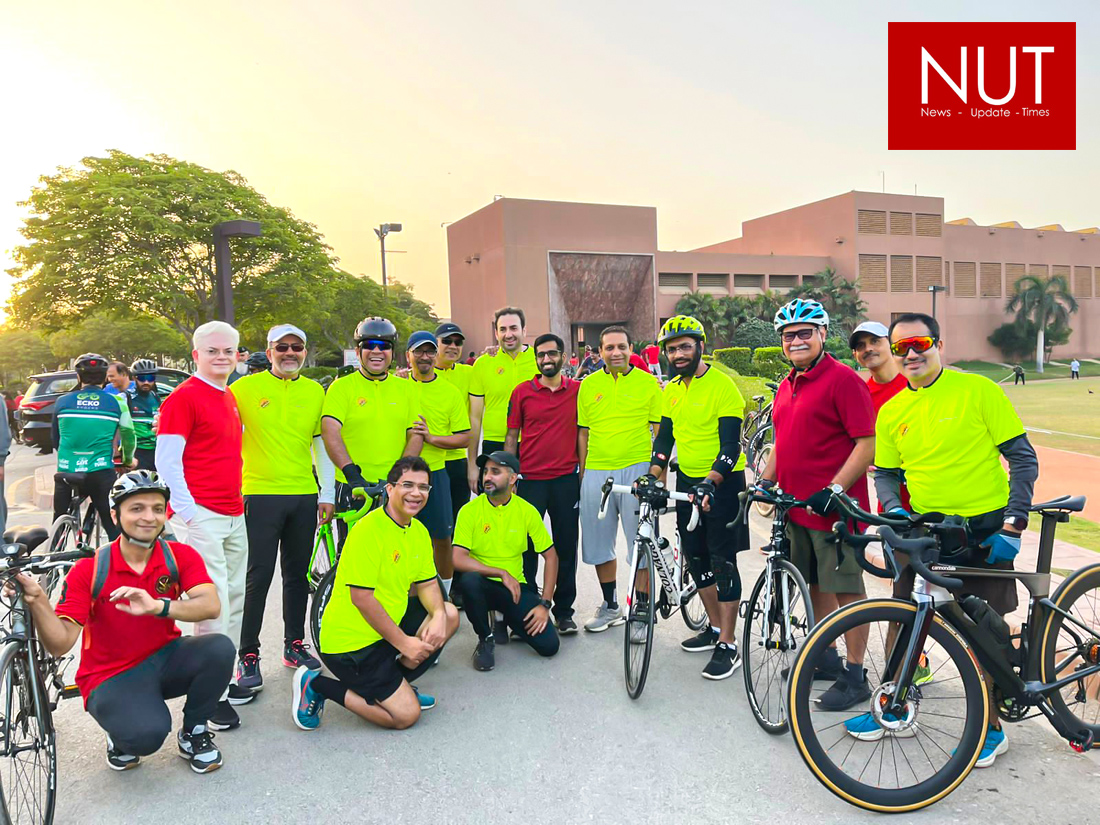
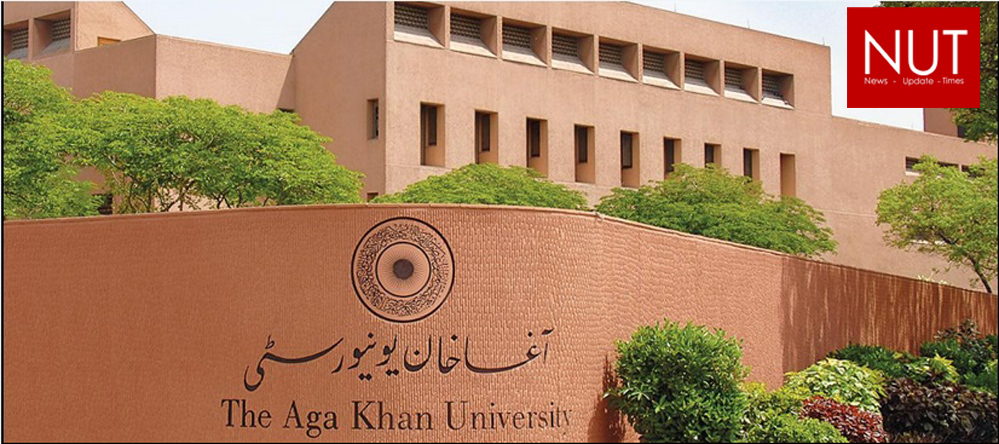
Docs on Wheels, in collaboration with the cardiac sciences group and AKU Medical College, organized a cycling event to commemorate World Heart Day. The AKU Sports Center was abuzz with activity as participants gathered eagerly at the early hour of 6:30 am. A diverse assembly of cycling enthusiasts, with a standout presence of 150 medical and nursing students from Aga Khan University, embarked on a cycling journey from AKU to Boat Basin, traversing through Shahrah-e-Faisal and Mai Kolachi.

 The ambiance of the event was charged with energy, bolstered by the splendid early morning weather. Clad in red, participants exemplified the determination of World Heart Day to embrace exercise and greet the morning hours with vigor. The invigorating effects of this early morning exercise were felt by all, reinforcing the collective desire for heart-healthy activities. Such endeavors radiate positivity and elevate our overall well-being.

 After an exhilarating ride, the participants gathered for a hearty breakfast at Boat Basin. As they savored their meals, the day was marked with laughter, shared stories, and a strong sense of camaraderie. It was undeniably a day filled with joy and unity, fostering a profound sense of community. Kudos to Docs on Wheels for orchestrating such a memorable and impactful event!”

Research by AKU highlights the effectiveness of interventions to improve the health of textile workers in Pakistan

Karachi (Muhammad Yasir)

A multi-faceted study conducted by Dr Asaad Nafees, Assistant Professor, Department of Community Health Sciences at the Aga Khan University (AKU) is the largest of its kind to determine the effectiveness of a simple intervention in reducing cotton dust-related respiratory health effects on textile workers in Pakistan. The study titled MultiTex RCT, in collaboration with the National Heart and Lung Institute (NHLI) and Imperial College London, marked a crucial step towards revolutionizing occupational health interventions for textile workers in Pakistan and other Low- and Middle-Income Countries (LMICs).

Persistent cotton dust exposure leads to the development of a disease called byssinosis, a disease prevalent among textile workers in LMICs due to limited access to occupational health and safety measures. With an initial cohort of 2031 workers from 38 textile mills in Karachi, the study tested a low-cost intervention package to ascertain if it would mitigate the adverse respiratory effects experienced by these workers. The interventions comprised training in occupational health for all workers and managers, regular refresher sessions, formation of workplace committees to enforce a health and safety plan including wet mopping and safe disposal of cotton dust, and provision of face masks. The results showed clear improvements in respiratory symptoms and lung function of the textile workers.

Funded by the Wellcome Trust for a period of three years, the findings of this important research can be applied to the larger textile landscape helping workers in Pakistan and elsewhere stay safe and minimize their disease burden. Discussing the study outcomes, Prof Paul Cullinan, formerly of Imperial College London, involved in the study said, “Studies of this caliber on occupational health interventions are extremely rare and this work has promise for large-scale uptake since the multifaceted intervention was designed to fit the local context in Pakistan.  There is no obvious reason why it could not be rolled out more widely, nationally, and internationally.  In the 200 years we have been faced with byssinosis, this work represents a landmark in its control”. He underlined the importance of these simple yet transformative interventions, advocating for their widespread adoption for the benefit the workers.

Dr Asaad Nafees, the Principal Investigator, explained that “this trial was a parallel, cluster-randomized controlled study with textile mills as the unit of randomization. It can be replicated across the region to potentially impact respiratory health of all relevant workers, and potentially result in a healthier, more productive workforce.”

Key findings were recently presented at a seminar, where Engineer Sibtain Mughal, Joint Director Labour (OSH), Government of Sindh, committed the government’s support to the implementation of the health measures recommended by the study. “Workers deserve a high level of care and attention since their health holds significant importance for the industrial productivity and economy of the country.”

Several manuscripts have been published in high-impact occupational health journals. The study was also recently accepted for publication in the European Respiratory Journal.

Research finds citizens concerned about their protein intake

Karachi (Muhammad Yasir)
The ‘Right To Protein’ initiative of the U.S. Soybean Export Council (USSEC) introduced the ‘Pakistan Protein Perception Study 2023’. The nation-wide survey conducted by YouGov assessed citizens’ knowledge, behaviour, and perceptions about protein foods in Pakistan. The study highlights the practical challenges that pose as a barrier to adequate protein consumption in Pakistan. Majority of the Pakistanis are unaware of their ideal daily protein requirements and lack basic knowledge of protein rich foods. 
The Pakistan Protein Perception Study found that majority of the respondents spend only between 10-20% of their monthly food budgets on food sources that are rich in protein, which is the most essential macronutrient for human bodies Over 60% citizens surveyed agree that lack of protein affects their overall health, and that unhealthy lifestyle choices contribute significantly to their protein deficiency. Misinformation about protein consumption was also found to be rampant, with 46% respondents wrongly believing that high consumption of protein leads to weight gain and 45% stating that controlling calories is more important than consuming protein.  Less than 50% of respondents felt they were consuming less than half of the required amount of carbohydrates, fats, and proteins and over 40% incorrectly classified fruits, vegetables, and whole grain cereals to be ‘high protein’ foods. 
The study further revealed that high inflation in non-meat protein sources such as beans, milk, whole grain cereals as well as animal protein sources such as poultry, fish, and meat are driving causes about their unaffordability in recent times. As a result, while less than half (46%) respondents reported some increase in protein consumption, little over half reported a decline or no change in their consumption as per basic requirements. Respondents whose protein consumption decreased by a larger amount are larger households (married and have kids) and the decline was experienced majorly in the consumption of meat and fish which are protein-rich but more expensive as compared to other sources.
This study comes at a critical time and helps understand the challenges caused due to rising food prices in the country. With the compounding factors of a growing population and the impacts of global climate change, ensuring food and nutrition security has become an urgent area of concern. 
Speaking about the study, Deeba Giannoulis, Regional Head, U.S. Soy Marketing & Sustainability, SAASSA, U.S. Soybean Export Council (USSEC) said, “USSEC is a big advocate of food and nutrition security in the region. The ‘Pakistan Protein Perception Study’ brings forth the perspectives and priorities for the citizens, aiming to identify strategies for combating protein energy malnutrition and advocating reforms to bolster protein production and consumption. These could encompass measures such as improving accessibility to quality animal feed to lower costs of high-protein foods, exploring alternative sources of protein-rich foods, and raising overall public awareness of the critical role that protein plays in nutritional well-being and therefore nutrition security of the nation.”
Developed by YouGov, the Pakistan Protein Perception Study 2023 surveyed over 500 respondents in Pakistan using a quota-based sampling approach for representation of different age groups (18-45+ years) and genders. This survey was conducted using an online interview (lasting ~10 minutes) administered in English, to a sample from members of the YouGov Pakistan panel that consists of nearly 69,500 individuals. The sample was representative of adult urban internet users (18 years of age and above), who can read and understand English, and the results reflect the general responses of such an audience.
‘Right To Protein’ invites everyone to share the Pakistan Protein Perception Study 2023 within their networks and engage in meaningful discussions to drive positive change

Uniting to Triumph Over COVID-19: Harnessing the Power of Clinical Trials.

Pakistan (Muhammad Yasir)

In the face of the persistent threat posed by COVID-19, our collective resilience shines brighter than ever, stated Dr. Saboora Waris, Associate Director, at Maroof International Hospital.

Today, we come together to underscore three critical facets that demand our unwavering attention and action: the relentless presence of COVID-19, the pivotal role of clinical trials in shaping our defense, and the opportunity for free COVID-19 treatment that empowers us all. Speaking at a Media Roundtable organized by FINN Partners, on “COVID-19 and the importance of clinical trials” she shared that even as we strive for normalcy, the specter of COVID-19 still looms large. This virus has tested our resolve, but it cannot diminish our determination. We must remain vigilant and proactive to safeguard our communities and chart a course toward a brighter future.

Speaking on the worth and significance of clinical trials Dr. Saboora said that our battle against diseases, especially COVID-19, cannot be overstated. These trials serve as crucibles of hope and progress, where life-changing vaccines and groundbreaking medicines are forged. By participating in clinical trials, individuals become not just beneficiaries but champions of medical innovation. Every trial participant plays a pivotal role in the development of treatments and vaccines that can change the course of the pandemic and save lives.

Dr. Waris announced that free COVID-19 tests are readily available at Maroof International Hospital, and several hospitals and testing centers have stepped forward, ensuring that access to testing is not a privilege but a fundamental right. These tests empower us to take control of our health, protect our loved ones, and collectively diminish the virus’s grip on our lives.

The path forward is illuminated by our shared commitment to science, our resolve to protect one another, and our faith in the power of medical innovation. Let us stand united, for in our collective strength, we find the power to reshape the narrative of this pandemic.

Indus Hospital & Health Network commemorates World Lung Day with Karachi United & Kiran Foundation in friendly football match

Karachi (Muhammad Yasir)

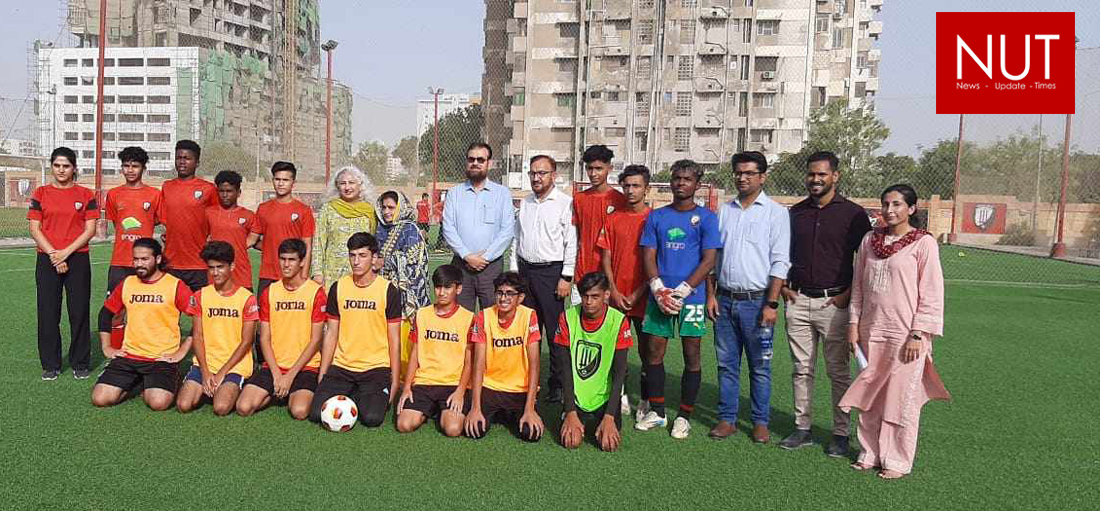
Voices Against Tobacco (VAT), an initiative of Indus Hospital & Health Network (IHHN), commemorated World Lung Day this week by hosting a friendly football match with partners Karachi United and Kiran Foundation. World Lung Day is commemorated each year to bring attention to the several factors that affect lung health and how to address them. On this day, VAT brings together partners and stakeholders from different industries and communities to showcase how lung health impacts everyone.

The event kicked off with lung health patient, Gulshan, initiating the match with the first kick. When Gulshan first visited Indus Hospital and Health Network, she used a wheelchair and oxygen support on a daily basis. Yet today, she was able to walk onto the field and start the match. Later in the event, she bravely shared her personal journey, illustrating the significant impact that the pulmonary rehabilitation program at Indus had on her life. “Being here today means the world to me. Living with a lung condition has been a journey of challenges, but thanks to the incredible care and support I received from Indus Hospital and Health Network, I am here, standing strong,” Gulshan emotionally shared. Gulshan’s moving testimony underscored the importance of access to prevention and treatment, which is the theme for this year’s World Lung Day.

Especially in low- and middle-income countries such as Pakistan, where mortality from non-communicable disease is highest, early access to diagnostics and holistic care is imperative for individuals facing lung health challenges. Also in attendance were representatives of IHHN, including Dr. Abdul Bari Khan, President IHHN, and Dr. Saima Saeed, Director of the IHHN Lung Health Program, as well as Karachi United founder Taha Alizai and members of Kiran Foundation. “The collaboration between VAT, Karachi United, and Kiran Foundation exemplifies the collective commitment to foster a healthier community,” said Dr. Abdul Bari Khan. “Through events and activities like this, the partners aim to inspire individuals to take proactive steps towards maintaining optimal lung health and to support those affected by lung conditions.” VAT has also partnered with Kiran Foundation, signing the MoU this year.

Kiran Foundation is a non-profit organization, initiated in 2006 and provides transformational education and holistic support in marginalized communities. VAT conducted several student sensitization sessions with youth from a wide array of backgrounds, allowing for a greater reach of the anti-tobacco cause. “Efforts to improve lung health must include the medical and public health community, civil society organizations, youth groups, academic institutions and policy makers,” said Dr. Saima Saeed. “By working with partners such as Karachi United and Kiran Foundation, we can empower communities to prioritize improved air quality, reduce tobacco use and increase exercise to promote better lung health.” “Strong lung health is essential for all individual, and is especially important for young athletes, as their health directly affects their ability to perform,” said Taha Alizai. “For this reason, we are proud to partner with VAT and IHHN to bring awareness to this cause.”

The Lung Health program at IHHN used VAT to emphasize the importance of tobacco control policies, most recently through a petition too ban sale of all novel tobacco and nicotine products. They have garnered over 8500 signatures. Lung Health has also integrated spirometry diagnostics in primary care and had more than 9,300 referrals across the network. Over 200 breathless patients with lung disease such as Gulshan have benefited from the multidisciplinary pulmonary rehabilitation program at the hospital.