Nestlé Pakistan celebrates World Food Safety Day

Lahore (Muhammad Yasir) In order to raise awareness regarding food safety, Nestlé Pakistan organized a live webcast on ‘World Food Safety Day’ along with Pakistan Council of Scientific and Industrial Research (PCSIR). The theme of the virtual event was ‘Safe food now for a healthy tomorrow’, which is also this year’s theme by World Health Organization.

Highlighting the challenges and opportunities around food safety, Dr Quratulain Syed, DG PCSIR said, ”Food safety is a shared responsibility among producers, consumers and government bodies. Together we can lessen food-borne illnesses by practicing food safety at all levels.”

Mr. Rafaqat Ali, DG, Punjab Food Authority (PFA) said, “Since sky is the limit if you want to rectify something, PFA has aims to reach the pinnacle in ensuring food safety and quality, so that the burden of food borne illnesses are brought down to negligible levels.”

Mr. Ghulam Mustafa, Addl. DG Technical, PFA during his session said, “We are going to do everything possible to make sure that food safety is always of paramount importance and that we work with the industry as  dedicatedly as we can to make sure that we are curtailing adulteration and ensuring provision of safe food towards a greater food safety culture in Pakistan in general and Punjab in particular.”

Sahar Samreen, Head of Quality Assurance, Nestle Pakistan while addressing the participants of the webcast said, “Safe food is the key towards a healthy life. The actions taken today to ensure safe food for a healthy tomorrow will lay down the foundation of a healthy future.”

Highlighting, Nestlé’s purpose, Samreen said, “Our purpose is to unlock the power of food to enhance quality of life for everyone, today and for generations to come, when we achieve this, we become a force for good.” She also shared Nestlé’s role in addressing micronutrient deficiencies by serving 3 billion fortified servings across the country in 2020, in line with UN SDG 3 of Good Health & Wellbeing.

 Dr. Abdul Aleem Memon, DG Pakistan Standards and Quality Control Authority said, ”Food standards help to protect the health of consumers and ensure fair practices in trade. Science based food standards are the foundation of food safety.”

The webinar brought to light the importance of food safety regulation and implementation in Pakistan for the health of consumers and featured speaker sessions by Charlene De Witt, Head of Quality at Nestlé Africa & Oceania, Masood Sadiq Butt, President of Pakistan Society of Food Scientists and Technologists, Amir Hussain from Tetra Pak and Saad Hasan from Dada Dairy Farms.

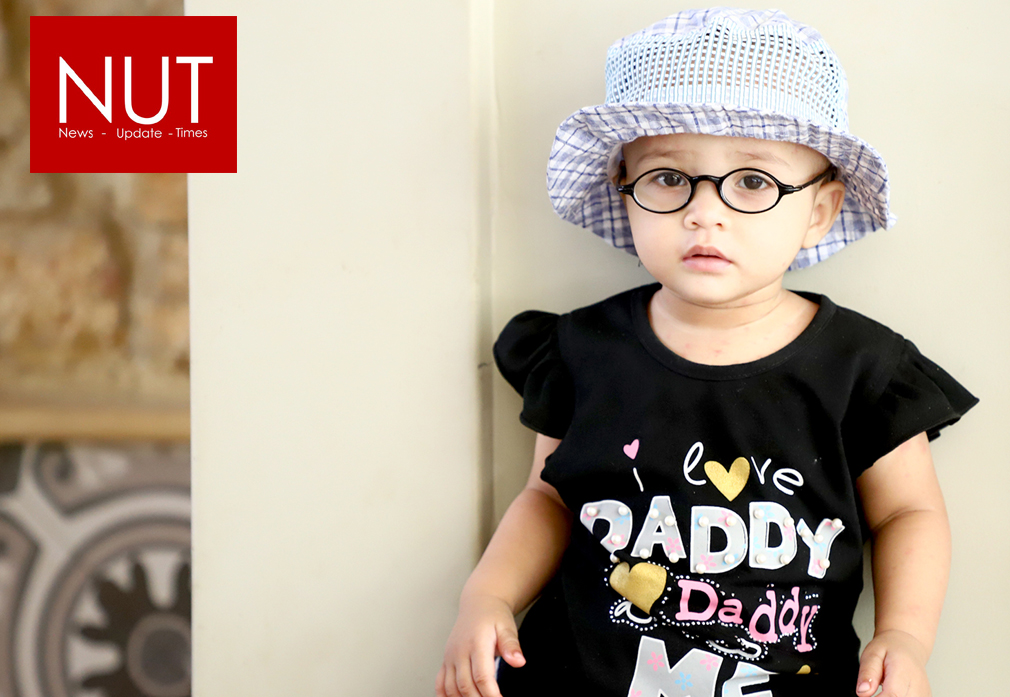
 

Free services to save premature infants from going blind provided at the Ophthalmology department,

Free services to save premature infants from going blind provided at the Ophthalmology department, JPMC,through the support of the Patients’ Aid Foundation (PAF)

Lahore (Muhammad Yasir) Retinopathy of Prematurity (ROP) is responsible for blindness in an estimated number of 50,000 children in the world every year. Pakistan is at the brink of an epidemic of blindness due to Retinopathy of Prematurity (ROP).

ROP is a potentially blinding eye disorder which fundamentally affects premature infants who are born before 35 weeks or are less than 2 Kgs in weight. When a premature baby is born, they are kept in an incubator in order to mature the lungs. The artificial oxygen in the incubator however leads to excess development of blood vessels which may damage the retina.

The threat of newborns going blind due to ROP continues to grow more than before in Pakistan due to a severe lack of awareness of the disease, appropriate screening criteria, delayed treatment as well as lack of expertise for the treatment of such babies. Infants from lower class and middle-class families are at a greater risk for ROP due to not being able to afford the required treatments.

Ayra Fatima was born premature on the 15th of February in 2020. She born just after 7 monthsof pregnancy and weighed only 1.6Kgs.Exactly after 1 month of being born, Ayra’s parent’s world came crashing down on them as she was diagnosed with a severe case of Retinopathy of Prematurity (ROP) on the 15th of March, 2020. They tried to get her treatment but to their dismay, every hospital they consulted quoted no less than 100,000 for treatment.

Ayra’s family has a total of three members, her elder brother and her parents. They reside in Karachi and Owais, her father, works in a textile company where he earns an income of just 40,000 per month. Owais has got three siblings, two sisters and a brother, all younger than him.

The responsibility of his wife and kids, his parents and, his siblings is all on Owais as he supports them all. Therefore, he felt completely hopeless as arranging a sum of 100,000, an amount that is three times larger than his own salary, was impossible for him to do at such a short notice. And so his apprehension grew because a delay in the treatment could lead to permanent blindness.

Owais and his family desperately started to look for other options to help Ayra get the treatment she needed and he came across the specialized Ophthalmology pediatric clinic at JPMC that has been set up by the Patients’ Aid Foundation (PAF).

Owais and his wife went to see Dr. Arifa Farooq on the 16th of March, 2020. Dr. Arifa Farooq is a Viteroretinal fellow who, under the supervision of Prof. Dr Alyscia Cheema, gave Owais the reassurance he needed.

For the course of Ayra’s treatment, a special Ranibizumab injection which is used to treat ROP was to be injected in her eyes. Ayra required two sessions of the injection which is actually quite expensive and costs 30,000 each.Ayra had her first session on the 20th of March and her second session was completed on the 27th of April.

Owais was very impressed with the infrastructure and the state-of-the-art equipment of the Ophthalmology department. He describes the staff as very friendly which guided him through the procedure of appointments, follow-ups and initiated reminder calls – Not once did he have to chase them on his own, he added.

Ayra now has weekly follow-ups which will continue for a year and then monthly follow-ups which shall continue for up to 8 years. Owais is so pleased with the services that JPMC provided with the help and support ofthe Patients’ Aid Foundation (PAF) that he mentioned he will be recommending this facility to all the parents whose children are suffering from eye disorders.

Pakistan reports lowest Covid-19 positivity rate in three months

* Over 7.9 million doses of coronavirus vaccines administered in country so far*

NUT (WEB DESK)

Pakistan on Friday reported its lowest coronavirus positivity rate in three months, at 3.58%, according to the latest stats provided by the National Command and Operation Centre (NCOC).

The last lowest Covid-19 positivity rate reported by the country was on February 28, at 3.02%.

The national tally of total active Covid-19 cases was recorded at 51,478 on Friday, as 1,893 more people tested positive for the deadly virus and 3,431 people recovered from the disease. Eighty-three corona patients died on Friday, 74 of whom were under treatment in hospitals and nine in their respective quarantines or homes, according to the NCOC. On Friday, most of the deaths occurred in Punjab and Sindh provinces. Out of the total 83 deaths, 34 were under treatment on ventilators. There are 3,557 Covid-infected patients under treatment in critical care in various Covid-dedicated healthcare facilities.

The maximum ventilators are occupied in four major areas including Peshawar 31 percent, Lahore 31 percent, Bahawalpur 36 percent and Multan 62 percent. The maximum oxygen beds are occupied in four major areas of Abbottabad 35 percent, Bahawalpur 33 percent, Karachi 35 percent and Multan 37 percent. Around 430 ventilators are occupied elsewhere in the country while no Covid-affected person is on ventilator in Balochistan, Azad Jammu and Kashmir (AJK) and Gilgit Baltistan (GB).

Some 52,859 tests were conducted across the country on Thursday, including 15,741 in Sindh, 21,908 in Punjab, 8,255 in Khyber Pakhtunkhwa (KP), 4,319 in Islamabad Capital Territory (ICT), 1,655 in Balochistan, 354 in GB, and 627 in AJK. Around 856,005 people have recovered from the disease so far across Pakistan making it a significant count with over 90 percent recovery ratio of the affected patients.

Since the pandemic outbreak, a total of 928,588 cases were detected that also included the perished, recovered and under treatment COVID-19 patients so far, including AJK 19,388, Balochistan 25,476, GB 5,623, ICT 81,540, KP 133,746, Punjab 341,390 and Sindh 321,425. About 21,105 deaths were recorded in country since the eruption of the contagion. A total of 13,420,779 tests have been conducted so far, while 639 hospitals are equipped with COVID facilities. Some 3,846 corona patients were admitted in hospitals across the country.

Meanwhile, the scheduled vaccination for citizens of age group 18 to 29 years has already been launched. According to an official of the Ministry of National Health Services, Regulations, and Coordination, the vaccination registration was already continuing across the country as Pakistan’s vaccine supply continues to improve and the country’s vaccination capacity gets enhanced day by day. He said that the country has locally finished a coronavirus vaccine with the help of Chinese experts as the vaccine named PakVac has passed rigorous internal quality control checks and testing at the National Institute of Health (NIH) with the help of Cansino Bio Inc. China.

Minister of State for Information and Broadcasting Farrukh Habib Friday said more than 7.9 million doses of the coronavirus vaccines had been administered in the country due to extensive efforts of the federal government.

Responding to ‘undue’ criticism of PPP Chairman Bilawal Bhutto on policy responses of the federal government to Covid-19, he said the oxygen production capacity was also scaled up to ensure effective fight against the coronavirus pandemic. “Per day production of oxygen has risen to 800 metric tonnes from 400 metric tonnes,” he added in a statement.

Among other initiatives, Farrukh Habib said, the daily testing capacity for Covid-19 was increased to 50,000. He asked Bilawal to highlight the Covid-response of his party’s Sindh government instead of criticizing the federal government, which had been praised by the international institutions, including the World Health Organization for its overall strategy, including smart-lockdown to contain the pandemic.

Bilawal, he said, should share the details as to how much coronavirus vaccine was procured by the PPP government for the people of Sindh. “Bilawal Sahib should inform the public that how many initiatives have been taken by the Sindh government to contain the coronavirus.”


Getz Pharma takes the LEED NEW MANUFACTURING PLANT ‘ASTOLA PROJECT’ TAKES THE LEAD

Lahore (Muhammad Yasir) Getz Pharma Pvt. Ltd. announced today that its new manufacturing facility, named Astola, has been awarded the First LEED Platinum Certification for a pharmaceutical plant in South Asia, by the U.S. Green Building Council.

With this achievement, Pakistan has proudly become the first South Asian country to have received the LEED Platinum Level Certification for a pharmaceutical plant. Achieving the highest LEED rating for this state-of-the-art facility is a testament to Getz Pharma’s commitment towards playing its part as a corporate citizen, for preserving and protecting the environment.

Getz Pharma believes in forward-thinking by constantly taking environmentally conscious efforts for a more sustainable world. With the completion of this plant, Getz Pharma has achieved their goal of promoting sustainability and efficiency in building design, construction and operations. It is not the first time that Getz Pharma has laid down a foundation for communities and corporations to follow. Ever since its inception in 1995, Getz Pharma has put preservation of environment on the forefront of its CSR activities and actively promotes initiatives in this field, while adopting several green practices in their office as well. As the second-largest pharmaceutical company in Pakistan, Getz Pharma’s Head Office is also WWF Green Office Certified.

Every year the World Environment Day is observed on June 5 by the United Nations to spread awareness about preventing, halting and reversing the damage that has been caused to nature. This year, the baton was passed down to Pakistan with the theme being ‘ecosystem restoration’, focusing more on creating a good relationship with nature.

Getz Pharma organized a live talk on World Environment Day on the ‘Role of the Corporate Sector in Protecting the Environment’. In discussion were Khalid Mahmood, Managing Director & CEO of Getz Pharma, and Hammad Naqi Khan, Director-General of WWF Pakistan.

Emphasizing the need of the corporate sector to play its part in saving the environment, Mr. Mahmood said, “It is important that we as humans keep reminding ourselves that we are not alone on this planet. There is a huge biological ecosystem that exists around us. If we want to live a better and more sustainable life, we need to unlearn and relearn how to honor the cycle of life.”

Mr. Naqi discussed the various efforts WWF-Pakistan is taking to carry out its mission to work at both a global and national level with governments, the private sector and consumers to address governance challenges affecting development and advocate for sustainable decision-making. He congratulated Getz Pharma on achieving LEED Platinum Certification for their new manufacturing facility- Astola, and appreciated their active involvement in creating awareness of the importance of preserving the environment. He said, “Naming your new manufacturing facility Astola, shows how Getz Pharma wants to call attention to natural heritage sites like the Astola Island- which is a beautiful Ramsar site off the coast of Baluchistan, known for its unique biodiversity and ecological importance. It shows a deeper commitment and reflects on the values of the management towards preservation of nature and environment.”

During the talk, Mr. Mahmood went on to propose how corporates need to dig deeper and focus more on playing their role in preserving the environment. The infrastructure of the new Getz Pharma manufacturing facility- Astola, was thoughtfully planned and designed to help reduce the overall carbon footprint of the company. The green building facility will use less energy, passive heating and cooling which will improve the air quality while potentially reducing carbon emissions. He said, “This is achievable and most importantly a need of the hour- we must preserve and protect what we have for the sake of our future generations; we must all do our part.”

The emergence of COVID-19 has also shown just how disastrous the consequences of ecosystem loss can be. By shrinking the area of natural habitat for animals, we have created ideal conditions for pathogens – including coronaviruses – to spread.
Getz Pharma has been a forerunner in taking environmentally friendly initiatives and setting a benchmark for others to follow.

Citi Pharma to raise up to Rs2.8 billion in IPO

Leading manufacturer of paracetamol is raising money to fund capacity expansion

Karachi (Muhammad Yasir) Pakistan-based Citi Pharma Ltd is planning to raise up to Rs2.8 billion by offering a 35 per cent stake to institutional and ordinary investors in an initial public offer (IPO) on the Pakistan Stock Exchange (PSX). The book building phase of the IPO will he held on 15th and 16th June where high net worth individuals and financial institution will participate. The company will issue all new shares through book building at the floor price of Rs28 per share, which includes a premium of Rs18 apiece.

It means Citi Pharma is guaranteed to raise at least Rs2 billion in the IPO. However, based on the interest from investors during the book building process, the strike price can rise by 40 per cent (Rs39.20 a share), thus helping the company collect Rs2.8 billion.  After the book building process, successful bidders will be provisionally allotted 75 per cent of the issue size (54.5 million shares). The remaining 25 per cent (18.1 million shares) will then be offered to retail investors at the strike price. 

Although the company makes many drugs for consumers, its major source of revenue is the manufacturing and sale of active pharmaceutical ingredients (APIs) — key substances that make a finished pharmaceutical product. Major drugmakers like GlaxoSmithKline, The Searle Company, Barret Hodgson and Martin Dow buy their APIs from Citi Pharma. In particular, Citi Pharma sells paracetamol, an API used in painkillers, to GlaxoSmithKline that mixes it with other chemical salts and sells under the renowned brand of Panadol.

Citi Pharma is raising new funds for three major reasons. Firstly, the company is planning to expand its existing capacity of 3,600 tonnes per annum of paracetamol to 6,000 tonnes per annum. That’s partly because the demand for paracetamol has surged in the wake of Covid-19. In addition, the company says it plans to add new APIs as well as pharmaceutical formulations (final products) to its existing product line. 

Secondly, Citi Pharma wants to build three manufacturing facilities, taking its total capacity to 200,000 vials/injectables per day, dry powder/suspension 60,000 bottles per day, capsules 4.2 million per day and tablets 4.5 million per day. These include dedicated manufacturing lines for penicillin, cephalosporin and psychotropic and narcotics drugs. 

Thirdly, Citi Pharma plans to create synergies and forward integration by building a 50-bed healthcare facility in Lahore. The hospital will cater to the out-patient department and consultancy clinics, general operations and diagnostic services.

Current sponsors of Citi Pharma acquired the company, including its licenses and manufacturing rights, in March 2013. 

Presently, 93 per cent of the company’s sales originate from the API segment while the pharmaceutical formulation segment contributes seven per cent to the top line. Furthermore, over half of total sales in the API segment come through a single client: GlaxoSmithKline. 

The pharma industry in Pakistan is worth Rs501 billion. It grew at an annualised growth rate of 11.4 per cent between 2016 and 2020. Of the 650 pharma companies, only 31 are multinationals. Local firms have a collective share of 60 per cent while multinationals control the rest of the market. 

Citi Pharma’s revenue was a little more than Rs1 billion in 2015-16, which grew to Rs3.5 billion in 2019-20. This reflects an annualised growth rate of 36.5 per cent.  Similarly, net profit for 2019-20 was Rs145.6 million after increasing at an annual average of 27.7 per cent. Net profit for the first half of 2020-21 amounted to Rs168.5 million.

The Patients’ Aid Foundation (PAF) provides quality hemodialysis service at the Nephrology ward of JMPC

Lahore (Muhammad Yasir) Pakistan ranks at 8th place in the list of countries having high rate of kidney diseases. Millions of people in Pakistan are suffering from nephrological conditions, lower income groups make up most of the kidney patients in the country due to unavailability of clean drinking water, proper hygienic & sanitation practices and healthy diet. Increased consumption of smokeless tobacco in lower income groups is another important cause contributing to poor nephrological health.
The Patients’ Aid Foundation (PAF) is a non-profit healthcare management organization that works alongside JPMC to enhance and ensure quality healthcare services at Jinnah Hospital. Keeping in mind its objective, PAF saw the support Nephrology ward needed in order to cater to the increasing kidney patients with quality hemodialysis service. 
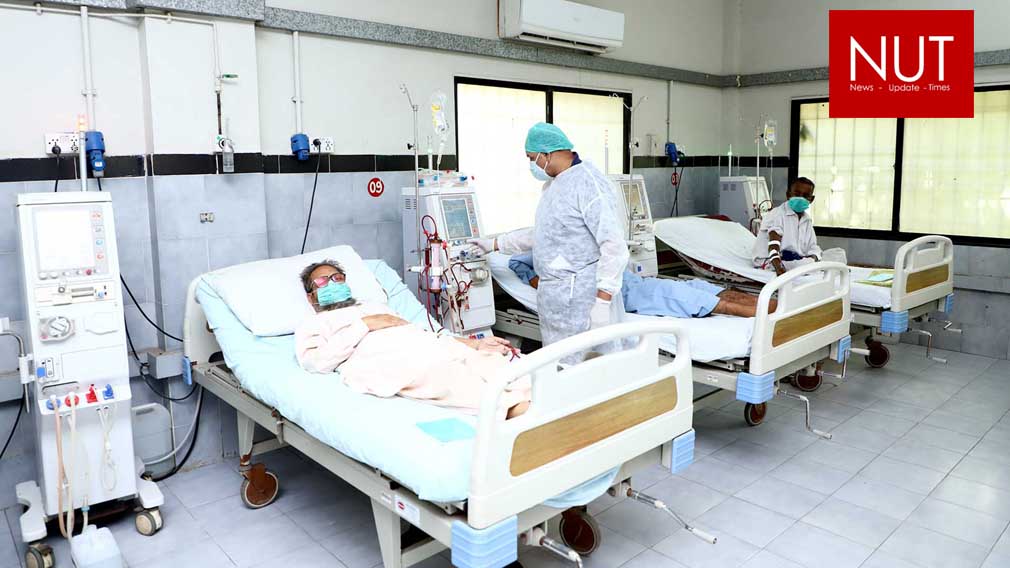
PAF proposed a plan to its donors to introduce quality hemodialysis service at the Nephrology ward of JPMC. With its persistent pitching to the donors, PAF was able to collect funds and introduce one of the most reliable hemodialysis treatment in the city at JPMC. PAF equipped Nephrology ward with a dedicated space for hemodialysis treatment where it introduced 19 hemodialysis machines and also installed 2 new RO plants in order to meet international standard of dialysis services. 
In addition to the renovation and equipment, PAF has also employed competent personnel which includes 2 qualified consultants for the post examination of the patients; 6 dialysis technicians for accurately operating the hemodialysis machines and 5 supporting resources for the efficient handling of the patients, constant follow-ups and reminder calls to the patients going through dialysis treatment. 
JPMC might not be a dedicated hospital unlike other few available in the city which provides kidney related services and dialysis treatment. However, with the help of PAF, it has been able to introduce quality dialysis treatment through modern equipment and efficient human resource at a dedicated space within its Nephrology ward. This facility has been helpful in lifting off burden from the very few public facilities providing hemodialysis treatment, free of cost to the less privileged patients.
The hemodialysis facility at Nephrology ward, JPMC introduced by PAF has given a chance to the patients who have been seeking dialysis treatment but due to unavailability of the services were not able to start the treatment. The expansive area, reduced waiting time, smooth admission, proper follow-ups, post examination, all these factors have helped this facility emerge as approachable and accessible facility providing hemodialysis treatment. 
The facility is trying to improve nephrological health of the less privileged kidney patients by providing quality hemodialysis treatment with as many sessions as needed by each patient without the fear of discontinuation in between the treatment. This quality service results in improved quality of life of these less privileged kidney patients, with free of cost hemodialysis treatment.
Seeing the need for the dialysis treatment in lower income groups, PAF is working with its benevolent donor to expand the dialysis service at JPMC through the introduction of a new dialysis unit catering to even an increased number of dialysis patients.

Zong Hosts Anti-Tobacco Awareness Session by Shaukat Khanum

Zong Hosts Anti-Tobacco Awareness Session by Shaukat Khanum for Employees and Families


Lahore (Muhammad Yasir) Zong 4G has joined hands with the Shaukat Khanum Memorial Cancer Hospital and Research Centres (SKMCH&RC) to raise awareness and education about Tobacco usage amongst its employees. Being an employee-centric company, the awareness session aimed to highlight the harmful effects of using tobacco and educating smokers about ways to quit.

The Zong- SKMCH&RC Anti-Tobacco Awareness Session, which was held remotely via Zoom, was followed by a Covid-19 awareness session where the Shaukat Khanum experts educated Zong employees and their families about ways to stay protected amid the current third wave of the pandemic.

“Our employees are our greatest assets and we deem it our responsibility to ensure their well-being along with their families. We are taking all measures to ensure that our employees have access to information so they can lead a healthy lifestyle. Our partnership with SKMCH&RC for the awareness session is a testament of our commitment towards our employees and Pakistan’s well-being.” Shared spokesperson of Zong 4G.

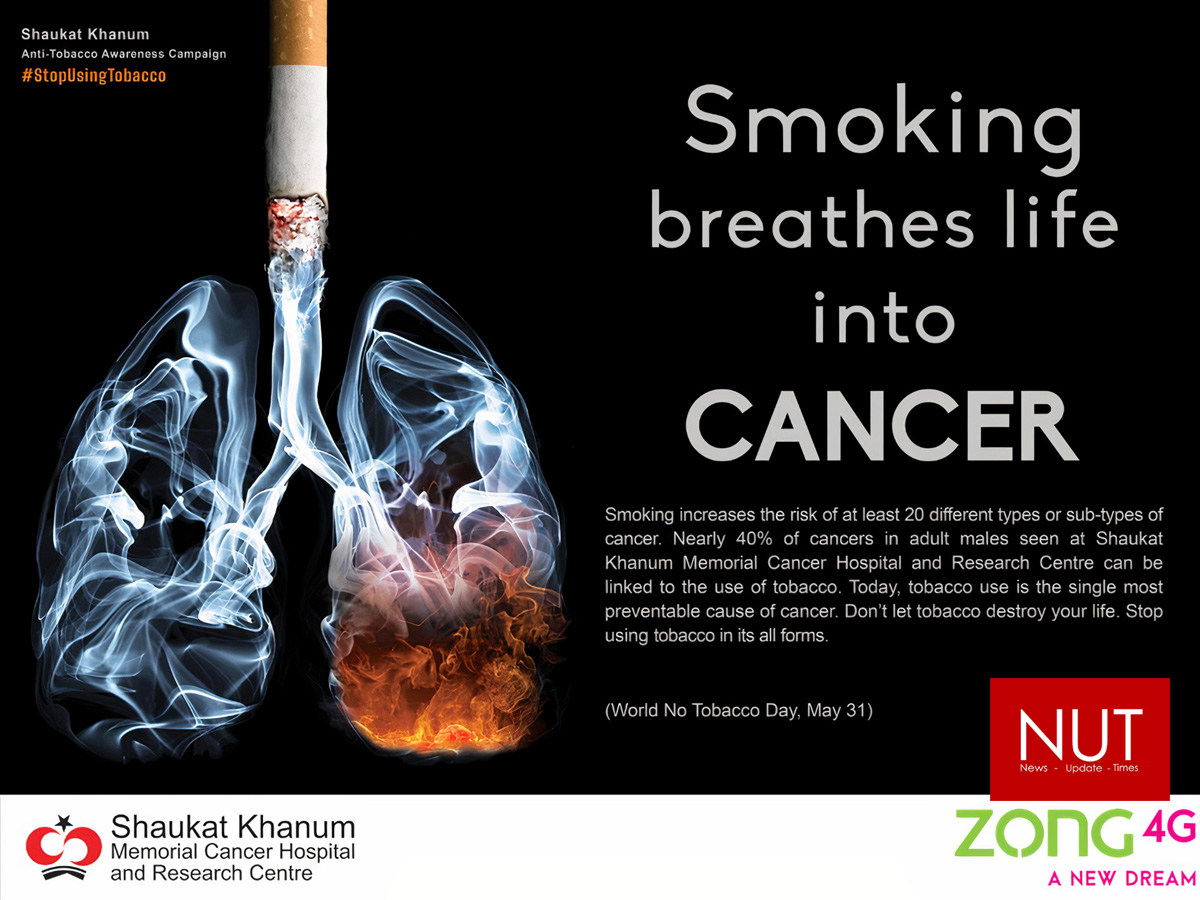
“Tobacco use is the single most preventable cause of cancer. Nearly 40% of cancers in adult males seen at Shaukat Khanum Memorial Cancer Hospital and Research Centres can be linked to the use of tobacco, while 160,000 people die from tobacco-related cases annually in Pakistan. There is an urgent need to encourage and support tobacco users in successful quit attempts,” said representatives from SKMCH&RC.

May 31 is observed as the annual World No Tobacco Day which presents an opportunity to raise awareness on the harmful and deadly effects of tobacco use. In line with its mission, each year, SKMCH&RC conducts Anti-Tobacco Awareness sessions for students in colleges and employees in corporate organizations across Pakistan to raise public awareness about the global tobacco epidemic.  Moreover, the efforts of SKMCH&RC in fighting cancer are commendable that include cancer awareness activities as well as free of cost treatment to over 75% of patients each year.

The awareness drive is part of Zong 4G’s impetus for the well-being of the employees as well as a prosperous Pakistan. The company is already at the forefront of giving back to society and is reflective of the long-standing Pakistan-China friendship.

Free hemodialysis treatment by the Patients’ Aid Foundation (PAF) at JPMC

Free hemodialysis treatment by the Patients’ Aid Foundation (PAF) at JPMC saved a needy woman and helped her continue a healthy life

Lahore (Muhammad Yasir)  Pakistan ranks at the 8th place in the list of countries that have a high rate of kidney diseases. Millions of people in the country are suffering from various kidney related issues. The prevalence is higher in the less privileged as there is an unavailability of clean drinking water, proper hygienic conditions, sanitation processes, and most importantly, a healthy diet. Furthermore, increased consumption of tobacco and smokeless tobacco within the lower income groupshave become leading factors contributing to poor kidney health.

Kidney Failure is an alarming condition occurring when the kidney starts to lose its ability to function normally. A widely used instant and effective solution to kidney failure is Hemodialysis.Hemodialysis is a procedure where a dialysis machine and a special filter, known as the ‘artificial kidney’ or a dialyzer, is used to clean the blood. Excess water and toxins from the blood are removed in this procedure to help the kidney function better.

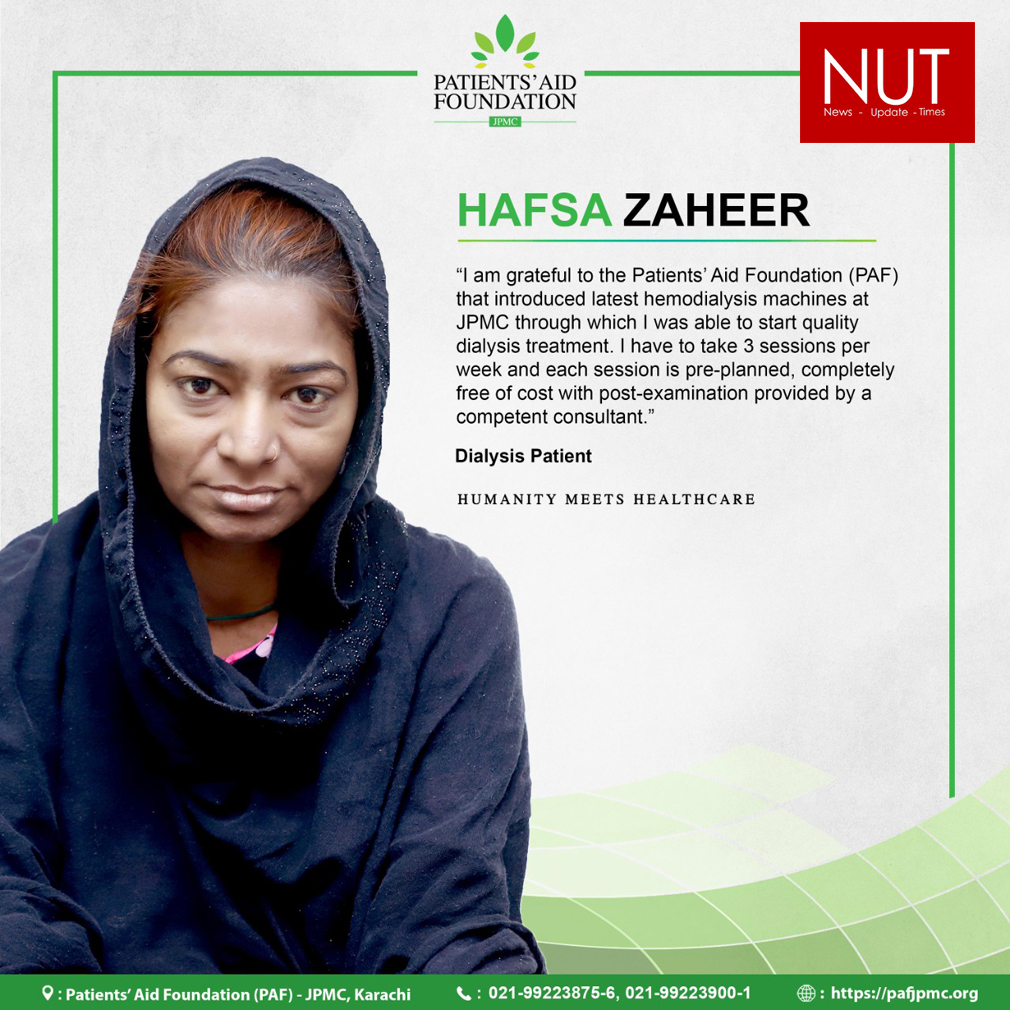
HafsaZaheer is a 30-year-old woman who dwells in the area of Korangi in Karachi, Pakistan. She suffers from acute kidney failure since the year 2019, her kidneys have lost 95% of their function and she has been on hemodialysis treatment ever since. 

Hafsais not academically educated as her parents has always been struggling to make ends meet and they have only been able to afford basic survival of their children. Her familyhas a total of ten members, five sisters, three brothers, and herparents. Her family goes through many rough patches financially due to the great number of dependents and mental disability of two brothers.

Due to the shortage of income and financial inability to raise all the children on their own,with a heavy heart, Hafsa’sparents asked her uncle to adopt her. Her uncle does not have a family of his own so he agreed to raise her as his own daughter. She was happy living a stable and secure life with her uncle who used to earn 30,000 rupees per month.

Hafsa’s world came crashing down when her uncle met with an accident in which he lost one of his leg.After his accident, he lost his job due to this physical disability. After months of job hunting, he managed to become a helper in a shop, earning a minimal amount of 9,000 rupees per month.

Hafsa’sstruggles continued; her mental and physical distress were worsened when she got diagnosed with acute kidney failure. In the beginning of 2019, she collapsed due to sharp pain in her kidneys, upon examination it was revealed that her kidneys have lost 95% of their function. The doctor suggested that she would require regular dialysis treatment, 3 sessions per week.

Her uncle was very worried as the approximate cost of 1 hemodialysis session alone is a lot more than what her uncle used to earn now. He desperately started looking for options to help his adopted daughter, who he has loved and raised as his own. After some research, he came across the free hemodialysis treatment at JPMC that has been set up by the Patients’ Aid Foundation (PAF).

The Patients’ Aid Foundation (PAF) has installed 19 of the latest hemodialysis machines along with 2 RO plants and OPD for various kinds of kidney diseases. Hafsais pleased with the facility and described it as state-of-the-art, well-constructed, extremely hygienic, and expansive. She further added that the staff is very cooperative and makes the patients feel comfortable. They also maintain a proper record of cases and initiate follow-up calls before every appointment as told by Hafsa.

“I am grateful to the Patients’ Aid Foundation (PAF) that introduced the latest hemodialysis machines at JPMC through which I was able to start quality dialysis treatment. I have to take 3 sessions per week and each session is pre-planned, completely free of cost with post-examination provided by a competent consultant.” – HafsaZaheer

Indus Motor Pays Homage to Late Ali Habib Pledging Support to Shaukat Khanum Cancer Hospital

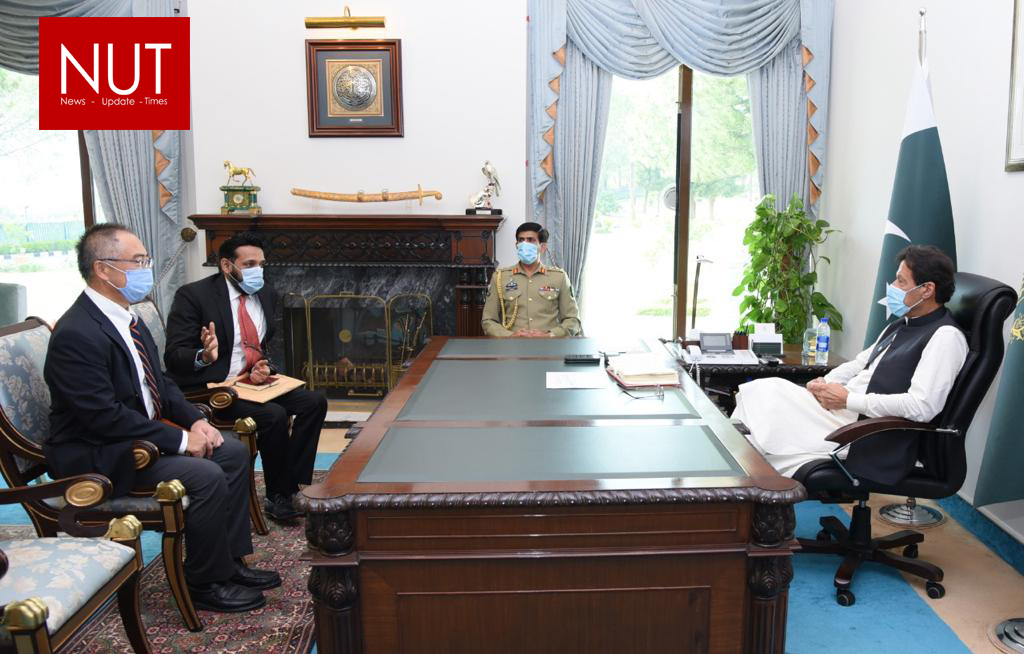
Karachi (Muhammad Yasir) As a tribute to the late Ali Suleman Habib, Founding Chairman of Indus Motor Company (IMC), the Company has pledged support to the Shaukat Khanum Memorial Cancer Hospital & Research Centre (SKMCH), through a Rupees 60 Million donation towards the hospital’s under construction facility at Karachi.

Indus Motor’s Vice Chairman, Shinji Yanagi and Chief Executive, Ali Asghar Jamali presented the cheque to Prime Minister, Imran Khan, at Islamabad.

Sharing his thoughts on the occasion, Mr. Jamali said: “IMC’s association with the Shaukat Khanum Cancer Hospital stretches back over two decades. Cancer treatment in Pakistan is very expensive and beyond reach of the common man. This is where the SKMCH steps in and provides the much needed support to the less privileged of our country and I congratulate its management for a commendable job. This pledge pays homage to our late Chairman, Ali Habib san and the legacy he’s left behind. It not only serves as sadqae jaaria but also an aide-memoire of his compassion and kindness that he possessed.’

The SKMCH at Karachi is the third and most modern cancer facility being built on 20 acres of land at DHA City where over 75 percent cancer patients will receive free cancer care. Construction is expected to be completed over a period of three years at an estimated cost of Rs.13 billion with state-of-the-art diagnostic, radiation and treatment facilities under one roof, catering to patients in Karachi, Sindh and Baluchistan.

According to a WHO report, in 2020 there were over 178,000 new cancer cases and 177,000 plus cancer deaths documented in Pakistan. Over the next five years, the number of prevalent cases has been estimated to reach an alarming 329,524 cases, the most common cancers in both sexes related to breast, oral cavity, lung, digestive tractand leukaemia.

Vaccination is the foremost solution to curb COVID-19 cases: Experts state at OICCI Session

Karachi (Muhammad Yasir) The country is in the midst of third wave of COVID-19 and the number of reported cases and deaths are striking every aspect of life very hard. According to the experts, Dr. Abdul Bari Khan, CEO The Indus Hospital, and Dr. Asim Belgaumi, Chief Medical Officer and Associate Dean for Clinical Affairs at the Aga Khan University Hospital, the foremost solution to curb COVID-19 cases is the widespread vaccination that will allow people to fight against the virus and not only protect themselves but their loved ones too.

Dr. Abdul Bari Khan and Dr. Asim Belgaumi, shared their views at a virtual session titled ‘COVID-19 Experience, Vaccination and Way Forward for helping Society’ organized by the Overseas Investors Chamber of Commerce and Industry (OICCI). Large number of senior executives and CSR Managers from corporate sector attended the session.

The speakers shared the journeys of their respective organizations to fight the pandemic and related challenges. They were of the view that the biggest challenge is the mindset of the people who need to consider the vaccination as a savior rather than believing in baseless rumors circulating over social media. “Vaccination is the only way forward for helping society,” both the experts advised.

While answering a question, Dr. Abdul Bari said that the supply of vaccination is a challenge all over the world and the governments are striving hard to maintain consistent supply and get their entire population vaccinated. Pakistan is also vigorously working to maintain the balance between vaccination drive and its supplies.

At the conclusion, Secretary General OICCI, M. Abdul Aleem, thanked the experts and participants and informed that due to their international outreach, OICCI members led from the front and positively responded to the Government of Pakistan’s call for support in containing the spread of COVID-19, protecting the health and supporting economic needs of the underprivileged populace in the face of COVID-19 immediate challenge, and announced assistance of about PKR 8 billion last year towards COVID-19 related initiatives. The session facilitated the participants to learn about the best practices being followed to fight the virus and also for potential partnership with the organizations which are leading the fight against COVID-19, he added.