ABHI Onboards Naveena Group to Provide AbhiSalary to 5,000 Employees

Pakistan (Muhammad Yasir)

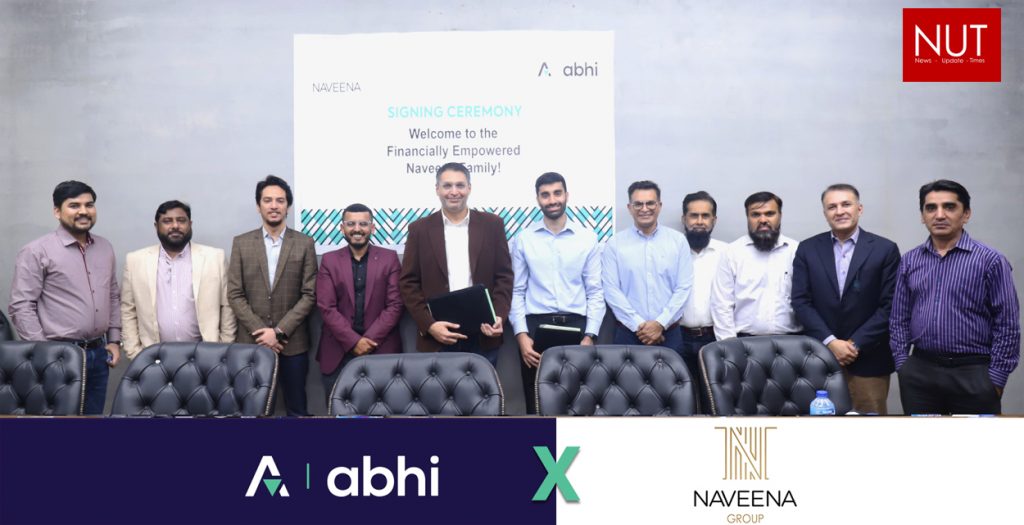
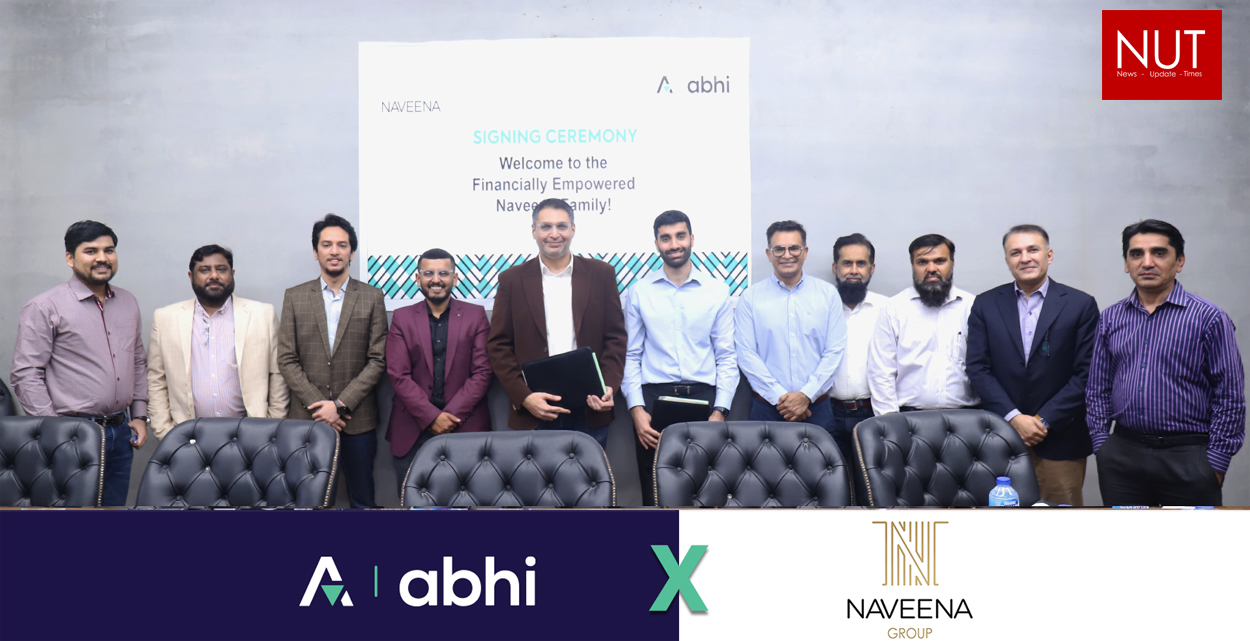
ABHI, an embedded fintech company, has signed an agreement with Naveena Group and its subsidiaries to provide AbhiSalary, an Earned Wage Access facility, to their 5,000 employees. AbhiSalary will financially empower the group’s workforce by enabling them to access their earned salaries before their payday and have the freedom to spend, save and invest with their own salaries.

With AbhiSalary, the fintech company aims to reduce financial stress for thousands of employees working at Naveena Group and its subsidiaries. Established in 1989 as a textile manufacturer, the group now operates in the textile, energy, steel and real estate development sectors with a focus on sustainability.

On the day of signing, Mr Mohammad Zaidi, Director of Business Development and Sales at ABHI said, “We’re honored to serve Naveena Group and enable their 5,000 salaried individuals to access their pay anytime, anywhere and make key financial decisions at any time of the day. We truly believe that AbhiSalary will increase productivity and improve the bottom line of Naveena Group.”

Mr Aman Tata, Director at Naveena Group highlighted the importance of AbhiSalary for employees by commenting, “We’re delighted to offer AbhiSalary as a financial wellness benefit to our deserving employees. We hope to see that AbhiSalary will help them in time of need and reduce their financial stress.

Karandaaz Launches Report on The State of Business Taxation in Pakistan

Karandaaz Launches Report on The State of Business Taxation in Pakistan – Challenges for SMEs

Pakistan (Muhammad Yasir) Karandaaz Pakistan arranged a webinar on 15th March, 2023 to launch its latest study on The State of Business Taxation in Pakistan – Challenges for SMEs. The report provides detailed analysis on the hurdles Pakistani SMEs face when attempting to become tax-compliant, the rules that govern taxation in the country and recommends ways responsible authorities can streamline taxation policy while establishing efficient processes for collection to establish a more optimal tax regime.

SMEs are regularly touted as the backbone of the country’s economy, contributing more than 70% of employment and approximately 25% of the country’s exports. At the same time, however, Pakistani SMEs tend to remain largely outside the formal economy. Estimates for Pakistan’s undocumented or shadow economy range from 35% to 56% of the country’s official gross domestic product (GDP). Another even stronger indicator is provided by data from the Federal Board of Revenue (FBR), Pakistan’s supra tax collection and enforcement authority. Though a recent census of business establishments has not been conducted, proxy data suggests that there could be close to 5.2 million SMEs in Pakistan. Yet, according to the FBR’s 2018 filing data, only about 64,000 associations of persons (AOPs) filed returns. This indicates that only a handful of SMEs are registered with the national tax collection agency.

The SMEs interviewed for this study cited the burden of tax compliance as a bigger hurdle than the actual tax paid or the high tax rates associated with it. Without the adequate resources and skillset for timely compliance with tax obligations, SMEs end up having to pay penalties. In many developing economies, compliance costs are a major deterrent to tax filing and deciding to become ‘formal.’ Evidence collected during the study suggests that, first and foremost, the tax authorities must move beyond revenue-centricity towards the goal of building a cohesive, collaborative, and simplified tax regime that eliminates all the ‘noise’ in the system. To do so, the report contains numerous recommendations, including harmonization of policy across jurisdictions; strengthen handholding and facilitation of SMEs via heavy investment in systems that can be integrated across the government machinery so that data can ‘talk’; adopt automation and smart regulation that is accessible to SMEs; and institute painless tax administration that reduces tax compliance burdens.

CEO Karandaaz, Waqas ul Hasan addressed Pakistan’s shadow economy and said, “One of the key challenges facing the taxation system in Pakistan is its inherent complexity, which leads to high compliance costs and burden for taxpayers. An effective tax system should aim to minimize distortions, facilitate ease of collection, avoid discrimination, and garner acceptability. However, experts suggest that Pakistan’s current tax policy does not adhere to these fundamental principles. According to the 2020 Doing Business Report, Pakistan ranks 161st out of 190 economies for the “paying tax” indicator, which underscores the difficulty and complexity of complying with tax regulations in the country.”

In her opening remarks, Dr. Shamshad Akhtar, Chairperson Karandaaz, said that “As the KRN study underscores tax regime and its implementation pose a real challenge for the SMEs.  Underreporting of SMEs is quite pervasive both because the entities do not have records and capacity to report, nor do they wish to because of fear of FBR tax harassment.  It would be safe to say what we don’t count we don’t really know: Moreover, SMEs constraints and dynamics render it difficult to design effective policies and support system…  SME policy framework in Pakistan is fragmented and entities with conflicting mandates and overriding powers impose their priorities.  Taxation structure has for years been regressive given its heavy dependence on high indirect taxes and on tradable sectors. At the same time tax exemption of agriculture, real estate and properties and low progressivity in direct taxes erodes revenue base.”

In his keynote address Federal Minister Mr. Ahsan Iqbal said: “Unlike other nations in the region, Pakistan has yet to adopt an export-led growth strategy, making it crucial to bolster the private sector’s export capabilities to improve the country’s economic situation. Small and medium-sized enterprises (SMEs), the backbone of Pakistan’s economy, contribute significantly to value chains, generate job opportunities, and spur innovation and competition. Therefore, policymakers must prioritize developing and supporting the SME sector through effective policymaking. For instance, tax reform efforts must prioritize directing capital inflows towards productive businesses with export potential instead of unproductive sectors functioning as tax havens in the country. This approach can reduce inefficiencies and widen the tax base, leading to increased revenue collection, facilitating socio-economic development in Pakistan.”

In his closing remarks Dr Najeeb Memon, Chief Commissioner Inland Revenue Karachi, FBR stated that “We must make choices on how to structure the taxation system. However, these choices cannot solely be based on the revenue authorities’ objectives. We must also consider the compliance costs on the tax-paying entities. Non-compliance is not only a result of the tax regime’s complexity, but also the unfair and inefficient system design that actually incentivizes non-compliance. Businesses and individuals are given room to falsely categorize their income, resulting in tax evasion in weakly regulated sectors like real estate and exempt sectors like agriculture. These inequities must be removed from the system. Additionally, larger minimum tax thresholds and lower marginal tax rates for certain sectors have further constricted the tax base, incentivizing tax evasion at the margins. This approach unfairly burdens compliant sectors while failing to enforce tax laws in others. Rather than squeezing the compliant sectors, we need to reform the design of the taxation system in a manner that addresses the core reasons for non-compliance.”

The webinar also included two panel discussions. The first panel comprised of SME representatives and relevant stakeholders to talk about the type of challenges faced in compliance with frequently changing taxation policies. Panelists included Ms. Maryam Sarim, CEO and Founder of Instaenergy; Syed Nabeel Hashmi, Chairman SNH Group of Companies; Mr. Asfandyar Farrukh, MD Urban Brands and Founder Chainstore Association of Pakistan; and Mr. Ehsan Malik, CEO Pakistan Business Council (PBC).

The second panel included representatives of several tax authorities as well as experts on taxation, including Mr. Zain-ul-Abidin Sahi, Chairman Punjab Revenue Authority (PRA); Mr. Tariq Naseem, Head of Islamic Finance Department and Registrar Modaraba, SECP; Mr. Muhammad Raza, Partner A. F. Ferguson & Co.; Dr. Hamid Sarwar, REMIT Project, FCDO; Mr. Akbar A. Tejani, CEO and Co-Founder Befiler (Pvt.) Ltd. and Ms. Darakhshan Vohra, Lawyer and CEO of Soan Valley Tech.

Karandaaz is a Section 42 Company, supported by the UK’s Foreign, Commonwealth & Development Office (FCDO) and the Bill & Melinda Gates Foundation (BMGF). The Company focuses on improving access to finance for unserved and underserved individuals and micro, small and medium enterprises (MSMEs), by providing financing and by leveraging technology platforms. 

The survey findings are available on the Karandaaz website at: https://karandaaz.com.pk/karandaaz_publication/

U.S. Soy Celebrates Over 25 Years of Partnership with Pakistan

Karachi (Muhammad Yasir)  U.S. Soy recently celebrated over 25 years of partnership with the Pakistani agriculture and poultry industry in March 2023. U.S. Soy formally established a trade relationship with Pakistan in 1996, which developed through multiple exchange visits between the representatives of the two countries.

For over 25 years, we have established a successful and mutually beneficial relationship with the agriculture and poultry industry in Pakistan. As the country navigates to meet its goals of food and nutrition security, U.S. Soy will continue to partner and support the community in this endeavor.  U.S. Soy collaborates with the entire ecosystem and value chain in Pakistan providing professional and technical support, conducting animal feeding experiments, holding seminars to facilitate knowledge exchange to create value from U. S. Soybean and soy components. Additionally, U.S. Soy fully supports the establishment of a science based regulatory system to link Pakistan with global international trade. Pakistan maintains enormous potential and U.S. Soy is in collaboration with the Government and industry stakeholders to enable the country to benefit from latest technologies.” said Kevin Roepke, Regional Director, South Asia & Sub-Sahara Africa, U. S. Soybean Export Council.

Pakistan’s trade with the United States is expected to grow in the coming years as per various reports and data from the State Bank of Pakistan (SBP) and other official bodies. Pakistan and United States have a strong economic and commercial relationship with robust two-way trade and Pakistan is one of United States’ largest trading partners.

“Back in the early 1980s, K&N along with Sind Feeds, Mehran Feeds and Pak Feed Industries imported the first consignment of U.S. soybean meal. At that time, cotton seed and rapeseed were being used as the main feed ingredient both of which have anti-nutritional factors. Poultry performance was not optimal. We worked tirelessly to lift Pakistan’s ban on imported soybean meal in the 1980s and witnessed the performance of our chickens improve substantially. With the help of U.S. Soybeans, Pakistan’s poultry sector expanded exponentially over decades to meet the growing demand for protein. Feed made from U.S. Soybeans is sustainable, nutritious and results in higher quality chicken for human consumption. The Pakistan Poultry Association (PPA) looks forward to strengthening its partnership with U.S. Soy to ensure a stable supply of high-quality soybean meal in the country” said Khalil Sattar Chief Executive of K&N’s and Patron in Chief of the Pakistan Poultry Association.

“We believe in providing our customers with high quality nutritious products and by using sustainable U.S. Soybeans we have been able to consistently deliver our promise”  said Shakil Ashfaq, CEO at Shujabad Industries, a long standing USSEC patron in Pakistan.

As of 2022, Pakistan’s population stands over 220 million and is expected to grow by 2% every year. To serve this young economy, creating stable sources of affordable, healthy, and nutritious food is essential. Economic growth is connected to food and nutrition security. Pakistan’s partnership with U.S. Soy is well positioned on this journey towards progress and will help the people in the country enjoy vitality and good health by meeting nutritional needs, supporting progress in underserved communities and by providing products that enhance quality of life.

CBD Punjab showcases Punjab’s Modern Infrastructure culture and heritage at Jashan E Baharan & Punjabi Culture Day Celebration.

CBD Punjab steals the show at Jashan-E-Baharan & Punjabi Culture Day celebrations

Lahore (Muhammad Yasir)  The Punjab Central Business District Development Authority (PCBDDA) has successfully concluded its participation in the Jashan-E-Baharan celebrations (Spring Festival), organized by the Government of Punjab from March 4, 2023 till March 12, 2023. This yearly festival was aimed to promote the culture of Punjab by representing different themes, thereby bringing joy and entertainment to the people of the province. PCBDDA, also known as Central Business District Punjab, supported numerous activities during the festivity days, including Dangal (wrestling), Cycling, and Marathon. The authority also designed an ingenious social media campaign for Punjabi Culture Day to showcase the beauty and diversity of Punjab’s rich culture. The campaign, supported by videos and still images, highlighted Punjabi traditions like food, folk-music and sculptures. The CBD Punjab float remained the center of attraction throughout the festival. The float showcased the signature projects of CBD Punjab, including SIRIUS, The Runway, and The Regalia. The float was beautifully decorated with flowers and vibrant colours, thus capturing the essence of this spring. The commissioner Lahore division Mr. Mohammed Ali Randhawa appreciated the efforts of CBD Punjab of showcasing its unique projects in a lively manner, which illustrated the efforts of authority in building quality infrastructural projects in the province CEO CBD Punjab. Mr. Imran Amin while expressing his view, said, “CBD Punjab has always backed government initiatives in promoting soft activities. We try to keep ourselves ahead in adding value to the community. Our participation in Jashan E Baharan is a testament to our commitment to promoting the rich culture and heritage of Punjab.” CBD Punjab is a leading development authority, aiming to create vibrant and sustainable business districts in Punjab. The authority focuses on developing state-of-the-art infrastructure, providing world-class facilities, and promoting a business-friendly environment. CBD Punjab’s participation in Jashan E Baharan is part of its broader strategy to engage with the community and showcase the authority’s vision and mission. About PCBDDA: Punjab Central Business District Development (PCBDDA), also known as Central Business District (CBD Punjab), is Pakistan’s first central business district. CBD Punjab is a landmark project that aims to put Pakistan on the map of global business districts. With a focus on eco-friendly urban regeneration and economic generation, by following vertical principles. The authority has secured an investment of 56.47 Billion PKR investment from its two grand auctions of Lahore Prime and Lahore where CBD Punjab auctioned 12 mixed-use commercial plots. Additionally, a state-of-the-art parking plaza with a capacity of 2500 vehicles is under construction at the CBD Punjab project site. The project also includes the construction of the CBD Punjab Boulevard and underpass for 4.2 billion PKR which is near completion. The ground-breaking ceremony for the Bab-e-Pakistan and Walton Road upgradation has also taken place.

TPL Life onboards 15,000 Potential Life Insurance Agents on “Muavin”

TPL Life onboards 15,000 Potential Life Insurance Agents on “Muavin” – Pakistan’s First Virtual Life Insurance Agent Platform!

Pakistan (Muhammad Yasir)  TPL Life Insurance Limited, Pakistan’s 1st InsurTech enterprise in the innovative insurance business, has launched the country’s most revolutionary Virtual Life Insurance Agent Learning & Earning Platform – “Muavin.”

A means for every Pakistani to create an alternate or regular income stream by selling TPL Life’s insurance products. The user can sign-up for free on Muavin, complete the learning phase while referring to available video lectures & course material, become a certified Muavin, start selling from anywhere in Pakistan, and earn a commission for successful sales.

This unique digital platform can be accessed for learning, acquiring a certification, and subsequent sale of insurance products by certified Muavins via Mobile App &/or Web – both life and health insurance products can be sold digitally, omitting the need for paper-based learning and sales practices.

There have been 15,000 sign-ups across Pakistan since the launch of the platform – a testament to the fact that Pakistanis are aggressively looking for options that enable them to learn new skills, increase income, maintain & improve lifestyles, and be financially empowered to address any inflation &/or economic strains.

The Muavin platform aligns with TPL Life’s vision of enabling Pakistan & every Pakistani digitally, ensuring that economic activity is intrinsic at every step of financial prosperity, highlighting the talent and capabilities that the country fosters.

“We are thrilled to introduce a medium for our fellow Pakistanis that offers them the opportunity to pursue their goals, hone their talents, and make a better living for themselves,” said Mr. Saad Nisaar, CEO of TPL Life Insurance. He added, “The overwhelming number of sign-ups is a testament to the demand for this platform in Pakistan.”

In addition, Mr. Humayoon Asghar, Chief Strategy & Retail Officer, said, “This is a proud moment for us; we are confident that Muavin Platform will be the game-changer for TPL Life and the entire insurance industry of Pakistan. The platform has enabled distribution of our products directly to every Pakistani via Muavins (Virtual Agents) – without dependency over traditional brick & mortar setups – adding to economic activity in the country, opportunities for fellow Pakistanis & growth for TPL Life.”


IPS’ National Academic Council meets to discuss ongoing crisis

Intelligentsia for strong, indigenous, civil society mobilization to pull country out of morass.

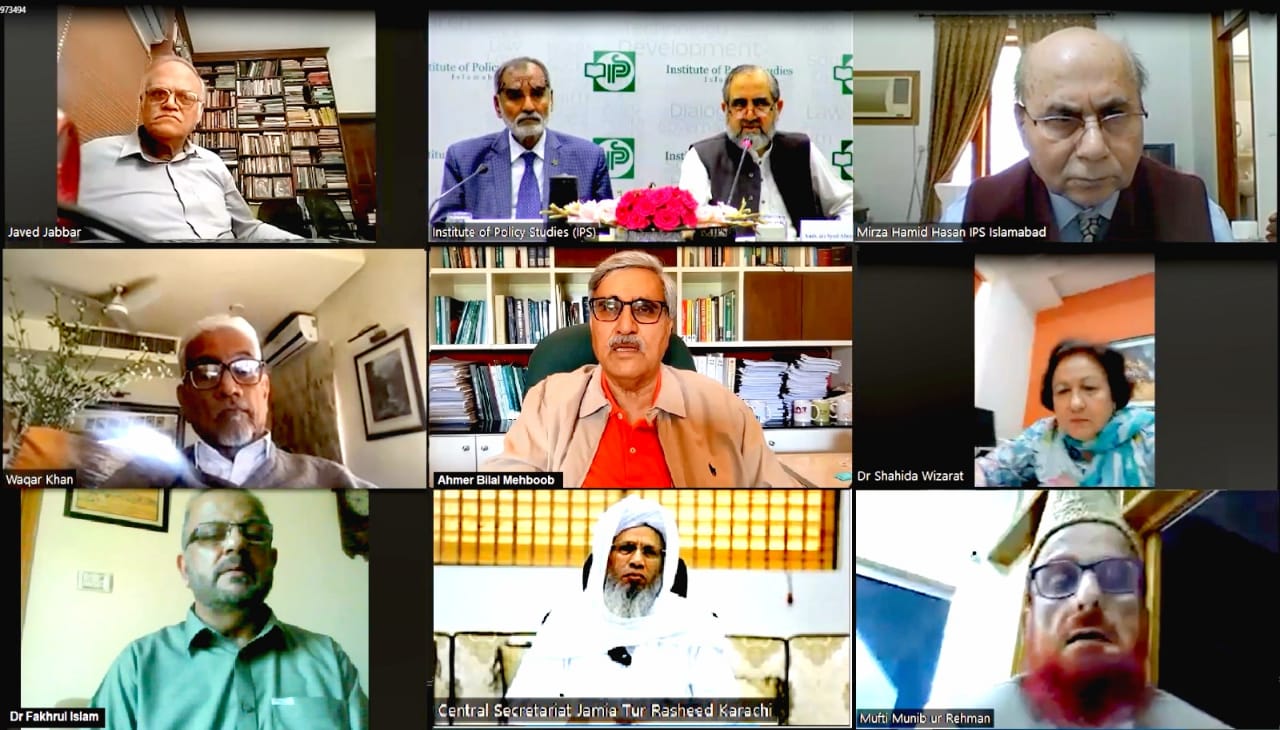
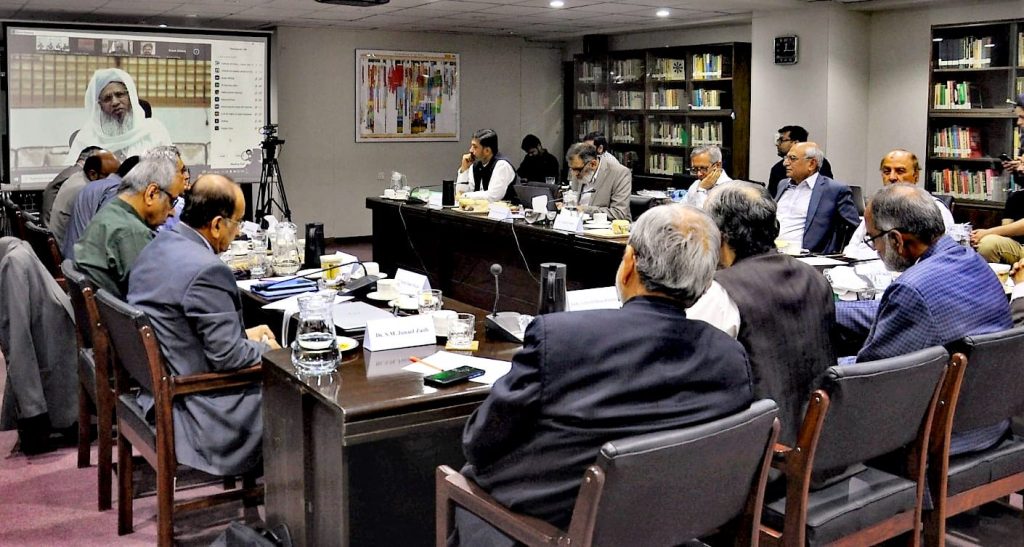
Pakistan (Muhammad Yasir) Renowned intellectuals, technocrats, religious scholars and academics representing a cross-section of Pakistani society gathered for a special moot of the National Academic Council of Institute of Policy Studies (IPS) to contemplate measures to mitigate the ongoing national crisis, what they termed as extremely complex, multidimensional and unprecedented since the country’s independence.

The veterans suggested launching of a strong, indigenous, civil society, nationwide struggle to help pull the country out of the morass within the constitutional framework.

They described the ongoing situation a systemic failure whose root cause was moral crisis, corruption and institutional decay.

As such the experts recommended imposition of a ‘governance emergency’, which they said, was more critical than an economic or security emergency.

The speakers also underscored the importance of proper education of youth and the new generation to make them productive citizens and viewed that the continuously deteriorating political crisis demands holistic democratic, electoral, and holistic structural reforms. Moreover, there was a dire need to devise a state-of-the-art political system on realistic and pragmatic foundations to promote credible and competent leadership which can address the lack of dialogue and the knowing-doing gap, they urged.

Speaking on the occasion, Khalid Rahman, IPS’ chairman, called for the mobilization of Pakistan’s indigenous civil society, with the inclusion of all stakeholders, that can bring consensus and clarity of ideas, and devise out-of-the-box solutions to mitigate the perpetual crisis. He also proposed the system of proportionate electorate to ensure representative democracy and good governance in the country.

Dr. Shahida Wizarat, eminent economist and author, said Pakistan has long relied on external actors, especially IMF and the World Bank, for economic support, which then dictated the country’s policies and developed the nation’s consumer mindset.

The foremost thing to troubleshoot the economic crisis is to eliminate foreign economic managers in favor of indigenous solutions and seek alternatives to IMF, she remarked.

Just as strength is needed for the creation of a state, it is needed for its stability too, stressed Mufti Abdul Rahim, head, Jamia-tur-Rasheed, Karachi, suggesting that in the current situation, the strength must be drawn from within by forging a consensus, documenting true facts, constructively criticizing the institutions including establishment, streamlining media, and empowering the role of religious institutions and faith-based initiatives.

Along with introducing democratic, electoral, and governance reforms, efforts are needed to ensure check and balance, accountability, and the functionality of all state institutions, stressed Senator (r) Javed Jabbar, former federal minister and public intellectual. Moreover, there is a need of a new management paradigm based on enhancing the functionality of governance structures through measures such as the integration of local governance units at the national level, he stressed.

The hybrid national moot was also addressed by Dr. Qibla Ayaz, chairman, Council of Islamic Ideology, Ahmad Bilal Mehboob, founder president, PILDAT, Mufti Muneeb-ur-Rahman, president, Tanzeem-ul-Madaris Ahle Sunnat Pakistan, Muhammad Akram Sheikh, eminent jurist, Dr. Syed Irfan Haider, vice-chancellor, Ziauddin University, Syed Abu Ahmad Akif, former federal cabinet secretary, Dr Anwar-ul-Hassan Gilani, former vice chancellor, University of Haripur, Dr Junaid Ahmed Zaidi, former rector COMSATS, Dr Syed Tahir Hijazi, former member governance, Planning Commission of Pakistan, Waqar Masood Khan, former federal secretary (finance), Mirza Hamid Hassan, former federal secretary, Water and Power, Ambassador (r) Syed Abrar Hussain, vice chairman, IPS, Prof. Jaleel Aali, prominent intellectual and former head, Urdu department, F.G. Sir Syed College, Dr. Naveed Butt, physician, Federal Government Services Hospital, Nazeer Ahmad Mahar, governance specialist and executive director, The Research Initiative, Dr. Fakhrul Islam, director Pakistan Study Centre, Peshawar University, Brig. Tughral Yamin, former dean CIPS, NUST, Dr. Masood Mehmood Khan, faculty at Curtin University, Australia, Dr. Noreen Saher, associate professor/chairperson, Department of Anthropology, IIUI, and Shahzad Iqbal Sham, senior research fellow IPS.

The moot participants demanded the formation of a ‘truth and reconciliation forum’, on the lines of the South African model, as a viable national cathartic measure. Another suggested alternative was a ‘qaumi jirga’ to develop a national consensus. This is important because innovative solutions can emerge only when discussed extensively by stakeholders.

It was rued that although it is a fact that Pakistan was faced with multidimensional, i.e. economic, social, political challenges, the perception is largely amplified and managed by external elements that want to weaken the country, internally and externally. The citizens must realize that Pakistan has its own elements of strength and national confidence that can bring durable improvements. The situation must not lead to despair and pessimism; instead, the vision for change and solutions must be accompanied by self-esteem, unwavering fight, and persistent efforts at every possible level.

In this regard, the example of Iran was quoted as a model of resilience and indigenization. Some 30 years ago Turkey was the top country for scientific output in the Muslim world, but now Iran enjoys that position in spite of years’ long crushing international sanctions.

The need of the hour is that the politicians should sit together and develop a consensus on minimum agenda, a charter of national reconciliation, and true democracy as the solution. The solution to the institutional crisis lies in self-reliance, electoral and governance reforms, promotion of accountability, morality, and digitalizing the system, the moot concluded.
foodpanda Partners with Find My Doctor (FMD)

foodpanda Partners with Find My Doctor (FMD) to Offer Free Doctor Consultations to Riders.

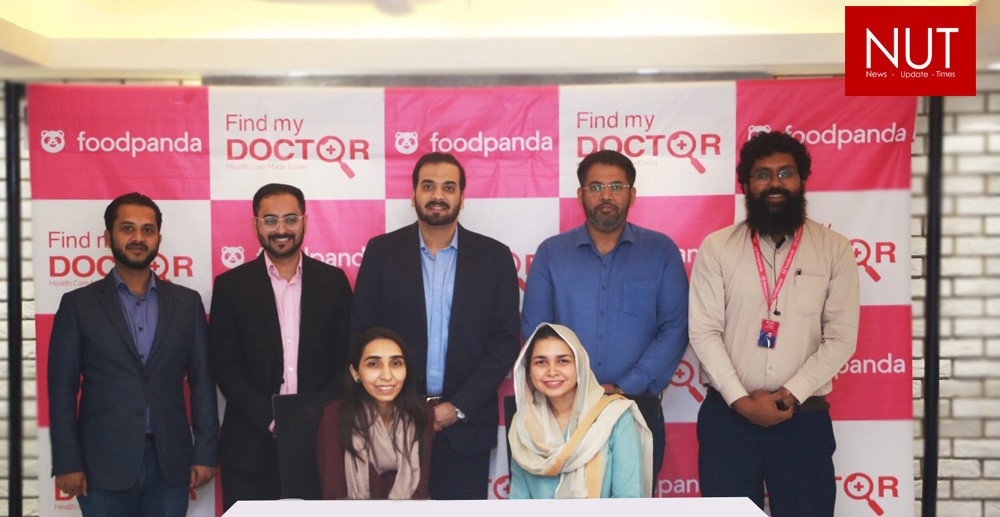
Lahore (Muhammad Yasir) foodpanda, Pakistan’s leading food delivery platform, has announced a new partnership with Find My Doctor (FMD) to provide health services to its riders. Under this partnership, FMD will offer free online doctor consultations, discounts on lab testing rates, and medicine delivery services to foodpanda riders.

“We are delighted to partner with Find My Doctor to provide essential health services to our riders,” said Muntaqa Peracha, Managing Director of foodpanda Pakistan. “Our riders are the backbone of our business, and we believe it is our responsibility to ensure their well-being, especially during these challenging times. With this partnership, our riders will have access to quality healthcare services at discounted rates, making it easier for them to stay healthy and safe.”

As part of the partnership, FMD will provide free online doctor consultations with Pakistan Medical Commission verified General Physicians to foodpanda riders through the Find My Doctor application or WhatsApp. In addition, all foodpanda riders will receive a 40% discount on standard lab testing rates provided by trusted, registered labs that adhere to ISO9001 requirements along with a 15% discount on all medicine delivery across Karachi, using special promo codes.

“We are excited to partner with foodpanda and offer our services to their riders,” said Saad Wahab Siddiqui, CEO of Find My Doctor. “We believe that access to quality healthcare services is a fundamental right, and we are committed to making it easier for people to access these services. With this partnership, we hope to empower foodpanda riders to take control of their health and well-being.”

The online consultation services will be available from 9:00am to 12:00am, seven days a week, while medicine delivery and lab testing services will be available from 9:00am to 9:00pm, seven days a week. FMD will ensure patient data confidentiality for all patients.

Furthermore, foodpanda will promote Find My Doctor services for riders on all internal communication channels to ensure maximum visibility.


Zonergy Corporation made its presence felt in Pakistan’s biggest and most Dedicated Solar Exhibition “SOLAR PAKISTAN”

Lahore (Muhammad Yasir)

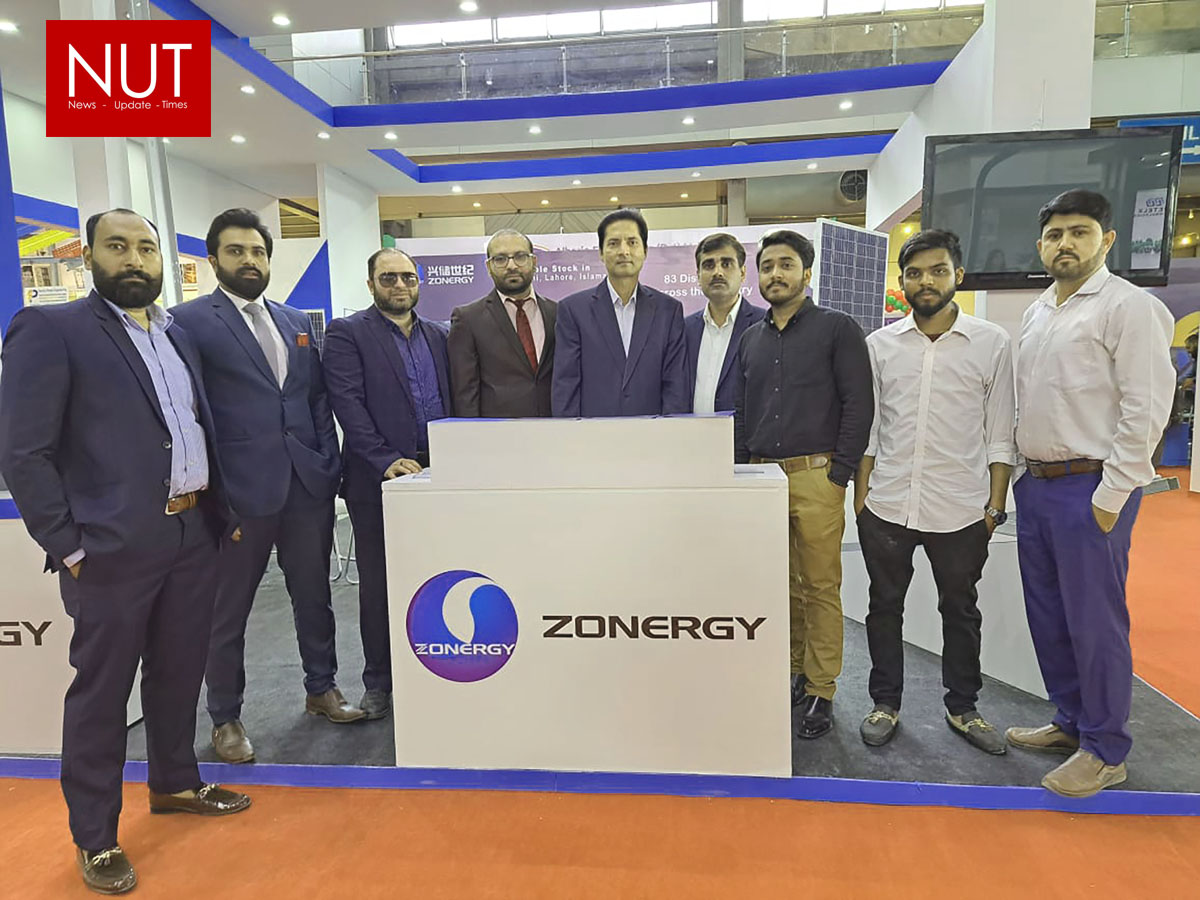
Zonergy Corporation, a leading provider of renewable energy storage solutions, participated in the 12th edition of the SOLAR PAKISTAN Exhibition and 5th edition of the Electricity Pakistan Exhibition at Expo Centre, Lahore from 10th – 12th March 2023, organized by FAKT Exhibitions (Pvt.) Ltd. which has been inaugurated by the honorable Mr. Mirza Muhammad Afridi Deputy Chairman – Senate of Pakistan.

Zonergy Corporation showcased its own developed latest Panda series of Energy Storage systems, ZPM panels of 370 kW and 540/545 kW, Zonergy 5 & 10 kW inverters, and portable devices to cater to customer requirements of the country.

On the first day of the exhibition, Zonergy Booth received tremendous responses from visiting customers. Potential clients from different industries, EPC companies, and distributors expressed interest in the company’s products, and Panda single-phase series energy products attracted much attention. As a country with a severe energy shortage and the rising cost of Energy, Pakistan boasts a large market for household and outdoor portable energy storage products. Zonergy Corporation will continue to evolve its product line with an extreme focus on customers’ needs and provide high-quality smart solutions. Meanwhile, it will further deepen innovation and research, and development, and bolster the green development of South Asia with technological innovation

Zonergy Corporation Vice President in Pakistan Mr. Felix Fu appreciated the FAKT Exhibitions Pvt Ltd for organizing Industry oriented Exhibition he further said “Such Industry exhibition is crucial for Pakistan to divert its energy resource from fossil fuel to Clean Energy like Solar. These events are essential for bridging the gap between the end user and the industry. Pakistan is going through worst Energy crisis of all time and this event will provide an opportunity to give first-hand experience to end users to meet Industry experts and experience the efficacy of solar products. Zonergy is determined to offer viable solutions to bring an end to Energy crisis in the country and always believes in providing smart  Energy products to its customers and welcomes client feedback to customize its Energy solutions. We are willing to extend our cooperation to the Government in working towards sustainable energy solutions by building Clean Energy complete ecosystem. We want to help the Pakistan Government in the extension of the Quaid-e-Azam Solar Power plant to its full 900MW capacity to bring down the Cost of Electricity and put an end to the looming energy crisis”.

SOLAR PAKISTAN Exhibition is established as the leading renewable energy event of the country with its scale setting records every edition, having more than 120 exhibiting companies from 10 countries of the world including China, Czech Republic, France, Japan, etc. showcasing their latest innovations.

The three-day mega exhibition has attracted key industry leaders, manufacturers, suppliers, traders, and distributors and is supported by leading Government Authorities such as Alternative Energy Development Board (AEDB) and National Electric Power Regulatory Authority (NEPRA).

Zonergy Corporation has been persistent with the success of participating in the International Solar trade shows and has paved way for joint ventures between local and international companies, to enhance business and stimulate technological transfer in the field of renewable Energy.

Bank Alfalah’s Marketplace AlfaMall and (M&P) partners to ensure a faster delivery

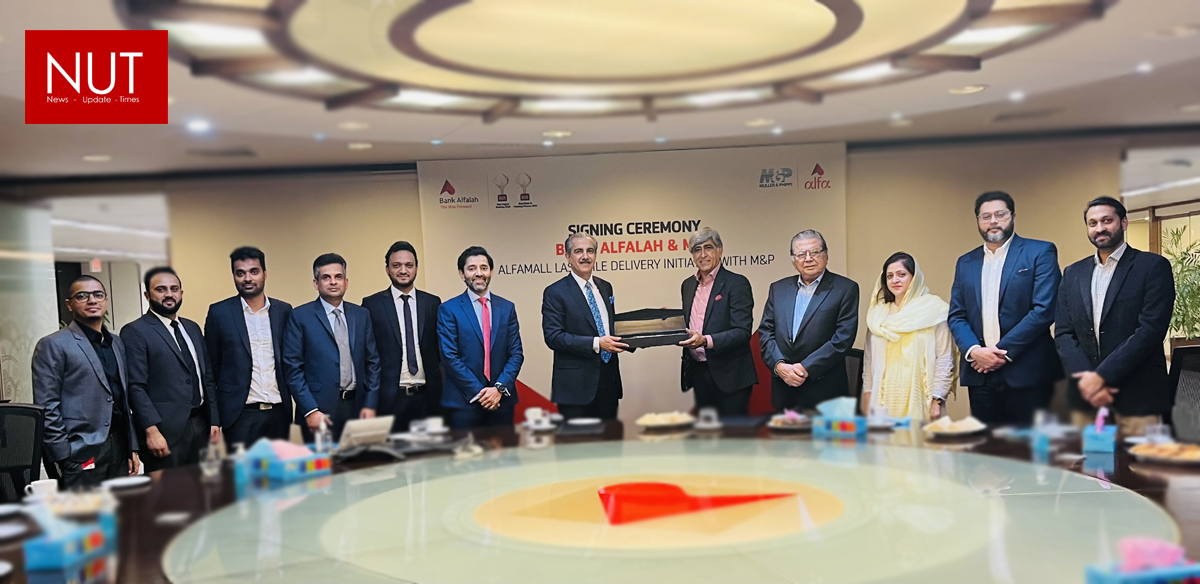
Pakistan (Muhammad Yasir)  Bank Alfalah’s e-commerce platform, AlfaMall, has partnered with Muller and Phipps (M&P) to enhance product delivery services to customers. Through the partnership, AlfaMall will develop a one-stop shop for customers to find thousands of products at competitive prices at the ‘Buy Now Pay Later’ (BNPL) feature. At the same time, M&P will offer an express delivery feature to ensure timely product delivery.

This collaboration will facilitate the development of an efficient delivery process and provide benefits to both Bank Alfalah and M&P. Additionally, M&P will offer stock management and warehousing solutions for all products purchased through AlfaMall.

AlfaMall provides customers access to thousands of genuine products from reliable and trusted vendors at the best prices and offers BNPL payment options. Customers can use the platform to make online purchases either by paying upfront or in easy installments.

This initiative marks Bank Alfalah’s first step in creating a trusted e-commerce marketplace in Pakistan. Bank Alfalah customers can use their accounts, credit cards, and orbit points to pay for online shopping without any hassle securely. This facility is not limited to Bank Alfalah customers, and other bank customers can also access AlfaMall (www.alfamall.com) for upfront payments using other cards as a payment option.

Pak-Qatar Takaful Wins 12th Annual Corporate Social Responsibility Award

Pak-Qatar Takaful Wins 12th Annual Corporate Social Responsibility Award in the Category of Business Practices.

Pakistan (Muhammad Yasir) Pak-Qatar Takaful is awarded at the 12th Annual Corporate Social Responsibility Award in the category of Business Practices at the awards ceremony at the local hotel in Karachi. On behalf of Pak-Qatar Group, the award was received by Mr. Saqib Zeeshan, Deputy CEO, Pak-Qatar General Takaful Limited.

The award is a testament to Pak-Qatar Takaful’s dedication to excellence in their industry, and their commitment to making a positive impact in the communities they serve. It is also a reflection of the hard work and dedication of the entire Pak-Qatar Takaful team, and their commitment to upholding the highest standards of corporate social responsibility.