Jubilee Life Insurance wins Two Major Awards at The Pakistan Digital Awards 2022

Karachi (Nut Desk) Jubilee Life Insurance, the leading life insurance company in the private sector, has been awarded with two major accolades at the Pakistan Digital Awards Ceremony 2022. For its exceptional outreach, the campaign for HBL PSL Season 6 by Jubilee Life Insurance bagged the ‘Best Integrated Media Strategy’ award while the campaign for the Jubilee Life Customer Testimonial Videos was honored with the ‘Best Content of the Year’ award.
 
This is the fourth time in a row that the organization has won awards at the prestigious Pakistan Digital Awards forum. At the heart of both campaigns from Jubilee Life is the face of the brand, Mr. Befiker Bilal Ashraf, who was present at the ceremony to receive the award along with the brand and agency team.
Pakistan Digital Awards are known for recognizing brands for their unique and out of the box ideas. The awards identify campaigns which are able to effectively target audiences and engage with them. The criteria set by the Pakistan Digital Association for judging each nomination is decided through a strict and transparent evaluation process which analyzes the campaigns for their effectiveness and results.
 
Jubilee Life Insurance is revolutionizing the respective space not just through their innovative products but through their creative marketing efforts as well. Jubilee Life Insurance strives to deliver the best in whatever they do. Delivering digital solutions that enhance their customer experience remains an important part of their commitment. Winning these awards for another consecutive year at the Pakistan Digital Awards 2022 is a testament to this commitment.

Jubilee Insurance is a global brand of Aga Khan Fund for Economic Development (AKFED) that offers diverse insurance solutions (life, health, general and Takaful) and is committed to the vision of being Pakistan’s best service provider from the insurance industry and is among the top 25 companies of the Pakistan Stock Exchange; it happens to be the only insurance company to make it to this prestigious list.

Digitized Financial Inclusion may change fate of underprivileged: Experts

  • KCFR hosted exclusive panel discussion on Financial Inclusion at WEF

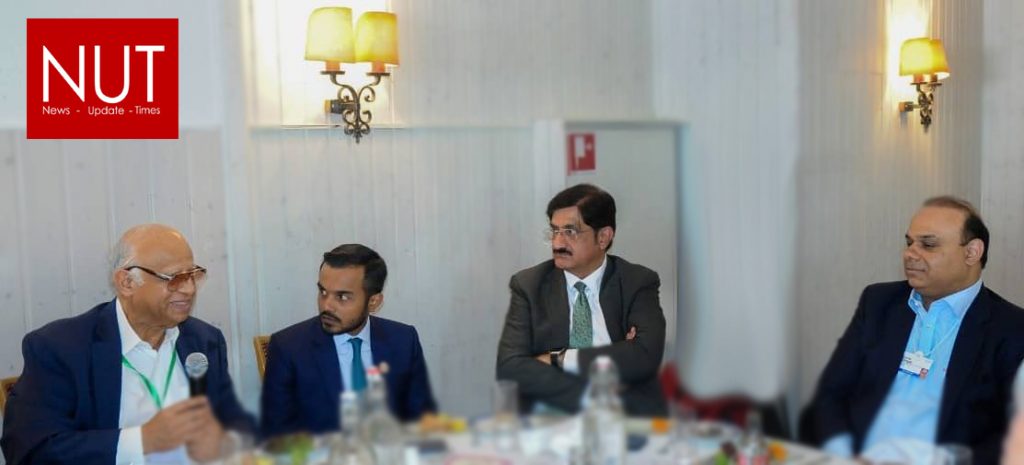
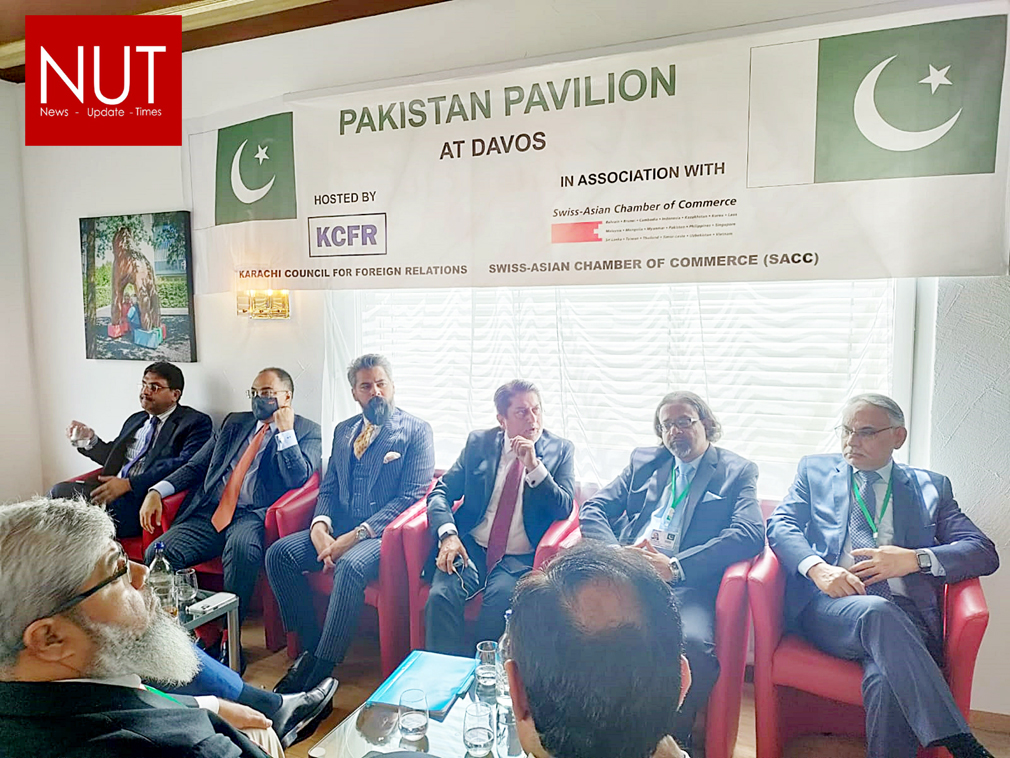
Lahore (Muhammad Yasir)  Banking the unbanked population through digitized financial inclusion may bring positive change in the lives of the underprivileged populations and the national economy. This was stated by banking leaders and financial experts while sharing their views during a panel discussion “Digital Affairs: Financial Inclusion in Pakistan” hosted by Karachi Council on Foreign Relations (KCFR) in association with Swiss Asian Chamber of Commerce at Pakistan’s Pavilion on the sidelines of World Economic Forum Davos last week.

The panel comprised of lead bankers including the keynote speaker Zafar Masood, President Bank of Punjab (BoP), Shazad Dada, President United Bank Ltd (UBL), Kabir Naqvi, President U Microfinance Bank (UBank), Salman Ali, CEO VRG, Aftab Rizvi, Risk Associates, and Imad Chishti, CEO Futafut. The discussion was moderated by Ali Shah, CEO iPath while a large number of potential investors and economic experts were present in the audience.  

Ikram Sehgal, Chairman Karachi Council on Foreign Relations (KCFR) & Pathfinder Group of Companies welcomed the guests and briefed the audience regarding the efforts being made by his team to build a positive image of Pakistan globally. Sehgal extended his gratitude to the people who stood beside his team in making such patriotic efforts. While sharing his viewpoint on the panel discussion topic, KCFR Chairman said “banking the unbanked is a huge challenge but it may lead us to the glory of economic stability and national growth”. Bringing the poorest members of the society into the mainstream of banking is the most important achievement and it seems to be possible through financial inclusion equipped with digital facilities, he added.

Delivering his keynote address, BOP President Zafar Masood shared an overview of the banking sector in Pakistan and mentioned that despite massive challenges, Pakistan went way ahead of many other countries in terms of economic success. BOP President said that Pakistan has been committed to development goals and huge strides were being taken by the country in terms of national and international development goals including UN’s sustainable development goals. Masood also pointed out major hurdles which were being faced by Pakistan’s financial sector in banking the unbanked. While mentioning different proportions of Pakistan’s population, he said that Pakistan’s 61 percent population is between the 15-54 age group which would be most suitable for using the banking services while 35 percent of the Pakistani population is below 15 years of age and they would be ready for tomorrow’s banking. Terming financial inclusion as a heart-touching subject, BOP President said “true financial inclusion without functional deployment of a digital solution is almost impossible”. Zafar Masood stated that Punjab Bank is taking various revolutionary measures to bring non-banking customers into the national mainstream banking. Expressing his concerns BOP President said that despite being 51 percent of the total population, only 17 percent of women are using banking services. He said that such a large and significant section of the population could be included in the banking circle only through digitized financial inclusion and several steps were being taken in this regard. Masood also acknowledged KCFR Chairman Ikram Sehgal and his team for their patriotic efforts in making such events a massive success around the globe.

UBL President Shazad Dada, while sharing his views said that Pakistan is one of the fastest-growing countries and the conditions are very conducive to investment. Discussing the importance of financial inclusion in Pakistan, he said that there are many reasons for the decline in the use of traditional banking services, the most important of which is accessibility as most of the country’s population lives in rural areas. He said that there are only 10 branches for 100,000 people in Pakistan whereas in Asia this rate is close to 16. In such a situation, financial inclusion can be very useful, especially when the proper use of digital resources is ensured.

While responding to a question on the importance of digital services in financial inclusion, Kabir Naqvi, President UBank shared some valid facts and ground realities with the audience. According to him, understanding the customer and their requirements would be the most important factor in terms of an effective financial inclusion setup. He elaborated the efforts being made by UBank to reach the unbanked rural population through establishing far-flung branches where UBank officials provide direct trainings and awareness to the customers on financial inclusion and usage of digital resources.

Salman Ali, CEO VRG offered a very different perspective on financial inclusion. He told the audience that 192 million people in Pakistan use mobile phones and 41 percent of them have smartphones while the rest use simple feature phones. Salman said that the majority of people using feature phones is actually unbanked due to certain reasons while the financial inclusion can prove to be of utmost importance for them. VRG is working in this regard providing the customers a many-to-many business solution which enables them to open an account in any major bank by using a USSD code on their feature phone without internet.

Aftab Rizvi of Risk Associates, CEO FutaFut Imad Chishti, and Asif Riaz, Member Bank of Punjab also expressed their views on the occasion.

“NBP” starts facilitating farmers through Electronic Warehouse Receipt Financing

Pakistan (Nut Desk) National Bank of Pakistan (NBP) is now facilitating farmers in acquiring loans through Electronic Warehouse Receipt Financing (EWRF). The simple process will allow farmers to open their account, provide collateral and receive the loan up to 70% of the collateral’s price.

EWRF system aims to make farmers’ journey easy and profitable from crop cultivation till sale. The loan facility can be obtained for a period of up to 6 months by securing electronic warehouse receipt as collateral.

To open an account in the electronic warehouse receipt the farmers can contact the warehouse operator of Naymat Collateral Company Management with their CNIC and photo. After account opening, Farmers can store their products in the relevant warehouse, where after confirming the quality and quantity, the warehouse receipt will be issued. Farmers can use this receipt to obtain the loan from the bank where required support will be extended to complete documentation process to avail loan facility as per needs.

EWRF also facilitate the applicant to pay back the dues when the farmers have fair price for crops, thus giving them the advantage to have return on their harvest after paying warehouse rent and Naymat collateral fee.


Nokia mobile chief has harsh words for open RAN By: Iain Morris, International Editor, Light Reading

(NUT DESK) Like belching at a child’s piano recital, insulting open RAN is not considered seemly for a member of the telecom establishment. The industry has more or less decided the young technology will be a hit, almost regardless of its merits. For all they could lose, Ericsson and Nokia typically want to be seen as receptive, even as dutiful mentors. Criticize or heckle and they risk upsetting the audience. All of which makes Tommi Uitto’s airing of doubts look brave.

Nokia has previously given open RAN a much warmer reception than either Ericsson (friendly while cautious) or Huawei (downright aloof). But the head of its mobile business does not sound entirely impressed. Open RAN stands little chance of boosting competition or lowering costs, and working with other suppliers on multivendor deployments remains too difficult, he told Light Reading during a meeting in central London.

Uitto must know that open RAN’s enthusiasts will parade his criticisms as evidence of Nokia backsliding. Often conflated with virtualization, open RAN is basically about unlocking some of the interface gates between different parts of the radio access network so operators can welcome in a mix of suppliers.

In its absence, telcos have tended to rely on one big supplier to provide everything. If they could make one vendor’s radios operate with another’s IT resources, they could work with specialists and spur competition in a market still dominated by Ericsson, Huawei and Nokia – or so they believe. Uitto is not convinced. “There is an assumption that more suppliers is more competition and prices come down, which I am not sure will happen,” he said. “Is the cake big enough for ten different suppliers? There used to be ten different basestation suppliers, but we have gravitated to a smaller number.”

The Finnish vendor itself comprises six-and-a-half basestation suppliers after multiple rounds of consolidation, according to the Nokia executive. Besides its own historical business, those now include Alcatel, Lucent, Motorola, Nortel, Panasonic and Nortel’s W-CDMA business. “They all disappeared because they could not make it – there was not enough scale and volume to survive,” said Uitto. Uitto is equally dismissive of claims that open RAN networks will have cost advantages over the traditional variety. “Sometimes people think open RAN will be cheap. No, it’s not.

There’s nothing that would make it inherently cheap because it is 3GPP-compliant basestations, but additionally it has the particular software-made open interfaces,” he said. “Actually, in some early versions from the open RAN challengers, they even had to use FPGAs to make those open interfaces, just as we did in our first 5G products, and that certainly does not make your product cheap.” Chipmakers targeting the open RAN market have clearly been adapting their products.

An original belief that baseband processing could be done effectively on general purpose processors (a market in which Intel is dominant) has been abandoned, according to Uitto. “The first thing the industry learned was that it results in a very expensive product, because these are not especially good in baseband,” he said. After experimenting with FPGAs, chip developers are now working on different types of hardware accelerators based on more customized silicon.


(“CLVL”) collaborate with foodpanda to provide bikes for riders

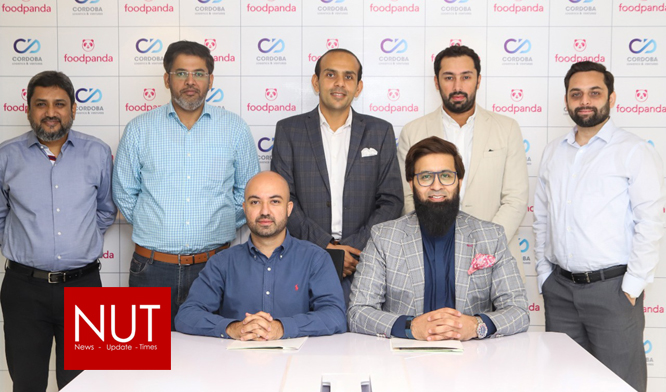
Cordoba Logistics & Ventures Limited (“CLVL”) collaborate with foodpanda to provide bikes for riders

Karachi (Nut Desk) Cordoba Logistics & Ventures Limited (“CLVL”) and foodpanda Pakistan signed an MoU under which CLVL will facilitate foodpanda riders in acquiring motorcycles on an affordable basis to operate on the platform. The partnership extends across the country, offering foodpanda riders the necessary means to participate in the growing e-commerce sector, creating sustainable economic opportunities and driving financial inclusion.

The program also aligns well with the UN’s Sustainable Development Goal 8, focusing on ‘decent work and economic growth’, and once launched will help create more flexible working opportunities across the community. The pilot project will start in June with an aim to scale it across Pakistan over the next several months.

Speaking on the occasion, Chairman CLVL, Mr. Zeshan Afzal said: “This strategic partnership to implement SDG – 8, will promote inclusive and sustainable economic growth, create flexible economic opportunities, and decent work for all. We hope that this initiative will prove to be a stepping stone for even greater collaborations between both the organisations.”

“Opportunities like these help fulfill the ever growing demand for creating avenues of livelihood for the youth,” said Muntaqa Peracha, Managing Director foodpanda Pakistan. “I am glad that this collaboration will further facilitate our existing and potential riders as we continue striving for excellence and vow to support our heroes.”


OPPO Opens Pre-bookings for the Mega OPPO F21 Pro 5G in Pakistan

Lahore (Muhammad Yasir OPPO launches the F21 Pro 5G in Pakistan, enthralling the consumer with its industry-first Dual Orbit Lights, a 6nm 5G chipset, Bokeh Flare Portrait and much more! Consumers can now make pre-orders at stores nationwide and at ‘Daraz’ with a retail price of PKR 69,999/-.

But that’s not all, there is also an exciting offer for the consumers on every pre-order of OPPO F21 Pro 5G, the buyer will get a gift box along with Rs.3500 off on OPPO Band Style and if ordering from Daraz official store the buyer will get a car flash charger for free.

Powerful 5G Performance for Any Occasion

OPPO F21 Pro 5G is one of the first devices to be powered by the Qualcomm® Snapdragon™ 695 5G Mobile Platform built on a 6nm process. F21 Pro 5G also features a large 4,500mAh battery and 33W flash charging that enables the device to be 100% charged in 63 minutes, or make three hours of calls on a charge of just five minutes.

F21 Pro 5G comes with 8GB of RAM and 128GB ROM as standard. When used with OPPO’s RAM Expansion technology, the smartphone’s original 8GB of RAM can be supplemented with a massive 5GB by temporarily allocating ROM, enabling multiple memory-heavy apps to be run simultaneously with less lag.

OPPO’s Dual Orbit Lights

OPPO F21 Pro 5G marks the debut of OPPO’s Dual Orbit Lights, which are discreetly integrated behind the two primary cameras. When turned on, the Dual Orbit Lights resemble two heavenly rings descending from the night sky.

The Dual Orbit Lights light up or blink in electric blue, light blue, cyan blue or baby blue depending on different scenarios, for example when the phone is powering on, charging, receiving an incoming call or unread notification, as well as launching a game.

Capture Your Diverse Styles in Portrait

F21 Pro 5G features a 64MP High-Res Main Camera, a 2MP Macro Camera, a 2MP Depth Camera, and a 16MP Front Camera alongside a series of impressive imaging features, such as Bokeh Flare Portrait, Selfie HDR, AI Palettes, AI Color Portrait 2, Portrait Retouching and other features designed for creativity.

The Bokeh Flare Portrait allows users to capture portrait images with rich Bokeh light spots just like a high-end DSLR camera. It also retouches human hair and shirt details at the pixel level, making them appear exceptionally clear against simple backgrounds.

The Selfie HDR captures clear selfies in dimly lit or backlit surroundings. The front camera automatically detects background light and utilizes an algorithm to suppress bright light when a backlit face or a bright background is detected, ensuring both the subject and background are captured in beautiful detail.

Multidimensional Design for Every Mood

Continuing the sleek and compact design of the F series, F21 Pro 5G introduces an Ultra-Slim Retro Design and two new colors: Rainbow Spectrum and Cosmic Black.

A three-layer of texture and two layers of coating process give the back cover a matte finish with a glittery appearance. The three-layer texture includes an innermost scattering grain, interlayer of SG grain, and an outermost glossy-and-matte grain.

The OPPO F21 Pro 5G is the first smartphone to use this particular spliced gloss and matte textures, which replace the redundant base material typically found around the camera module on other smartphones.

All-Round Smoother Experience with ColorOS 12

OPPO F21 Pro 5G is one of the first smartphones to receive the top-level A rating in the TÜV SÜD 36-Month Fluency certification. The certification is conducted by technical inspection association TÜV SÜD to assess the continued fluency of electronic devices based on two or three years of use.

OPPO F21 Pro 5G is one of the first smartphones to come with ColorOS 12 preinstalled out of the box. Air Gestures 10 allow users to answer calls, mute calls, or scroll pages by swiping their hands in the air, while features including AI System Booster, Quick Startup 11, Game Focus Mode, and AI Frame Rate Stabilizer 12 provide a seamless and immersive entertainment experience for users.

CM Sindh highlights investment opportunities in tourism sector

CM Sindh highlights investment opportunities in tourism and other sectors

Gorakh Hills station to be linked with Karachi through bullet train

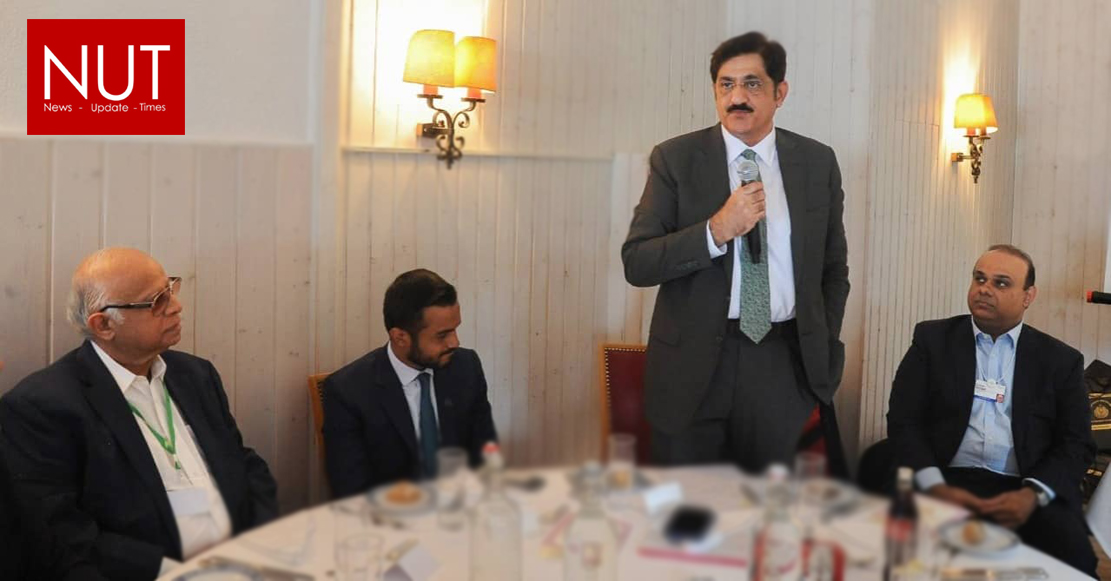
Karachi (Muhammad Yasir) Syed Murad Ali Shah Chief Minister Sindh urged the investors to explore Sindh’s historic and compelling beauty by investing in the tourism sites across the province. CM presented the investment profile of the province at the “Investment in Sindh” session, held on the sidelines of World Economic Forum last week at Davos.  

Sindh Investment Session was organized by the Pathfinder Group of Companies. The conference was attended by Chairman Pathfinder Group Ikram Sehgal, Co-Chairman Pathfinder Group Zarrar Sehgal, Special Assistant to CM Sindh on Investment Syed Qasim Naveed Qamar and DG Private Public Partnership Assad Zamin, while a large number of potential investors and government officials were also present. Ikram Sehgal delivered a welcome note and introduced the Chief Minister. 

The Chief Minister addressing the conference highlighted some major steps taken by Sindh government to ease international investors. CM assured the investors of fair policies, transparency and attractive economic returns. We are working hard to make the province investment-friendly to improve provincial economy by creating employment and opportunities, he said. 

A detailed presentation was shared with the audience offering them different potential sectors for investment. Eco-friendly Tourism, Water & Environment, Trade & Development, Education & Technology, Urban ecosystem and food security. Around 90 percent of these projects would be completed under Private Public Partnership while few of them would be completed in the traditional way. According to provincial government, an investment of approximately USD 6 billion would be utilized. 

By taking the advantage of Sindh’s rich tourism profile, provincial government has decided to invite local & international investments for a variety of tourism projects including up gradation of Gorkh Hills Station site, KMC Beachfront project, Thar Tourism Project and Keenjhar Lake Project. All these tourism projects would cost around USD 680 Million. A bullet train is being planned to ease the commute of 400 kilometers between Karachi and the inviting Gorakh Hills.   


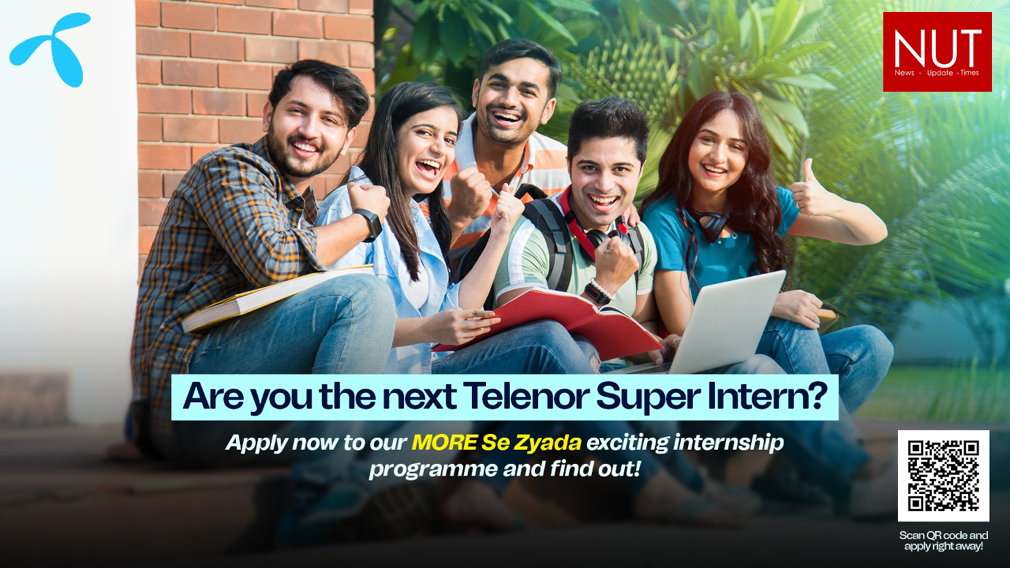
Telenor Pakistan’s launches Super Intern Programme

Lahore (Muhammad Yasir) Telenor Pakistan has announced the launch of its Super Intern Programme 2022 for students and graduates to get hands-on experience as they take the initial steps in their professional journey. The six-week internship programme will prepare the interns for the corporate sector and other professional endeavours through an enriched experience of working at Telenor Pakistan.

During the COVID-19 pandemic, Telenor Pakistan offered the first ever virtual Internship Programme in the industry, which was welcomed by the youth, academia and many stakeholders. As the threat of COVID-19 subsides and businesses return to normal operations, this year’s internship programme at Telenor will see interns back in the office as the program goes back to a hybrid setting where they will experience both working from home and the office. During the six-week programme, the interns will get an opportunity to get dedicated career counselling, be part of a design thinking workshop, have access to mental health sessions, interact with group interns and alumni, as well as work with the senior leadership in the organisation. In addition, the interns will experience the fantastic work culture at Telenor Pakistan and explore the endless possibilities that a future at Telenor can provide.

“In today’s ever-changing, digitally fast-paced world, it is important that the next generation is equipped with the necessary knowledge of what is to come,” says Oystein Bakken, Chief Human Resources  Officer, Telenor Pakistan. “Our internship program offers students the opportunity to work at the hub of innovation, our Telenor offices while gaining first-hand experience and knowledge through our Super Intern 2022 Programme.”

Organisations like Telenor Pakistan act as future gateways for talent development and progression through innovative programs such as the Super Intern Programme. During 2020-2021, the IT and related services sector recorded a growth of nearly 18.85%, which no other industry could do, according to the Economic Survey of Pakistan. As a result, employment in these industries, in particular, is expected to grow significantly in the near future.

PITB and Faysal Bank Ltd. sign MoU to Facilitate Freelancers across Pakistan

Lahore (Nut Desk) In a special ceremony held at Arfa Technology Park , Punjab Information Technology Board (PITB) and Faysal Bank Limited (FBL) signed an MoU to facilitate freelancers across Pakistan. The MoU was signed by PITB DG e-Governance Sajid Latif and FBL Head CIBG Ali Waqar on behalf of their respective organizations.

Senior officials from both organizations including PITB’s JD Freelancing Wing Ahmed Islam, State Bank of Pakistan’s Senior Officer Ali Atta, and Payoneer’s Country Manager Mohsin Muzaffar and Partnerships Manager Affaf Noor were also present.

According to the MoU, PITB and Faysal Bank would collaborate to support endeavors and activities of mutual interest for the facilitation of freelancers by offering them a “Digital Freelancer Account”. 

In particular, FBL would provide the Digital Freelancer Account to existing and to-be PITB graduates as well as sponsor different events organized by PITB related to digital technology, youth empowerment, and freelancing ecosystem. Besides many other benefits, FBL would also give laptops to the top performer and mobile phones to the second and third top performers of each batch as an appreciation of emerging freelancers. Furthermore, FBL would market and give partner privilege to PITB owing to the organization’s large freelancers’ base across Pakistan (alumni and trainees).

PITB is committed to providing work opportunities and imparting digital skills to freelancers across Punjab through various initiatives. Over the last year, PITB has extended its support nationwide through endeavors for aspiring entrepreneurs and freelancers hailing from diverse social backgrounds. PITB’s freelancing initiatives are catering both men and women alike, training them to be economically empowered.

STZA Building Technology Ecosystem to Enable Pakistani Freelancers

ISLAMABAD (NUT DESK) Special Technology Zones Authority (STZA) is building a world-class technology ecosystem in Pakistan, to enable the small, medium as well as large scale tech organizations, said the Chairman STZA Amer Hashmi. 

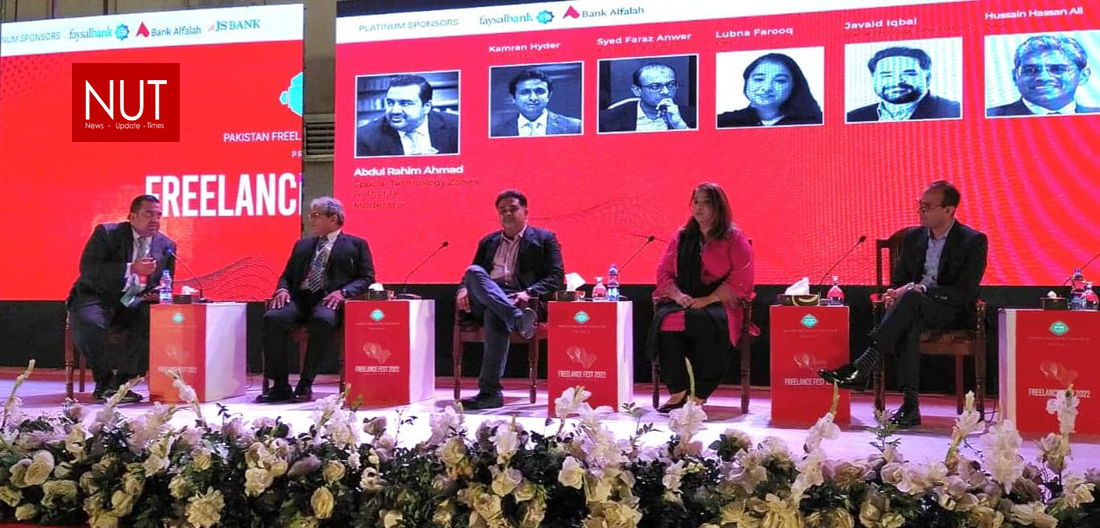
He was addressing the Freelance Fest 2022 organized in Karachi by the Pakistan Freelancers Association (PAFLA).

According to the World Labor Organization (WLO), Pakistan is rapidly emerging as a major source of digital labour for the global freelancing market. The country ranks as the 3rd largest source of digital labour globally, a trend made possible by the burgeoning freelancing community in Pakistan.

At the fest, Mr Hashmi gave a strategic overview of the global innovation and technology ecosystem. He encouraged the young Pakistani freelancers to accelerate their efforts and pledged STZA’s resolute support to enable and empower the freelancing community across the country

“Despite enormous regulatory, infrastructure and financial challenges, the young Pakistani freelancers have demonstrated their prowess to disrupt the global freelancing trends in Pakistan’s favour” added Mr Hashmi.

Javaid Iqbal, the Chief Commercial Officer of STZA while speaking at the forum stated that the freelancers were a critical part of the innovation and technology ecosystem in Pakistan. He said that the freelancers were not only increasing Pakistan’s brand capital but also earning foreign exchange for the country and transforming the gig economy by identifying global market requirements. He called on the young freelancers to challenge barriers and accelerate their efforts, stating that they were living in a transformational era of a globally connected marketplace with infinite possibilities.

Abdul Rahim Ahmad, Chief Information Officer of STZA called for the development of a centralized, verified repository of freelancers in Pakistan. He stated that the regulatory support for the freelancers from the government and financial sector was necessary. Acknowledging the challenges faced by the Pakistani freelancers, Mr Rahim called for developing mechanisms for making it easy to open bank accounts, increasing high-speed internet coverage and availability of training and mentorship for the freelancers in Pakistan.

The STZA delegation later met the leaders from the financial industry, academia, PAFLA, state regulators and renowned freelancers at the event, and agreed to develop close cooperation and synergies, with a mission to remove barriers and enable the Pakistani freelancers to become globally competitive. These linkages are likely to open new doors of cooperation between the government, private sector, and freelancing community in the future.

The chairman STZA thanked the PAFLA for organizing an event which brought industry leaders, government regulators and young freelancers on one platform.