Digitizing education delivery paves the way for Pakistan’s economic transformation

By Dr Ahmar Rashid, Dean, Faculty of CS and Engineering, Ghulam Ishaq Khan Institute of Engineering Sciences and Technology

The COVID-pandemic caused havoc in terms of human loss and economic disruption across the globe – its impact on our education system was equally devastating. The upheaval caused by the pandemic accelerated the dire need to prioritize online education. While Pakistani educational institutions responded to the disruption remarkably well, we must use the immediate post-COVID era to bolster our e-learning infrastructure in preparation for the next inevitable disruption. Furthermore, online education is key to building a knowledge-based economy and supporting the realization of Vision 2025.

There is enormous potential for e-learning in Pakistan. The economies of scale created by our large population make it viable for investors to put money into education technology, commonly referred to as EdTech. The country also has a wealth of highly skilled ICT professionals to produce the required solutions, augmented by an up-to-date and relevant local curriculum. Most importantly, our students are eager to adopt technology in their studies that complement the rest of their digital lifestyles.

Online learning also allows us to level the playing field between the privileged students, primarily trained in urban schools, and the under-privileged ones, typically from rural areas. Coming from radically different backgrounds, they learn at very different paces. While conventional education models treat everyone equally, the e-learning model allows for greater customization and personalization, making it beneficial for students who struggle to learn in their current setting. Therefore, e-learning promotes inclusion by delivering lessons to remote areas where students have difficulties accessing a physical classroom. It also allows the government to optimize education spending without compromising the quality of education.

The vast amount of data produced by the education system offers an unparalleled yet untapped resource for boosting learning outcomes. Analyzing data from exam results, enrolment figures, teachers’ performance reviews, etc., provides a unique opportunity for educators to identify gaps and re-design curriculums that better respond to students’ needs. This data analytics also helps policymakers in the education department promote fact-based policies and practices.

The next step is to create an enabling environment for e-learning to thrive in the country. EdTech tools such as HD video, AR, VR and other collaborative platforms require an advanced digital infrastructure to be in place. As educationists, we are happy to see the government prioritizing the rollout of next-generation 5G, which will significantly boost e-learning. The Pakistan government has announced a policy framework in preparation for 5G’s eventual launch by April 2023.

One of the most valuable and relevant consequences of this 5G infrastructure upgrade for online education is enabling high-capacity, low-latency online video streaming,  a highly-effective educational tool for the next generation of students. It would facilitate a blended learning approach bringing together online video, audio and graphics in the learning process to complement the traditional teaching techniques. These techniques have been shown to keep learners highly engaged, while educators benefit from access to a diverse range of high-quality educational content to support their lectures.

Video conferencing is also an ideal platform for students to connect with each other and teachers in real-time, regardless of location. This is where collaboration matters. Universities and the government should leverage the technology and expertise of ICT firms to accelerate the digitization of our education system. We have seen the benefit of such partnerships here at the Ghulam Ishaq Khan Institute of Engineering Sciences and Technology (GIK Institute). Last year, GIK Institute and Huawei announced a partnership to establish smart classrooms on campus to expedite a digital learning environment. Huawei also pledged to support GIK Institute in upgrading its IT infrastructure and overall digital transformation.

GIK Institute also hosts Huawei ICT Academy, a school-enterprise cooperation project that works with higher education institutions to help build that talent ecosystem. Our partnership with Huawei recognizes that an enhanced ICT skills development program is crucial if Pakistan is to hit its digital transformation goals. This is especially true for advanced 4IR technologies such as 5G, AI and IoT. Huawei, in particular, is ramping up 5G training in collaboration with universities where the technology is available, offering 5G training certificates and partnering on building innovative real-world projects in 5G. We expect to see similar programs in Pakistan when the technology is rolled out next year.   

The ambitious Pakistan Vision 2025 and the Digital Policy of Pakistan, which envisions a $20 billion ICT industry by 2025, is an essential pillar of our country’s economic transformation. Educational institutions have a vital role to play in this national project. By elevating our academic standards, we can make a real difference in advancing our society in collaboration with the ICT ecosystem.     



Embracing Spirituality this Ramadan with Soul Touching Anthems

Embracing Spirituality this Ramadan with Soul Touching Anthems

Ramadan is a month of countless blessings, which is celebrated across the Muslim world in complete harmony. During Ramadan, Muslims fast from dawn to dusk and engage in devoted supplication to purge their souls and reconnect with their Creator. The highest calling of the holy month for the followers is to reflect and strive to unravel the real purpose of their existence.

Like on every other religious occasion, Hamd-o-Naat, Quranic recitation, spiritual commentary and soulful hymns are central to Ramadan and in an apparent continuance of Muslim Sufi tradition, the soul touching sounds echo louder across Muslim countries during Ramadan. Penned and sung by glorious Sufi saints, Muslim personages of revered orders and devout practitioners, these poems inspire Muslims and non-Muslims alike to strive to find inner peace and enlightenment and the meaning of life and the true path to eternal salvation.    

Now, imagine having access to playlists which offer everything relevant to Ramadan’s true essence, all at once place and just a click away.

Spotify’s Ramadan Destination

This Ramadan, the world’s most popular audio streaming platform, Spotify is here to enhance our listening experience through its special Ramadan Destination. Featuring extensive playlists of heart touching anthems, Sufi music, Hamd and Naats along with a variety of other distinct offerings, Spotify’s Ramadan Destination is a one-stop solution for immersive listening experience during this auspicious month.

Spotify’s Ramadan Destination features a wide variety of musical content including a continuation of the EQUAL Pakistan initiative. With the program’s second ambassador being introduced this month, it has become a journey that is not just soulful but inspirational as well. Mehak Ali, the Bollywood famed Pakistani artist and EQUAL Pakistan’s Ambassador of the Month, launched her exclusive spiritual kalaam, “Saleh Ala Nabi Yena“, to celebrate Ramadan with Spotify and also to enrich the true essence of this month.

Coupled with the blessings of Ramadan, these offerings provide a wholesome acoustic experience on Pakistan’s most loved platform as per the preference of a majority of Pakistani listeners.

What are we listening to in Ramadan?

In sync with Ramadan, many of our preferences, especially in terms of music, change elaborately. This month is holy and it is a chance for us to grow closer to nature. Anthems like Naats, Hamd and recitations help us do just that. This begs the question then. What on Spotify are we listening to this Ramadan? Well, here are the most played tunes on our playlist:

  1.   Ya Nabi Salam Alayka

A beautiful offering from Meher Zain, this track has been a household anthem for generations. From our parents to theirs, it has somewhat been passed down in numerous iterations. With a fresher take on it, Meher has given us something to revere and enjoy this Ramadan.

  1.   Amantu Billahi

Coming from Ayisha Abdul Basith, this track takes you on a spiritual journey. The love and depth that it portrays for listeners is unprecedented and distinct. It is one that has quickly gone to the top of our playlist this Ramadan.

  1.   Kullo Al Qoloub

Although there are many tracks that require special mention and the ones that play on repeat with our playlists, this tune from Ali Obaid is profound to another level. If you haven’t heard it yet, this is a must! Here’s the link to it from Spotify.

EQUAL Pakistan

Ramadan luckily coincides with EQUAL Pakistan, a premier initiative taken by Spotify to highlight a segment of artists that routinely go under the radar, women. Launched in conjunction with International Women’s Day 2022, the program provides not just an amazing platform for inspiring women singers but also highlights the diverse range of talents that Pakistan possesses in this regard.

The addition to Spotify is unique and innovative in many ways giving credence to the commitment that the platform has towards its local audiences. It is a way forward with the path being forged by a brand that holds massive recall and audience bases amongst avid music lovers.

Future beckons for Pakistani universities

Dr. Zeshan Iqbal, Professor, Computer Science Dept, University of Engineering and Technology Taxila

The disruption caused by the pandemic was the ultimate test case for Pakistan’s digital ambitions. As the country went into lockdown last year, Pakistanis turned to smartphones, tablets and laptops to work, play, study and stay connected.

For all intents and purposes, the country’s digital ecosystem passed with flying colours, underlining Pakistan Vision 2025 and the Digital policy of Pakistan, which envisions a $20 billion ICT industry by 2025.

But the digital trends to emerge from the pandemic warrant a reassessment of the ICT talent development pipeline. Like elsewhere in the world, universities in Pakistan must evolve their teaching and operational models to cope with the demands of an increasingly digital world.

How can our universities rise to this challenge? The first step is acknowledging that classroom education alone is not enough to equip students with an all-rounded skill set that modern organizations require. Students need hands-on experience and deep practical experience to go with theoretical classroom teaching. Such an outcome requires universities to work with the broader ICT ecosystem to leverage the technical strengths that only tech companies can bring.

Among Pakistan Universities, the University of Engineering and Technology (UET), Taxila, was among the first ones to realize the power of partnerships to benefit our students and the broader economy. One of the university’s strongest collaborations is with Huawei, whose partnership covers not only upgrading its computer training curriculum but also building a campus of the future.

UET Taxila hosts Huawei ICT Academy, a school-enterprise cooperation project created to help forge a deeper talent ecosystem. By strengthening the cooperation mechanism between universities and enterprises, Huawei helps universities cultivate ICT talent that meets industry requirements, providing high-quality talent for industry development. Today, Huawei ICT Training modules are part of the Computer and Telecom Curriculum at UET Taxila.

An advanced education curriculum should have a delivery environment to match. That is why UET Taxila has prioritized the building of a smart campus. The university’s leadership again turned to Huawei to roll out an extensive Smart and Safe Campus Project based on Huawei ICT infrastructure. Thus, the Huawei Smart Classrooms at UET Taxila and partner institution Fatima Jinnah Women University has facilitated live video conference and online lecture broadcast and recording.

With this digital foundation in place, we are keen to support Pakistan’s vision of building a knowledge-based economy. Putting in place an advanced ICT infrastructure is fundamental to this effort. The government has already implemented the policy framework to roll out 5G in preparation for its eventual launch by April 2023. Countries in our region where 5G has been deployed have already seen significant benefits. In Kuwait, one of the Middle East countries with the earliest and fastest 5G development, carriers have achieved 4% growth in revenue and 13% growth in profitability since rolling out 5G. Beyond connectivity, 5G will support the rise of vertical industries and support Pakistan Vision 2025. Currently, 5G use cases have been deployed in industries such as Digital Oil & Gas and Smart Port with highly encouraging results, and we expect to see 5G enabling more industries in the future.

But to successfully roll out 5G requires skills to match. Again, industry partnerships with technology providers will be crucial to training our youth on 5G. Huawei is ramping up 5G training in collaboration with universities where the technology is available, offering 5G training certificates and partnering on building innovative real-world projects in 5G. Additionally, Huawei’s annual skills development initiatives, such as Seeds for the future, now offer students valuable opportunities to immerse themselves in cutting-edge ICT technologies such as 5G to gather experience through hands-on practice. Consequently, UET Taxila aims to embark on 5G test deployment and research in collaboration with Huawei as the technology is rolled out.

Rapid deployment of advanced technologies, however, comes with risks. This is not specific to Pakistan, but the world faces formidable cybersecurity threats due to the expanded threat landscape brought on by rapid digital transformation. Collaboration is vital in tackling cybercrime. A safer network is a shared obligation, and we are happy to see global technology firms such as Huawei working with educational institutions to train students on cybersecurity mitigation efforts

The Pakistan government shares our vision of collaborating far and wide for shared success. In a recent speech, the President of the Islamic Republic of Pakistan, Dr Arif Alvi, commended Huawei Academy’s partnership with about 80 different universities in Pakistan to nurture young talent. He noted the large number of students undergoing ICT training, praising global companies’ efforts to create an ecosystem for harnessing talent.


Durable Dreams

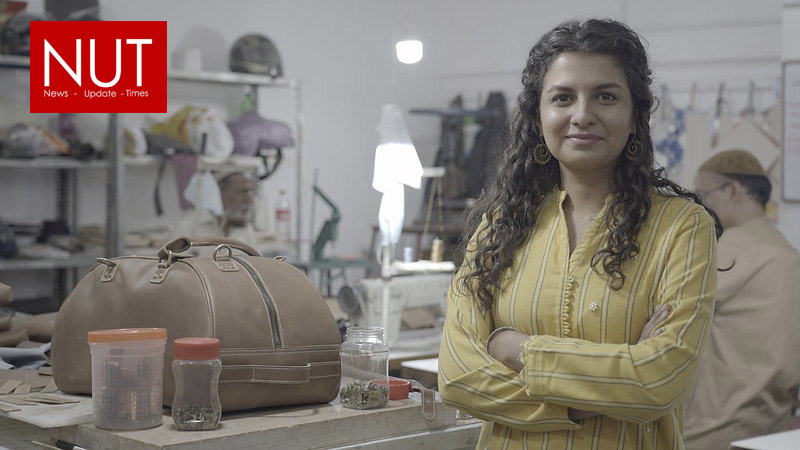
People around the world have become increasingly conscious of their carbon footprint and impact on the environment, therefore they look for practical and durable choices. Bear Necessities offers an aesthetic alternative to the world with their durable leather classic products including bags, satchels, totes, wallets, and more. Cherry on top: they are all hand-crafted, unique products. They can be happily passed on to the next generation as a cherished memory.

Summaiya Zaidi, cofounder of Bear Necessities, was always impressed by the elegance and quality of bags whenever she went abroad and often wondered why no brand in Pakistan offered such bags. So, lack of quality, durable and practical bags in Pakistan’s market was the motivation behind the inception of Bear Necessities. In 2014, when they started their business, they outsourced the making of their products and sold them online. Back then they had only 4 employees and offered 8 products. With the passage of time the word spread and the demand for their products increased. They thought of business expansion and in 2019 they had their own factory and machinery bought from their savings.

Summaiya Zaidi recalls that when they decided to scale up, they realized that their business needed a major capital injection. For her, loan from banks was not an option. She dismissed banks for their high interest rates. Another problem was that they did not have any collateral that could help them guarantee loan from the bank. Then in summer of 2019 they came to know about Karandaaz through one of their friends. They researched about it, found themselves eligible to apply for investment under Karandaaz Women Venture which is a business support initiative focusing on female entrepreneurs in Pakistan. They deemed Karandaaz Women Ventures suitable for their business as it provided customized growth capital for individual needs of a business and also offered business development services.

With Karandaaz by their side, they scaled up Bear Necessities and now operate with 10 employees offering more than 30 products. All products are handmade; no two products are the same.

Summaiya Zaidi calls their journey with Karandaaz an enlightening experience. “Application process of Karandaaz to secure capital is quite rigorous. We underwent different training sessions. We were trained to make a business plan, draft human resource policies, and introduce different accounting procedures. At each stage they provided us resources and prepared us for the final pitch to secure capital. Once we qualified for the capital, Karandaaz was by our side, supervising us, helping prepare quarterly audit reports, and all that. They brought a completely different perspective, methodology and professionalism into our business, which we may have overlooked otherwise. Such support would have never been provided by any other financial institution.”

In a short period of time, Bear Necessities has carved out a place for itself in the market for durability and functionality of its products. New product development is a continuous process at Bear Necessities. The best thing is that they offer life time warranty in services for their products. Customers may send them the products that they have used over a period of time that needs to be restored; they touch them up, polish them, fix them and send them back. No wonder, they have won the trust of their customers with their online business model.

Summaiya Zaidi is an epitome of a successful entrepreneur, managing her business, education and home. She asserts that no doubt it is a daunting task for a woman to balance life and work. She is fortunate to have her husband and business partner, Husain, by her side. She is also proud of her capable, cooperative and experienced team that offers valuable input for the new product introduction and design.

Husain, cofounder of Bear Necessities, strongly believes in women empowerment specifically in Pakistan. He thinks that women are a significant part of population and it is imperative that they step up efforts to start and run their own businesses. This will bring economic stability to their homes and prosperity to the country. Summaiya too is all for women entrepreneurship and believes that they should be provided ample opportunities to flourish:

“Women represent almost 50% of the population and denying them the opportunities to work and not creating a space for them to flourish is a disservice to half of the population. It is important for women to do their own business because it allows them financial independence and flexibility. Financial independence is important for women to be a source of income for the family. A woman’s time is divided among family, home and business. When a woman gets an opportunity to do her own business, she has the flexibility to use her time for multiple tasks.”

Summaiya is of the opinion that time for women to set up their own business is riper than ever before. They don’t necessarily need to invest a large sum of money to start a business, and with an ecommerce business model, they even may not have to step out of their houses. All they need is to give it a go. They need to work on the ideas they have and the dreams they would love to pursue. Setup their own business, strive for its progress and leave no stone unturned to make their ideas successful. This will result in their financial independence and economic stability of their families while ensuring women’s economic participation. More women-led businesses mean more employment opportunities in general and for women in particular. A family with two incomes is always better than one that has only one income to rely on.

Summaiya Zaidi as an entrepreneur is an inspiration for Pakistani women and a proof that with the right amount of determination, a vision, and necessary support, women can work wonders in the world of entrepreneurship.


MMBL’s Commercial Vehicle Loan: Enabling Journeys to Sustainable Sustenance

With the world undergoing rapid digitalization post-pandemic, social and economic barriers to be dealt with are rampant. Moreover, alleviating poverty is the need of the hour and microfinance plays a dynamic role in doing so. It is an apparatus that allows the financial gap to be filled and facilitates low-income families to participate in economic activity.

Without a doubt, the omnipresence of poverty across the country has decreased with the introduction of microfinance. Despite some prevailing challenges and a general lack of financial knowledge amongst the masses, Pakistan’s microfinance ecosystem has paved the way to promote financial inclusion and empower unbanked and underbanked segments of our society. In this regard, microfinance institutions like Mobilink Microfinance Bank Ltd (MMBL) are effectively striving to uplift low-income individuals by meeting their basic financial needs and offering seamless, easy-to-use loan offerings. 

The Bank is dedicated to strengthening the digital banking ecosystem by developing customized products and services that are specifically designed to financially empower low-income individuals in the country.

The story of Shakeel is a testimony that MMBL’s microfinance initiatives have not only helped thousands of families living on the edge of poverty but also improved their living conditions as well. “The ongoing pandemic has aggravated income inequality in Pakistan. Thousands of individuals including myself experienced job and income losses amid COVID-19 and rising inflation, as well as pandemic-related disruptions, and it further added to our list of problems,” explained Shakeel.

Shakeel owned a commercial vehicle, which he used to transport fish from Ibrahim Hyderi, Karachi to restaurants, markets, and other businesses. The shockwaves of the global pandemic COVID-19 ravaged Pakistan’s economy forcing small businesses, restaurants, and companies to close down and Shakeel’s case was no different. Restriction on economic activity due to the lockdown directly impacted individuals like him.

“COVID-19 has changed all of our lives, but more so the families and individuals who are not financially strong. Daily wagers were hit the hardest due to the lockdown. I came to a point where it got hard for me to even make ends meet. Ultimately, I had to sell my vehicle,” shared Shakeel. When the lockdown was lifted, Shakeel was determined to find a practical solution and so, he rented a vehicle for PKR 25,000 monthly.

Even though Shakeel was working hard to earn a sustainable income, he could not manage to meet his expenses and ended up borrowing money from his friends and family. Now, Shakeel was tied into a cycle of debt, and a lack of working capital to purchase a new vehicle made matters worse for him. 

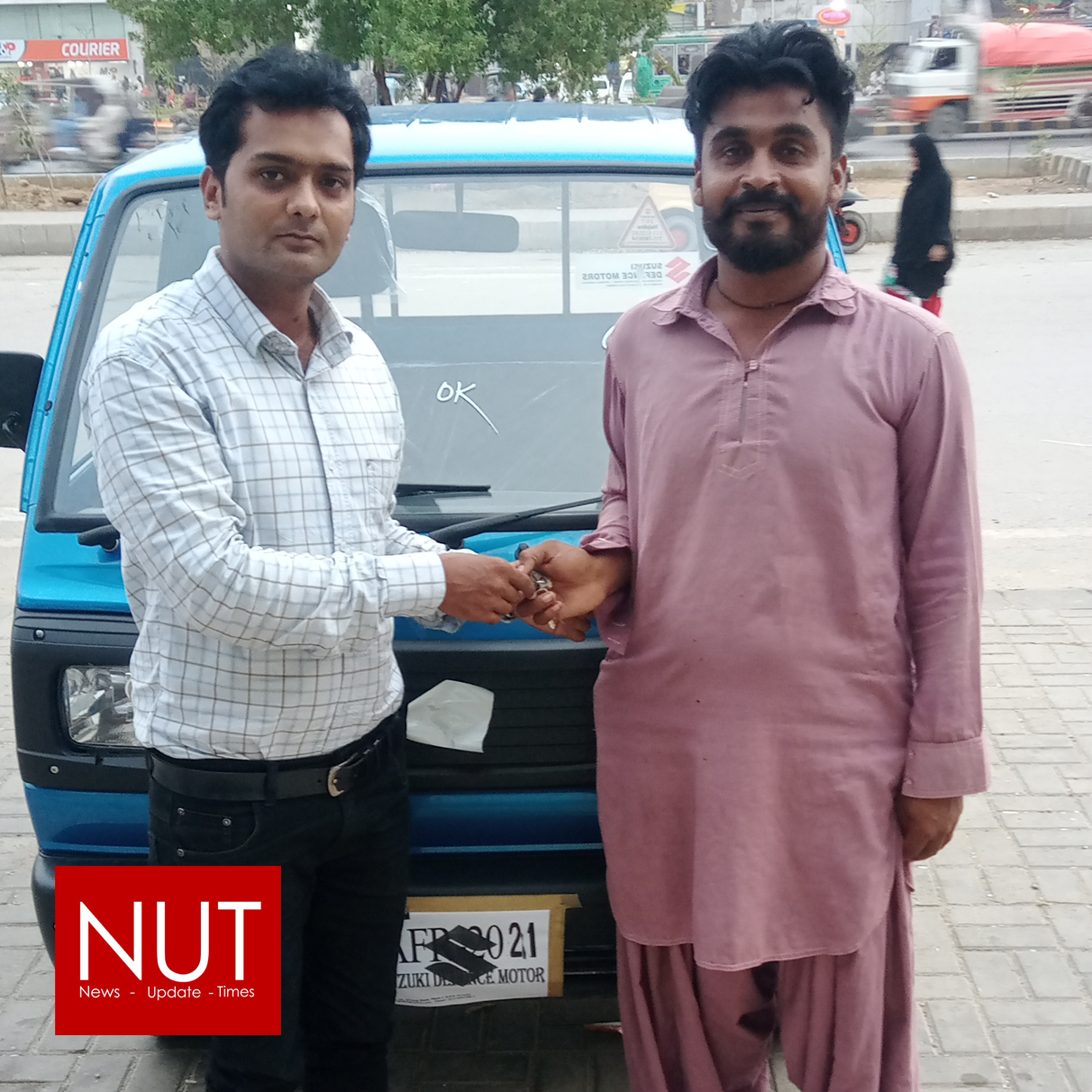
He then learned about MMBL and was convinced that a microloan would help sort his financial problems. “After talking to a few people, I approached MMBL for a Commerical Vehicle Loan and was exhilarated when I was informed that the loan request was accepted. I received a loan for PKR 827,200 and with that, I was able to purchase a new Suzuki Ravi,” shared Shakeel.

The vehicle purchased allowed Shakeel to work full-time and enabled him to earn up to PKR 8,000 daily, which also helped him to return his installments of PKR 22,000 per month in time. “With the help of MMBL, many individuals like me began turning a profit, and today, I am a proud owner of my own vehicle once again. Nothing feels better than that. The financial assistance from MMBL allowed me to gain profit, get rid of my debt, and pay off the microloan quickly”, shared Shakeel.

MMBL’s microfinance loans combine innovations and technology by leveraging Pakistan’s digital banking sector to deliver tailored products and services. The Bank has been a key driver for financial inclusion and women empowerment because it recognizes the fact that financial inclusion yields unequivocal returns.

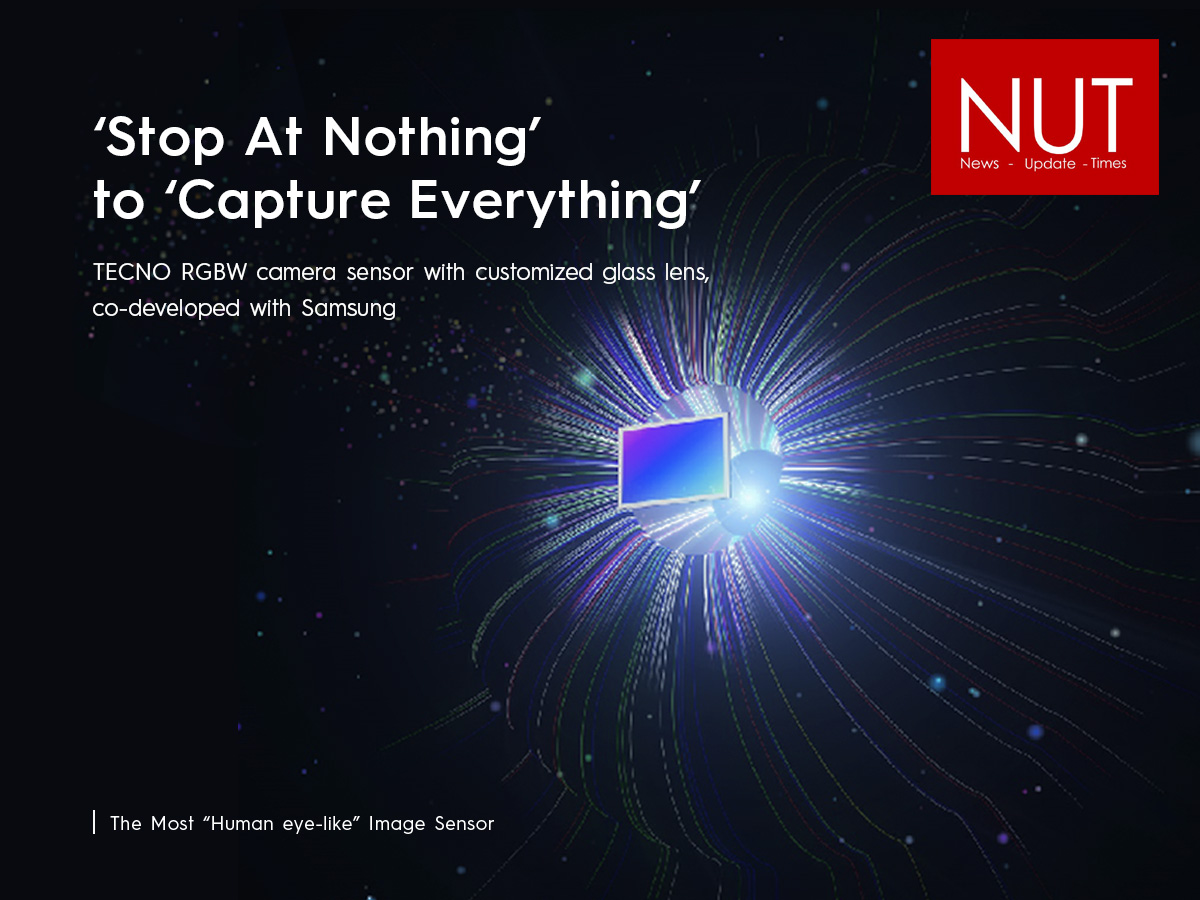
MWC 2022; TECNO announces new technology RGBW camera sensor + glass co-developed with Samsung for CAMON 19 series

RGBW camera sensor coupled with TECNO’s Glass + Plastic technology shall bring enormous improvements to light intake.

Mobile World Congress (MWC 2022) is happening in Barcelona, Spain which comes as one of the major events in the mobile technology world. The premium global smartphone brand, TECNO Mobile was also a part of this event. The brand announced that the Samsung RGBW color filter sensor technology will now be available on its upcoming CAMON series phones.

As Camon phones are well known for their exceptional camera technologies, this new addition will be a great improvement to the already existing module. This new technology is co-developed with SAMSUNG where a white sub-pixel is added to the existing universal RGB configurations on phones and is sold as part of the ISOCELL RGBW color filter sensor solutions.

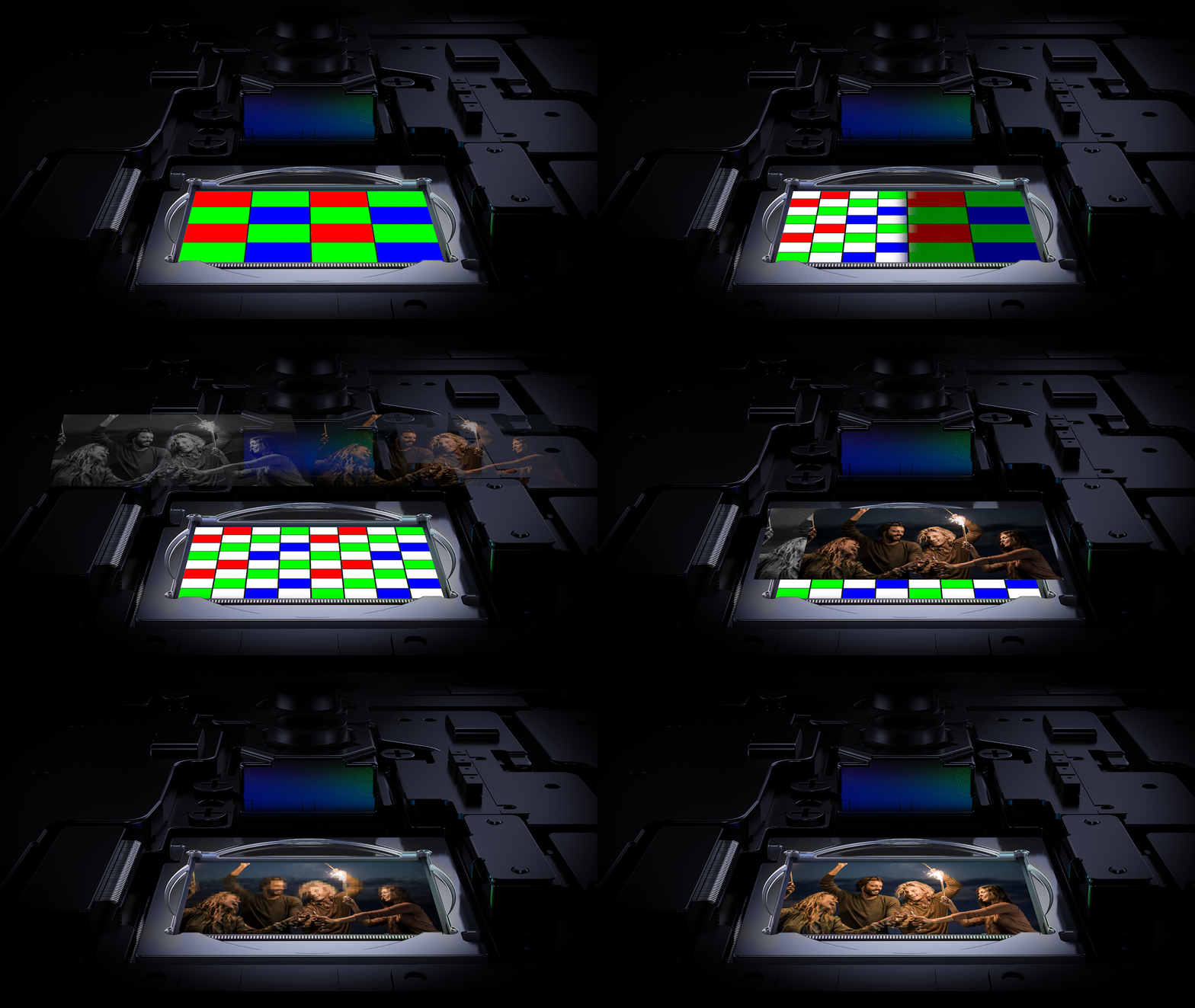
RGBW (red, green, blue, white) technology is heralded as the next major change to existing mobile camera frameworks, allowing the new generation of phones to further match up to professional cameras, particularly in the light sensitivity areas and low-light environments. The new RGBW sensor will be attached to a 64MP camera, and to increase the light input of the CMOS sensor, effectively brightening picture quality and creating ultra-clear details without impacting contrast in dark and backlit backgrounds. Coupled with TECNO’s complimentary Glass + Plastic (G+P) technology, light intake can be further enhanced by another 30%, effectively doubling the overall picture quality for users.

Compared with the traditional RGGB sensor, the RGBW light capture sensor adopts a new pixel arrangement and introduces (W) white pixels that are more sensitive to light on the basis of not damaging the original three primary colors, with 1.7 times better sensitivity than a green color filter, which can not only ensure that the color is not distorted but also improve the brightness of the camera.

Pan Xuebao, VP and Head of R&D at Samsung Electronics, said: “This technology innovation was created based on user feedback and an effort to bring brighter and clearer images. especially in the low light and super night mode. Its first launch on TECNO’s CAMON series bringing us one step closer to the dream of delivering DSLR-grade photography into the hands of worldwide consumers.”

“TECNO CAMON series has been always focused on bringing our users the outstanding camera experience. The use of RGBW will increase camera capabilities and increase flexibility on TECNO CAMON 19 series to respond to consumer demands, to highlight natural human features and colors to showcase aesthetics and diversity across different markets,” said Leo Lee, Senior Product Manager of TECNO. 

TECNO’s popular CAMON series has always been a pioneer in the area of mobile imaging. New technology releases such as RGBW and G+P on the new CAMON release will drive the next evolution of mobile imaging.

Hate Speech Online; A Rising Social Crisis

In today’s digital day and age, it is becoming easier and easier for us to reach millions of people, across the globe, with the click of a button. It is also becoming easier for us to put forward our opinions, views, perspectives and thoughts freely and openly. While this is a huge, and positive, leap towards freedom of expression and speech, it is not uncommon for people to abuse this freedom. While violence and harassment is often understood as infliction of physical pain and/or verbal abuse, violence can seep into the digital and online sphere as well. Similarly, hate speech, commonly misunderstood to be limited only to hateful verbal or written messages, can exist in many shapes and forms both online and offline.

Because of the blurring lines between hate speech and free speech, harassment, violence and hate speech is not only dangerously widespread but is being normalized as a regular experience, especially for marginalized and vulnerable communities. According to a survey, at least 34% women, among the survey respondents, have experienced online harassment and abuse. Additionally, 55% of respondents had witnessed other women being bullied by men online. It is therefore no surprise that, according to the survey, 70% women stated they were uncomfortable in posting their pictures online.

Sitting behind a screen, it is very easy to bully someone online, without fear of consequences. This behavior, consequently, is starting to make the Internet, social media in particular, an increasingly toxic environment. Such behavior patterns not only incite hatred and violence but also create an environment where discrimination and inequality against marginalized communities persist and worsen. It is vital for us to understand the difference between free speech and hate speech. Only when we understand that hate speech is not part of free speech will we be able to put an end to it. In an effort to put an end to this rising social crisis, the Government of Pakistan has introduced various initiatives and measures. With the development of the Cyber Rescue Helpline, victims of cyberbullying, harassment and hate speech can register cyber crime complaints on their website or their helpline 1991.

Section 9 of Pakistan’s Prevention of Electronic Crimes Act, 2016, states “Whoever prepares or disseminates information, through any information system or device, with the intent to glorify an offence and the person accused or convicted of a crime relating to terrorism or activities of proscribed organizations shall be punished with imprisonment for a term which may extend to five years or with fine which may extend to ten million rupees or with both.” Similarly, Section 153A of Pakistan’s Penal Code states, “Whoever promotes or attempts to promote, on grounds of religion, race, place of birth, residence, language, caste or community or any other ground whatsoever, disharmony or feelings of enmity, . . . shall be punished with imprisonment which may extend to three years, or with fine, or with both.”

This rising social crisis has widely been spoken about online and offline. A recent digital campaign called #BoloMagarPyarSe was seen trending on Twitter calling online and offline audiences to adopt a zero tolerance policy towards hate speech.  The campaign initiated by Mashal-e-haq also draws much needed comparisons between freedom of expression and hate speech, creating awareness about the importance of free speech and the consequences of hate speech. Not only is this a very relevant issue to address but also a very important one. You can find Mashal-e-Haq on twitter at @Mashalehaq and add your voice to the cause.  

It is important for every individual to recognize the role they play in addressing and ending hate speech online and offline. It is vital for us to understand the impact our words can have on someone and consider the feelings of others before we say, or type, something. Debates and discussions can be healthy, positive and even helpful in promoting growth, IF they are carried out in a non-violent way without inciting hatred, discrimination and disrespect.


5 Reasons to Invest in Park View City Lahore

Lahore (Muhammad Yasir) Park View City is an upcoming housing society in Lahore that will offer residential villas, commercial plots, residential plots, and apartments. Vision Group are developing it. The world-class residential project includes a Turkish-style grand mosque, renowned schools, a huge hospital, Park View Mall, and a large community center.

The housing society’s magnificence is evident in the 200-foot main boulevard, extensive road network, numerous green belts and parks, and underneath energy. Visit FAM Marketing to know more about Park View City Lahore.

Location

The most attractive feature for any housing scheme is its location. However, none of them compare to Lahore Park View in terms of facilities and the level of comfort it offers. The society’s main entrance is near the Thokar Niaz Baig Interchange on the main Multan Road. The society’s location on Multan Road provides convenient access to many parts of Lahore through the main GT Road. The Thokar Niaz Baig Interchange to get to the Lahore International Airport, the Ring Road, and other parts of the city a simple. Park View City in Lahore has a landholding of over 5000 kanals.

Investment opportunity

For a variety of reasons, Lahore Park View City is an outstanding investment option. For starters, it has a No Objection Certificate (NOC) from the Lahore Development Authority (LDA) and other government agencies, as well as all other legal documents.

Second, location is a crucial consideration that might help you get a better return on your money. Third, the fact that the society is already evolved and has a thriving population is what most attracts customers and investors.

Sectors in Park View City

Residential plots of 3.5 marlas, 5 marlas, and 10 marlas are also available on various payment options. The following blocks have plots that are available on simple instalment plans:

  • Overseas Block
  • Orchard Block
  • Diamond Block
  • Platinum Block

Property options in Park View City Lahore

Park View City Lahore has residential and commercial plots available in the society’s blocks. The society’s housing plot sizes are as follows:

  • 5 Marla plots
  • 5 Marla plots
  • 10 Marla plots
  • 1 Kanal plots
  • 2 Kanal plots

Many blocks in society have been developed, and many more are on their way to being developed. The blocks which have been built were already populated. Furthermore, anyone interested in buying property in Lahore Park View’s developed blocks will be required to pay the full amount of the site.

Lahore Park View Gold Block

Park View City Lahore has created a stunning Gold Block for its patrons. This block contains both plots and fully built dwellings. People who desire to live tranquility can reserve a plot in this block or buy a ready-made home. In terms of the amenities provided by the block, the pricing is very reasonable. This block contains a health center, hospital, electricity, and whatnot.

All these factors should be plenty to persuade anyone to buy. In the park in the city of Lahore.

Why Capital Smart City is the Best Investment Option for Overseas Pakistanis

The concept of smart city dates back to 2014 when Seoul was introduced as first city with smart management. Before this Amsterdam in 1994 was shaped as a visual digital city. On relatively smaller scale working on home automation, the famous “Alexa”, was also in progress that helped people on large scale automation. These smart cities extensively use technology for its operation. The system works on integrated IOT, for its all-major activities. According to IMD smart city index 2019, there are total 102 smart cities in the world. Latest survey showed that Shanghai, China is ranked at the top in smart cities list followed by Seoul, Barcelona, Beijing and New York being the next in the list. 

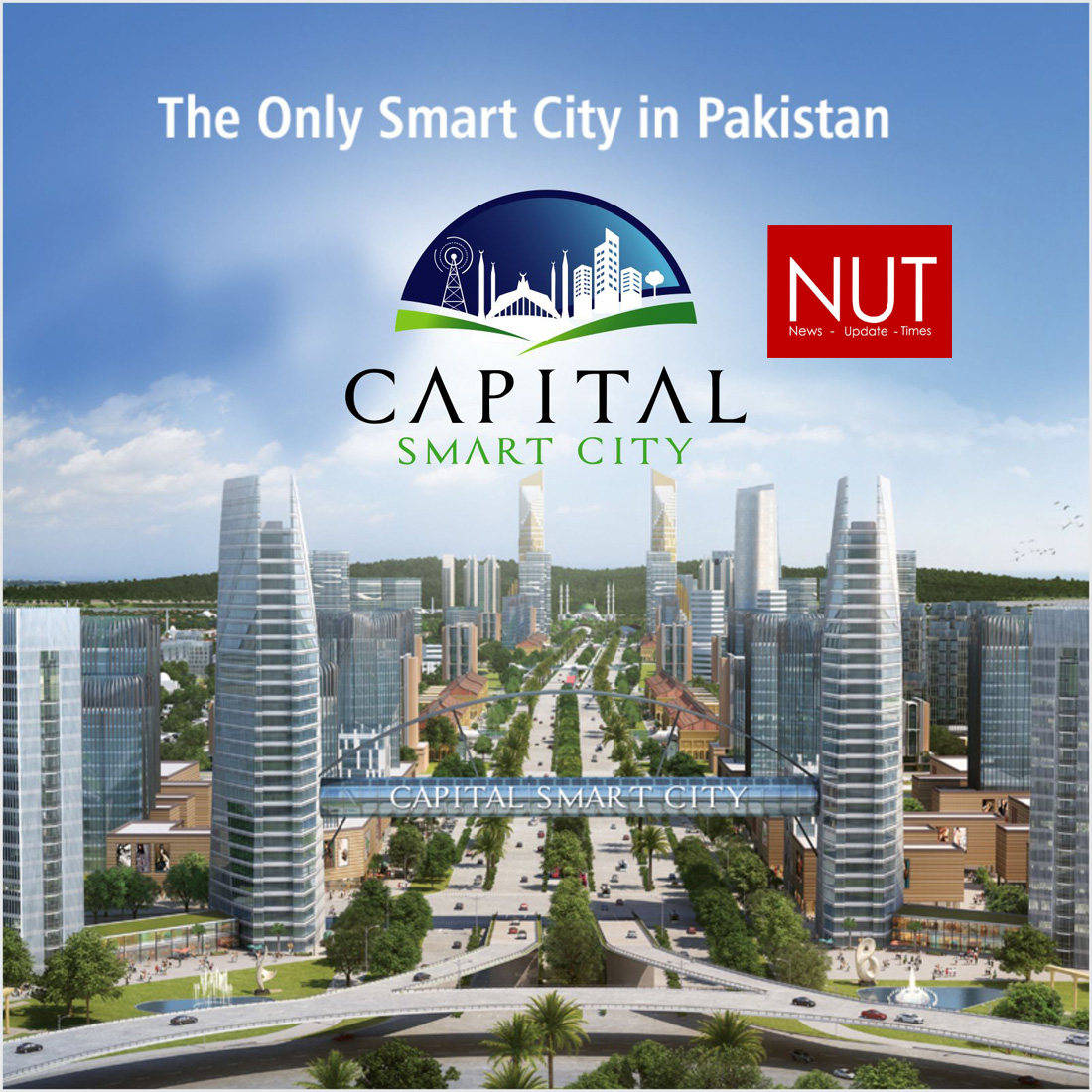
Lot of resources along with managerial skills are needed to run smart city or country. If we talk about Pakistan, capital smart city is the very first smart project. Developers and owners of this giant venture are Future Holdings Developers and Habib Rafiq Pvt Limited. Both are famous and reliable names in Pakistan real estate sector. Some of the successfully completed projects of Habib Rafiq group are Bahria Town and DHA Islamabad. CDA approved capital smart city was launched in 2019 and passing through different stages of development. This ideally located housing project has direct access to eastern route of CPEC, new Islamabad international airport and a separate designated interchange on M2 motorway.

Moving on from its perfect location to its infrastructure, this city is beautifully landscaped with parks, lake, green land besides the footpaths, segregated housing sector from commercial sector, golf club and mosques. Provision of basic utilities of life gas, water and electricity has also made efficient by its smart management. Capital smart city has underground electric system that is backed up by powerful generators so if there is any power failure you are provided with electric supply. The system smartly senses water consumption of each household and ensures adequate water pumping and pressure so none of our residents have to suffer from water shortage. Gas leakage detection sensors are added advantage for the safety of its residents. Sports complex with golf court and horse-riding club, farmhouses and community centre further enhance your living in this smart city.

One block is specially designated for overseas people in this smart city. That overseas prime block has a beautiful artificial lake along with a mountain range. This block has exclusive 50 feet wide roads and connects directly to main Chakri road on motorway. It also offers well-constructed smart villas to its overseas residents. You can opt for contemporary villa, Mediterranean villa or Georgian villa according to your need.   

This international standard smart city, with all the luxuries of life is best opportunity if you want to build your own house or you want to invest in some property. Authorized overseas seller are there in different countries in order to facilitate its customers. This newly developed society is progressing by leaps and bounds and if you are living overseas than this project is probably the place where you can completely rely on.


Asfar Hussain talks about his musical journey and “Mehram”

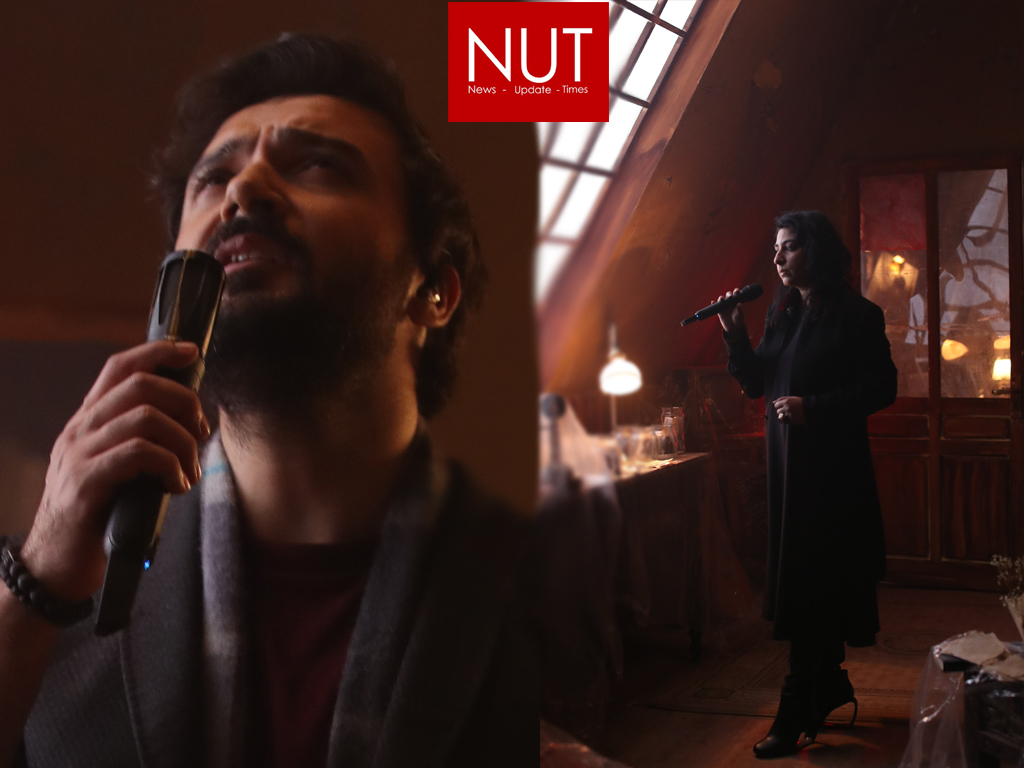
In an exclusive listening session organized by Spotify and Coke Studio Pakistan for the song, Mehram, the fourth release of Season 14, Asfar Hussain shared his thoughts about the song, his experience of working with the only Grammy Nominee of Pakistan, Arooj Aftab, and his musical journey starting from Nescafe Basement to reaching to Coke Studio, the biggest musical platform of the country.

Mehram reveals the emotional carnage brought by loss, helped by an unsettling drone effect winding through the song. The pairing of Asfar and Arooj’s voices creates a dark aural cushion, making you feel what Associate Music Producer Abdullah Siddiqui describes as “collapse-on-the-ground-earth-shatteringly-devastated.”Asfar uses the word “mehram” in its truest sense: a person that you trust completely. He described the song as “a vessel of thoughts, where you start to think; what was life like before you knew and trusted this person? And what is life like after this person is no longer in your life?”

When asked about his experience of working with a Grammy Nominee artist, Arooj Aftab, he said, “Arooj Aftab is indeed the first Grammy nominee from Pakistan and this is an achievement which is a dream of every other artist, and that’s the ultimate recognition that one can get for their work. My experience of working with her was truly amazing. I have been following Arooj since a while when she released her first few songs around 11 or 12 years ago. And since then, the haunting quality of her voice is what got stuck with me. The way she approaches melodies is very unconventional. Initially, on sets she was slightly reserved so it took some time to break the ice but after that when I got to know her and got to spend time with her, it turned out to be an amazing experience. She has a great sense of arrangement, she is a very learned musician, her take towards the composition since the beginning was very unique and every time we would share parts of the song with each other, I always got to see the song with a new perspective. So, for me it was great learning experience as well. And I am actually looking forward to working with her more.”

Upon asking how he felt looking at his journey starting with Xulfi from Nescafe Basement and ending up doing Coke Studio again with Xulfi, Asfar Hussain said, “It’s been long since I started my journey as a musician. It’s funny how this journey started with Xulfi when I came to Lahore from Chitral. I was discouraged as well in this process by many people. But I could always see myself on the stage doing things that I wanted to do and I had this belief that what I am imagining could possibly happen one day. And I think this confidence in myself is what brought me till here. So, my journey started with Xulfi discovering me, and while this journey continued, we achieved some milestones in between and now doing Coke Studio together is like coming full circle. In the past we often used to discuss that one day we will work together and will hopefully perform in Coke Studio too, and now that has already happened finally. So, this journey was extremely beautiful and in fact, this journey has just started and will continue onwards and upwards!