The Place of Women in Our Society

                       By    IQRA LIAQAT

    Women in society are as important as men. In fact, both men and women make it possible for society to exist and progress.

          The position of women in our society is, on the whole , not very satisfactory. Most of our women living in the villages are uneducated and uncultured like the village men. They do not have many of the rights, which men enjoy in village society. Very few women enjoy independent positions as owners of land or property. They depend on their husbands or other men looking after their families. Women in the villages cannot often marry as they like.

             The women in the cities are in a somewhat better position. Some of them can, of course, get educated and can marry after their choice. But women in poor families like those of labourers or wage earners live like village women. Most of them work hard in their small,dirty houses, serve their husbands and take care of their children and live in quite a helpless condition.

              Married women mostly depend on their husbands in all important matters of life. If they try to have their will in these, their husbands generally oppose them and there are quarrels and disputes. These disputes sometimes end in divorce.

                Let us discuss the problem in the light of human psychology. Women are different from men in their bodily form and constitution. It is her sacred duty to produce children and look after them. Not only this but she has also to build a nation of morally sound people. She has to play the role of a teacher for her children. The Holy Prophet has said

‘’Paradise lies under the feet of a mother’’. This shows that in Islam a woman enjoys great status. Her rights are equal with men, but her duties are different. Napoleaon once said

‘’Give me good mothers and I shall give you a good nation’’. This means that morally good mothers build a nation of brave and strong people.

                      Islam does not prohibit women to do jobs. Women can do any job provided they do it within the framework of Islam. Women can become doctors and nurses in hospitals. They can also become teachers, typists, clerks and receptionists. The women should do a job when they are actually in need of it. They should first of all look after their children and make them good citizens. However, in case of dire necessity, she can take part in the social and cultural activities.

                               Yet it is necessary for our women to take special care of their homes,husbands and children. The first duty of every woman is to look after her family.

                                     We should give the right place to our woman in society. Only then can we make true progress as a nation.

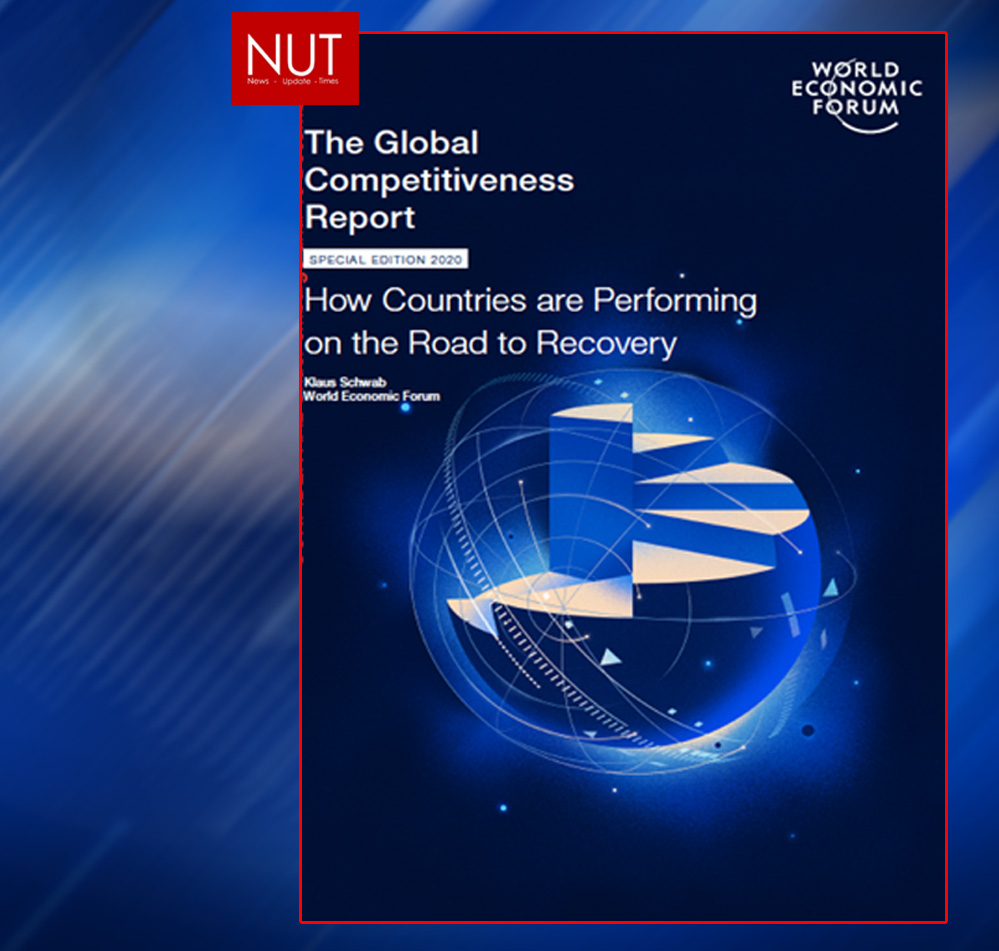
World Economic Forum’s Annual Global Competitiveness Report

World Economic Forum’s Annual Global Competitiveness Report Examines, Recovery from COVID-19 Can Build Productive, Sustainable, and Inclusive Economic Systems

The World Economic Forum released the Global Competitiveness Report 2020 today. The long-standing Global Competitiveness Index (GCI) rankings have been paused. A special edition, published this year, elaborates on the priorities for recovery and revival, and considers the building blocks of a transformation towards new economic systems. The report assesses the features that helped countries be more effective in managing the pandemic and provides an analysis of which countries are best poised for an economic transformation towards systems that combine “productivity”, “people” and “planet” targets.

Almost one year after the onset of the COVID-19 crisis, the deep economic recession has triggered continues to have profound economic and social consequences. While no nation has emerged unscathed, this year’s Global Competitiveness Report finds that countries with advanced digital economies and digital skills, robust social safety nets and previous experience dealing with epidemics have better managed the impact of the pandemic on their economies and citizens.

 “The World Economic Forum has long encouraged policymakers to broaden their focus beyond short-term growth to long-term prosperity. This Report makes clear the priorities for making economies more productive, sustainable, and inclusive as we emerge from the crisis. The stakes for transforming our economic systems simply could not be higher,” said Klaus Schwab, Founder and Executive Chairman of the World Economic Forum.

Amir Jahangir, Chief Executive Officer of Mishal Pakistan and the Country Partner Institute of the Future of Economic Progress System Initiative, World Economic Forum, said, “The success stories from Pakistan in the light of the Global Competitiveness Index 2020 is the performance and strengthening of the institutions, scaleup of digitization both at the public and private sectors.

“the surge for online services and data has increased more than 200 times in CoVID19 (Coronavirus) time period, both at the domestic and international level. CoVID19 has locked down communities and businesses into isolated environments, making the entire world go into Digital Incubation Ecosystems. The work from home has led to an increase in all levels of digital consumption across all stratas of the society. The Pakistani businesses have been forced to deploy digital solutions across all segments of the society including, Education, Business Processing, Services, and non-manufacturing etc. He further said, The Government needs to devise a system to use digital technologies for the welfare of the people. Also, tax regimes on technologies that help fight COVID-19 and contribute to data generation should be revisited to create more value for the citizens.”

The Report identified factors that registered the most negative for emerging and developing economies as Pakistan are the Business costs of crime and violence, Judicial independence, Organized Crime, Extent of market dominance and public trust in politicians. The Report identifies factors that registered the most positive shifts for emerging and developing countries are Government’s responsiveness to change, Efficiency of train services, Venture capital availability, country capacity to attract talent and collaboration within a company.

In recognition of the extraordinary developments in 2020 and of the unified global effort required to tackle the health crisis and its socioeconomic fallout, the Global Competitiveness Index rankings have been suspended for 2020. The 2021 edition will see a return to benchmarking, providing a refreshed framework to guide future economic growth.

The report reveals that countries like Netherlands, New Zealand, Switzerland, Estonia, and the United States with advanced digital economies and digital skills have been more successful at keeping their economies running while their citizens worked from home. These countries have performed well on this measure.

In advanced economies, business leaders saw increased market concentration, a marked decline in competition for services, reduced collaboration between companies and fewer available skilled workers in the employment market as the shift to digitally enabled work accelerated. On the positive side, leaders saw greater government response to change, improved collaboration within companies and increased availability of venture capital.

In emerging markets and developing economies, business leaders noted an increase in business costs related to crime and violence, a reduction in judicial independence, a further reduction in competition and growing market dominance, and stagnating trust in politicians. They, too, expressed positive views on government response to change, collaboration within companies, and venture capital availability. They also noted an increase in the capacity to attract talent, potentially facilitated by the more digital labor market.

“During this time of profound uncertainty, the health crisis and economic downturn have forced a fundamental rethink of growth and its relationship to outcomes for people and planet. Policy-makers have a remarkable opportunity to seize this moment and shape new economic systems that are highly productive while growing shared prosperity and environmental sustainability,” said Saadia Zahidi, Managing Director, World Economic Forum.

Key insights:

  • Digital infrastructure investments: The transition to a greener and more inclusive economy must be underpinned by significant investments in infrastructure, including an expansion of digital networks. Denmark, Estonia, Finland and the Netherlands are currently best prepared to do this.
  • Greener economy: Greening the economy will require upgrading energy infrastructure, transport networks and commitments from both the public and private sectors to extend and respect multilateral agreements on environmental protection. Denmark, Estonia, Finland and the Netherlands are best prepared to drive economic transformation through infrastructure. Less prepared countries include Russia, Indonesia, Turkey and South Africa.
  • Longer-term investments: Increasing incentives to direct financial resources towards long-term investments in the real economy can strengthen stability and expand inclusion. Finland, Sweden, New Zealand and Austria are relatively better prepared than other advanced economies, while the United States, currently the largest financial centre in the world, is among the least ready.
  • More progressive taxation: Shifting to more progressive taxation systems emerges as a key driver of economic transformation. On this measure, the Republic of Korea, Japan, Australia, and South Africa score highest, thanks to relatively well-balanced and progressive tax structures.
  • Expanded public services: Future-ready education, labour laws and income support should be better integrated to expand the social protection floor. Germany, Denmark, Switzerland, and the United Kingdom are relatively better prepared than others to combine adequate labour protection with new safety net models. South Africa, India, Greece, and Turkey are less prepared.

The concepts of economic transformation are relatively new, and data is limited. Data from 37 countries was mapped against the 11 priorities outlined in the report and found that while no country is fully prepared for recovery and economic transformation, some are better placed than others. The report estimates that a 10% increase in readiness scores could lead to a $300 billion increase in the GDP figures of these 37 countries combined.

The report considers pathways for revival and transformation in four areas: the enabling environment, human capital, markets, and innovation. The report advocates a gradual transition from furlough schemes to a combination of proactive investments in new labor market opportunities, a scaling-up of reskilling and upskilling programmes, and safety nets to help drive the recovery. In the longer term, leaders should work to update education curricula, reform labor laws, and improve the use of new talent-management technologies.

While financial systems have become significantly more stable since the last financial crisis, they need to be more inclusive, and growing market concentration and raising barriers to the movement of goods and people risk hampering the transformation of markets. The report recommends introducing financial incentives for companies to engage in sustainable and inclusive investments, while updating competition and anti-trust frameworks. Although entrepreneurial culture has flourished in the past decade, the creation of new firms, breakthrough technologies and products and services that deploy these technologies has stalled. The report recommends that countries expand public investment in R&D while encouraging it in the private sector. In the longer term, countries should support the creation of “markets of tomorrow” and motivate firms to embrace diversity to enhance creativity and market relevance.

Over the next year, the World Economic Forum will be hosting a series of communities and dialogues to develop new benchmarks, new standards, and new actions for building new economic models that combine productivity, sustainability, and shared prosperity. The Global Future Council on New Agenda for Fiscal and Monetary Policy, the Global Future Council on New Agenda for Economic Growth and Recovery, the Community of Chief Economists, the Champions for a New Dashboard for the New Economy and the Stewardship Board of the New Economy and Society Platform will be involved in shaping this effort. All readers are invited to share their views into this conversation, supporting collective efforts to “build back better”.

The Global Competitiveness Report is the flagship publication of the World Economic Forum’s Platform for Shaping the Future of the New Economy and Society. The Platform provides the opportunity to advancing prosperous, inclusive, and equitable economies and societies. It focuses on co-creating a new vision in three interconnected areas: growth and competitiveness; education, skills, and work; and equality and inclusion. Working together, stakeholders deepen their understanding of complex issues, shape new models and standards, and drive scalable, collaborative action for systemic change.

Over 100 of the world’s leading companies and 100 international, civil society and academic organizations currently work through the Platform to promote new approaches to competitiveness in the Fourth Industrial Revolution economy; deploy education and skills for tomorrow’s workforce; build a new pro-worker and pro-business agenda for jobs; and integrate equality and inclusion into the new economy, aiming to reach 1 billion people with improved economic opportunities.

Mishal Pakistan is Pakistan’s leading strategic communication and design company. It is also the country Partner Institute of the Future of Economic Progress System Initiative, World Economic Forum. Mishal is responsible to generate primary data on more than 100 indicators measuring Pakistan’s competitiveness. Mishal’s foremost domain of activity is behavior change communication, strategic communication with a spotlight on media and perception management.
Zong extends support to Girls Vocational Center Rawalpindi in a bid to empower women

Lahore (Muhammad Yasir With inclusion, diversity, and empowerment being its key driving forces, Pakistan’s top cellular and digital services company, Zong 4G, has joined hands with Rawalpindi’s Girls Vocational Center to facilitate and empower women of the institution.

The Girls Vocational Center is a brave initiative of two widow sisters, who, through the institute, are helping other needy and underprivileged women stand on their own feet and earn livelihood for themselves and their families.

The vocational center offers short and very low-cost courses in sewing, crafting, painting, gardening, cooking, and hosiery making to the underprivileged widows, orphans, homeless, and needy women.

In continuation of its CSR efforts, Zong 4G reached out to the Girls Vocational Center to provide new sewing machines so that more needy women can be facilitated and empowered by the institution.

In addition, Zong 4G also arranged free health checkup and Covid-19 awareness by qualified doctors and physicians for the institute’s teaching staff as well as trainees. This will help the Girls Vocational Center pursue its noble cause without any pandemic-caused disruptions.

“We’re grateful to Zong 4G for identifying our institution and recognizing the work we are doing to empower vulnerable women of the society,” said Rehana Kausar,  spokesperson Girls Vocational Center. “Their help will enable us to train more women on earning their livelihood while spreading awareness on staying safe from the Covid-19 pandemic.”

“The work that the Girls Vocational Center is doing is truly remarkable and an example of real-world empowerment of the women,” said Zong 4G’s official spokesperson. “Being the country’s CSR frontrunner, we are always on the lookout to support such initiatives. We hope that our little support helps the institute empower more needy women, enabling them to break the shackles of poverty.”

Besides being a leading connectivity partner for Pakistanis, Zong 4G also leads a comprehensive corporate social responsibility program. In addition to the Girls Vocational Center, Zong recently extended support to the Naureen Zindagi Welfare Trust Orphanage Islamabad.

The company also provided support to the SOS Children’s Village and Bint-e-Fatima Old Home in Karachi amid the urban flood crisis in the recent past. Zong 4G’s proactive Covid-19 response has also been highly effective and helpful for Pakistanis.


PUBG MOBILE “FROST FESTIVAL” Spreads Holiday Warmth On Erangel

Frost castles, icy zones and additional items adorn world’s most popular mobile game in latest update

Lahore (Muhammad Yasir)  A cool (literally) new winter-themed game mode “Frost Festival” drops into PUBG MOBILE as part of a special holiday content update today. Mobile players can now cozy up and queue for the new event mode which will drop them into a unique version of the beloved Erangel battle royale map, complete with interactive and explorable wintry locations, snowy monuments, themed decorations and more. The “Frost Festival” content update for PUBG MOBILE is available now to bring joy to the world for free via the App Store and Google Play.

In the new “Frost Festival” event mode players will experience three frost castles that randomly spawn throughout the Erangel map, which can be looted for advantageous supplies. Added icy zones offer a unique combat-altering experience. Players can also traverse the frozen tundra to collect snowmen and snow chickens, which can both be used as statues for quick cover from enemy fire. The “Frost Festival” mode is available for a limited time and is accessible by selecting the Erangel event mode in the PUBG MOBILE main menu.

In addition to the frosty structures added throughout PUBG MOBILE’s Erangel map, several festive features have been added, including:

  • Slick SnowboardsAt the beginning of each event match, all players receive a rideable snowboard which can be activated with the backpack button to quickly travel and jump over obstacles.
  • Holiday-Themed DecorationErangel has been fitted in beautiful cosmetic changes to celebrate the season, including decorated buildings, fireplaces and Christmas trees. The flare gun is also updated with additional holiday flair.
  • Special Events Several surprise “Frost Festival” events are set to arrive for players and community members to spread the warmth of the season.

PUBG MOBILE is available to download for free on the App Store and Google Play


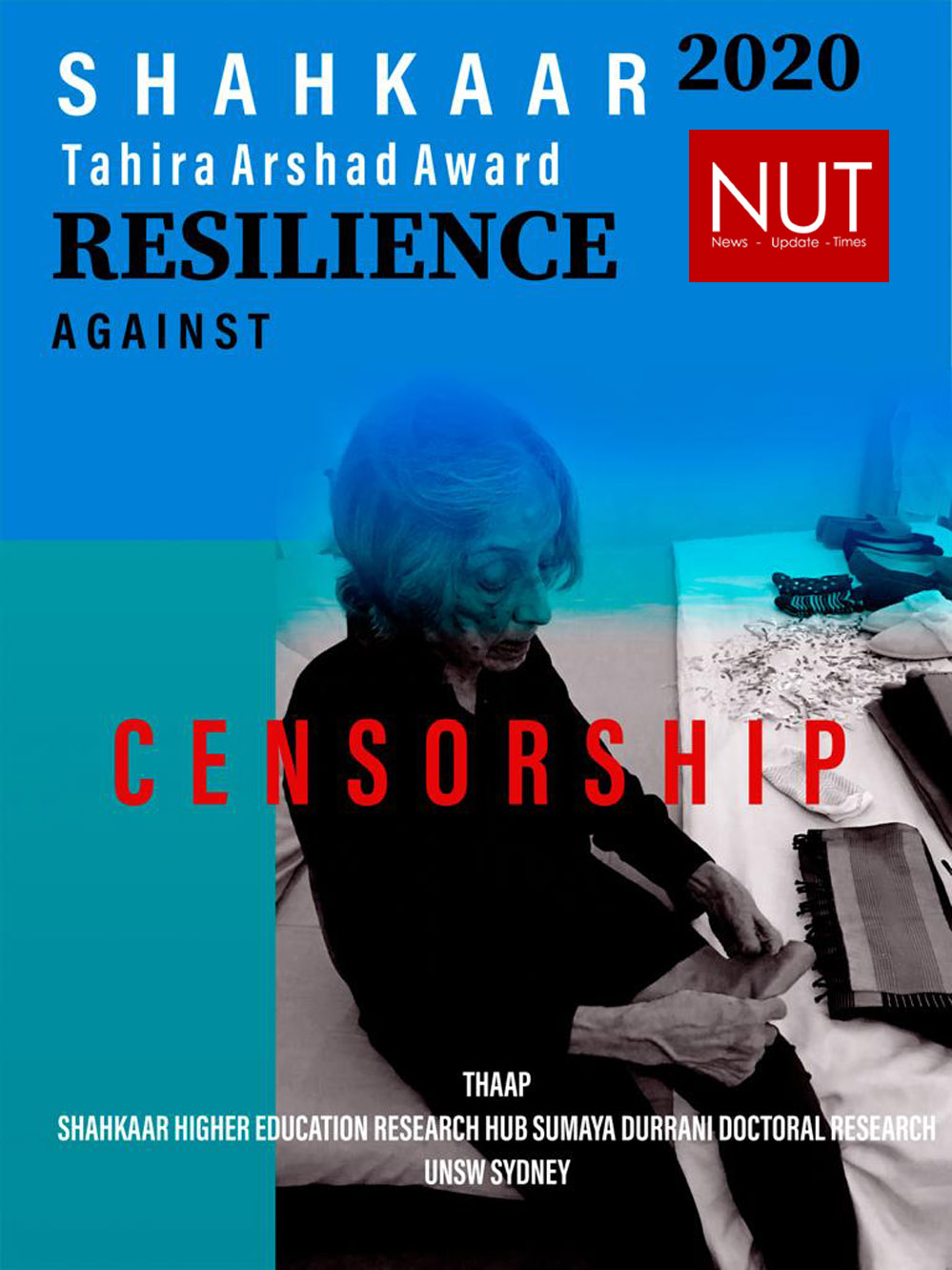
Shahkaar-reselience award against censorship in honor of Tahira Arshad

SHAHKAAR – Tahira Arshad Award – RESILIENCE AGAINST CENSORSHIP 2020 

THAAP, in collaboration with Shahkaar Higher Education Research Hub – a Doctoral Research Project by Sumaya Durrani, is pleased to announce the Shahkaar 2020, Tahira Arshad Award Resilience Against Censorship. This annual award recognizes a candidate of merit who has shown resilience against distinctive forms of Censorship and psychosocial erasure associated with physical impairment, visible, invisible, or experiential disabilities in navigating the social world. Located across the contexts mentioned above, the candidate must demonstrate individual autonomy, seek authenticity and self-actualization, and produce aesthetic value to engender personal and social transformation in shaping material culture. The award is open to individuals/ practitioners of all ages working in the Visual and Performing Arts, Theatre, Fashion, Film, New Media, Object Design, and Architecture.

The award criteria draw on the model of resilience and self-determination unravelled across seven decades by Pakistan’s pioneering fashion designer, Tahira Arshad.

In the grip of dementia, Tahira Arshad rescripts selfhood at the intersections of socially produced contexts of disability, trauma, and other vectors of identity formation that extend from her infancy to old age.   Aggravated by disenfranchised grief and situational loss, Tahira Arshad retains the residual traces of an autonomous self. In her silent outcry, she affirms a reparation of the site of her business concern Ideal Fashions.  Established as an Haute Courte house in 1955 at 41 The Mall and 12 Dyal Singh Mansion, Lahore, with brand outlets in Karachi, Murree, and Honk Kong, Tahira Arshad seeks the reappropriation of the site to a museum. The medicalization of her condition imposes prohibitions that deprive her of restitutive action, sealing her legacy and denying her access. Dispossessed, yet the faint hedonic tones of an imaginal universe enable her agential capacities.

Positioned within Tahira Arshad’s model of resilience, the Shahkaar Tahira Arshad Award

Resilience against Censorship recognizes individuals who have contested dominant narratives of ability that naturalize body and mind efficiency and stigmatize differences, resulting in disadvantage. It seeks to legitimize individuals with different capacities that do not fit into ableist narratives challenging the notion of disability as the lack of possibility. It validates individuals who have defined a role in society afforded by their different capacities, showing resilience against negative sanctions imposed on bodies perceived as aberrant, anomalous, diseased, aged, disabled, and susceptible to illness, chronic pain, anxiety, and despair.

The selection committee consists of 5 eminent figures from relevant professions. The due date for submitting the nominations is 7th January 2021. Individuals should send their CV, three selected works, and artist’s statement of between 500 -700 words at THAAP office (43 G, Gulberg III, Lahore, Pakistan. Tel. 042 35880822) or at meexa_rishi@hotmail.com

The candidate should mention their name and the title of the award in the subject of the email. The award will be consummated in 2021 and includes a cash prize and a shield of honor.

Annual Italian Cuisine Week in Karachi

Lahore (Muhammad Yasir) The Italian Consulate in Karachi has organised its annual “Week of Italian Cuisine in the World”, the thematic review dedicated to the promotion of quality Italian cuisine and food products, in Karachi from December 9 to16.

The highlight of the celebrations is the participation of award winning Chef Marco Saracino in different activities including a training workshop to engage professional chefs from horeca sector, food bloggers and media for a culinary workshop, and a live cooking and Italian Gala Evening. The Chef will also do a live cooking ‘Lively Weekends’ at Masala TV, where he will create simple yet authentic popular Italian recipes. The chef’s training session will be held on 10th December at Beach Luxury Hotel. 

This year’s edition restarts from the roots of Italian tradition, capturing the bicentenary of the birth of Pellegrino Artusi, father of Italian home cooking, to propose a focus on the essential relationship that binds the Italian gastronomic heritage to its territories of origin.

It intends to enhance the richness and variety of the culinary traditions of the Italian territories, as well as the healthiness and sustainability of the entire supply chain, characteristics that are the basis of the Mediterranean Diet, which this year celebrates the 10th anniversary of its inclusion in the UNESCO Intangible Cultural Heritage List.

The events developed for the week aim to create awareness of the Mediterranean Diet as a model of balanced lifestyle, protection and enhancement of products with a protected and controlled name, together with actions to combat the phenomenon of Italian sounding, promotion and internationalization activities of the Italian training offer in the sector, and enhancement of the celebrations of the bicentenary birth of Pellegrino Artusi, author of “Science in the kitchen and the art of eating well”, the first gastronomic treatise of united Italy.

The celebrations have however been redesigned in light of the global pandemic emergency, experimenting with hybrid methods – digital and in presence – that maximize its impact.

Ammad Hassan reliving the passion of the great Juniad Jamshed

As we all are well aware that the life of Junaid Jamshed(JJ) was like a roller-coaster ride which finally ended over the grand mountains of Havelian some 4 years ago. I’m one of many those that still loses their control while recalling the sad incident which truly was a jolter.

Most of us still can’t forget the huge funeral procession of the legendary JJ after which tribute from all around the globe started piling up over the various media mediums. Everyone was paying tribute according to his/her dedication and capacity.

One of those devoted and dedicated fans of JJ is Ammad Hasan that has paid tribute to the legendary at the 4th anniversary of the sad incident in a different manner.
Ammad has a diverse personality that, on one side, is a marketer but, on the other side, takes keen interest in writing, reading and singing. Diversity in his personality and the passion for music pushed him to kind-of wholly redesign his own life over the footprints of the great musician-turned-evangelist JJ.

Ammad alongwith his friend Ali Sher, a renowned musician, once came up with an idea to reproduce Ek Chand Ek Sitara, one of the famous covers of Vital Signs which itself carries a huge legacy behind it. To reproduce a grand cover, which carries gigantic names like ShoMan, Salman Ahmed (Junoon) and the great JJ, was itself a mammoth task which required perfection to attract the viewers.

The duo of two As, Ammad and Ali, no-doubt has turned up with a great re-do of a cover which has reminded us of the time (2015) when it actually was produced. Let’s not miss to watch this treat not only for eyes but for our ears too…
VIDEO SONG LINK: https://youtu.be/o36ChKJur-c

Badly missing you JJ. Our hearts will always be filled with your vocal memories…
‘Ek Chand Ek Sitara’
Originally written by Legend Shoaib Mansoor ‘ShoMan”
Originally Composed and Performed by Legend Salman Ahmed “Junoon”
Cover by Ammad Hasan
Produced by Ali Sher
Special Thanks to Tanzeela Ammad, Madiha Affan and Prince Affan Bin Saqib.
Humble thanks to Mr. Sheharyar Hasan Qadri for allowing the shoot at his “Farmhouse”.

Fatima Gobi ventures announces first batch of companies for Techxila fund I

Lahore (Muhammad Yasir) Pakistani venture capital firm Fatima Gobi Ventures has announced the five startups that have received funding from their maiden fund, Techxila Fund I, which was announced late last year. The companies boast experienced founders in their management teams and operate in a variety of industries from e-commerce, travel, FinTech SaaS and logistics. All of these startups are driven to give Pakistani consumers and businesses a boost with their own individual products and services in spite of the current economic uncertainty due to the COVID-19 pandemic. Helping the local ecosystem grow, five startups that Fatima Gobi Ventures is backing are outlined below.

Tajir is the first Y-Combinator startup based in Pakistan, Tajir is a B2B marketplace. Through their platform, stores can order inventory, receive on-demand delivery services as well as enjoy transparent and competitive prices. The company essentially takes a process that usually consumes a dozen hours weekly and reduces it to a few minutes. On the supplier side, manufacturers, wholesalers and distributors can directly sell their products to kirana stores via Tajir while enjoying greater sales at higher margins with zero additional investment. Founded by brothers Babar and Ismail Khan in 2019, the company’s vision is to provide every kirana store in Pakistan with the essential services it needs to grow.

The second one, SafePay, is a FinTech platform and online payment gateway, Safepay is the first Pakistani FinTech to be selected by YC for their Summer 2020 batch. With a business model similar to Stripe in the US, the company has developer-focused APIs and plugins available for Magento, OpenCart, Shopify, and WooCommerce platforms. Founded by wapistanis Ziyad Parekh  and Raza Navi, Safepay’s main focus is on enabling online payments for B2C and e-commerce platforms. The platform has integrated Visa, MasterCard, and local payment methods, such as mobile wallets and bank accounts to facilitate e-commerce transactions. Their seed funding has drawn some leading backers from the West, including Y Combinator.

Inventhub is a first-of-its-kind SaaS startup in deep tech, InventHub was founded by Usama Abid. A truly homegrown entrepreneur, Usama’s vision for InventHub’s is to enable inventors to bring their products to life and help current hardware companies optimize their collaboration processes. The company has developed efficient processes that help eliminate redundancies which translates into lower costs for hardware development and enables faster, more affordable innovations to happen. Despite its founder’s humble beginnings, InventHub has been backed by foreign capital, namely from Tim Draper, an American venture capitalist.

Airlift, which set out to build an efficient logistics platform in Pakistan, raised the country’s largest Series A round of US$22M led by early Uber-backer, First Round Capital. The investment was also the firm’s first venture into the Pakistan startup ecosystem. Initially, the Airlift team began by trying to solve the daily commute problem with the introduction of an efficient mass transit system. However, COVID-19 gave Airlift an opportunity to launch quick ecommerce as lockdowns in the country accelerated the adoption of online purchasing of daily essentials. They now offer customers the delivery of all household goods within 45 minutes. By connecting manufacturers directly with consumers, Airlift provides an efficient and low-cost distribution network for consumers.

Sastaticket, which commenced operations in 2016, is an emerging online travel agency (OTA) that aims to give Pakistani travellers access to all travel products in the country. They are essentially democratizing access to travel suppliers and standardizing transactions via a user-friendly platform. Known as one of Pakistan’s leading OTA, the COVID-19 pandemic had a definite impact on Sastaticket. However, as travel restrictions within the country were lifted, the company recorded a V-shaped recovery; as of October, the number of bookings recorded in the month was 150% over pre-COVID levels. Sastaticket is on track to raise a growth round next year as they seek to expand into more markets locally and aim to dominate 50% of the online travel market share.


Onward and Upward – Techxila Fund – Reaches First Close

These first five companies are just the beginning for Fatima Gobi Ventures. Since commencing operations in 2019, the firm has gone from five team members to eight, and has now established offices in both Lahore and Karachi. Their vehicle, Techxila Fund I, is set to invest in another 10 to 15 companies over the next few years, and focuses on Seed and Series A investments in technology-enabled businesses that address current pain points in Pakistan, a market with a population of 200m+ and over 75m internet users. Target sectors include travel, logistics, FinTech, healthcare, education, e-commerce, consumer tech, industrial Internet, and TaqwaTech, an investment vertical that targets innovative startups offering products and services that cater for the global Muslim population.


The firm has also announced the first close of Techxila Fund I. Over 70% of the targeted size has been raised thus far and the fund is on track to complete the final close early next year. LPs include leading entrepreneurs representing industries that include agriculture, banking, energy, textiles, and other important sectors of the economy, as well as former Amazon MENA’s Regional Finance Director and Souq.com Group CFO Asif Keshodia.

Bookme.pk Launches Logistics!

Lahore (Muhammad Yasir) Bookme.pk is revolutionizing the package delivery industry in Pakistan by introducing their Cargo service that will make the intercity delivery of parcels faster, cheaper and convenient. This will promote a contactless and cashless channel that allows customers to get their packages picked from their homes and delivered to their desired destination in just a few hours. This new feature in the app is not only user friendly but also the perfect solution to send and receive parcels in a timely manner. Moreover, the app also has the option to make payments via debit/credit cards as well as JazzCash and EasyPaisa ensuring a fully contactless process.

Faizan Aslam, the CEO of Bookme.pk stated, “With the coexistence of a pandemic in our daily lives, we wanted to find a solution to every problem that fell under our expertise and so we did. We realized that the existing package delivery services aren’t safe enough especially given the current circumstances, they require us to leave our homes, stand in long queues, physically fill forms, and make cash payments. To eliminate the risk of catching the virus, we have introduced a service that allows you to send parcels from anywhere you want. The rider will pick it from your home and deliver it to the destination in a few hours only.

We’re extremely excited to launch the same day package delivery service between Lahore, Islamabad, and Rawalpindi. We are looking forward to expanding this service to other cities too.” During these tough times, one should look for the safest options to carry on with their daily life activities. So, if you’re looking for a way to send your parcels from your homes, offices or any place at all, now is the right time to check this feature out because Bookme.pk is offering a 50% discount if you use the promo code: BOOKME.

Pakistan ranked 88th in Global Hunger Index 2020

Lahore (Muhammad Yasir) Pakistan ranks 88th out of 107 countries in the Global Hunger Index while food security and nutrition crisis is expected to worsen in the wake of the COVID-19 pandemic because country has a serious hunger level. Among countries in the developing world, Pakistan faces one of the most severe crises of malnutrition, which is the fundamental cause of child morbidity and mortality.

These are the finding of the “2020 Global Hunger Index & Strategy for Stakeholders’ Engagement on Food and Nutrition Security 2021– 2025 report launched by Alliance 2015 — a strategic network of leading eight European non-government and non-profit organizations engaged in humanitarian and development actions in Pakistan and the world in Islamabad.

Addressing the webinar, State Minister of State for Climate Change Zartaj Gul said that the current ranking of Pakistan with regard to hunger index is not encouraging but it is the vision of Prime Minister Imran Khan to bring people out of poverty. “Food security has direct relationship with climate change. The government has introduced climate smart technology in South Punjab and Sindh to improve agricultural production,” Zartag Gul said. 

Dr. Abid Qayyum Suleri, Executive Director, Sustainable Development Policy Institute, said that the report highlights that the worsening food and nutrition security situation retarded human and economic development and carried the risk of jeopardizing national security if it was not tackled well by government, private sector, civil society, media, public, communities, and academia and research institutions, the report pointed out. “The time to act is NOW, individually, and collectively,” the he warned, and added that the report also identifies key stakeholders and roles they can play in averting this crisis besides laying out stakeholders’ engagement goals and objectives in the next five years.

H.E. Mr. Julien Harneis, UN Resident Coordinator and Humanitarian Coordinator in Pakistan talked about the food security, nutrition and agricultural issues in Pakistan and said, these are the structural issues, the highest malnutrition has been seen in Sindh and Balochistan. While talking at the webinar, it is advised to engage the scientists and government officials to jointly see how we can contribute to improve these areas of malnutrition, hunger and food security and agriculture to diversify the economies. The technologies can be introduced in the most affected areas to enhance the economic impact of the societies, he added.

The COVID-19 pandemic has further aggravated the food and nutrition security situation in Pakistan. Travel restrictions and limitations on the movement of essential goods including food and agricultural inputs, protracted loss of income, and rise in prices have already negatively impacted millions of Pakistanis. The IMF has predicted a sharp reversal in the declining poverty rates, with 40% of the population below the poverty line after the spread of COVID-19. Moreover, 17 million children under the age of five are missing routine vaccinations, leaving them unprotected and more vulnerable to health risks posed by COVID-19 outbreak’.

He said that the report highlights that globally, far too many individuals are suffering from hunger: nearly 690 million people are undernourished; 144 million children suffer from stunting, a sign of chronic under nutrition; 47 million children suffer from wasting, a sign of acute under nutrition; and in 2018, 5.3 million children died before their fifth birthdays, in many cases as a result of under nutrition.


To better respond to, and indeed to prevent, the report highlight that complex emergency, multilateral institutions, governments, communities, and individuals should use the lessons learned during the COVID-19 pandemic and other crises to build safe, resilient food systems. They should review food, health, and economic systems through a One Health lens to chart a path to environmental recovery by investing in sustainable food production, distribution, and consumption.

An alarming 37% of the population in Pakistan is classified as food insecure; meaning that they do not “have physical and economic access to sufficient, safe and nutritious food that meets their dietary needs and food preference for an active and healthy life,” according to the Food and Agriculture Organization.

The participants of the webinar included H.E Julien Harneis, UN Resident and Humanitarian Coordinator, Pakistan, Bernard Jasper Faijer, Head of Mission, ECHO Pakistan, Chris Kaye, Country Director, UN-WFP, Shahid Fazal, Nutrition and Food Policy/Strategy Consultant, Dr. Irshad Danish, Advocacy Advisor, Nutrition International, SUN-CSA, Aisha Jamshed, WHH Country Director, Farhan Ahmed Khan, Cesvi Head of Mission, Miriam Wiemers, Expert, Global Hunger Index and Member WHH Global Policy and Advocacy Team, Dr. Arjumand Nizami, Country Director, Helvetas, Dr. Shadab Fariduddin, Policy Analyst/Consultant, Mr. Muhammad Nasir, Manager, SUN Business and others.